
Can We Use Air Purifier With Fan? Genius Solution!

Yes, you can absolutely use an air purifier with a fan! This combination offers a smart and effective way to boost air circulation and improve overall air quality in your home, spreading purified air further. We’ll explore how to do it safely and efficiently.
Can We Use Air Purifier With Fan? The Genius Solution Unveiled
Many of us are concerned about the air quality inside our homes, especially with rising pollution levels and increased time spent indoors. You might already own a fantastic air purifier, but wonder if you can give it an extra boost. Perhaps you have a standalone fan and an air purifier and are curious about combining their powers. This article will explore the synergy between air purifiers and fans, providing a clear, step-by-step guide to enhance your indoor environment safely and effectively.
Understanding How Air Purifiers and Fans Work
Air purifiers are designed to remove pollutants from the air, trapping particles like dust, pollen, mold spores, and even VOCs. They typically draw air in through one side, pass it through a series of filters (often including a HEPA filter and an activated carbon filter), and then expel cleaner air. Fans, on the other hand, are primarily for air circulation. They move air around a room, creating a breeze, which can help with cooling and distributing air more evenly.
The Synergy: Why Combine Them?
Combining an air purifier with a fan is a smart strategy for maximizing your indoor air quality. While air purifiers clean the air, their circulation range can sometimes be limited, especially in larger rooms. A fan can help to actively distribute the purified air from your air purifier throughout the entire space, ensuring that cleaner air reaches more areas. This means you benefit from fresher, healthier air more quickly and effectively, creating a more comfortable and breathable living environment.
Can We Use Air Purifier With Fan? The Direct Answer
Yes, you can absolutely use an air purifier with a fan. This is not only possible but often recommended for enhancing air circulation and dispersing purified air more widely. The key is to position them correctly to maximize their combined benefits without hindering their individual functions. This setup is a genius solution for tackling stagnant air and ensuring consistent air quality throughout your home.
How to Safely Combine an Air Purifier and a Fan
When combining these two devices, safety and efficiency are paramount. It’s important to ensure both appliances have adequate ventilation and are placed in a way that allows them to operate optimally. Avoid obstructing the air intake or output of either the air purifier or the fan. Proper placement ensures that the fan helps to move the clean air from the purifier without drawing dirty air back into the purifier’s intake.
Optimal Placement Strategies for Maximum Airflow
The placement of your air purifier and fan is crucial for achieving the best results. Generally, you want the fan to help distribute the clean air expelled by the purifier. Consider placing the fan behind or to the side of your air purifier, angled to push the purified air outwards into the room. This creates a continuous cycle of air cleaning and circulation, maximizing the effectiveness of both devices.
Method 1: The “Push” Technique
In this method, the fan acts as an accelerator for the purified air. Place your air purifier in its usual spot, ensuring it has space to breathe. Then, position a fan behind or slightly to the side of the purifier, aiming it in the same general direction. The fan will gently “push” the cleaner air that the purifier releases, helping it to travel further and more quickly throughout the room.
Method 2: The “Circulation” Strategy
This approach focuses on creating a consistent air current within the room. Place your air purifier in a central location or where air quality is a primary concern. Then, position your fan to create a gentle, circular airflow pattern in the room. This helps to draw air from all corners towards the purifier, ensuring that the purified air is then circulated back out effectively by the fan.
Using a Fan to Enhance Air Purifier Performance
Air purifiers often have built-in fans, but a separate, more powerful fan can significantly extend the reach of purified air. If your air purifier struggles to circulate air in a large or open-plan space, a strategically placed fan can make a world of difference. It helps to overcome dead zones where air might become stagnant, ensuring that the purified air is evenly distributed, leading to a more consistent level of clean air throughout your home.
When to Use This Combined Approach
This combined strategy is particularly beneficial in several scenarios. It’s ideal for larger rooms, open-plan living areas, or homes with multiple levels where air circulation can be challenging. If you experience seasonal allergies, live in an area with high outdoor pollution, or have pets that contribute to indoor air quality issues, using a fan with your air purifier can provide an extra layer of comfort and health. It’s also great for quickly clearing the air after cooking or other activities that generate indoor pollutants.
Potential Benefits of Using a Fan with Your Air Purifier
The advantages of this dual-device approach are numerous. You’ll experience faster air purification and better distribution of clean air. This can lead to reduced allergen levels, fewer odors, and a generally fresher-smelling home. Furthermore, by improving overall air circulation, you can help prevent the buildup of dust and other particles on surfaces, making your cleaning routine more manageable. It’s a simple yet effective way to optimize your indoor environment.
Can We Use Air Purifier With Fan? Expert Tips for Success
Here are some expert tips to ensure you get the most out of using your air purifier and fan together:
Consider Fan Speed: Start with a lower fan speed and gradually increase it to find the optimal balance between circulation and noise.
Filter Maintenance: Ensure your air purifier’s filters are clean and replaced regularly. A clogged filter will reduce the effectiveness of both devices. You can find replacement filters for popular brands like Blueair and Coway on their official websites or reputable retailers.
Room Size Matters: Adjust the fan’s power and placement based on the size of your room. Larger rooms may require a more powerful fan or a different placement strategy.
Quiet Operation: If noise is a concern, opt for quieter fan models or place them further away. Many air purifiers, like those from Levoit, are designed for quiet operation, so you can enjoy clean air without disturbance.
* Energy Efficiency: Be mindful of energy consumption. Running both devices will use more electricity than running just one. Consider using a smart plug to schedule operation times.
Alternatives and Complementary Solutions
While combining a fan and air purifier is excellent, other solutions can complement this strategy. Humidifiers can add moisture to dry air, which can help settle airborne particles. Dehumidifiers can reduce excess moisture, preventing mold growth. Smart home devices can also integrate your air purifier and fan, allowing for automated adjustments based on real-time air quality readings. For a comprehensive approach to home hygiene, consider products from brands like Honeywell for air purification and Dyson for versatile fan and air multiplier technologies.
Potential Downsides and How to Mitigate Them
While the benefits are clear, there are a few potential downsides to consider. Running two appliances can increase energy consumption. To mitigate this, use energy-efficient models and consider timers or smart plugs to manage usage. Another concern might be noise; select quieter fan models or adjust speeds. If placement isn’t optimal, a fan could potentially recirculate dust rather than clean air, so proper positioning is key.
Maintaining Your Air Purification System
Regular maintenance is essential for both your air purifier and your fan to operate efficiently. For your air purifier, this means cleaning or replacing filters according to the manufacturer’s recommendations. Most HEPA filters need replacement every 6-12 months, while pre-filters can often be washed. For your fan, ensure the blades and housing are kept clean to prevent dust buildup. A clean system is a more effective system.
Frequently Asked Questions
Can I place my fan directly in front of my air purifier?
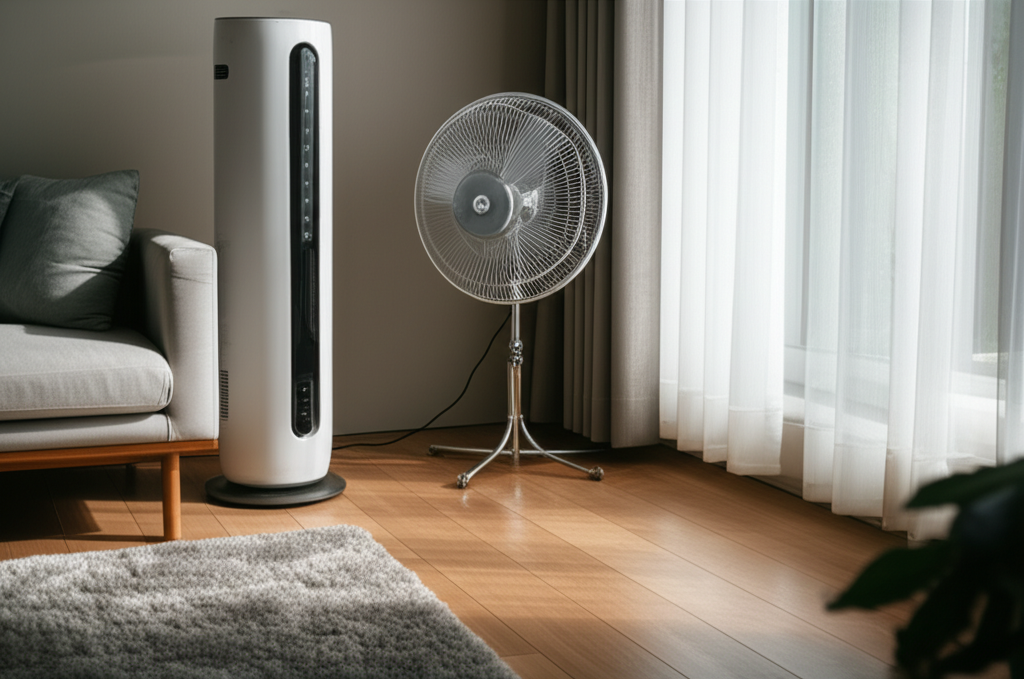
It’s generally better to place the fan slightly behind or to the side of the air purifier, rather than directly in front, to avoid disrupting the purifier’s airflow.
Will using a fan make my air purifier less effective?
No, when used correctly, a fan can actually enhance your air purifier’s effectiveness by distributing the purified air more widely.
What type of fan is best to use with an air purifier?
A simple oscillating fan or a tower fan works well. The key is to choose one that provides good circulation without being overly noisy.
Do I need to worry about increased energy consumption?
Yes, running two appliances will use more energy. Opt for energy-efficient models and consider using timers.
Can I use a ceiling fan with an air purifier?
Yes, a ceiling fan can help circulate air, including the purified air from your unit, especially in larger rooms.
How close should the fan be to the air purifier?
There’s no strict rule, but a few feet away, angled to push the clean air, is usually optimal.
What if my air purifier has a very strong fan already?
If your air purifier has a robust built-in fan, an additional external fan might be overkill unless you have a very large space or specific circulation needs.
Conclusion: A Breath of Fresh Air
So, can we use air purifier with fan? The answer is a resounding yes, and it’s a truly genius solution for improving your home’s air quality. By strategically combining these two appliances, you can ensure that cleaner, healthier air circulates effectively throughout your living spaces. Remember to prioritize proper placement, regular maintenance, and mindful energy use. Embrace this simple yet powerful technique to create a more comfortable and breathable environment for you and your family.

