
Can the Dyson Air Purifier Detect Mold: Essential?

Yes, the Dyson Air Purifier can help you identify the presence of mold spores, though it’s not a dedicated mold detector. It excels at capturing airborne mold particles, and its sensors can indicate high levels of specific pollutants that may accompany mold growth.
Can the Dyson Air Purifier Detect Mold? An Essential Guide for a Healthier Home
Discovering mold in your home can be incredibly worrying, impacting both your property and your family’s well-being. Many people wonder if their advanced air purification systems, like those from Dyson, can lend a hand in spotting this unwelcome guest. The good news is that while not a direct mold detector, your Dyson purifier plays a crucial role in managing and indicating the presence of mold spores. Let’s explore how it works and what you need to know to ensure your home environment is as healthy as possible.
Understanding Mold and Its Airborne Presence
Mold thrives in damp, dark environments, releasing microscopic spores into the air. These spores can trigger allergies, asthma, and other respiratory issues. Identifying the source of mold growth is key to effective removal and preventing its return. Understanding how mold spreads through the air is the first step in safeguarding your home.
How Dyson Air Purifiers Work to Combat Mold
Dyson air purifiers are engineered with advanced filtration systems designed to capture a wide range of airborne particles. This includes not only dust and pollen but also the tiny mold spores that can become airborne. By continuously circulating and purifying your home’s air, these devices significantly reduce the concentration of mold particles you breathe.
The Role of Dyson’s HEPA Filtration
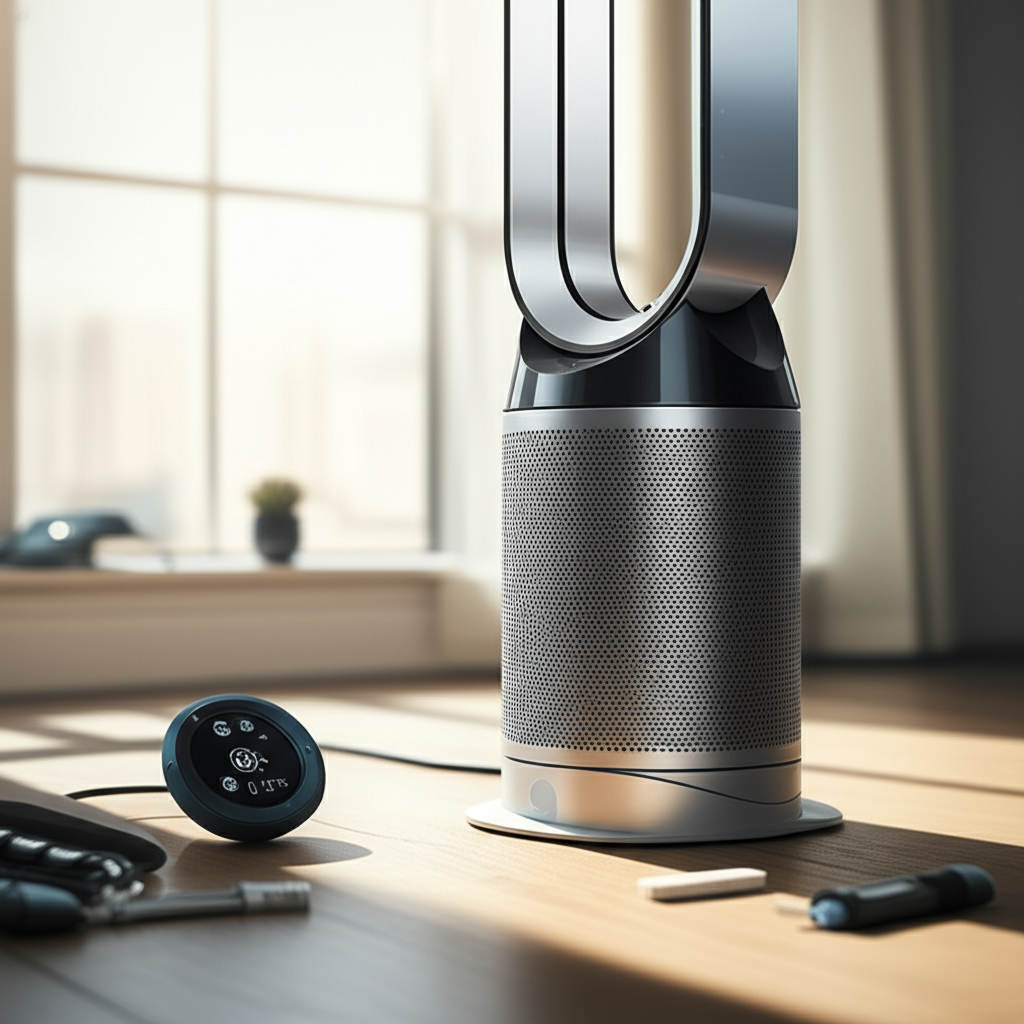
At the heart of Dyson’s air purification technology is its HEPA (High-Efficiency Particulate Air) filter. These filters are incredibly dense, capable of trapping at least 99.97% of particles as small as 0.3 microns. Since mold spores often fall within this size range, a Dyson purifier can effectively capture them, preventing them from recirculating in your living space.
Dyson’s Smart Sensor Technology
Dyson purifiers feature sophisticated sensors that continuously monitor air quality. While they don’t specifically detect “mold,” they can identify and report on airborne pollutants such as VOCs (Volatile Organic Compounds) and fine particles (PM2.5). A spike in these readings, especially in areas prone to moisture, could indirectly suggest the presence of mold or other organic matter.
Can the Dyson Air Purifier Detect Mold Directly?
It’s important to clarify that a Dyson air purifier is not a dedicated mold testing kit. It cannot pinpoint the exact location of a mold colony or identify specific mold species. Its primary function is to purify the air by trapping existing airborne contaminants, including mold spores.
Indirect Detection: Reading the Signs
However, by monitoring the air quality data provided by your Dyson purifier, you can gain valuable insights. If your purifier consistently reports high levels of PM2.5 or VOCs in a particular room, especially a humid one like a bathroom or basement, it could be an indicator that mold is present and actively releasing spores into the air. This can prompt you to investigate further.
Dyson Link App Insights
The Dyson Link app provides detailed real-time and historical air quality reports. You can track fluctuations in pollutant levels, which can be crucial in identifying patterns. For instance, if you notice persistent spikes in fine particles after showering, it might suggest mold growth in the bathroom, even if it’s hidden from view.
When to Suspect Mold and What to Do
Beyond air purifier readings, common signs of mold include a musty odor, visible mold growth (often black, green, or white patches), and peeling paint or wallpaper. If you notice these signs or your air purifier indicates poor air quality in a specific area, it’s time to investigate.
Steps to Investigate Suspected Mold
- Visual Inspection: Carefully examine walls, ceilings, floors, and around windows for any signs of mold growth.
- Smell Test: Pay attention to persistent musty or earthy odors.
- Check Humidity Levels: Ensure your home’s humidity is between 30-50%. Use a hygrometer if necessary.
- Review Air Purifier Data: Look for sustained high readings of PM2.5 or VOCs in the affected area.
Professional Mold Testing vs. Air Purifiers
For definitive identification and quantification of mold, professional mold testing is recommended. Companies like Environmental Protection Agency (EPA) offer detailed assessments. Air purifiers are a complementary tool for managing airborne mold, not a substitute for professional mold remediation.
Maximizing Your Dyson Purifier’s Effectiveness Against Mold
To ensure your Dyson air purifier is as effective as possible in capturing mold spores, proper placement and maintenance are essential. Consistent operation and regular filter changes will keep your air clean and healthy.
Optimal Placement for Mold Management
Place your Dyson air purifier in the room where you suspect mold is most likely to be an issue or where air quality is a concern. Allowing it to run continuously, especially in areas prone to dampness, maximizes its ability to capture airborne spores before they accumulate.
Maintenance: Filters and Cleaning
Regularly check and replace your Dyson air purifier’s filters according to the manufacturer’s recommendations. Clogged filters are less effective at capturing particles. Keeping the unit itself clean also ensures optimal airflow and performance. You can find filter replacement guides on the Dyson support website.
Dyson Purifiers vs. Dedicated Mold Detectors
While Dyson purifiers are excellent for improving overall air quality by capturing mold spores, dedicated mold detectors offer a different approach. Mold detectors often use sensors to identify specific volatile organic compounds (VOCs) emitted by mold or can even test surfaces for mold presence. These are specialized tools for diagnosing mold issues.
Key Differences in Functionality
A Dyson air purifier focuses on removing airborne mold particles, while dedicated mold detectors aim to identify the presence and sometimes the source of mold. Think of the purifier as a powerful cleaner that catches mold spores, and a detector as a detective that finds the mold itself.
When to Use Both
If you have a persistent musty smell or are concerned about hidden mold, using a Dyson air purifier to manage the air quality while employing a dedicated mold test kit or hiring a professional for mold inspection can provide a comprehensive solution. This dual approach ensures both immediate air quality improvement and thorough problem diagnosis.
Common Misconceptions About Air Purifiers and Mold
One common misunderstanding is that air purifiers can “kill” mold. While they capture spores, they don’t eliminate mold growth on surfaces. Another misconception is that a single reading on an air purifier guarantees mold; it’s the patterns and context that provide clues.
Air Purifiers: Capturers, Not Eliminators
It’s vital to remember that air purifiers are designed to capture airborne particles. They do not address the underlying moisture issues that cause mold to grow. Therefore, while a Dyson purifier can significantly reduce airborne mold, you must still tackle the root cause of the moisture problem to prevent recurrence.
Interpreting Air Quality Data
The data from your Dyson purifier should be interpreted in conjunction with other indicators of mold. High PM2.5 readings alone don’t confirm mold; they can also be caused by dust, smoke, or other fine particles. Always consider the context, such as the room’s humidity and any visible signs or smells.
Frequently Asked Questions (FAQ)
What is the most common type of mold found indoors?
The most common types of mold found indoors include Cladosporium, Penicillium, and Aspergillus. These thrive in damp environments and can easily become airborne.
Can Dyson air purifiers detect VOCs from mold?
Yes, many Dyson air purifiers are equipped with sensors that can detect VOCs, some of which are released by mold. While not exclusively for mold, high VOC readings can be an indicator.
How often should I run my Dyson air purifier for mold concerns?
For optimal air quality and to manage airborne mold spores, it’s recommended to run your Dyson air purifier continuously, especially in areas prone to dampness or where you suspect mold activity.
What is the best Dyson model for mold spore capture?
All Dyson air purifiers with HEPA filtration are effective at capturing mold spores. Models with advanced sensors and app connectivity, like the Dyson Purifier Cool Formaldehyde or Dyson Purifier Humidify+cool Formaldehyde, offer enhanced air quality monitoring.
Can a Dyson air purifier help with mold allergies?
Absolutely. By capturing airborne mold spores, Dyson air purifiers can significantly reduce exposure for individuals suffering from mold allergies, helping to alleviate symptoms like sneezing, coughing, and itchy eyes.
What humidity level is ideal to prevent mold?
The ideal indoor humidity level to prevent mold growth is generally between 30% and 50%. Maintaining this range helps to keep surfaces dry and less hospitable to mold development.
Conclusion: A Powerful Ally, Not a Sole Solution
In summary, while the Dyson air purifier cannot directly “detect mold” in the way a specialized testing kit can, it is an essential tool for managing and mitigating the impact of airborne mold spores in your home. Its advanced HEPA filtration captures these microscopic particles, and its smart sensors can provide indirect clues about potential mold issues through elevated VOC and PM2.5 readings. By understanding how your Dyson purifier works, interpreting its data correctly, and combining its capabilities with vigilant inspection and professional advice when needed, you can create a healthier living environment and effectively tackle the challenges posed by mold. Keeping your Dyson running and its filters clean is a proactive step towards cleaner air and a safer home.
