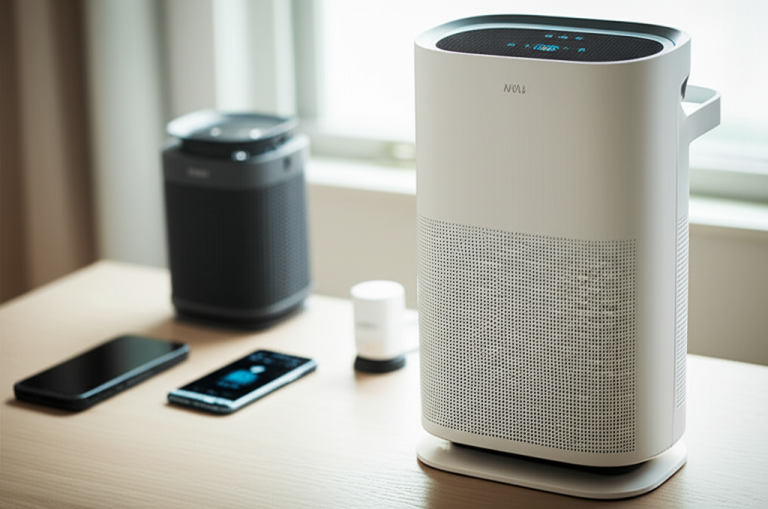
Can Shark Air Purifier Filters Be Washed? Essential Guide

No, most Shark air purifier filters cannot be washed, as washing can damage their delicate HEPA and activated carbon layers. It’s crucial to consult your specific Shark model’s manual for accurate filter maintenance instructions to ensure optimal performance and longevity.
Air purifiers are fantastic tools for improving indoor air quality, and Shark offers some excellent models. A common question that arises is about filter maintenance: can Shark air purifier filters be washed? It’s a tempting idea, aiming to save money and reduce waste. However, the answer isn’t a simple yes or no. Understanding your specific Shark filter type is key to proper care. This guide will help you navigate the intricacies of Shark air purifier filter maintenance, ensuring your device works efficiently for years to come.
Understanding Shark Air Purifier Filter Types
Shark air purifiers utilize different types of filters designed for specific functions. Most commonly, you’ll find a combination of a pre-filter, a true HEPA filter, and an activated carbon filter. Each of these components plays a vital role in capturing airborne pollutants. Knowing what each filter is made of will help you understand why washing is often not recommended.
The Role of the Pre-Filter
The pre-filter is typically a mesh-like layer that captures larger particles like dust, pet hair, and lint. This is often the first line of defense in your Shark air purifier. Its primary purpose is to protect the more sensitive HEPA and carbon filters from premature clogging.
The HEPA Filter: A Delicate Barrier
True HEPA (High-Efficiency Particulate Air) filters are engineered to capture 99.97% of airborne particles as small as 0.3 microns. This includes allergens, mold spores, bacteria, and viruses. These filters are made from very fine fibers, and washing them can disrupt this intricate structure, compromising their ability to trap microscopic pollutants effectively.
Activated Carbon Filters: Odor and VOC Absorption
Activated carbon filters are designed to absorb odors, gases, and volatile organic compounds (VOCs) from the air. The porous nature of activated carbon is what gives it this powerful absorption capability. Washing can wash away the carbon particles or clog the pores, significantly reducing its effectiveness in neutralizing smells and chemicals.
Can Shark Air Purifier Filters Be Washed? The Definitive Answer
Generally, the answer to “can Shark air purifier filters be washed?” is no, particularly for the HEPA and activated carbon components. Shark designs its filters for replacement, not washing. Attempting to wash these filters can lead to irreparable damage, rendering them ineffective and potentially harming your air purifier.
Why Washing HEPA Filters is a Bad Idea
Washing a HEPA filter can damage the fine mesh that captures tiny particles. Water can compress the fibers, create tears, or leave behind residue. This damage reduces the filter’s efficiency, meaning it won’t capture pollutants as effectively as it should. It’s best to avoid this at all costs.
The Impact of Washing Activated Carbon Filters
Similarly, washing activated carbon filters can wash away the carbon itself or clog its porous surface. This loss of carbon means a reduced ability to absorb odors and gases. The effectiveness of your air purifier in tackling smells and VOCs will diminish significantly.
Shark’s Official Recommendation on Filter Washing
Shark’s official stance, as stated in most user manuals, is that their HEPA and activated carbon filters are not washable. They are designed for periodic replacement to maintain optimal performance. Always refer to your specific Shark air purifier model’s manual for the most accurate and up-to-date information.
Consulting Your Shark Air Purifier Manual
Your owner’s manual is the ultimate authority on your specific Shark air purifier. It will detail the exact filter types included with your model and provide clear instructions on their maintenance and replacement schedule. Never assume; always verify with the manufacturer’s guidelines.
What About the Pre-Filter?
Some Shark air purifier models may have a washable pre-filter. This pre-filter is usually made of a more robust material, like a fine mesh screen. If your model has a washable pre-filter, the manual will explicitly state this and provide instructions on how to clean it, typically with gentle rinsing.
Identifying Washable vs. Non-Washable Shark Filters
The key differentiator lies in the material and construction of the filter. HEPA and activated carbon filters are delicate and designed for absorption and fine particulate capture, which washing can destroy. Pre-filters are typically coarser and meant to catch larger debris, making them more resilient.
Visual Clues and Material Differences
HEPA filters often appear as tightly woven paper or fabric-like materials, sometimes pleated. Activated carbon filters usually have a black, granular appearance within a frame or mesh. Washable pre-filters look like fine mesh screens. These visual distinctions can help you identify which parts of your Shark system need careful handling.
Model-Specific Filter Information
Always check the part number or description of your replacement filters. If the product description explicitly states “washable,” then it is safe to clean. However, for standard HEPA and carbon filters, replacement is the recommended and safest maintenance practice.
How to Clean a Washable Shark Pre-Filter (If Applicable)
If your Shark air purifier model includes a washable pre-filter, cleaning it is straightforward. Follow these steps carefully to ensure it’s properly maintained without causing damage. Remember, this applies only if your manual confirms it’s washable.
Step-by-Step Cleaning Process
1. Remove the filter: Gently detach the pre-filter from the air purifier unit as per your manual’s instructions.
2. Rinse under cool water: Hold the filter under a gentle stream of cool running water. Avoid hot water, as it can damage the mesh.
3. Gently agitate: You can lightly agitate the filter with your fingers to dislodge trapped dust and debris. Do not scrub or use any cleaning agents.
4. Shake off excess water: Gently shake the filter to remove as much water as possible.
5. Air dry completely: Place the filter in a well-ventilated area and allow it to air dry thoroughly. This can take several hours. Ensure it is 100% dry before reinserting it.
Drying is Crucial
Ensuring the pre-filter is completely dry before reinstallation is vital. A damp filter can lead to mold or mildew growth within your air purifier, which is counterproductive to improving air quality. Patience during the drying process is key.
When to Replace Your Shark Air Purifier Filters
Even washable pre-filters have a lifespan, and the HEPA and carbon filters require regular replacement. Shark typically recommends replacing filters every 6 to 12 months, depending on usage and air quality. Pay attention to your purifier’s filter indicator light, if it has one.
Signs Your Filters Need Replacing
Besides the recommended schedule, look for signs that your filters are no longer effective. These include a noticeable decrease in air quality, persistent odors, increased dust accumulation around the unit, or the air purifier running louder than usual. These indicate the filters are likely clogged and need replacement.
The Importance of Regular Replacement
Replacing your Shark air purifier filters on schedule is essential for maintaining the unit’s performance and the quality of the air it produces. Old, clogged filters can restrict airflow, reduce efficiency, and even become a source of pollutants themselves if not replaced. Investing in new filters ensures your Shark continues to deliver clean air.
Shark Air Purifier Filter Maintenance Comparison: Washable vs. Replacement
Understanding the difference in maintenance for washable pre-filters versus non-washable HEPA and carbon filters is critical for effective air purifier care. While cleaning a pre-filter can extend its life, replacing the core filters is non-negotiable for performance.
| Filter Type | Maintenance Method | Frequency (General) | Impact of Improper Maintenance |
| :—————– | :————————————————– | :—————— | :————————————————- |
| Pre-Filter | Washable (if specified by model) / Vacuum | As needed / Monthly | Reduced airflow if clogged |
| HEPA Filter | Replacement Only | 6-12 Months | Reduced particle capture efficiency, potential damage |
| Activated Carbon | Replacement Only | 6-12 Months | Reduced odor/VOC absorption, potential damage |
This table highlights why, when asked “can Shark air purifier filters be washed?”, the answer is primarily focused on the replacement aspect for the most critical components.
Troubleshooting Common Shark Filter Issues
Sometimes, you might encounter issues with your Shark air purifier filters. Understanding these common problems and their solutions can save you time and ensure your unit functions optimally. Proper installation and timely replacement are often the best preventative measures.
Filter Not Fitting Properly
If a new filter doesn’t seem to fit correctly, double-check that you have the correct replacement filter for your specific Shark model. Ensure no packaging material is obstructing the filter’s placement and that it’s oriented in the correct direction as indicated in the manual.
Filter Indicator Light Stays On
After replacing a filter, the indicator light might remain illuminated. This often means the reset procedure for the filter indicator hasn’t been performed. Consult your manual for the specific reset sequence for your Shark model, which usually involves pressing and holding a button.
Reduced Airflow or Noise
If you notice reduced airflow or increased noise, the filters are likely clogged. Even if you’ve recently replaced them, ensure they were installed correctly and are the right type. If the problem persists, it might indicate an issue with the unit’s fan or motor.
The Cost-Effectiveness of Filter Replacement vs. Washing
While washing a pre-filter can save money, it’s important to consider the long-term cost-effectiveness of filter replacement for HEPA and carbon filters. The initial investment in replacement filters ensures your air purifier continues to provide clean, healthy air, which is invaluable for your well-being.
Long-Term Performance Benefits
The performance of a true HEPA filter degrades over time, regardless of cleaning attempts. Replacing these filters ensures you consistently achieve the advertised air purification levels. This consistent performance is crucial for allergy sufferers or those concerned about fine particulate matter.
Avoiding Costly Repairs
Using damaged or ineffective filters due to washing can potentially strain your air purifier’s motor, leading to more significant and costly repairs down the line. Sticking to the manufacturer’s recommended replacement schedule is often the most economical approach for the health of your appliance.
Frequently Asked Questions About Shark Air Purifier Filters
Here are answers to some common questions about maintaining your Shark air purifier filters.
Can I vacuum my Shark air purifier filters?
For washable pre-filters, vacuuming is a good way to remove loose dust between washes. However, vacuuming HEPA or carbon filters is generally not recommended, as the suction can damage the delicate filter media. Always check your manual.
How often should I replace my Shark HEPA filter?
Shark typically recommends replacing HEPA and activated carbon filters every 6 to 12 months, depending on your usage patterns and the air quality in your home. Always refer to your specific model’s manual for the most accurate guidance.
What happens if I don’t replace my Shark air purifier filters?
Not replacing your filters will lead to reduced air purification efficiency, decreased airflow, increased energy consumption, and potentially foul odors or even the release of trapped pollutants back into the air.
Are all Shark air purifier filters the same?
No, Shark offers various models, and they use different types and sizes of filters. It is crucial to purchase the exact replacement filters specified for your particular Shark air purifier model to ensure proper fit and function.
Can I use a generic filter instead of a Shark brand filter?
While generic filters might be available, it’s generally recommended to use genuine Shark replacement filters. Generic filters may not meet the same quality standards, potentially affecting your air purifier’s performance and even voiding your warranty.
My Shark air purifier smells bad, what should I do?
A bad smell usually indicates that the activated carbon filter is saturated and needs replacement. If your model has a washable pre-filter, ensure it is clean. Also, check that no mold or mildew has developed within the unit, which might require professional cleaning.
Conclusion: Prioritize Replacement for Optimal Air Quality
In summary, when considering “can Shark air purifier filters be washed?”, the answer leans heavily towards replacement for the crucial HEPA and activated carbon components. While some pre-filters might be washable, the core filters are designed for disposal and replacement to maintain peak performance. Regularly replacing your Shark air purifier filters is the most effective way to ensure you’re breathing the cleanest possible air. Always consult your user manual for model-specific instructions and replacement schedules to get the most out of your Shark air purifier.