Can Philips Air Purifier Remove Formaldehyde? Proven Essential

Yes, Philips air purifiers can effectively remove formaldehyde, a common indoor pollutant, thanks to their advanced multi-layer filtration systems, particularly activated carbon filters, making them a proven essential for healthier indoor air.
Formaldehyde is a sneaky indoor air pollutant that can significantly impact your home’s air quality. Many homeowners wonder if their air purifier is up to the task of tackling this specific chemical. You’re likely concerned about the health effects of formaldehyde, and rightly so. I’m here to guide you through whether a Philips air purifier is the solution you’re looking for. We’ll explore how these devices work and what makes them effective against this pervasive VOC.
Why Formaldehyde is a Concern in Your Home
Formaldehyde is a colorless gas with a pungent odor, often found in new furniture, carpets, paints, and building materials. Its presence in indoor environments can lead to various health issues, including respiratory irritation, headaches, and even more severe conditions with prolonged exposure. Understanding its sources is the first step to mitigating its impact on your living space.
Common Sources of Formaldehyde Indoors
New furnishings, pressed wood products, and certain cleaning supplies are primary culprits. Even everyday items like cosmetics and some fabrics can off-gas formaldehyde. Identifying these sources helps in creating a cleaner air environment.
How Air Purifiers Combat Formaldehyde
Air purifiers work by drawing in air and passing it through a series of filters designed to capture various pollutants. For volatile organic compounds (VOCs) like formaldehyde, the key lies in the type of filtration technology employed. Effective air purifiers utilize specialized filters that chemically react with or adsorb these harmful gases.
The Role of Activated Carbon Filters
Activated carbon is a porous material that has been treated to increase its absorbency. When air passes through it, formaldehyde molecules bind to the carbon surface, effectively trapping them. The larger the amount and surface area of activated carbon, the more effective the purifier will be at removing formaldehyde.
Philips Air Purifier Technology for Formaldehyde Removal
Philips air purifiers are engineered with multi-stage filtration systems that specifically target a wide range of indoor pollutants, including formaldehyde. Their approach often involves a pre-filter, an activated carbon filter, and a HEPA filter, working in synergy to clean your air. This comprehensive strategy ensures that not only particulate matter but also gaseous pollutants are addressed.
Understanding Philips’ Filtration Stages
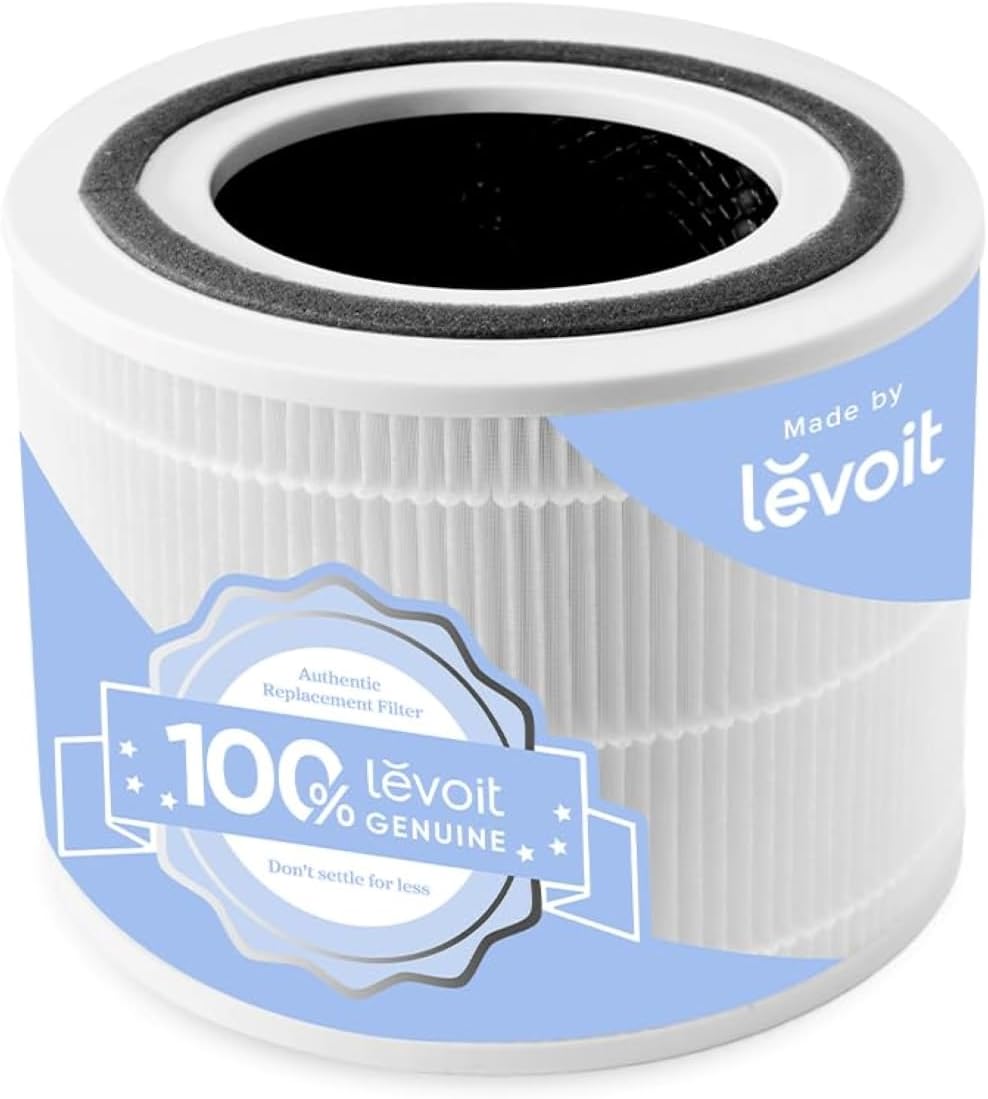
Philips typically employs a three-stage filtration process. The pre-filter captures larger particles, the activated carbon filter adsorbs gases and odors like formaldehyde, and the HEPA filter captures fine particles such as allergens and dust. This layered approach maximizes the removal of diverse contaminants.
Evidence of Philips Air Purifier Effectiveness
Independent testing and certifications often provide credible evidence of an air purifier’s capabilities. Many Philips models have demonstrated significant reductions in formaldehyde levels in laboratory settings and real-world conditions. These results underscore their efficacy in creating healthier indoor environments.
Laboratory Testing and Certifications
Third-party laboratories conduct rigorous tests to measure the performance of air purifiers against specific pollutants. Certifications from organizations like the Association of Home Appliance Manufacturers (AHAM) indicate that a unit meets performance standards for allergen and particle removal, with some models also tested for VOCs. Research from institutions like the U.S. Environmental Protection Agency (EPA) highlights the importance of activated carbon for VOC removal.
Choosing the Right Philips Model for Formaldehyde
Not all Philips air purifiers are created equal when it comes to formaldehyde removal. The key differentiating factor is the capacity and quality of the activated carbon filter. Look for models that specifically mention enhanced activated carbon filtration or have larger carbon filter surface areas.
Key Features to Look For
When selecting a Philips air purifier, prioritize models with a substantial activated carbon filter. Check product specifications for details on CADR (Clean Air Delivery Rate) for formaldehyde, and consider room size coverage. Features like real-time air quality sensors that detect VOCs can also be beneficial.
How to Maximize Formaldehyde Removal
Proper placement and regular maintenance of your Philips air purifier are crucial for optimal performance. Ensure the unit is positioned in a well-ventilated area and that the filters are replaced according to the manufacturer’s recommendations. This routine care ensures the activated carbon remains effective.
Placement and Maintenance Best Practices
Place your air purifier in the room where you spend the most time, away from obstructions that might block airflow. Regularly clean the pre-filter and replace the activated carbon and HEPA filters as indicated by your model’s usage guidelines. This commitment to maintenance ensures consistent formaldehyde removal.
Comparing Philips to Other Air Purifier Brands
While Philips offers robust solutions, it’s helpful to understand how they stack up against other brands known for formaldehyde removal. Many reputable brands utilize activated carbon, but the quantity and quality can vary significantly. The overall design and efficiency of the filtration system play a vital role in comparative performance.
Key Differentiators in the Market
Some brands might focus more heavily on activated carbon capacity, while others offer advanced sensor technology for VOC detection. Philips often strikes a balance with its multi-stage approach, providing a comprehensive purification experience. Consider brands like Coway or Blueair for comparative insights into their formaldehyde reduction strategies.
The Long-Term Benefits of Formaldehyde Removal
Investing in an air purifier that effectively removes formaldehyde contributes to a healthier living environment. Reduced exposure can alleviate symptoms associated with respiratory issues and create a more comfortable atmosphere. It’s an investment in your family’s well-being.
Creating a Healthier Indoor Environment
By consistently removing formaldehyde and other VOCs, you create a sanctuary from indoor air pollution. This can lead to better sleep, fewer allergy symptoms, and an overall sense of well-being for everyone in your household. It’s about breathing easier, every day.
Frequently Asked Questions
Can any Philips air purifier remove formaldehyde?
While many Philips air purifiers are designed to tackle formaldehyde, the effectiveness varies based on the model and its activated carbon filter capacity. Look for models specifically highlighting VOC removal or those with substantial carbon filters.
How quickly can a Philips air purifier remove formaldehyde?
The speed of formaldehyde removal depends on the concentration of the pollutant, the air purifier’s CADR for formaldehyde, and the room size. With consistent operation, significant reductions can be observed within hours.
How often should I replace the activated carbon filter in my Philips air purifier for formaldehyde removal?
Filter replacement schedules vary by model and usage. Generally, activated carbon filters should be replaced every 6-12 months, or when the unit indicates it’s time, to maintain optimal formaldehyde adsorption.
Are there specific Philips models recommended for formaldehyde removal?
Philips often features advanced models in their Series 2000i and 3000i ranges that include enhanced activated carbon filters specifically designed for gas and odor removal, including formaldehyde. Always check the product specifications.
Will a Philips air purifier remove other VOCs besides formaldehyde?
Yes, the activated carbon filters in Philips air purifiers are effective at adsorbing a wide range of volatile organic compounds (VOCs), including benzene, toluene, and ammonia, in addition to formaldehyde.
What is the best way to test for formaldehyde in my home?
You can purchase DIY formaldehyde test kits from hardware stores or online retailers. For more comprehensive testing, consider hiring a professional indoor air quality specialist.
Conclusion
In conclusion, the question of “can Philips air purifier remove formaldehyde” is a resounding yes, provided you choose a model equipped with an effective activated carbon filtration system. Philips has consistently integrated advanced technologies, particularly robust activated carbon filters, into their air purifiers, making them a reliable choice for tackling formaldehyde and other harmful VOCs. By understanding the technology, selecting the right model, and adhering to maintenance best practices, you can significantly improve your indoor air quality and create a healthier living space. Investing in a Philips air purifier is a proven step towards cleaner, safer air for you and your family.