
Can Levoit Air Purifier Detect Carbon Monoxide? Essential Guide

No, standard Levoit air purifiers do not detect carbon monoxide. You need a dedicated carbon monoxide detector for that essential safety function.
Wondering if your Levoit air purifier can also keep you safe from invisible carbon monoxide gas? It’s a common question, especially with so many smart home devices claiming multiple functions. Many homeowners assume their air purifier, which tackles other airborne pollutants, might also monitor for CO. This guide will clarify the capabilities of Levoit air purifiers regarding carbon monoxide detection and explain why a separate detector is crucial for your family’s safety.
Do Levoit Air Purifiers Detect Carbon Monoxide? The Straight Answer
Levoit air purifiers are expertly designed to capture and filter common airborne pollutants like dust, pollen, pet dander, smoke, and volatile organic compounds (VOCs). However, they do not possess the necessary sensors to detect carbon monoxide (CO). Carbon monoxide is a colorless, odorless gas that requires specialized detection technology, which is not a feature of Levoit’s current air purifier line.
Therefore, relying on a Levoit air purifier for carbon monoxide detection is not a safe practice. You will need a separate, dedicated carbon monoxide detector to ensure your home is protected from this dangerous gas.
Understanding Carbon Monoxide and Its Dangers
Carbon monoxide (CO) is a toxic gas produced by incomplete combustion of fuels like natural gas, propane, oil, wood, and charcoal. Sources include faulty furnaces, gas stoves, fireplaces, generators, and car exhaust. Because it’s undetectable by human senses, CO poisoning can occur without warning, leading to symptoms like headaches, dizziness, nausea, and, in severe cases, death.
The invisible nature of carbon monoxide makes it a silent threat. Proper detection is paramount for preventing CO poisoning in any home or living space.
What Levoit Air Purifiers Actually Do
Levoit air purifiers excel at improving indoor air quality by removing particulate matter and gaseous pollutants. They typically employ multi-stage filtration systems, including a pre-filter for larger particles, an activated carbon filter for odors and gases like VOCs, and a True HEPA filter to capture 99.97% of airborne particles as small as 0.3 microns.
These purifiers are excellent for allergy sufferers, pet owners, and anyone concerned about everyday air quality, but their focus remains on general air purification, not specific gas detection like CO.
Why a Dedicated Carbon Monoxide Detector is Essential
A dedicated carbon monoxide detector is specifically engineered with electrochemical sensors that react to the presence of CO. These devices are calibrated to alert you at dangerous CO levels, providing a critical early warning. They are a non-negotiable safety device for any home with fuel-burning appliances or attached garages.
These detectors are designed with a singular, life-saving purpose: to alert you to the presence of carbon monoxide before it reaches hazardous levels.
Comparing Air Purifiers and Carbon Monoxide Detectors
It’s crucial to understand the fundamental differences in function and technology. While both devices aim to improve your living environment, their targets are distinct. Air purifiers focus on visible and common invisible airborne particles and gases, whereas CO detectors are specialized for a single, extremely dangerous gas.
Here’s a breakdown of their primary roles:
| Device Type | Primary Function | Target Pollutants/Gases | Key Technology |
| Levoit Air Purifier | Air Purification | Dust, pollen, pet dander, smoke, VOCs, odors | HEPA filter, Activated Carbon filter |
| Carbon Monoxide Detector | Gas Detection & Safety Alert | Carbon Monoxide (CO) | Electrochemical sensor |
This comparison highlights the specialized nature of CO detection, a function not built into standard air purifiers.
Do Any Air Purifiers Detect Carbon Monoxide?
While most standard air purifiers, including those from Levoit, do not detect carbon monoxide, some advanced “smart” air quality monitors or purifiers on the market may incorporate CO sensing capabilities. These are typically high-end devices with multiple sensors designed to monitor a broader spectrum of air quality parameters. Always check the specific product specifications to confirm if CO detection is a listed feature.
If you are considering a device that claims to do both, meticulously review its specifications to ensure it meets the safety standards for carbon monoxide detection.
Best Practices for Carbon Monoxide Safety
The most effective way to ensure your home is protected from carbon monoxide is to install and maintain multiple, battery-operated or plug-in CO detectors. Place them on every level of your home, outside sleeping areas, and near potential sources of CO. Test your detectors monthly and replace batteries at least once a year, or as recommended by the manufacturer.
Regular maintenance and proper placement are key to ensuring your CO detectors function when needed.
Where to Place Your Carbon Monoxide Detector
Strategic placement is vital for effective carbon monoxide detection. Install detectors on each level of your home, including basements. A good rule of thumb is to place them in the hallway outside of each separate sleeping area. Avoid placing them directly next to fuel-burning appliances, in garages, or in very humid areas like bathrooms, as these locations can cause false alarms or interfere with sensor readings.
Proper placement ensures the detector can alert you to rising CO levels before they become a danger.
Levoit Air Purifier Models and Their Capabilities
Levoit offers a range of popular air purifiers, such as the Core 300S, Core 400S, and Vital 100S. These models are celebrated for their effectiveness in removing allergens, dust, and odors, and many feature smart capabilities like app control and air quality monitoring for PM2.5. However, none of these models are equipped with carbon monoxide sensors.
Each Levoit model is optimized for general air purification, providing cleaner air for your living spaces.
Alternatives for Comprehensive Home Air Quality Monitoring
For a holistic approach to home air quality, consider investing in a multi-functional smart home device that does include carbon monoxide detection alongside other air quality sensors (like VOCs, PM2.5, humidity, and temperature). Brands like Awair, Airthings, and some Google Nest devices offer more comprehensive monitoring solutions.
These devices can offer a broader picture of your home’s air, but remember to verify their CO detection capabilities specifically.
Frequently Asked Questions About Levoit Air Purifiers and CO
Do Levoit air purifiers filter carbon monoxide?
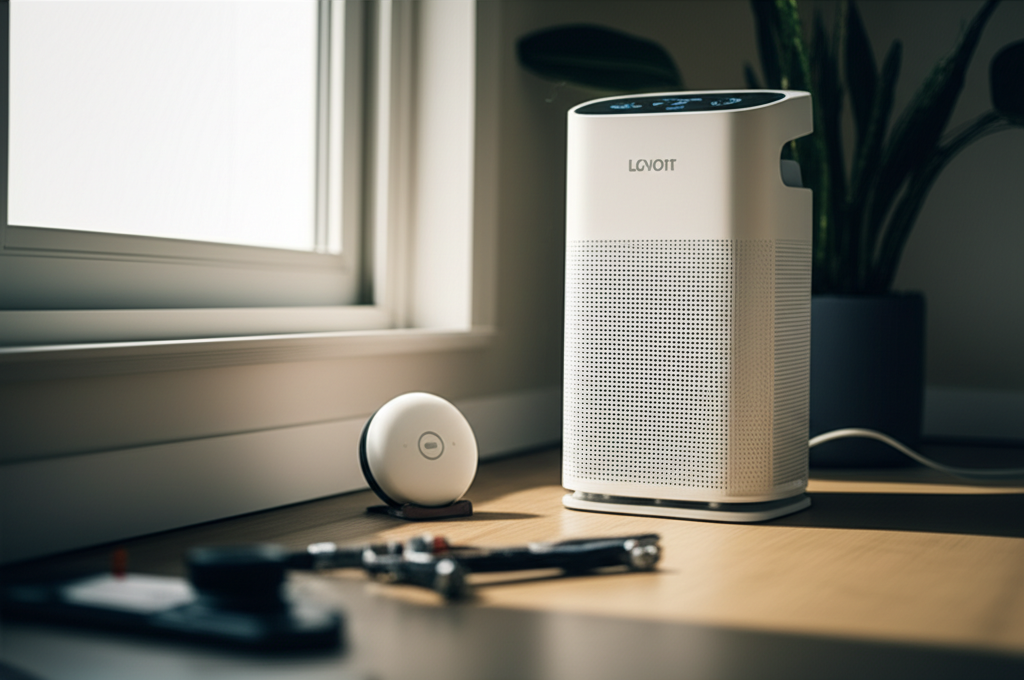
No, Levoit air purifiers do not filter or detect carbon monoxide. Their filters are designed for particles like dust and allergens, and gases like VOCs, but not for CO.
Can my Levoit air purifier alert me to CO?
No, your Levoit air purifier cannot alert you to carbon monoxide. It lacks the necessary sensors for CO detection.
What is the difference between an air purifier and a CO detector?
An air purifier cleans the air of particles and some gases. A CO detector specifically senses the presence of toxic carbon monoxide gas and sounds an alarm.
What should I do if I suspect a carbon monoxide leak?
If you suspect a CO leak, immediately evacuate your home and call 911 or your local emergency services. Do not re-enter until cleared by professionals.
How often should I test my CO detector?
You should test your carbon monoxide detectors monthly to ensure they are functioning correctly.
Are there air purifiers that can detect carbon monoxide?
While rare, some advanced smart air quality monitors or purifiers may include CO detection. Always check the product’s specifications to confirm this feature.
Conclusion: Prioritize Safety with Dedicated CO Detectors
In conclusion, while Levoit air purifiers are excellent at improving your home’s air quality by tackling dust, allergens, and odors, they cannot detect carbon monoxide. For vital protection against this silent killer, it is imperative to have dedicated, functioning carbon monoxide detectors installed throughout your home. Understanding the specific capabilities of your devices ensures you are taking the right steps to maintain a safe and healthy living environment for yourself and your family. Always prioritize specialized safety equipment for specialized threats.
