
Can I Use Steam Cleaner To Remove Grout Haze? Genius Solution!

Yes, you can use a steam cleaner to effectively remove grout haze, offering a powerful, chemical-free solution for sparkling clean tiles. This method utilizes hot steam to loosen and lift stubborn haze, making it an excellent alternative to harsh chemicals.
Few things are as frustrating as seeing a beautiful tiled floor or wall marred by a persistent grout haze. You’ve scrubbed, you’ve rinsed, but that cloudy film just won’t budge. It makes your tiles look dull and lifeless, no matter how clean they otherwise seem. Many people wonder if there’s a better way, a less strenuous and more effective method to tackle this common cleaning headache. This is where the power of steam comes in, offering a brilliant solution that’s both eco-friendly and highly efficient.
What Exactly Is Grout Haze?
Grout haze, also known as grout film or grout cloud, is that frustrating white, chalky residue left behind on tile surfaces after grouting or cleaning. It often appears when excess grout is wiped away too soon or when the grout hasn’t fully dried. Sometimes, cleaning products can also leave a similar residue if not rinsed thoroughly. This haze dulls the shine of your tiles and can make even a freshly cleaned area look dirty.
Understanding the cause helps in finding the right solution. Grout haze is essentially a thin layer of grout material, cement dust, or cleaning residue that adheres to the tile surface. It’s a common byproduct of tiling projects and can sometimes re-emerge even after you think you’ve cleaned it all up.
Can a Steam Cleaner Really Tackle Grout Haze?
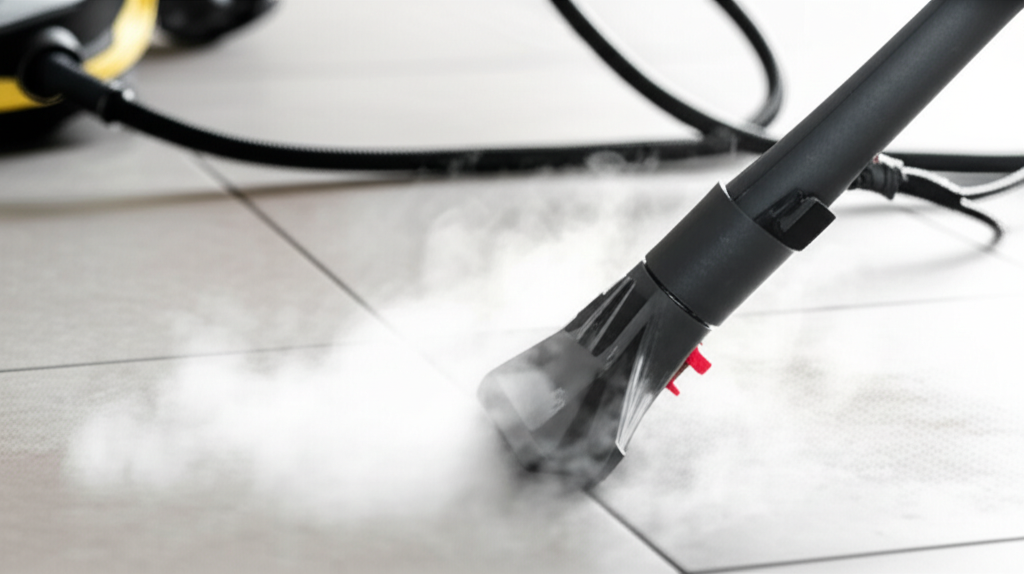
The short answer is a resounding yes! A steam cleaner can be a genius solution for removing grout haze. The high temperature and pressurized steam work to break down and loosen the bond between the haze and the tile surface. This makes it much easier to wipe away without extensive scrubbing.
Steam cleaners are designed to use hot water vapor to clean and sanitize. This process is incredibly effective on porous surfaces like grout, where haze tends to stick. It’s a powerful yet gentle method that avoids the need for harsh chemical cleaners.
How Steam Works Its Magic on Grout Haze
Steam cleaning relies on the power of heat and moisture. When hot steam hits the grout haze, it softens the residue, making it less adhesive. The pressure from the steam then helps to lift this softened haze from the grout lines and tile surface.
This process is similar to how hot water melts butter. The heat breaks down the bonds, and the steam’s force pushes it away. It’s a natural, effective way to clean without leaving behind chemical residues.
Choosing the Right Steam Cleaner for Grout
Not all steam cleaners are created equal, especially when tackling grout haze. For best results, you’ll want a steam cleaner that offers good pressure and has specialized attachments. A handheld steam cleaner or a steam mop with a grout brush attachment is often ideal for this task.
Look for features like adjustable steam levels and a variety of nozzles. A concentrated steam nozzle is particularly useful for targeting grout lines directly. The ability to control the steam output helps prevent water saturation, which is important for grout.
Here’s a quick look at common steam cleaner types:
| Steam Cleaner Type | Best For Grout Haze | Notes |
|—|—|—|
| Steam Mop | Yes, for floors | Great for large floor areas; ensure it has a handheld option or attachments for detail work. |
| Handheld Steam Cleaner | Excellent | Highly versatile for spot cleaning, grout lines, and smaller areas; often comes with detailed attachments. |
| Canister Steam Cleaner | Excellent | Powerful and versatile, with various attachments for all household cleaning needs, including detailed grout work. |
Step-by-Step Guide: Steam Cleaning Grout Haze
Using a steam cleaner for grout haze is straightforward. Here’s a step-by-step process to get your tiles looking their best:
1. Prepare the Area: Sweep or vacuum the floor to remove any loose dirt or debris. This prevents you from pushing dirt around with the steam.
2. Fill the Steam Cleaner: Add distilled water to your steam cleaner’s reservoir. Using distilled water prevents mineral buildup and prolongs the life of your appliance.
3. Attach the Right Nozzle: Select a nozzle that provides a concentrated stream of steam, ideally with a small brush attachment. A grout brush attachment is perfect for getting deep into the grout lines.
4. Heat Up: Allow the steam cleaner to heat up fully according to the manufacturer’s instructions. You want the steam to be hot and powerful.
5. Steam the Grout: Hold the steam nozzle a few inches away from the grout line. Apply steam directly to the haze for about 10-15 seconds. You should see the haze start to loosen.
6. Wipe Away: Immediately after steaming, use a clean microfiber cloth to wipe away the loosened haze. For stubborn spots, you might need to gently scrub with the brush attachment first.
7. Rinse (Optional but Recommended): Lightly mist the area with clean water and wipe down with a fresh microfiber cloth to remove any remaining residue. This ensures a truly clean finish.
8. Dry the Area: Allow the tiles and grout to air dry completely, or use a dry microfiber cloth. Proper drying prevents new haze from forming.
This methodical approach ensures you are effectively lifting and removing the haze, not just smearing it around. Patience and a systematic process yield the best results.
Tips for Maximum Effectiveness
To get the most out of your steam cleaner when battling grout haze, a few extra tips can make a big difference. Proper preparation and the right technique are key. Always ensure your steam cleaner is in good working order before you begin.
Work in Small Sections: Don’t try to steam the entire floor at once. Tackle small areas (e.g., 2×2 feet) at a time to ensure the steam can work effectively before it dissipates.
Use a Microfiber Cloth: Microfiber cloths are excellent for trapping residue and polishing surfaces. Have several on hand.
Consider a Grout Brush Attachment: These small, stiff brushes are designed to fit onto steam cleaner nozzles and are perfect for agitating grout lines. Many steam cleaners come with these as accessories.
Don’t Over-Saturate: While steam is water vapor, you don’t want to leave puddles of water on your floor. Control the steam flow and wipe away moisture as you go.
* Repeat if Necessary: For very old or stubborn grout haze, you might need to repeat the steaming and wiping process a second time.
These small adjustments can significantly improve the outcome of your grout haze cleaning efforts. They help ensure a cleaner, brighter finish.
When Steam Might Not Be Enough
While steam cleaning is a fantastic solution for most grout haze issues, there are times when it might not be the complete answer. Very old, deeply ingrained haze, or haze caused by specific types of sealers might require additional steps or different methods. It’s important to recognize the limitations.
If the haze is a result of a chemical reaction with a specific grout sealer, steam might not break it down effectively. In such cases, consulting the grout manufacturer or a professional might be necessary. Also, very aggressive scrubbing with a brush attachment could potentially damage older or softer grout.
Alternatives to Steam Cleaning for Grout Haze
If you don’t have a steam cleaner or if steam alone isn’t cutting it, there are other methods. Many homeowners turn to commercial grout cleaners, but these can be harsh. For a gentler approach, a paste of baking soda and water is a popular DIY solution.
Another effective option is a pH-neutral tile cleaner. Apply it to the grout, let it sit for a few minutes, then scrub with a grout brush and rinse thoroughly. Always test any cleaning solution on an inconspicuous area first.
Comparing Steam Cleaning to Chemical Cleaners
Steam cleaning offers significant advantages over traditional chemical cleaners for grout haze. The most notable benefit is the absence of harsh chemicals, making it safer for children, pets, and the environment. Chemical cleaners can leave behind toxic fumes and residues that can be harmful.
Chemical cleaners often require extensive rinsing to remove all traces, which can be time-consuming and still leave behind residue. Steam, on the other hand, uses only water and heat, and the residue is simply lifted away. This makes steam cleaning a more sustainable and healthier choice for your home. According to the U.S. Environmental Protection Agency, choosing greener cleaning methods reduces exposure to harmful substances.
Maintaining Grout to Prevent Future Haze
Preventing grout haze is often easier than removing it. Once your grout is clean, applying a good quality grout sealer is crucial. A sealer creates a barrier that repels stains and prevents moisture and dirt from penetrating the porous grout material.
Regular cleaning with a pH-neutral cleaner and a soft brush will also help. Avoid abrasive cleaners or excessive scrubbing, which can wear down the grout over time and make it more susceptible to haze. Consistent, gentle maintenance is the best defense. A properly sealed grout can significantly reduce the likelihood of grout haze forming.
Frequently Asked Questions About Steam Cleaning Grout Haze
Can I use a steam cleaner on colored grout?
Yes, you can use a steam cleaner on colored grout. The steam is just hot water vapor and is unlikely to cause discoloration. However, always test on an inconspicuous area first, especially with very dark or vibrant grout colors.
How long does it take to steam clean grout haze?
The time varies depending on the size of the area and the severity of the haze. For a small bathroom floor, it might take 30-60 minutes. For a larger kitchen, it could take a couple of hours.
Is steam cleaning safe for all types of tiles?
Steam cleaning is generally safe for most tile types, including ceramic, porcelain, and natural stone. However, avoid using it on unsealed grout or porous materials that could be damaged by excessive moisture. Always check your tile manufacturer’s recommendations.
Do I need to seal my grout after steam cleaning?
It’s highly recommended to seal your grout after cleaning, especially if it hasn’t been sealed before or if the previous sealer has worn off. Sealing protects the grout from future stains and makes cleaning easier.
Can steam cleaners remove mold from grout?
Yes, the high heat of steam cleaners is very effective at killing mold and mildew spores. It’s a chemical-free way to tackle mold issues in grout lines.
What’s the difference between steam cleaning and mopping?
Mopping typically uses hot water and detergent, which can leave residue and push dirt into grout lines. Steam cleaning uses only hot water vapor to lift dirt and sanitize surfaces without chemicals or excess moisture.
Conclusion: Steam Cleaner, Your Grout Haze Hero
For those struggling with stubborn grout haze, a steam cleaner emerges as a powerful, eco-friendly, and highly effective solution. By harnessing the natural cleaning power of hot steam, you can break down and lift that frustrating film without resorting to harsh chemicals. This method not only restores the shine to your tiles but also contributes to a healthier home environment. Remember to use the right attachments and work methodically for the best results. Investing in a quality steam cleaner can make tackling grout haze, and many other cleaning challenges, a breeze.
Consider subscribing to HomeHygia for more expert tips and appliance reviews to keep your home sparkling clean and healthy.
