
Can I Put Vicks in My Air Purifier? Genius Safety Guide

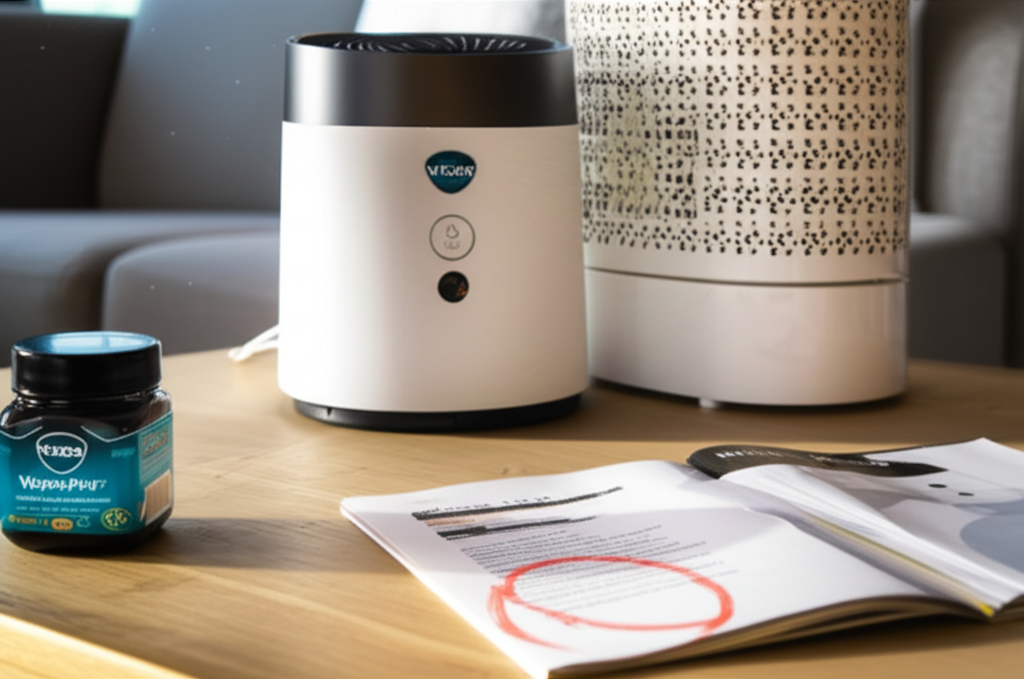
No, you should not put Vicks VapoRub or any similar mentholated rub into your air purifier. Doing so can damage the device, create health hazards, and negate the benefits of air purification.
Can I Put Vicks in My Air Purifier? A Genius Safety Guide
Many people seek natural ways to enhance their home’s air quality, especially during cold and flu season. This often leads to questions about using common household items, like Vicks VapoRub, with air purifiers. If you’re wondering, “Can I put Vicks in my air purifier?” the answer is a firm no. It’s a common misconception, but attempting this can lead to serious issues for both your appliance and your health. Let’s dive into why this seemingly simple solution is actually quite risky and explore safer alternatives.
Understanding Your Air Purifier’s Function
An air purifier is designed to remove airborne particles like dust, pollen, pet dander, and smoke from the air. It typically uses a multi-stage filtration system, often including a pre-filter, a HEPA filter, and an activated carbon filter. Each component plays a crucial role in capturing specific types of pollutants. Introducing substances not intended for these systems can clog filters, damage internal components, and even release harmful fumes when heated.
Why Vicks VapoRub is Not Compatible with Air Purifiers
Vicks VapoRub contains ingredients like camphor, menthol, and eucalyptus oil. These are volatile compounds that, when heated or dispersed, can create a strong aroma and a sensation of clearer airways. However, air purifiers are not designed to vaporize or disperse these oily substances. The oils in Vicks can coat and clog the delicate filters, particularly the HEPA and carbon filters, rendering them ineffective. This can also lead to a sticky residue on the purifier’s internal mechanisms.
The Risks of Putting Vicks in Your Air Purifier
Attempting to use Vicks in your air purifier can lead to several significant risks. The oily residue can degrade the filter materials, shortening their lifespan and requiring premature replacement. More alarmingly, the compounds in Vicks, when heated or aerosolized by the purifier, can be released into the air in a concentrated form. This can irritate the respiratory system, especially for children, the elderly, or individuals with asthma or other respiratory conditions. It can also leave a greasy film on surfaces in your home.
Impact on Air Purifier Filters
The primary filters in an air purifier, especially the HEPA and activated carbon filters, are highly susceptible to damage from oily substances. HEPA filters are designed to capture tiny solid particles, and their intricate structure can easily become blocked by oils. Activated carbon filters, crucial for absorbing odors and VOCs, can become saturated and lose their effectiveness when coated with Vicks. This damage is usually irreversible, meaning you’ll need to replace the filters, which can be an expensive necessity.
Potential Health Hazards and Respiratory Irritation
While Vicks is intended for topical application or inhalation through steam, its direct dispersal via an air purifier can be problematic. The menthol and camphor, when aerosolized in high concentrations, can be potent irritants to the lungs and nasal passages. This can exacerbate symptoms for individuals with pre-existing respiratory issues, leading to coughing, wheezing, and shortness of breath. It’s crucial to remember that what provides relief when used correctly can become harmful when misused.
Manufacturer Recommendations and Warranty Concerns
Most air purifier manufacturers explicitly advise against using any additives, essential oils, or scented products with their devices. Referencing your air purifier’s user manual is always the best first step. Introducing substances like Vicks VapoRub can void your warranty. If your purifier malfunctions due to such misuse, you will likely be responsible for all repair or replacement costs. Always adhere to the manufacturer’s guidelines to ensure your appliance functions correctly and remains covered.
Safer Alternatives for Home Fragrance and Respiratory Relief
Fortunately, there are many safe and effective ways to achieve a similar outcome without risking your air purifier or your health. For a pleasant aroma, consider using a dedicated diffuser with pure essential oils known for their respiratory benefits, such as eucalyptus or peppermint. Ensure the diffuser is designed for essential oils and follow its operating instructions carefully. You can also place a small amount of Vicks on a tissue near your bedside, or use it as intended topically, to benefit from its vapors without involving your air purifier.
How to Safely Use Vicks VapoRub for Congestion
Vicks VapoRub is formulated for specific applications to provide relief from cold symptoms. The most common and recommended method is to apply a small amount to your chest and throat. You can also add a teaspoon of Vicks to a bowl of hot water (not boiling) and inhale the steam cautiously, keeping your face at a safe distance. These methods allow you to enjoy the benefits of its ingredients without the risks associated with air purifiers. Always follow the product’s label instructions for safe usage.
Maintaining Your Air Purifier for Optimal Performance
To ensure your air purifier continues to function effectively, regular maintenance is key. This includes cleaning or replacing the pre-filter regularly, typically every 2-4 weeks, depending on your environment. Follow the manufacturer’s recommendations for HEPA and carbon filter replacement, usually every 6-12 months. Keeping the exterior of the unit clean and ensuring good airflow around it also contributes to its longevity and performance. A well-maintained air purifier provides cleaner air for your home.
Comparison: Vicks in Air Purifier vs. Safe Alternatives
| Method | Risk Level | Effectiveness for Air Purification | Benefit for Congestion | Potential Damage |
| :————————— | :——— | :——————————— | :——————— | :————— |
| Vicks in Air Purifier | High | Negative (clogs filters) | Questionable | High |
| Topical Application of Vicks | Low | N/A | High | Low |
| Steam Inhalation with Vicks | Low | N/A | High | Low |
| Essential Oil Diffuser | Low-Medium | Low (aroma only) | Moderate | Low |
| Regular Air Purifier Use | Low | High | None | Low |
This table highlights why using Vicks directly in an air purifier is a poor choice compared to established, safe methods for both air purification and symptom relief.
Can I Put Vicks in My Air Purifier? The Final Verdict
To reiterate, the answer to “Can I put Vicks in my air purifier?” is a definitive no. The oils and ingredients in Vicks VapoRub are not meant to be processed by an air purifier’s filtration system. Doing so can damage the device, void warranties, and potentially harm your respiratory health by releasing concentrated irritants. Stick to the intended uses of both Vicks and your air purifier for optimal results and safety in your home.
Frequently Asked Questions
Can I put essential oils in my air purifier?
No, it is generally not recommended to put essential oils directly into most air purifiers, as they can damage the filters and internal components. Use a dedicated essential oil diffuser instead.
Will Vicks damage my air purifier filter?
Yes, the oily components in Vicks VapoRub can clog and degrade the materials of HEPA and activated carbon filters, reducing their effectiveness and lifespan.
Is it safe to inhale Vicks vapor from an air purifier?
It is not considered safe. Air purifiers are not designed to disperse Vicks, and doing so can release concentrated, potentially irritating compounds into the air, which may be harmful to the respiratory system.
What is the proper way to use Vicks for a cold?
Vicks is best used by applying a thin layer to the chest and throat, or by inhaling steam from a bowl of hot water with a teaspoon of Vicks mixed in.
Can I put mentholatum in my air purifier?
Similar to Vicks, mentholatum contains oils and active ingredients that can damage air purifier filters and are not intended for dispersal by such devices.
What happens if I put Vicks in my air purifier?
If you put Vicks in your air purifier, you risk damaging the filters, potentially voiding the warranty, and creating an environment where concentrated irritants are dispersed, which could affect respiratory health.
Conclusion
In conclusion, while the desire to enhance your home’s air quality and find relief from congestion is understandable, putting Vicks in your air purifier is a detrimental practice. The question “Can I put Vicks in my air purifier?” should be answered with caution and a clear understanding of the risks involved. Always prioritize the manufacturer’s guidelines and opt for safe, proven methods for both air purification and symptom management. Your air purifier is a sophisticated appliance designed for specific functions, and respecting those boundaries ensures it continues to provide clean, healthy air for your home.


