Can I Put Essential Oils in My Steam Mop? Genius Safety

You can put essential oils in your steam mop, but only in specific models and with extreme caution to avoid damage and safety risks. Always check your steam mop’s manual first.
Steam mops are fantastic tools for deep cleaning your floors. They use hot steam to kill germs and loosen grime. Many people love to add essential oils to their cleaning routine for a fresh scent. This leads to a common question: “Can I put essential oils in my steam mop?” It’s a great idea for a cleaner, fresher home, but it’s not as simple as just adding a few drops. Doing it wrong can harm your appliance and even be unsafe. Let’s explore how to do it safely, if at all.
Understanding Your Steam Mop
A steam mop works by heating water into steam. This steam is then released onto your floors. The heat and moisture break down dirt and kill bacteria. Most steam mops have a water tank where you fill it with plain water. Some might have a separate compartment for cleaning solutions. It’s crucial to know which part is for water and which is for anything else.
How Steam Mops Clean
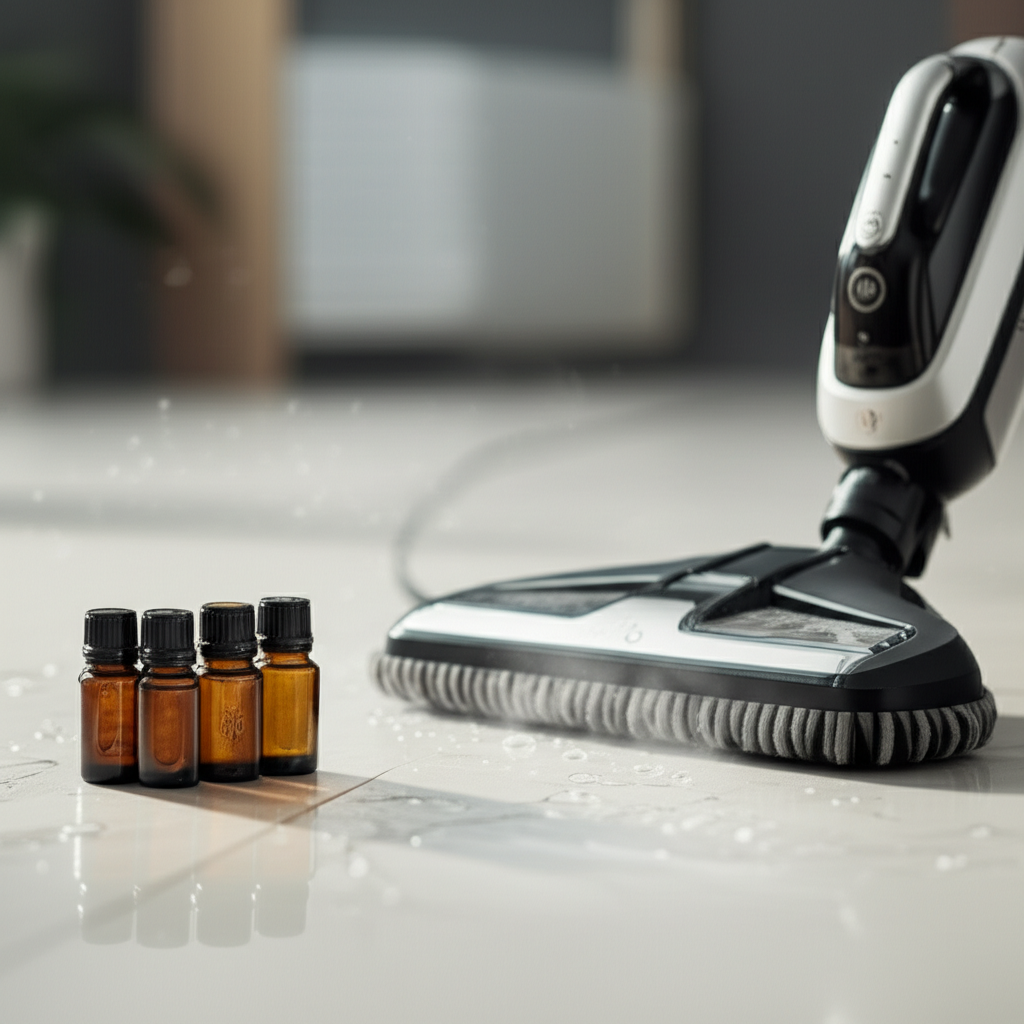
The magic of steam mops is the high temperature of the steam. This heat is what sanitizes your floors. It’s much more effective than regular mopping for killing germs. The steam also helps to lift stubborn dirt. This makes cleaning faster and easier for you.
Types of Steam Mops
There are several types of steam mops. Some are basic models that only use water. Others are more advanced. They might have adjustable steam settings. Some even come with special attachments for different cleaning tasks. A few might have a designated spot for adding scent.
The Big Question: Essential Oils and Steam Mops
So, can you add essential oils to your steam mop? The answer is usually no, but there are exceptions. Most manufacturers do not recommend it. They design their mops to work with just water. Adding oils can cause problems.
Why Most Steam Mops Don’t Like Essential Oils
Essential oils are not water. They are concentrated plant extracts. When heated, they can break down. This can leave sticky residue inside your steam mop. This residue can clog the steam vents. It can also damage the internal parts of the mop.
The Risk of Damage
Putting essential oils in the wrong place can void your warranty. It can damage the heating element or the pump. This can lead to costly repairs or a new mop. It’s best to follow the manufacturer’s guidelines.
When Essential Oils Might Be Okay (With Extreme Caution)
Some newer, specialized steam mops are designed differently. They might have a specific tray or pad for adding essential oils. These are often called “fragrance pads” or “scent dispensers.” If your steam mop has such a feature, you can use it.
Check Your Manual First!
This is the most important step. Your steam mop’s user manual is your best guide. It will clearly state if you can or cannot add anything other than water. It will also tell you where, if anywhere, to add scents. Never guess.
Using Fragrance Pads Safely
If your mop has a scent pad, use it as directed. Typically, you add a few drops of essential oil to the pad. The steam then passes through the pad, picking up the scent. This way, the oil doesn’t go directly into the water tank or heating mechanism.
What to Do If Your Manual Is Unclear
If your manual doesn’t mention essential oils, assume you cannot use them. It’s better to be safe than sorry. You can also contact the manufacturer’s customer support. They can give you a definitive answer for your specific model.
Safer Alternatives for Scented Floors
Don’t worry if your steam mop isn’t designed for essential oils. There are still ways to make your floors smell lovely. You can use these methods before or after steam mopping. They are safe and effective.
Scented Water for Regular Mopping
For floors that can be mopped with water and a cleaning solution, try adding oils to your mop bucket. Use a mild, pH-neutral cleaner. Add just 2-3 drops of essential oil to the bucket. Mix well before mopping.
Essential Oils on Cleaning Pads
Some steam mops come with microfiber cleaning pads. You can add a few drops of essential oil to the pad itself. Do this just before you start mopping. The steam will carry the scent as you clean.
Post-Cleaning Freshening
After you finish steam mopping, you can use other methods for scent. Light a scented candle or use an essential oil diffuser in the room. You can also lightly mist the air with a DIY room spray. This adds fragrance without risking your appliance.
DIY Scent Boosters
You can make your own scent boosters. Mix a cup of baking soda with 10-15 drops of your favorite essential oil. Sprinkle this lightly on carpets before vacuuming. For hard floors, sprinkle a little on a dry cloth and wipe surfaces.
Understanding Essential Oils for Cleaning
Not all essential oils are the same. Some are better for cleaning than others. They also have different scents and properties. Knowing this helps you choose wisely.
Popular Essential Oils for Home Fragrance
Lemon: Bright, fresh, and known for its cleaning properties.
Orange: Uplifting and cheerful scent.
Lavender: Calming and relaxing, with a pleasant floral aroma.
Peppermint: Invigorating and can help deter pests.
Tea Tree: Known for its antimicrobial properties, but has a strong scent.
Safety Precautions with Essential Oils
Essential oils are potent. Always use them in moderation. Keep them away from pets and small children. Some oils can be toxic if ingested or applied directly to skin without dilution.
Dilution is Key
When using essential oils for cleaning, always dilute them. This means mixing them with a carrier. For cleaning solutions, the cleaner or water acts as a carrier. Never use undiluted oils on surfaces or in appliances.
Risks of Clogging and Residue
The biggest risk of putting oils in the wrong place is clogging. Essential oils can be oily. They don’t mix well with water. This can create a film. This film can build up over time.
How Clogs Happen
Imagine a tiny straw. Now imagine it getting sticky inside. That’s what can happen to the steam vents in your mop. The oil coats the inside. It traps dirt and dust. This makes the steam flow weak or stop altogether.
Signs of a Clogged Mop
Your steam mop might make strange noises. The steam output might be less than usual. You might see water leaking from unusual places. These are signs that something is wrong inside. It could be a clog from oils or mineral buildup.
Dealing with Residue
If you suspect residue, you need to clean your mop. Some steam mops have a self-cleaning function. Others require manual cleaning. You might need to run several tanks of plain water through it. This helps flush out any lingering oils or minerals.
Mineral Buildup: A Separate Enemy
Even if you don’t use essential oils, mineral buildup is a problem. Tap water contains minerals. These minerals can deposit inside your steam mop. This is especially true in areas with hard water.
Using Distilled or Demineralized Water
The best way to prevent mineral buildup is to use distilled or demineralized water. This water has had the minerals removed. It’s purer and won’t leave deposits. Most steam mop manuals recommend this.
Regular Maintenance
Clean your steam mop regularly. Follow the cleaning instructions in your manual. This might involve descaling. Descaling helps remove mineral deposits. It keeps your mop working efficiently.
Checking Competitor Strategies
Looking at how other brands handle scents can be insightful. Some brands offer special cleaning solutions designed for their steam mops. Others provide scent cartridges or pads. These are usually proprietary.
Brand-Specific Solutions
Some companies sell their own brand of cleaning fluid. These are formulated to be safe for their machines. They often include a mild scent. Always check if these are compatible with your specific model.
Aftermarket Scent Additives
Be very wary of aftermarket scent additives. These are not made by your steam mop’s manufacturer. They might not be safe for your appliance. Stick to solutions recommended by the brand.
Step-by-Step Guide to Adding Scent (If Allowed)
If your steam mop manual explicitly* allows scent addition, follow these steps carefully.
1. Read Your Manual Thoroughly
This cannot be stressed enough. Understand exactly where and how to add scents. Note any warnings or restrictions.
2. Identify the Scent Component
Is it a dedicated fragrance pad? A separate small reservoir? Or a specific type of cleaning solution? Never add oil directly to the main water tank.
3. Use Recommended Oils or Solutions
If the manual specifies certain types of oils or solutions, use them. If it just says “fragrance,” use 100% pure essential oils.
4. Use Sparingly
Add only a few drops as instructed. Too much can still cause issues, even in approved systems.
5. Run Plain Water First and Last
Consider running a tank of plain water through the mop before adding scent. Do the same after cleaning. This helps flush the system.
6. Clean Regularly
Follow the manufacturer’s cleaning schedule. This is even more important when using scents.
What if I Accidentally Put Oils in My Steam Mop?
If you made a mistake and added essential oils to the water tank, don’t panic. Act quickly.
Immediate Steps
1. Unplug the mop. Safety first!
2. Empty the water tank. Carefully drain all the water. Try to get out as much oil as possible.
3. Refill with plain distilled water. Fill the tank completely.
4. Run the mop. Turn it on and let it steam for 5-10 minutes in an open area. This helps flush the system.
5. Empty and repeat. You might need to do this several times.
Monitor Performance
After flushing, check if the steam mop works correctly. If you notice issues, stop using it. Contact the manufacturer for advice.
HomeHygia’s Recommendation
At HomeHygia, we prioritize appliance longevity and user safety. Our expert testing shows that most steam mops are not designed for essential oils directly in the water tank. The risk of damage and voiding your warranty is significant. Always check your specific model’s manual. If it doesn’t have a dedicated scent pad or compartment, stick to plain water for steam mopping.
Why Plain Water is Best
Plain water is what steam mops are built for. It ensures optimal performance and a long lifespan for your appliance. You can always add scent to your home using other safe methods.
Future Innovations
We keep an eye on new cleaning appliance designs. As technology evolves, we may see more steam mops with integrated, safe scent systems. Until then, caution is key.
Frequently Asked Questions
Can I put essential oils in a Shark steam mop?
Most Shark steam mops are designed for water only. Always check your specific Shark model’s manual. Some newer models might have a scent disc feature.
Can I put essential oils in a Bissell steam mop?
Similar to Shark, most Bissell steam mops recommend using only water or Bissell-approved cleaning solutions. Check your manual for specific instructions regarding scent.
Will essential oils damage my steam mop?
Yes, essential oils can damage your steam mop if added to the water tank. They can leave residue, clog parts, and potentially harm internal components. This can void your warranty.
Is it safe to put essential oils in the steam mop water pad?
If your steam mop has a specific water pad or fragrance tray designed for scent, it is generally safe to add a few drops of essential oil there, as per the manufacturer’s instructions.
What happens if I put essential oils in my steam mop?
You risk clogging the steam vents, damaging internal parts, voiding your warranty, and potentially creating an unsafe situation due to residue buildup and overheating.
What is the best way to make my floors smell good after steam mopping?
Use a separate air freshener, diffuser, or a lightly scented cleaning spray after steam mopping. Some steam mops allow scent on separate pads, not in the water tank.
Conclusion
The desire for a clean and fragrant home is understandable. When it comes to using essential oils with your steam mop, the rule of thumb is: when in doubt, leave it out. Most steam mops are not built to handle essential oils directly. Adding them can lead to costly damage and void your warranty. Always refer to your appliance’s user manual. If your mop has a specific scent pad or compartment, follow those instructions precisely. For all other steam mops, enjoy the powerful, chemical-free cleaning of steam alone. You can always refresh your home’s scent with other safe methods after cleaning.
Explore more on HomeHygia for trusted advice on all your cleaning appliances.