Can An Air Purifier Help Asthma? Proven Relief!

Can An Air Purifier Help Asthma? Proven Relief!
Yes, an air purifier can significantly help asthma by removing airborne irritants like allergens, pollutants, and dust that trigger symptoms. This article explores the science behind it, how to choose the right purifier, and practical tips for effective asthma management.
Breathing freely is something many of us take for granted, but for millions living with asthma, it can be a daily challenge. Asthma symptoms, such as wheezing, coughing, and shortness of breath, are often triggered by invisible irritants in the air we breathe. This can be incredibly frustrating and even frightening. You might be wondering, “Can an air purifier help asthma?” The good news is, the answer is a resounding yes, and I’m here to guide you through the proven ways these devices offer relief. We’ll delve into how they work, what to look for, and how to integrate one into your asthma management plan for a clearer, healthier home environment.
The Link Between Indoor Air Quality and Asthma
Poor indoor air quality is a major contributor to asthma exacerbations. Our homes can trap allergens like dust mites, pet dander, pollen, and mold spores, as well as irritants like smoke and volatile organic compounds (VOCs). When these particles circulate in the air, they can inflame and narrow the airways, leading to asthma symptoms. Improving the air you breathe indoors is a cornerstone of effective asthma management.
How Air Purifiers Combat Asthma Triggers
Air purifiers work by drawing in air, passing it through a filtration system, and releasing cleaner air back into the room. The most effective purifiers for asthma use High-Efficiency Particulate Air (HEPA) filters, which are designed to capture at least 99.97% of airborne particles as small as 0.3 microns. This includes many common asthma triggers, making the air much easier to breathe.
The Science Behind HEPA Filters and Asthma Relief
HEPA filters are the gold standard for removing microscopic asthma triggers. They trap particles through a combination of impaction, interception, and diffusion. This physical trapping mechanism is highly effective against allergens like pollen, dust mite feces, and pet dander, all of which are known to provoke asthma attacks. By reducing the concentration of these allergens in your home, HEPA air purifiers can lead to fewer symptom flare-ups.
Choosing the Right Air Purifier for Asthma
Selecting the best air purifier for asthma involves considering several factors. Look for a unit with a true HEPA filter, as “HEPA-type” filters may not be as effective. Consider the size of the room you intend to use it in and choose a purifier with an appropriate Clean Air Delivery Rate (CADR) for that space. Additional features like activated carbon filters can also help remove odors and gases.
Key Features to Look For:
True HEPA Filter: Essential for capturing tiny allergens and irritants.
Activated Carbon Filter: Helps absorb odors, gases, and VOCs.
Appropriate CADR: Ensure it matches your room size for effective air cleaning.
Low Noise Level: Important for maintaining a peaceful environment, especially in bedrooms.
Energy Efficiency: Look for Energy Star certified models.
Beyond HEPA: The Role of Activated Carbon
While HEPA filters tackle particulate matter, activated carbon filters are crucial for addressing gaseous pollutants and odors that can also trigger asthma. These filters are made from porous charcoal that adsorbs harmful gases, chemicals, and VOCs released from cleaning products, paints, and furniture. A combination HEPA and activated carbon filter offers comprehensive air purification for asthmatics.
Where to Place Your Air Purifier for Maximum Benefit
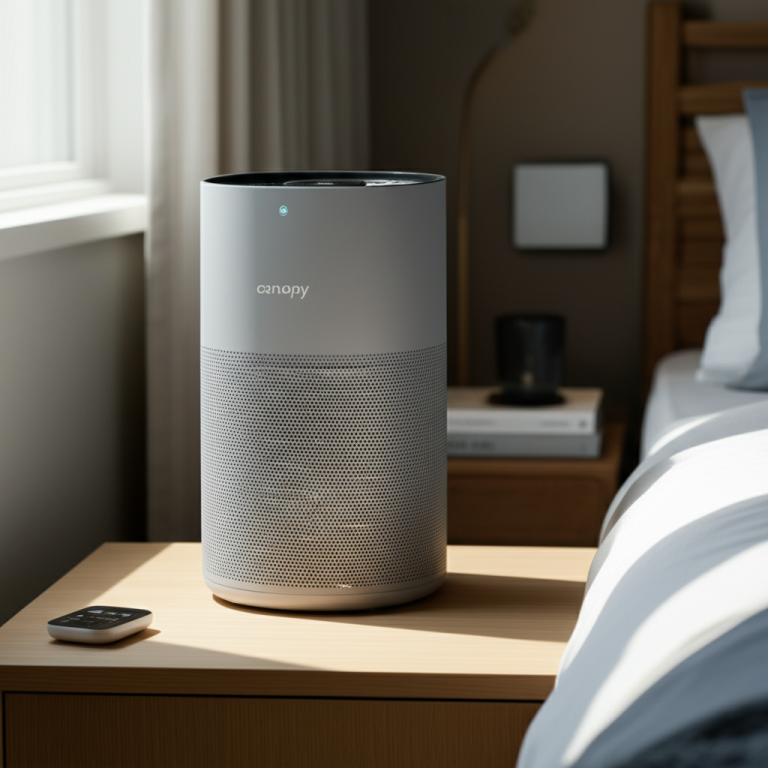
Strategic placement of your air purifier can significantly enhance its effectiveness in managing asthma. The most impactful location is often in the room where you spend the most time, particularly your bedroom, as sleep quality is crucial for asthma control. Ensure the unit is placed in an open area where air can circulate freely, avoiding corners or behind furniture that could obstruct airflow.
Optimal Placement Strategies:
Bedroom: For improved sleep and reduced nighttime symptoms.
Living Areas: To clean the air where you relax and spend your day.
Open Spaces: Avoid placing behind furniture or in tight corners.
Near the Source of Pollutants: If possible, position it closer to where triggers might originate.
Proven Relief: Testimonials and Scientific Backing
Numerous studies and anecdotal evidence support the benefits of air purifiers for asthma sufferers. Research published in journals like the Journal of Allergy and Clinical Immunology has shown that HEPA air filtration can reduce allergen levels in homes and improve asthma control. Many individuals report a noticeable decrease in symptoms, fewer asthma attacks, and an overall better quality of life after using an air purifier.
Integrating Air Purifiers into Your Asthma Management Plan
An air purifier is a powerful tool, but it’s most effective when used as part of a comprehensive asthma management plan. This plan should always be developed and monitored with your healthcare provider. Regular cleaning, avoiding known triggers, and using prescribed medications are vital components. The air purifier complements these efforts by actively improving the air you breathe.
Key aspects of an integrated asthma plan:
Consult Your Doctor: Always discuss new treatments with your physician.
Medication Adherence: Take your prescribed asthma medications as directed.
Trigger Avoidance: Identify and minimize exposure to your specific asthma triggers.
Regular Cleaning: Maintain a clean home to reduce dust and allergens.
Air Purifier Maintenance: Regularly clean or replace filters as recommended by the manufacturer.
Maintaining Your Air Purifier for Peak Performance
To ensure your air purifier continues to provide optimal relief from asthma triggers, regular maintenance is essential. This primarily involves cleaning and replacing the filters according to the manufacturer’s instructions. Clogged filters become less effective and can even recirculate trapped particles, negating the purifier’s benefits.
Maintenance Checklist:
Pre-filters: Many units have washable pre-filters that should be cleaned weekly or bi-weekly.
HEPA Filters: These are typically not washable and need replacement every 6-12 months, depending on usage and air quality.
Activated Carbon Filters: Often replaced along with HEPA filters, or sooner if odors persist.
Unit Exterior: Wipe down the exterior regularly to keep it clean.
Are There Any Downsides to Using Air Purifiers for Asthma?
While air purifiers offer significant benefits, it’s important to be aware of potential considerations. Some purifiers can produce ozone, a lung irritant that can worsen asthma. Therefore, it’s crucial to choose ozone-free models, especially those certified by organizations like the California Air Resources Board (CARB). The cost of the unit and replacement filters can also be a factor.
Frequently Asked Questions
What size air purifier do I need for my bedroom?
For a standard bedroom (e.g., 10×12 feet), a purifier with a CADR of at least 100-150 cfm (cubic feet per minute) is generally recommended. Always check the manufacturer’s recommended room coverage.
How often should I run my air purifier?
For maximum benefit, it’s advisable to run your air purifier continuously, especially in rooms where you spend significant time. This ensures a constant reduction of airborne irritants.
Can an air purifier completely eliminate asthma symptoms?
No, an air purifier is a management tool, not a cure. It significantly helps by reducing triggers, but it should be used alongside prescribed medications and other doctor-recommended strategies.
What is the difference between a HEPA filter and a HEPA-type filter?
A true HEPA filter is certified to capture 99.97% of particles 0.3 microns in size. A “HEPA-type” or “HEPA-like” filter may capture some particles but does not meet the same rigorous standards. Always opt for “true HEPA.”
Should I get an air purifier with an ionizer?
Be cautious with ionizers, as some can produce ozone, which is an asthma irritant. If you choose a unit with an ionizer, ensure it’s CARB-certified and ozone-free.
How do I know if my air purifier is working effectively for my asthma?
You might notice a reduction in your asthma symptoms, such as less coughing, wheezing, or shortness of breath. Keeping a symptom diary can help track improvements over time.
Conclusion: A Breath of Fresh Air for Asthma Sufferers
So, to answer the crucial question, “Can an air purifier help asthma?” the evidence is clear: yes, it absolutely can. By effectively removing airborne allergens and irritants that trigger asthma symptoms, a well-chosen and properly maintained air purifier can be an invaluable addition to your asthma management toolkit. I’ve found that incorporating a true HEPA air purifier into my home has made a tangible difference in my breathing and overall well-being, allowing for clearer air and a greater sense of control over my condition. Remember to consult with your doctor to integrate this and other strategies for the best possible asthma relief.