
Can An Air Purifier Get Rid Of Bad Smells? Proven Solution

Yes, an air purifier can effectively get rid of bad smells by capturing odor-causing particles and neutralizing them with specialized filters, particularly activated carbon. Choosing the right purifier with the right filter type is crucial for tackling persistent odors.
Are you tired of lingering pet odors, cooking smells, or musty basement scents that just won’t disappear? It’s a common frustration, leaving your home feeling less than fresh. You might be wondering if your air purifier, designed to clean the air, can actually tackle these persistent smells. The good news is, with the right approach, it absolutely can. Let’s dive into how air purifiers work to eliminate bad smells and what you need to know to achieve a truly fresh-smelling home.
How Air Purifiers Tackle Odors
Air purifiers combat bad smells primarily through their filtration systems. Different filters target different airborne pollutants, and some are specifically designed to neutralize odor molecules. Understanding these mechanisms is key to choosing the right solution for your specific smell problem.
The Role of Activated Carbon Filters
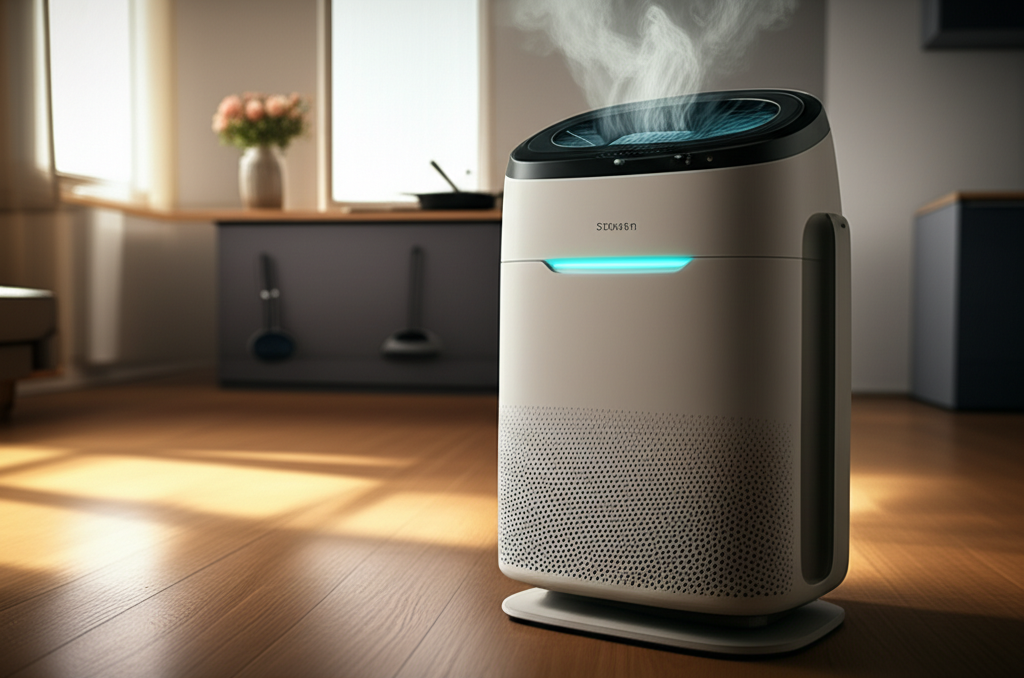
Activated carbon is the superhero for odor removal in air purifiers. This porous material has an enormous surface area, allowing it to adsorb, or trap, odor molecules from the air. As air passes through the carbon filter, smelly compounds like volatile organic compounds (VOCs) and other odor-causing particles are captured.
The effectiveness of an activated carbon filter depends on its quantity and quality. A thicker, denser carbon filter, often measured by weight or the amount of carbon used, will generally be more effective and last longer than a thinner, less substantial one. This is why some air purifiers are better at odor elimination than others.
HEPA Filters and Their Indirect Impact on Smells
While HEPA (High-Efficiency Particulate Air) filters are renowned for capturing tiny particles like dust, pollen, and pet dander, they don’t directly neutralize odor molecules. However, by removing the source of many smells – like pet dander, mold spores, or bacteria – HEPA filters play an indirect but vital role in maintaining a fresh-smelling environment. They prevent these particles from growing and producing further odors.
Think of it like cleaning a dirty room. While a HEPA filter cleans up the visible dust (the particles), it’s the activated carbon that tackles the invisible smells emanating from that dust or other sources. A good air purifier often combines both for comprehensive air cleaning.
Pre-filters: The First Line of Defense
Most air purifiers include a pre-filter, which is the first layer of defense. This filter typically captures larger particles such as hair, lint, and larger dust bunnies. By trapping these bigger items, the pre-filter protects the more delicate HEPA and activated carbon filters, extending their lifespan and efficiency.
A clean pre-filter ensures that the main filters can focus on the smaller, odor-causing particles. Regularly cleaning or replacing the pre-filter is a simple yet crucial step in maintaining your air purifier’s overall performance, especially when dealing with strong or persistent smells.
Choosing the Right Air Purifier for Odor Control
Not all air purifiers are created equal when it comes to tackling bad smells. The key lies in selecting a unit with robust odor-filtering capabilities, typically featuring a substantial activated carbon filter. Consider the type and intensity of the smells you’re dealing with to make the best choice.
The Importance of Activated Carbon Amount
When shopping for an air purifier to combat odors, pay close attention to the activated carbon filter. Look for specifications that mention the amount of carbon used, often in pounds or kilograms. A higher amount generally means better and longer-lasting odor absorption. Some manufacturers even specify the type of carbon, such as coconut shell carbon, known for its superior adsorption properties.
For example, a purifier with a few ounces of carbon might struggle with strong pet odors, while one with several pounds of activated carbon will likely perform significantly better. This is a critical factor for effective odor elimination.
Multi-Stage Filtration Systems
The most effective air purifiers for odors utilize multi-stage filtration. This typically includes a pre-filter, a HEPA filter, and a substantial activated carbon filter. Some advanced models may also incorporate additional technologies like UV-C light or ionizers, though their primary role is usually not odor neutralization but rather germ or particle reduction.
A comprehensive filtration system ensures that all types of airborne pollutants, including those causing odors, are captured and neutralized. This layered approach provides the most thorough air purification and odor removal. Brands like Coway air purifiers are often recognized for their effective multi-stage filtration, including robust carbon filters.
Coverage Area and CADR Ratings
Ensure the air purifier you choose is appropriately sized for the room you intend to use it in. Check the Clean Air Delivery Rate (CADR) for smoke, dust, and pollen, which indicates how quickly the unit can filter these particles. While CADR doesn’t directly measure odor removal, a higher CADR generally suggests a more powerful fan and better overall air circulation, which aids in moving air through the filters more effectively.
Matching the purifier’s capacity to your room size is essential for optimal performance. An undersized unit will struggle to circulate enough air to make a noticeable difference in odor levels. For larger spaces or particularly stubborn smells, you might need a higher CADR rated unit or consider multiple purifiers.
Common Smells Air Purifiers Can Eliminate
Air purifiers, especially those equipped with effective activated carbon filters, can tackle a wide range of common household odors. From cooking and pet-related smells to musty or smoky scents, these devices offer a proactive solution to keep your living spaces fresh and inviting.
Pet Odors
Pet owners often struggle with lingering smells from their furry companions. Air purifiers with ample activated carbon can effectively trap odor-causing compounds found in pet dander, urine, and general pet body odors. A good purifier can significantly reduce these unpleasant smells, making your home more comfortable.
Regularly cleaning pet areas and grooming your pets can further enhance the air purifier’s effectiveness. This two-pronged approach ensures a cleaner environment and fresher air. Many users find that air purifiers are indispensable for maintaining a smell-free home when pets are present.
Cooking Smells
The aroma of delicious cooking can sometimes linger long after the meal is over. Grease particles, food vapors, and burnt-off residues can all contribute to persistent kitchen odors. An air purifier placed in or near the kitchen can capture these airborne scent molecules, preventing them from spreading throughout the house.
Using the air purifier during and after cooking can make a significant difference. For particularly strong cooking smells, such as frying or strong spices, running the purifier on a higher setting can expedite the odor removal process. This helps maintain a pleasant atmosphere in your home.
Smoke and Musty Smells
Smoke, whether from cigarettes, fireplaces, or even burnt toast, contains potent odor molecules that can embed themselves in fabrics and surfaces. Similarly, musty smells often indicate the presence of mold or mildew, which also emit odor-causing spores. Air purifiers with activated carbon are excellent at adsorbing these types of smells.
For smoke odors, a high-quality, thick carbon filter is essential. For musty smells, it’s also important to address the source of moisture or mold. While the purifier can remove the smell, fixing the underlying issue is crucial for long-term air quality. You can learn more about managing indoor air quality at the U.S. Environmental Protection Agency (EPA).
Other Household Odors
Beyond the common culprits, air purifiers can also help with a variety of other household smells. This includes odors from garbage, gym clothes, VOCs off-gassed from new furniture or cleaning products, and general stale air. The activated carbon filter works by trapping the chemical compounds responsible for these various unpleasant scents.
By continuously circulating and filtering the air, an air purifier helps to prevent these odors from becoming overwhelming. This creates a more consistently fresh and pleasant living environment. The ability to tackle such a broad spectrum of smells makes air purifiers a valuable addition to any home.
Factors Affecting Performance
While air purifiers are effective, their performance in eliminating odors can be influenced by several factors. Understanding these can help you optimize your purifier’s use and manage your expectations for the best results.
Filter Lifespan and Replacement
Activated carbon filters have a finite lifespan. As they trap odor molecules, they eventually become saturated and lose their effectiveness. The frequency of filter replacement depends on the amount of activated carbon in the unit and the intensity of the odors it’s filtering.
Most manufacturers provide guidelines for filter replacement, typically ranging from 6 to 12 months. Neglecting to replace filters can lead to a decrease in odor removal performance and can even cause the purifier to start emitting odors itself as trapped particles break down. Regularly checking and replacing filters is paramount for sustained odor control.
Air Circulation and Room Size
For an air purifier to effectively remove odors, it needs to be able to circulate the air in the room multiple times per hour. This ensures that all the air passes through the filtration system. An undersized unit or one placed in a poorly ventilated area will struggle to achieve optimal odor removal.
Ensuring the air purifier is rated for the size of your room and placing it in a central location where it can draw in air from all directions will maximize its effectiveness. Avoid placing it in corners or behind furniture where airflow is restricted.
Source of the Odor
An air purifier is a powerful tool for managing existing odors, but it’s not a magic wand that eliminates the source. For persistent smells, such as those from mold, mildew, or uncleaned pet accidents, addressing the root cause is essential for complete odor elimination. The air purifier can then work to remove any residual airborne scent particles.
For example, if you have a musty smell, you’ll need to find and eliminate the source of moisture causing the mold or mildew. Similarly, cleaning up pet messes thoroughly will prevent them from continuing to emit odors. The air purifier then complements these cleaning efforts.
Maintenance for Optimal Odor Removal
Regular maintenance is key to ensuring your air purifier continues to effectively tackle bad smells. Neglecting simple upkeep can significantly reduce its performance and longevity. Here’s what you need to do to keep your unit working at its best.
Regularly Clean the Pre-filter
The pre-filter is designed to catch larger particles and is often washable or vacuum-friendly. Cleaning it every 2-4 weeks, depending on your environment, prevents it from becoming clogged. A clean pre-filter ensures maximum airflow to the other filters, allowing them to work more efficiently.
This simple maintenance task extends the life of your HEPA and carbon filters, saving you money in the long run. It also ensures that your air purifier isn’t working harder than it needs to, which can improve energy efficiency.
Timely Filter Replacement
As mentioned, activated carbon filters will eventually become saturated, and HEPA filters can become clogged with fine particles. Adhering to the manufacturer’s recommended replacement schedule is crucial for maintaining odor-fighting capabilities. Most units will have indicators to remind you when it’s time to replace filters.
Using genuine replacement filters from the manufacturer is generally recommended to ensure the best fit and performance. Using third-party filters can sometimes compromise the unit’s effectiveness and even void warranties. When selecting replacement filters, prioritize those with a substantial amount of activated carbon for odor control.
Keep the Unit Clean
Wipe down the exterior of your air purifier regularly with a damp cloth to prevent dust buildup. Ensure the air intake and outlet vents are clear of obstructions. A clean unit operates more efficiently and looks better in your home.
Periodically check that the fan is running smoothly and that there are no unusual noises. Proper care and cleaning ensure that your air purifier continues to provide clean, fresh air and effectively combat unwanted odors for years to come.
Can an Air Purifier Get Rid of ALL Bad Smells?
While air purifiers are highly effective at removing many common household odors, it’s important to have realistic expectations. They work by capturing and neutralizing odor-causing particles from the air, but they cannot eliminate smells that are deeply embedded in surfaces or that stem from a persistent, unaddressed source.
For instance, if there’s a significant mold problem behind a wall or a strong chemical spill that hasn’t been cleaned up, an air purifier can only offer temporary relief by filtering the airborne particles. Addressing the source of the odor is always the most effective long-term solution. However, for general, everyday smells, a good air purifier is an excellent tool.
When an Air Purifier Might Struggle
Air purifiers can struggle with extremely intense or pervasive odors that overwhelm the filter capacity quickly. They also have limitations with very large spaces if the unit isn’t properly sized. Additionally, if the source of the smell is continuously producing odor molecules at a high rate, the purifier may only be able to reduce the smell rather than eliminate it entirely.
In cases of severe odor issues, such as heavy smoke damage after a fire or persistent strong chemical fumes, professional remediation might be necessary alongside or instead of an air purifier. However, for typical household odors, a well-chosen and maintained air purifier is usually sufficient.
Frequently Asked Questions (FAQ)
Can air purifiers remove cigarette smoke smell?
Yes, air purifiers with substantial activated carbon filters are very effective at removing cigarette smoke odors. The carbon adsorbs the volatile compounds that cause the smell.
How quickly can an air purifier get rid of smells?
The time it takes depends on the intensity of the smell, the size of the room, and the power of the air purifier. You may notice a difference within hours, but complete elimination of strong odors can take a day or two of continuous operation.
Do I need a special air purifier for pet odors?
Not necessarily special, but one with a large, high-quality activated carbon filter is crucial. Look for models specifically mentioning pet odor control, as they often have more robust carbon filtration.
Will an air purifier remove the smell of paint or new furniture?
Yes, air purifiers with activated carbon filters are designed to capture VOCs (Volatile Organic Compounds), which are often responsible for the “new” smell from paint, carpets, and furniture.
How often should I replace the carbon filter?
This varies by manufacturer and usage, but typically, activated carbon filters should be replaced every 6-12 months. Check your purifier’s manual for specific recommendations.
Can air purifiers remove cooking smells from the kitchen?
Absolutely. Placing an air purifier in or near the kitchen and running it during and after cooking can significantly reduce lingering food odors and grease particles.
Conclusion
So, can an air purifier get rid of bad smells? The definitive answer is yes, especially when equipped with a robust activated carbon filter. By understanding how these filters work and choosing a unit appropriate for your needs, you can effectively combat a wide range of household odors, from pet smells and cooking fumes to smoke and mustiness. Remember that regular maintenance, including timely filter replacement and pre-filter cleaning, is key to sustained performance. While air purifiers are incredibly helpful, always address the source of persistent or severe odors for a truly fresh and healthy home environment. Investing in a quality air purifier is a proven solution for a more pleasant living space.
