
Can an Air Purifier Get Rid of Asbestos? Proven Safety

An air purifier cannot effectively remove asbestos fibers from your home. While some purifiers with HEPA filters can capture airborne particles, asbestos is a serious health hazard, and specialized professional abatement is the only safe solution.
Can an Air Purifier Get Rid of Asbestos? Proven Safety
Discovering potential asbestos in your home can be concerning. You might wonder about quick solutions, like using an air purifier. This guide will explore whether an air purifier can truly tackle asbestos and what the safest, most effective methods are for dealing with this hazardous material. We’ll break down the science and offer clear advice to protect your family’s health.
Understanding Asbestos and Its Dangers
Asbestos is a naturally occurring mineral that was widely used in building materials for its heat and fire resistance. When asbestos-containing materials (ACMs) are disturbed, microscopic fibers are released into the air. These fibers are incredibly small and can remain suspended in the air for a long time, posing a significant health risk.
Why Asbestos is a Serious Concern
Inhaling asbestos fibers can lead to severe respiratory diseases, including asbestosis, lung cancer, and mesothelioma. These conditions often have long latency periods, meaning symptoms may not appear for decades after exposure. The danger lies in the microscopic size and durability of asbestos fibers, which cannot be easily seen or removed.
How Air Purifiers Work
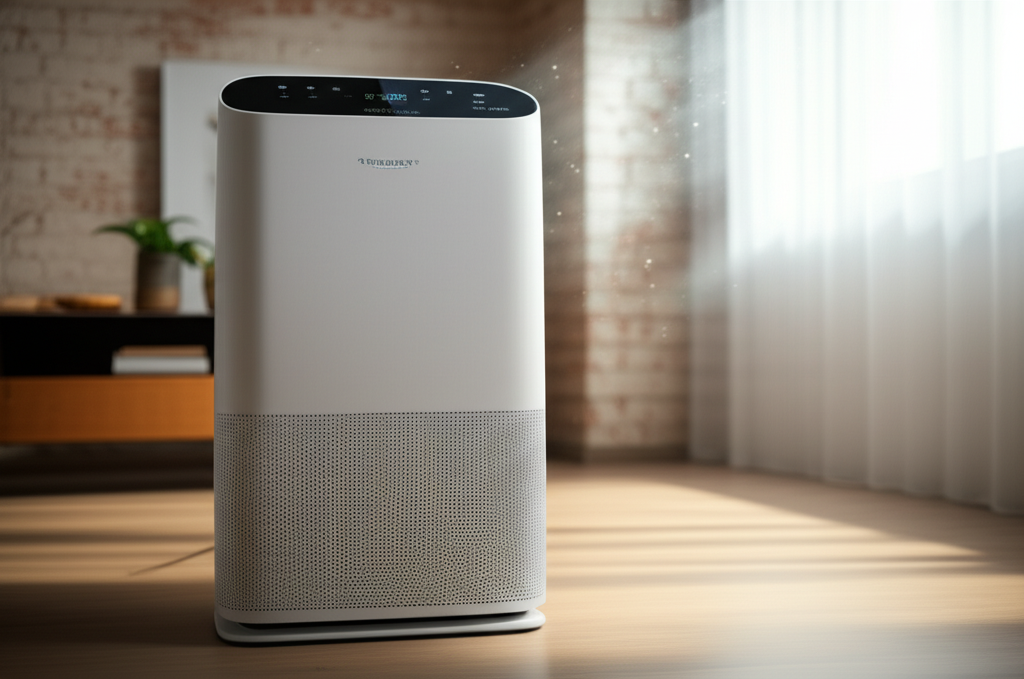
Air purifiers are designed to improve indoor air quality by filtering out airborne contaminants. Most modern air purifiers use a multi-stage filtration system, often including a pre-filter, an activated carbon filter, and a High-Efficiency Particulate Air (HEPA) filter. These filters capture various particles like dust, pollen, pet dander, mold spores, and volatile organic compounds (VOCs).
The Role of HEPA Filters
HEPA filters are crucial in air purification technology. They are designed to trap at least 99.97% of airborne particles that are 0.3 microns in size. This efficiency is vital for removing allergens and fine dust. However, the effectiveness against specific hazardous materials like asbestos requires closer examination.
Can an Air Purifier Get Rid of Asbestos? The Verdict
The straightforward answer is no, an air purifier cannot effectively get rid of asbestos from your home. While a HEPA filter can capture some airborne asbestos fibers, it is not a solution for asbestos contamination. Asbestos abatement requires specialized techniques and equipment to safely remove or encapsulate the material.
Why Air Purifiers Fall Short for Asbestos
Asbestos fibers are not just airborne particles; they are embedded within building materials. Even if an air purifier captures some loose fibers, it does not address the source of the asbestos. Furthermore, the sheer quantity and nature of asbestos exposure often exceed the capacity of typical residential air purifiers.
The Science Behind Asbestos Filtration
Asbestos fibers vary in size, but many are smaller than 0.3 microns, the benchmark for HEPA filters. While a HEPA filter might capture some of these smaller fibers, it’s not guaranteed to capture all of them. More importantly, air purifiers do not remove asbestos from surfaces or materials.
Particle Size vs. Asbestos Fiber Size
While HEPA filters are highly efficient for common airborne pollutants, asbestos fibers can be as small as 0.01 microns. This means that while some fibers might be captured, a significant portion could still pass through. Relying solely on an air purifier for asbestos risks a false sense of security.
Professional Asbestos Abatement: The Proven Solution
When asbestos is suspected or confirmed, professional asbestos abatement is the only safe and proven method for removal or management. Certified asbestos abatement professionals have the training, specialized equipment, and safety protocols necessary to handle this hazardous material without spreading it further. They understand how to safely contain, remove, and dispose of asbestos.
When to Call the Professionals
If your home was built before 1980, there’s a higher chance it contains asbestos-containing materials. If these materials are in good condition and undisturbed, they may not pose an immediate risk. However, if they are damaged, crumbling, or scheduled for renovation or demolition, it’s crucial to have them inspected and handled by certified professionals.
What Professional Asbestos Abatement Involves
Professional asbestos abatement typically involves several steps. First, an inspection and testing by a certified professional will confirm the presence and type of asbestos. If removal is necessary, the area is sealed off, and specialized negative air pressure machines are used to prevent fiber spread.
Containment and Removal Process
During abatement, workers wear protective gear and use specialized vacuums with HEPA filters. The asbestos-containing materials are carefully removed, wetted to minimize dust, and then sealed in special bags for disposal at licensed landfills. The area is then thoroughly cleaned and tested to ensure it is safe.
Air Purifiers and Asbestos: A Complementary Role, Not a Replacement
While an air purifier cannot remove asbestos, it can play a complementary role after professional abatement has been completed. Once the hazardous materials have been safely removed and the area has undergone thorough cleaning, a high-quality air purifier with a HEPA filter can help capture any remaining microscopic airborne particles. This can contribute to restoring optimal air quality in the treated space.
Using Air Purifiers Post-Abatement
After professional asbestos removal, running an air purifier with a HEPA filter for an extended period can help ensure that any residual microscopic fibers are captured. This step is part of the final air quality assurance after the primary hazard has been dealt with by experts. Always ensure the air purifier has a certified HEPA filter.
Testing Your Home for Asbestos
If you suspect asbestos, the first step is always professional testing. Certified asbestos inspectors will take samples of suspect materials and send them to an accredited laboratory for analysis. This testing is essential to confirm the presence of asbestos and determine the best course of action.
The Importance of Certified Testing
DIY asbestos testing is not recommended. Improper sampling can release fibers into the air, increasing exposure risk. Certified professionals know how to safely collect samples and have access to accredited labs, ensuring accurate and reliable results. Organizations like the Environmental Protection Agency (EPA) provide guidance on finding certified professionals.
What About Asbestos Encapsulation?
Encapsulation is another method of managing asbestos, where a sealant is applied to bind the fibers together and prevent their release. This method is often used when asbestos materials are in good condition and are not likely to be disturbed. It’s a less invasive approach than removal but still requires professional application.
Encapsulation vs. Removal
The choice between encapsulation and removal depends on the condition of the asbestos-containing material, its location, and the planned use of the space. Professionals will assess these factors to recommend the most appropriate and safest strategy for your home. Both methods aim to prevent fiber release.
Frequently Asked Questions About Air Purifiers and Asbestos
Q1: Can I use my existing air purifier to clean up asbestos dust?
A1: No, you should not rely on a standard air purifier to clean up asbestos dust. Asbestos abatement requires specialized professional services and equipment. Using an unqualified appliance can potentially spread the hazardous fibers further.
Q2: Will a HEPA filter in an air purifier trap asbestos fibers?
A2: A HEPA filter can trap some asbestos fibers, as it captures 99.97% of particles 0.3 microns in size. However, asbestos fibers can be smaller than this, and an air purifier does not address the source of the contamination. It is not a substitute for professional removal.
Q3: What is the best way to remove asbestos from my home?
A3: The only proven safe way to remove asbestos is through professional asbestos abatement by certified experts. They have the training, equipment, and safety protocols to handle this hazardous material correctly.
Q4: How do I know if my home has asbestos?
A4: If your home was built before 1980, it may contain asbestos. Suspect materials should be tested by a certified asbestos inspector. Do not attempt to sample materials yourself, as this can be dangerous.
Q5: Are air purifiers useless if I have asbestos?
A5: Air purifiers are not useful for removing asbestos from materials or surfaces. However, after professional asbestos abatement and thorough cleaning, a HEPA-equipped air purifier can help capture any remaining microscopic airborne particles to improve air quality.
Q6: Is it safe to be in a room with an air purifier if asbestos is present?
A6: While an air purifier might capture some fibers, it is not safe to rely on it to protect you from asbestos. If asbestos is present and disturbed, the air quality can be significantly compromised, and exposure should be avoided until professional abatement is completed.
Conclusion: Prioritize Professional Safety for Asbestos
In summary, can an air purifier get rid of asbestos? The answer remains a firm no. While air purifiers with HEPA filters are excellent for improving general indoor air quality by capturing common allergens and pollutants, they are not equipped to handle the serious hazard of asbestos. Asbestos fibers require specialized removal techniques and professional expertise to ensure your home and family are safe. If you suspect asbestos in your home, always consult certified professionals for testing and abatement. Your health and safety are paramount, and professional intervention is the only proven method for dealing with asbestos.
