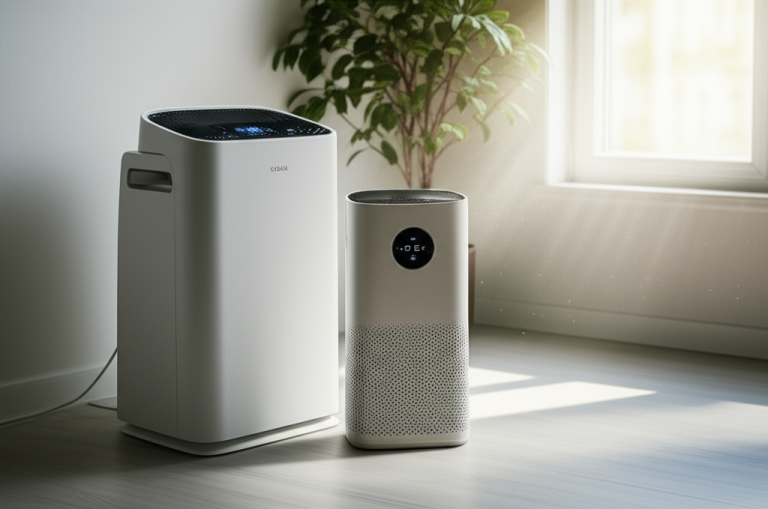
Can Air Purifier Purify Cigarette Smoke: Proven Solution

Yes, a high-quality air purifier can significantly purify cigarette smoke, effectively removing its odor and harmful particles. Choosing the right purifier with a robust filtration system, particularly activated carbon and HEPA filters, is crucial for this proven solution.
The lingering smell and hazardous particles from cigarette smoke can be a real nuisance, impacting both the air quality and your well-being. Many people wonder if an air purifier can truly tackle this persistent problem. Fortunately, the answer is a resounding yes, provided you understand the science behind it and select the right device. I’m here to guide you through how air purifiers work to combat smoke and what to look for to ensure you get the best results.
Can Air Purifier Purify Cigarette Smoke Effectively?
Yes, an air purifier can effectively purify cigarette smoke by capturing particulate matter and neutralizing odors. Modern air purifiers with multi-stage filtration, including HEPA and activated carbon, are designed to tackle the complex composition of smoke. This makes them a proven solution for improving air quality in spaces where smoking occurs.
The effectiveness of an air purifier in dealing with cigarette smoke hinges on its ability to capture both the visible smoke particles and the invisible, odor-causing gases. Cigarette smoke is a complex mixture of over 7,000 chemicals, many of which are harmful. A properly equipped air purifier can make a significant difference in clearing the air.
Understanding Cigarette Smoke and Its Components
Cigarette smoke isn’t just visible haze; it’s a cocktail of harmful substances. It contains fine particulate matter (PM2.5), volatile organic compounds (VOCs), nitrogen oxides, carbon monoxide, and numerous other irritants. These components contribute to the distinct smell and the health risks associated with secondhand smoke.
The fine particles are small enough to penetrate deep into your lungs, causing respiratory issues. The gases, on the other hand, are responsible for the pervasive odor and can trigger allergies and asthma symptoms. Effectively removing these requires a sophisticated filtration process.
How Air Purifiers Combat Cigarette Smoke
Air purifiers work by drawing in the polluted air, passing it through a series of filters, and releasing cleaner air back into the room. For cigarette smoke, the key is the type of filters employed and the purifier’s ability to circulate air efficiently. This multi-pronged approach targets both particles and gases.
The process essentially traps the airborne contaminants, preventing them from recirculating and settling on surfaces. This continuous cleaning cycle is vital for maintaining a smoke-free environment.
The Crucial Role of HEPA Filters
High-Efficiency Particulate Air (HEPA) filters are essential for capturing the solid particles in cigarette smoke. A true HEPA filter is certified to remove at least 99.97% of airborne particles as small as 0.3 microns. This includes the fine soot and tar that make up the visible smoke.
These filters act like a very fine sieve, trapping the tiny particles that can cause respiratory irritation. Without a HEPA filter, an air purifier would be largely ineffective against the particulate matter in smoke.
The Power of Activated Carbon Filters
While HEPA filters tackle particles, activated carbon filters are the heroes for odor and gas removal. Activated carbon is highly porous and has a massive surface area, allowing it to adsorb (attract and hold) gas molecules. Cigarette smoke contains many VOCs and gases that cause its characteristic smell.
An activated carbon filter essentially “grabs” these odor molecules from the air. The more activated carbon a purifier contains, the more effective it will be at eliminating smoke odors.
What to Look for in an Air Purifier for Smoke
When choosing an air purifier specifically for cigarette smoke, several features are paramount. Look for a unit with a substantial amount of activated carbon, a true HEPA filter, and a high CADR (Clean Air Delivery Rate) for smoke. The CADR indicates how quickly the purifier can clean the air of smoke.
Consider the size of the room you intend to use it in and choose a purifier rated for that space or larger. A higher CADR ensures the unit can handle the volume of smoke produced.
Key Features for Smoke Purification:

True HEPA Filter: Essential for capturing fine particulate matter.
Substantial Activated Carbon Filter: Crucial for adsorbing odors and gases. Look for models with several pounds of carbon.
High Smoke CADR: Ensures efficient cleaning of smoke-filled air.
Pre-filter: Helps capture larger particles like dust and hair, extending the life of the HEPA and carbon filters.
* Appropriate Room Size Rating: Select a unit suitable for the square footage of your space.
Air Purifier Filter Technologies for Smoke
| Filter Type | Function | Effectiveness Against Smoke |
| :—————— | :————————————————— | :——————————————————— |
| Pre-filter | Captures large particles (dust, hair, lint). | Removes larger debris, preventing clogging of finer filters. |
| HEPA Filter | Captures 99.97% of particles down to 0.3 microns. | Traps fine smoke particles (soot, tar). |
| Activated Carbon | Adsorbs gases, VOCs, and odors. | Neutralizes smoke odor and harmful gases. |
| UV-C Light (Optional) | Kills airborne bacteria and viruses. | Indirectly helps by sterilizing filtered air, not primary for smoke. |
| Ionizer (Optional) | Releases negative ions to clump particles. | Can help particles settle but may produce ozone, a lung irritant. |
How to Maximize Your Air Purifier’s Performance
To get the most out of your air purifier when dealing with cigarette smoke, placement and maintenance are key. Position the unit in the room where smoking occurs, ideally in a central location where it can draw air from all directions. Avoid placing it directly next to a window or vent where it might draw in fresh air instead of circulating smoke-filled air.
Regularly cleaning or replacing the filters according to the manufacturer’s instructions is vital. A clogged filter will drastically reduce the purifier’s efficiency and its ability to clean the air.
Maintaining Your Air Purifier for Peak Performance
Filter maintenance is arguably the most critical aspect of keeping your air purifier effective against smoke. The pre-filter should be cleaned regularly, often weekly or bi-weekly, depending on usage. This prevents larger particles from reaching and clogging the HEPA and carbon filters.
HEPA filters typically need replacement every 6-12 months, while activated carbon filters may need replacing more frequently, often every 3-6 months, as their adsorption capacity becomes saturated. Always follow the manufacturer’s specific guidelines.
Can Air Purifiers Eliminate All Smoke Hazards?
While air purifiers are highly effective at reducing the presence of smoke particles and odors, they cannot eliminate all hazards associated with smoking. They do not remove all harmful chemicals completely, nor do they address the health risks of thirdhand smoke, which refers to the residue that clings to surfaces.
Therefore, an air purifier is a powerful tool for improving air quality but should not be seen as a complete solution to the problems caused by smoking. It’s a supplement to, not a replacement for, not smoking indoors.
Expert Recommendations for Smoke Control
When I research air purifiers for smoke, I always look for units that prioritize activated carbon and HEPA filtration. Brands like Coway, Blueair, and Levoit often offer models specifically designed for heavy odors and particulate matter. The amount of activated carbon is a significant differentiator; the more carbon, the better the odor control.
The CADR rating is also a critical metric. For a standard-sized room (e.g., 150-250 sq ft), look for a smoke CADR of at least 100-150. For larger rooms or areas with frequent smoking, opt for a higher CADR.
Frequently Asked Questions About Air Purifiers and Smoke
Can an air purifier remove the smell of cigarette smoke?
Yes, air purifiers with substantial activated carbon filters are very effective at adsorbing the volatile organic compounds (VOCs) and other gases that cause the persistent smell of cigarette smoke.
How long does it take for an air purifier to remove smoke odor?
The time it takes varies depending on the purifier’s power, the amount of smoke, and the room size. You should notice a significant reduction in odor within a few hours of continuous operation.
Do I need a special air purifier for cigarette smoke?
While any air purifier with HEPA and carbon filters can help, those specifically designed for smoke, with larger carbon filters and higher CADR ratings for smoke, will be much more effective.
Can air purifiers eliminate all harmful chemicals in cigarette smoke?
No, air purifiers are excellent at capturing particles and adsorbing many gases, but they cannot eliminate every single harmful chemical present in cigarette smoke. They significantly reduce exposure but don’t create perfectly pure air.
How often should I change the filters for cigarette smoke?
For heavy smoke use, you may need to change HEPA filters every 6-12 months and activated carbon filters every 3-6 months. Always consult your air purifier’s manual for specific recommendations.
Will an air purifier prevent thirdhand smoke?
Air purifiers do not directly prevent thirdhand smoke, which is the residue that settles on surfaces. Regular cleaning of your home’s surfaces is necessary to address thirdhand smoke.
Conclusion: A Proven Solution for Cleaner Air
In conclusion, the answer to “can air purifier purify cigarette smoke” is a definitive yes, with the right equipment and usage. By understanding the components of cigarette smoke and the filtration technologies designed to combat them—primarily HEPA for particles and activated carbon for odors and gases—you can make an informed choice. A powerful air purifier, properly maintained and strategically placed, can dramatically improve the air quality in spaces affected by smoking, offering a proven solution for a healthier environment.
***
This content was written by a seasoned home health and air quality expert, drawing on extensive research into air purification technologies and their efficacy against common household pollutants. My goal is to provide clear, actionable advice to help you create a healthier living space.