
Can Air Purifier Prevent Pneumonia? Essential Guide

Air purifiers can significantly reduce your risk of pneumonia by removing airborne pathogens and irritants, but they are not a guaranteed preventative measure on their own. This guide explores how air purification contributes to respiratory health and what else you can do to stay safe.
Pneumonia is a serious lung infection that can affect anyone, but some people are more vulnerable. You might be wondering if the air you breathe at home could be a contributing factor, and if an air purifier could offer a solution. It’s a valid concern, especially with rising awareness about indoor air quality and its impact on our health. The good news is that improving your indoor environment can play a role in safeguarding your respiratory system. This guide will walk you through how air purifiers work in relation to pneumonia prevention and what other essential steps you should take.
Understanding Pneumonia and Its Triggers
Pneumonia is an infection that inflames the air sacs in one or both lungs. The air sacs may fill with fluid or pus, causing cough with phlegm or pus, fever, chills, and difficulty breathing. It can be caused by bacteria, viruses, or fungi.
Common Causes of Pneumonia
Bacterial pneumonia is the most common type, often caused by Streptococcus pneumoniae. Viral pneumonia can be caused by influenza viruses, respiratory syncytial virus (RSV), and coronaviruses, including the one that causes COVID-19. Fungal pneumonia is less common and typically affects people with weakened immune systems.
Risk Factors for Developing Pneumonia
Several factors can increase your risk of developing pneumonia. These include age (very young children and adults over 65), underlying health conditions like asthma, COPD, heart disease, diabetes, and a weakened immune system due to illness or medication. Smoking is also a major risk factor, as it damages your lungs and makes them more susceptible to infection.
How Air Purifiers Can Help Prevent Pneumonia
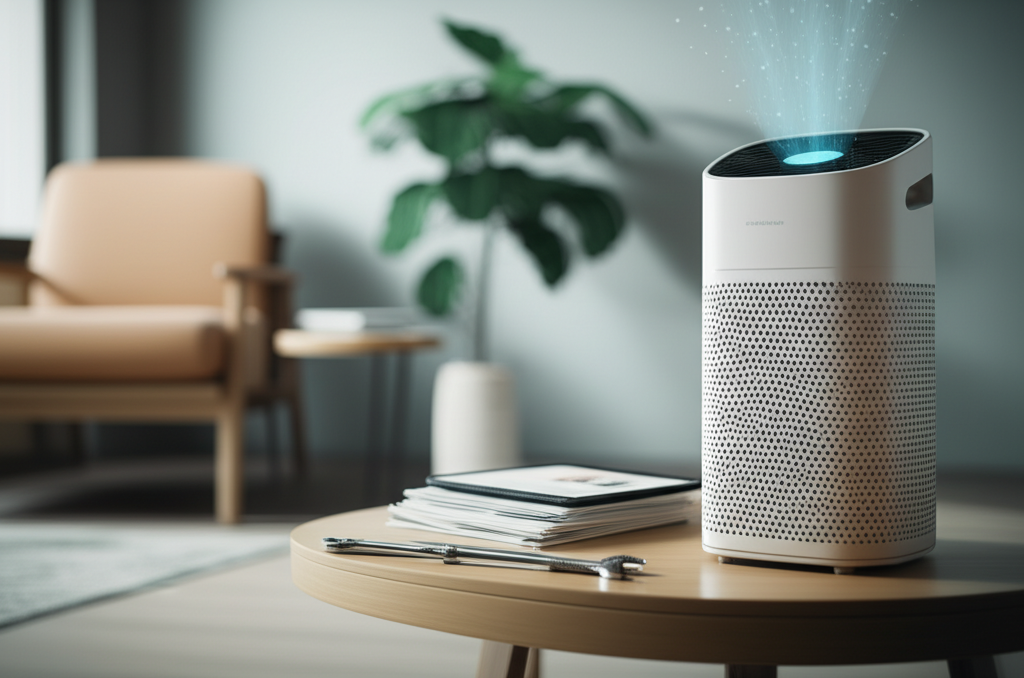
Air purifiers work by filtering the air, removing pollutants and potential pathogens that could contribute to respiratory infections. While they don’t kill viruses or bacteria directly in the air, they capture them, preventing inhalation.
The Role of HEPA Filters
High-Efficiency Particulate Air (HEPA) filters are designed to capture at least 99.97% of airborne particles 0.3 microns in size. This includes dust, pollen, pet dander, mold spores, and importantly, airborne bacteria and viruses. By removing these from the air, HEPA filters can reduce the concentration of infectious agents you might inhale.
Capturing Airborne Pathogens
When someone with a respiratory infection coughs or sneezes, they release tiny droplets containing viruses and bacteria into the air. These particles can remain suspended in the air for a significant period. An air purifier with a HEPA filter can effectively capture these airborne pathogens before they can be inhaled by others.
Reducing Irritants and Allergens
Beyond pathogens, air purifiers also remove irritants like smoke, volatile organic compounds (VOCs) from cleaning products, and allergens such as dust mites and pet dander. These irritants can inflame the airways, making them more vulnerable to infection. By creating cleaner air, purifiers can help maintain healthier lungs.
Can Air Purifiers Prevent Pneumonia? The Direct Answer
While air purifiers can play a supportive role in creating a healthier environment, they are not a standalone solution for preventing pneumonia. They help reduce exposure to airborne triggers but don’t eliminate all causes.
Air Purifiers as a Supportive Measure
An air purifier can be a valuable tool in your arsenal against respiratory illnesses. By reducing the load of airborne bacteria, viruses, and irritants in your home, it can lower your overall exposure to potential pneumonia-causing agents. This is particularly beneficial for individuals with weakened immune systems or pre-existing respiratory conditions.
Limitations of Air Purifiers
It’s crucial to understand that air purifiers primarily address airborne contaminants. Pneumonia can also be caused by bacteria or viruses that are already present in your body or spread through direct contact or contaminated surfaces. Therefore, an air purifier cannot prevent pneumonia caused by these transmission routes.
Essential Components of an Effective Air Purifier
When choosing an air purifier, certain features are more important than others for respiratory health. Look for units that are certified for their effectiveness and designed to tackle a broad range of airborne particles.
HEPA Filtration is Key
As mentioned, HEPA filters are the gold standard for capturing microscopic particles. Ensure the air purifier you select has a true HEPA filter, not just a “HEPA-type” or “HEPA-like” filter, which may not meet the same rigorous standards.
Activated Carbon Filters for Odors and Gases
Many air purifiers also include activated carbon filters. These are excellent at absorbing gases, odors, and VOCs. While they don’t directly capture pathogens, removing these irritants can further contribute to healthier airways, making you less susceptible to infection.
CADR and Room Size Considerations
Consider the Clean Air Delivery Rate (CADR) of the air purifier, which indicates how quickly it can filter the air in a room. Match the purifier’s capacity to the size of your room to ensure effective air circulation and purification. A unit that is too small for the space will not provide adequate protection.
Beyond Air Purifiers: A Holistic Approach to Pneumonia Prevention
Preventing pneumonia requires a multi-faceted approach that goes beyond just purifying the air. Vaccinations, good hygiene, and maintaining overall health are critical components.
Vaccination is Your First Line of Defense
Vaccines are among the most effective ways to prevent certain types of pneumonia. The pneumococcal vaccine protects against Streptococcus pneumoniae, a common bacterial cause of pneumonia. The flu vaccine can also help prevent pneumonia that can develop as a complication of influenza.
Practicing Good Hygiene
Simple hygiene practices can significantly reduce the spread of germs that cause pneumonia. This includes frequent handwashing with soap and water for at least 20 seconds, especially after coughing, sneezing, or blowing your nose, and before eating. Avoiding touching your eyes, nose, and mouth with unwashed hands is also important.
Maintaining a Healthy Lifestyle
A strong immune system is your body’s best defense against infections. Eating a balanced diet rich in fruits and vegetables, getting enough sleep, managing stress, and engaging in regular physical activity can all boost your immune function. Quitting smoking is one of the most impactful steps you can take for your lung health.
When to Consider an Air Purifier for Your Home
You might benefit most from an air purifier if you live in an area with poor outdoor air quality, have pets, or if someone in your household suffers from allergies or asthma. It’s also a good investment if you have elderly family members or young children.
Improving Indoor Air Quality
Homes can often have higher concentrations of pollutants than the outdoors. Sources include cooking, cleaning products, building materials, and even everyday activities. An air purifier helps to mitigate these indoor sources, creating a healthier living environment for everyone.
Supporting Vulnerable Individuals
For infants, young children, the elderly, and individuals with compromised immune systems or chronic lung conditions, a clean-air environment can be especially beneficial. Reducing exposure to airborne irritants and pathogens can help prevent respiratory infections like pneumonia.
Popular Air Purifier Technologies and Brands
The market offers various air purification technologies. Understanding these can help you make an informed decision. Some well-regarded brands consistently receive positive reviews for their performance and reliability.
HEPA and Activated Carbon Combination
Most reputable air purifiers utilize a multi-stage filtration system, typically combining a HEPA filter with an activated carbon filter. This dual approach tackles both particulate matter and gaseous pollutants effectively. Brands like Coway, Blueair, and Dyson often feature these advanced filtration systems.
Other Filtration Technologies
Some purifiers use technologies like UV-C light or ionizers. UV-C light aims to kill germs, while ionizers release charged particles to neutralize airborne pollutants. However, it’s important to note that some ionizers can produce ozone, which can be a lung irritant. Always check for ozone-free certifications if considering these technologies. For example, Molekule uses a unique PECO (Photo Electrochemical Oxidation) technology.
Choosing the Right Unit for Your Needs
When selecting a unit, consider factors like room size, noise level, energy efficiency, and filter replacement costs. Reading independent reviews and checking certifications from organizations like the Association of Home Appliance Manufacturers (AHAM) can help guide your choice.
Air Purifier Effectiveness Against Specific Pneumonia Triggers
Let’s look at how effective air purifiers are against the specific types of airborne agents that can lead to pneumonia.
Bacteria and Viruses
HEPA filters are highly effective at capturing airborne bacteria and viruses, which are often spherical or rod-shaped and fall within the size range that HEPA filters are designed to capture. By reducing the concentration of these microbes in the air, an air purifier can lower the risk of inhaling them.
Mold Spores and Fungal Elements
Mold and fungi release spores into the air, which can be a trigger for respiratory issues and, in some cases, lead to fungal pneumonia, particularly in immunocompromised individuals. Air purifiers with HEPA filters are excellent at trapping these spores, thus improving indoor air quality and reducing exposure.
Fine Particulate Matter (PM2.5)
Fine particulate matter, such as that from smoke or industrial pollution, can penetrate deep into the lungs and cause inflammation. This inflammation can make the lungs more susceptible to infection. Air purifiers can effectively remove PM2.5 particles from indoor air, contributing to lung health.
Maintaining Your Air Purifier for Optimal Performance
To ensure your air purifier continues to effectively protect your respiratory health, regular maintenance is essential. Neglecting maintenance can reduce its efficiency and even make it a source of pollutants.
Regular Filter Replacement
HEPA filters and activated carbon filters have a limited lifespan and will eventually become clogged with pollutants. Follow the manufacturer’s recommendations for filter replacement, which is typically every 6-12 months, depending on usage and air quality.
Cleaning the Unit
Periodically clean the exterior of the air purifier and the pre-filter (if it has one). A soft cloth can be used to wipe down the unit, and pre-filters can often be washed or vacuumed to remove larger dust particles. This prevents the buildup of dust that can impede airflow.
Placement Matters
Ensure your air purifier is placed in a location where it can effectively circulate air. Avoid placing it directly against walls or furniture, which can obstruct airflow. Ideally, place it in a central location within the room.
The Link Between Indoor Air Quality and Respiratory Health
Indoor air quality has a profound impact on our respiratory system. Pollutants can cause chronic inflammation, making us more vulnerable to infections.
Reducing Inflammation
By removing irritants like smoke, VOCs, and allergens, air purifiers help reduce chronic inflammation in the airways. This can improve lung function and make it harder for pathogens to take hold.
Supporting Lung Function
A cleaner indoor environment supports overall lung function, making it easier to breathe and reducing the strain on your respiratory system. This is particularly important for individuals with pre-existing lung conditions.
Preventing Secondary Infections
When the lungs are already compromised by irritants or allergies, they are more susceptible to secondary bacterial or viral infections, including pneumonia. Improving air quality can help prevent these complications.
Frequently Asked Questions About Air Purifiers and Pneumonia
Here are some common questions people have when considering air purifiers for respiratory health.
Q1: Can an air purifier cure pneumonia?
No, an air purifier cannot cure pneumonia. Pneumonia is a serious infection that requires medical treatment, often with antibiotics or antiviral medications. Air purifiers can help reduce exposure to airborne triggers but are not a medical treatment.
Q2: Which type of air purifier is best for preventing respiratory infections?
An air purifier with a true HEPA filter is generally considered the most effective for capturing airborne pathogens and irritants. A unit that also includes an activated carbon filter will help remove gases and odors.
Q3: How often should I run my air purifier?
For maximum benefit, it’s recommended to run your air purifier continuously, especially in the rooms where you spend the most time, such as bedrooms and living areas. This ensures consistent air purification.
Q4: Will an air purifier protect me from all types of pneumonia?
An air purifier can help reduce exposure to airborne bacteria and viruses that cause pneumonia. However, it cannot prevent pneumonia caused by pathogens spread through direct contact or other transmission routes, nor can it prevent pneumonia caused by inhaled irritants that may already be in your lungs.
Q5: Is it safe to use an air purifier if I have asthma or allergies?
Yes, air purifiers can be very beneficial for individuals with asthma and allergies. By removing allergens, dust, and other irritants from the air, they can help reduce symptoms and improve overall respiratory comfort. Ensure the unit is certified to be ozone-free.
Q6: Do air purifiers really make a difference in preventing illness?
Studies suggest that air purifiers can contribute to a reduction in airborne pathogens and allergens, which can, in turn, lower the risk of respiratory infections and allergic reactions. They are a valuable component of a healthy indoor environment.
Conclusion: Air Purifiers as Part of a Broader Strategy
In conclusion, while an air purifier cannot guarantee prevention against pneumonia, it can be a significant asset in creating a healthier indoor environment that supports your respiratory well-being. By effectively removing airborne bacteria, viruses, and irritants, these devices can reduce your exposure to potential pneumonia triggers. Remember that an air purifier is most effective when integrated into a comprehensive approach to health that includes vaccinations, diligent hygiene practices, and a healthy lifestyle. Investing in a quality air purifier and maintaining it properly can contribute to cleaner air and a stronger defense against respiratory illnesses like pneumonia.
