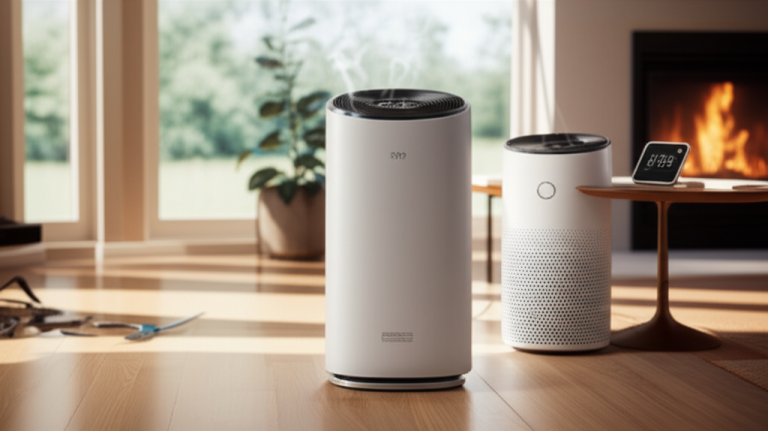
Air Purifier Molekule vs Dyson: Essential Comparison

Choosing between Molekule and Dyson air purifiers involves understanding their distinct technologies, filtration methods, and target pollutants. This comparison will help you decide which is best for your home’s air quality needs.
Air purifiers are becoming essential for many homes, especially as concerns about indoor air quality grow. If you’re looking to invest in cleaner air, you’ve likely encountered two of the biggest names: Molekule and Dyson. Both brands offer sophisticated devices, but they approach air purification with very different philosophies and technologies. Deciding between an air purifier Molekule vs Dyson can feel overwhelming with their advanced features and varying price points. This guide will break down their core differences, helping you make an informed choice for a healthier home environment. Let’s dive into what makes each unique and which might be the perfect fit for you.
Molekule vs Dyson: A Fundamental Technology Divide
This section explores the core technological differences that set Molekule and Dyson apart, impacting their effectiveness against various pollutants. Understanding these foundational elements is key to choosing the right air purifier for your specific needs.
Molekule’s primary innovation lies in its Photo Electrochemical Oxidation (PECO) filter technology. Unlike traditional HEPA filters that trap pollutants, PECO aims to destroy them at a molecular level. This revolutionary approach targets not just particles like dust and pollen but also gases, VOCs, and even microscopic particles like viruses and bacteria. Dyson, on the other hand, focuses on a multi-stage filtration system, typically combining a HEPA filter with an activated carbon filter. This combination effectively captures a broad range of airborne contaminants, from large particles to odors and gases.
Understanding Molekule’s PECO Technology
Molekule’s signature PECO technology is its major differentiator. It uses a UV-C light to activate a special filter, breaking down pollutants into harmless molecules. This process goes beyond simple trapping, offering a unique approach to air purification.
The PECO filter works by coating a porous material with a catalyst. When UV-C light shines on this catalyst, it triggers a chemical reaction. This reaction breaks down organic pollutants, including VOCs, bacteria, and viruses, into smaller, harmless components like CO2 and water. It’s a process designed to eliminate pollutants rather than just collect them, potentially offering a more comprehensive solution for certain air quality issues.
Dyson’s Multi-Stage Filtration Approach
Dyson air purifiers are renowned for their robust multi-stage filtration systems. These systems are designed to capture a wide spectrum of airborne particles and gases effectively. They combine advanced HEPA filtration with activated carbon for comprehensive air cleaning.
Dyson’s typical setup includes a HEPA filter to capture 99.97% of particles as small as 0.3 microns, such as allergens, pollen, and pet dander. Alongside this, an activated carbon filter works to absorb odors, gases, and VOCs released from cleaning products or cooking. This dual-action approach ensures that both particulate matter and gaseous pollutants are addressed, providing a well-rounded purification experience.
Particle Capture vs. Molecular Destruction: Key Differences
The fundamental difference in how Molekule and Dyson handle pollutants is critical. One traps, the other aims to destroy. This distinction has significant implications for the types of contaminants each excels at addressing.
Molekule’s PECO technology is designed to break down pollutants at a molecular level. This means it targets not only visible particles but also microscopic organic compounds that traditional filters might miss or simply trap. Dyson’s HEPA and carbon filters, while highly effective at capturing particles and adsorbing gases, do not chemically break down these substances. They collect them, meaning the filters themselves eventually need replacement and disposal.
Performance Against Different Pollutants: A Closer Look
When comparing an air purifier Molekule vs Dyson, performance against specific pollutants is a crucial factor. Each technology has its strengths and weaknesses depending on what you’re trying to remove from your air.
Particulate Matter (Dust, Pollen, Pet Dander)
For particulate matter, both brands offer excellent performance. Dyson’s HEPA filters are industry-standard for capturing fine particles like dust, pollen, and pet dander. Molekule’s PECO technology also captures these particles, but its primary focus is on molecular breakdown.
Gases and VOCs (Odors, Chemicals)
Dyson’s integrated activated carbon filters are highly effective at adsorbing gases and VOCs, neutralizing odors from cooking, pets, or household chemicals. Molekule’s PECO technology is also designed to break down VOCs and other gaseous pollutants, offering an alternative method of removal.
Viruses and Bacteria
This is where Molekule’s PECO technology claims a significant advantage. By destroying pollutants at a molecular level, it aims to neutralize viruses and bacteria. Dyson’s HEPA filters capture these microorganisms, preventing their circulation, but do not actively destroy them.
Design and Aesthetics: Form Meets Function
Both Molekule and Dyson are known for their premium design aesthetics. They aim to blend seamlessly into modern home decor, offering units that are as stylish as they are functional.
Molekule units often feature a minimalist, cylindrical design with a focus on clean lines and premium materials. They tend to look more like decorative objects than traditional appliances. Dyson purifiers also boast a sleek, futuristic look, often with unique bladeless fan designs that double as air circulators.
User Experience and Smart Features
Ease of use and smart functionality are increasingly important for home appliances. Both brands offer app control and intelligent features to enhance the user experience.
Molekule air purifiers typically come with a user-friendly app that allows for remote control, scheduling, and air quality monitoring. Dyson also offers comprehensive app integration, providing real-time air quality data, remote operation, and personalized settings. Their displays are often intuitive and provide detailed information at a glance.
Maintenance and Filter Replacement Costs
The ongoing cost of ownership is a significant consideration when purchasing an air purifier. Filter replacement is a recurring expense that can add up over time.
Molekule’s PECO filters require replacement periodically, with costs varying depending on the model. Dyson’s HEPA and carbon filters also need regular replacement. It’s essential to compare the recommended replacement intervals and the cost of replacement filters for both brands to understand the long-term investment.
Price Point and Value Proposition
When comparing an air purifier Molekule vs Dyson, the initial purchase price is a major factor. Both brands position themselves as premium products, reflecting their advanced technology and design.
Dyson air purifiers, especially their multi-functional units that also act as heaters or fans, can represent a significant investment. Molekule units also fall into the higher price bracket, particularly those featuring their latest PECO-HEPA fusion filters. The perceived value often depends on how much weight you give to their unique technologies and design.
Which Air Purifier is Right for You?
Deciding between Molekule and Dyson ultimately depends on your specific needs, priorities, and budget. Consider the types of pollutants you’re most concerned about and your preference for filtration technology.
If your primary concern is the destruction of microscopic pollutants like viruses, bacteria, and VOCs at a molecular level, Molekule’s PECO technology might be more appealing. If you prioritize a robust, multi-stage filtration system that excels at capturing a wide range of particles and odors, and you value the added functionality of heating or cooling, Dyson could be the better choice.
Frequently Asked Questions About Molekule and Dyson Air Purifiers
Can Molekule really destroy pollutants?
Molekule’s PECO technology is designed to break down organic pollutants at a molecular level using UV-C light and a catalyst. While lab tests show effectiveness against certain substances, real-world performance can vary.
How effective are Dyson HEPA filters?
Dyson HEPA filters are highly effective, capturing 99.97% of particles as small as 0.3 microns, including allergens, pollen, and dust. They are a standard for particulate filtration.
Do Molekule or Dyson air purifiers help with allergies?
Yes, both Molekule and Dyson air purifiers can significantly help with allergies by removing common allergens like pollen, dust mites, and pet dander from the air.
What is the main difference in their technology?
The main difference is that Molekule uses PECO technology to destroy pollutants at a molecular level, while Dyson uses a combination of HEPA and activated carbon filters to trap particles and adsorb gases.
Are Molekule filters expensive to replace?
The cost of Molekule filters can be a significant factor in the long-term ownership cost. It’s advisable to check current prices and replacement schedules for your specific model.
Do Dyson purifiers also function as fans or heaters?
Many Dyson air purifiers are multi-functional devices that also serve as powerful fans or efficient heaters, offering year-round comfort and air purification.
Which brand is better for removing odors?
Dyson’s activated carbon filters are specifically designed to adsorb odors and gases, making them very effective. Molekule’s PECO technology also targets VOCs, which contribute to odors.
Conclusion: Making Your Final Air Purification Choice
In the air purifier Molekule vs Dyson debate, both brands offer premium solutions with distinct advantages. Molekule pioneers molecular destruction with its PECO technology, aiming to eliminate pollutants rather than just capture them, which is particularly appealing for those concerned about viruses and VOCs. Dyson, on the other hand, provides a highly effective and proven multi-stage filtration system, combining HEPA and activated carbon for comprehensive particle and gas removal, often with added fan or heating functions. Your choice will depend on whether you prioritize molecular breakdown or robust particle and gas capture, alongside design preferences and budget. Both are excellent investments in improving your home’s air quality.