Can Air Purifier Kill Mosquito: Essential Defense

No, a standard air purifier cannot directly kill mosquitoes. While they excel at filtering airborne particles like dust and allergens, they lack the specific mechanisms, such as UV light or electrical grids, needed to eliminate insects.
Can Air Purifier Kill Mosquito: Essential Defense Against Pests
Mosquitoes buzzing around your home can be more than just an annoyance; they can carry diseases and disrupt your peace. Many homeowners wonder if their air purifier, a device designed to clean the air, can also tackle this common pest problem. While air purifiers are fantastic for improving indoor air quality by removing allergens and pollutants, they are not designed as mosquito killers. Let’s explore how air purifiers work and what effective methods truly keep mosquitoes at bay.
Understanding How Air Purifiers Work
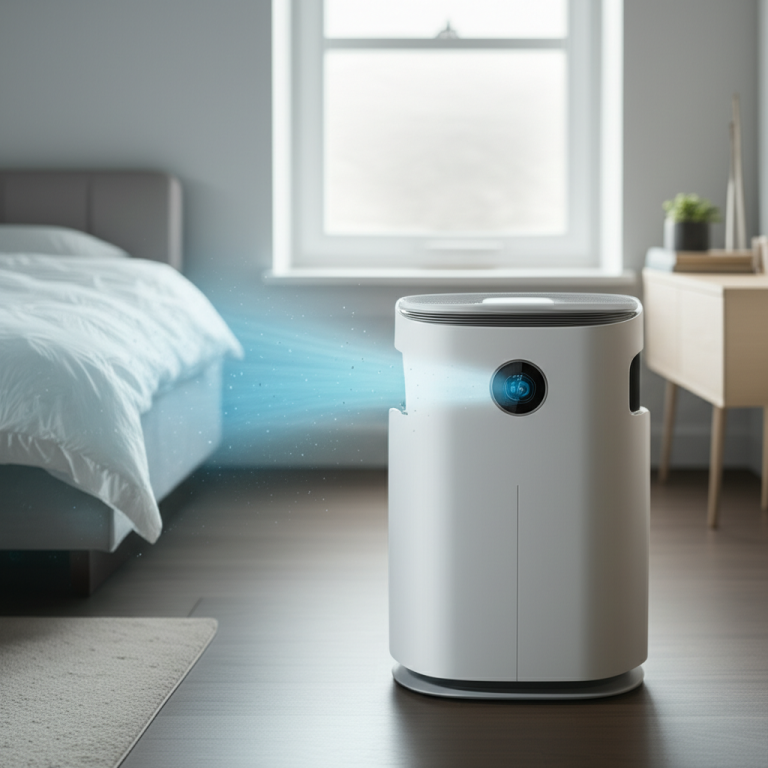
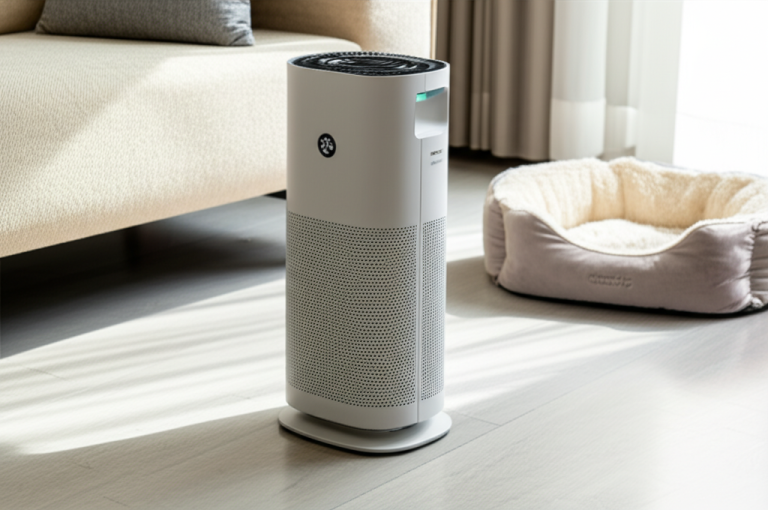
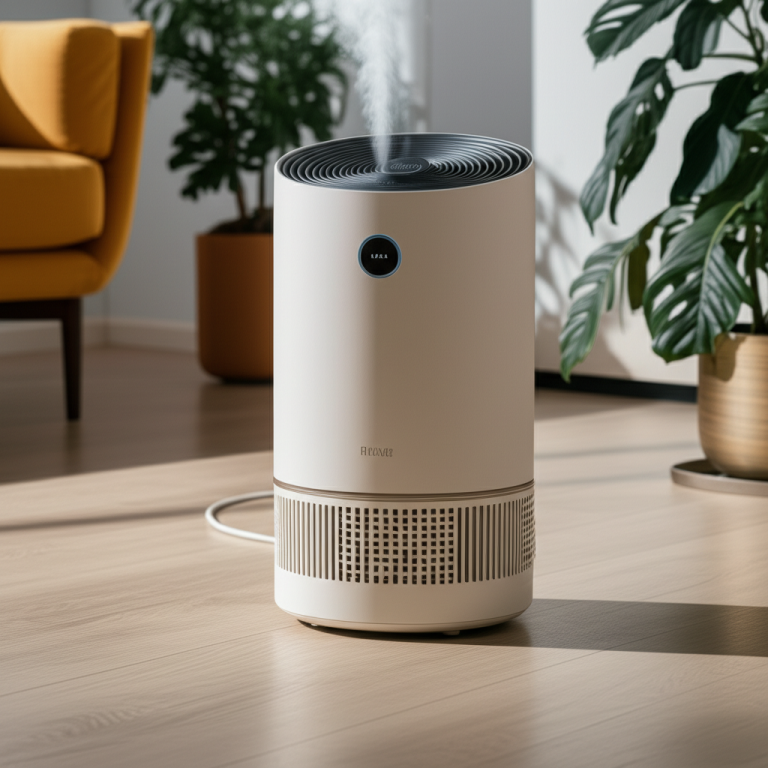
Air purifiers are designed to capture airborne particles using various filter types. They draw in air, pass it through these filters, and release cleaner air back into the room. This process is highly effective for improving air quality by removing dust, pollen, pet dander, mold spores, and even some bacteria and viruses.
The Role of HEPA Filters

High-Efficiency Particulate Air (HEPA) filters are the gold standard in air purification. They are designed to trap at least 99.97% of airborne particles 0.3 microns in size. While this is excellent for allergens, mosquitoes are significantly larger than 0.3 microns.
Activated Carbon Filters for Odors and VOCs
Activated carbon filters are often included in air purifiers to absorb odors, gases, and Volatile Organic Compounds (VOCs). They work by adsorption, where molecules stick to the carbon’s surface. This function is unrelated to trapping or killing insects.
Why Air Purifiers Don’t Kill Mosquitoes
The fundamental design of an air purifier centers on air filtration, not insect extermination. They lack the specific features required to attract, trap, or kill mosquitoes.
Lack of Attraction Mechanisms
Mosquitoes are typically attracted to carbon dioxide, body heat, and specific scents. Air purifiers do not emit attractants that would draw mosquitoes into their filtration system.
No Lethal Components
Unlike devices specifically made for pest control, such as mosquito traps that use UV light or electrocution, air purifiers do not have any components designed to harm insects. They simply filter the air that passes through them.
Effective Mosquito Control Methods
To combat mosquitoes effectively, it’s important to use methods designed for pest control. These methods target mosquitoes directly and are proven to reduce their presence.
Outdoor Prevention Strategies
Preventing mosquitoes from entering your home in the first place is crucial. This involves eliminating breeding grounds and creating barriers.
Eliminate Standing Water: Mosquitoes breed in stagnant water. Regularly empty bird baths, clogged gutters, and any containers that collect water around your home.
Seal Entry Points: Ensure windows and doors have intact screens. Seal any cracks or gaps in walls or foundations where mosquitoes might enter.
Use Insect Repellents: Apply EPA-registered insect repellents containing DEET, picaridin, or oil of lemon eucalyptus on exposed skin when outdoors.
Indoor Mosquito Control Solutions
When mosquitoes do get inside, specific traps and repellents are your best bet.
Mosquito Traps (Bug Zappers and UV Light Traps:
These devices are specifically designed to attract and kill mosquitoes. They often use UV light, heat, or carbon dioxide to lure insects into a trap or towards an electrified grid.
UV Light Traps: Emit UV light that attracts mosquitoes and other flying insects, zapping them on an electrified screen or trapping them in a sticky surface.
CO2 Traps: Mimic human breath by releasing carbon dioxide, a primary attractant for mosquitoes, drawing them into a sticky surface or a containment unit.
Natural Repellents and Deterrents:
Certain plants and essential oils are believed to deter mosquitoes, though their effectiveness can vary.
Citronella: Often used in candles and torches, citronella oil is a well-known natural repellent.
Essential Oils: Oils from lavender, peppermint, eucalyptus, and lemongrass have shown some repellent properties.
Understanding Mosquito Attractants
Mosquitoes are drawn to specific cues. Understanding these can help you implement more targeted control strategies.
Carbon Dioxide (CO2): Mosquitoes can detect CO2 exhaled by humans and animals from a considerable distance.
Body Heat and Odor: Lactic acid, ammonia, and other compounds in sweat, along with body heat, also attract mosquitoes.
Visual Cues: Dark colors are more attractive to mosquitoes than lighter colors.
Can Air Purifiers Complement Mosquito Control?
While an air purifier won’t kill mosquitoes, it can play a supporting role in creating a more comfortable indoor environment. By removing allergens and improving air circulation, it can make your living space more pleasant, allowing you to better tolerate other pest control methods.
Improving Air Quality for Comfort
A cleaner home environment can reduce stress and improve overall well-being. This allows you to focus on implementing effective mosquito control measures without the added discomfort of poor air quality.
Potential for Indirect Impact
Some advanced air purifiers incorporate features like ionizers or UV-C light. While not their primary function for mosquito control, some studies suggest UV-C light can kill airborne bacteria and viruses, and potentially some small insects if they come into direct contact. However, this is not a reliable method for eliminating mosquitoes.
The Science Behind Mosquito Traps
Specialized devices are engineered to exploit mosquito behavior for effective elimination. These traps are designed with specific attractants and lethal mechanisms.
UV Light as an Attractant
Many mosquito traps use UV light, particularly the blue light spectrum, which is highly attractive to mosquitoes and other flying insects. The light draws them towards the device.
The Role of Fan Speed and Suction
Some traps use a powerful fan to create a vortex that sucks mosquitoes into a collection chamber or onto a sticky surface. This is a direct trapping mechanism.
Carbon Dioxide and Octenol Lures
More sophisticated traps often combine UV light with CO2 emissions and sometimes octenol (an attractant that mimics human scent) to create a highly effective lure for mosquitoes. These are often referred to as mosquito magnets.
Comparing Air Purifiers and Mosquito Traps
It’s essential to distinguish between the functions of air purifiers and mosquito traps to manage expectations and choose the right tools for your needs.
| Feature | Air Purifier | Mosquito Trap |
| :—————— | :——————————————— | :————————————————– |
| Primary Function | Filters airborne particles (dust, pollen, etc.) | Attracts and kills mosquitoes and other insects |
| Mechanism | HEPA, activated carbon, ionizers | UV light, CO2, heat, sticky surfaces, electric grids |
| Targeted Issues | Allergies, asthma, air pollution | Mosquito bites, insect-borne diseases |
| Effectiveness | High for air quality | Varies, but effective for insect control |
When to Consider a Dedicated Mosquito Trap
If mosquitoes are a persistent problem in your home or yard, an air purifier alone will not solve the issue. Investing in a dedicated mosquito trap is a more direct and effective solution.
Assessing Your Mosquito Problem:
Consider the time of year, your geographic location, and the presence of breeding grounds near your home. These factors indicate the severity of your mosquito issue.
Choosing the Right Mosquito Trap:
Look for traps that are EPA-registered and designed for the types of mosquitoes prevalent in your area. Consider both indoor and outdoor models based on where you experience the most problems.
Debunking Common Misconceptions
Many people assume that because an air purifier moves air, it might inadvertently suck in and kill mosquitoes. This is a common misunderstanding of how these devices operate.
Airflow vs. Suction Power
While air purifiers have fans that move air, they are not designed with the concentrated suction power of a vacuum cleaner or a specialized insect trap. The airflow is calibrated for efficient air filtration, not insect capture.
Particle Size Limitations
The filters in air purifiers are designed for microscopic particles. Mosquitoes are relatively large insects and would typically be too robust to be caught by standard HEPA filters unless they were already deceased and airborne.
Expert Recommendations for Mosquito Defense
As an expert in home hygiene and comfort, I recommend a multi-pronged approach to tackle mosquitoes, integrating prevention, targeted traps, and environmental management.
Integrated Pest Management (IPM):
IPM focuses on long-term prevention of pests through a combination of techniques. This includes source reduction, habitat modification, and targeted use of control methods.
Creating a Mosquito-Resistant Home Environment:
Maintain Screens: Regularly check and repair window and door screens to prevent entry.
Control Indoor Humidity: Mosquitoes prefer humid environments. Use dehumidifiers in damp areas like basements.
* Limit Attractive Scents: Avoid strong perfumes or scented lotions that might attract mosquitoes.
Frequently Asked Questions (FAQ):
Q1: Can an air purifier kill mosquitoes with its fan?
No, the fan in an air purifier is designed to circulate air for filtration, not to have the suction power to trap and kill mosquitoes.
Q2: Will a HEPA filter catch mosquitoes?
A HEPA filter is designed for microscopic particles. While it might catch a dead mosquito if it’s already airborne and small enough, it won’t actively trap or kill live ones.
Q3: What is the best way to kill mosquitoes indoors?
The most effective methods for killing mosquitoes indoors include using specialized mosquito traps that employ UV light, CO2, or sticky surfaces, and ensuring all entry points are sealed.
Q4: Do air purifiers with UV light kill mosquitoes?
Some air purifiers have UV-C lights intended to sanitize the air by killing bacteria and viruses. While UV light can attract some insects, it’s generally not strong or focused enough in a typical air purifier to effectively kill mosquitoes. Dedicated UV mosquito zappers are designed for this purpose.
Q5: Can I use my air purifier as a mosquito repellent?
No, an air purifier does not repel mosquitoes. Repellents work by emitting scents or chemicals that deter insects from approaching.
Q6: What attracts mosquitoes into my home?
Mosquitoes are attracted by carbon dioxide (your breath), body heat, sweat, and certain body odors. They can also be drawn in through open doors and windows, especially if screens are damaged.
Q7: Are there natural ways to get rid of mosquitoes indoors?
Natural methods include using essential oils like citronella, lavender, or peppermint (though effectiveness varies), eliminating standing water inside your home, and using fans to create airflow, which makes it harder for mosquitoes to fly and land.
Conclusion:
In summary, while air purifiers are invaluable for enhancing indoor air quality by capturing dust, allergens, and pollutants, they are not equipped to kill mosquitoes. Their filtration systems are designed for microscopic particles, not for trapping or eliminating insects. To effectively combat mosquitoes and protect your home from these bothersome pests, it’s crucial to implement targeted strategies such as eliminating breeding grounds, sealing entry points, and utilizing specialized mosquito traps. An air purifier can contribute to a more comfortable living space, but for a direct defense against mosquitoes, rely on proven pest control solutions.