
Can Air Purifier Increase Humidity? Proven Essential Answer

No, a standard air purifier cannot increase humidity. Its primary function is to remove airborne particles. However, certain hybrid devices or air purifiers with integrated humidification features can raise humidity levels.
Can Air Purifier Increase Humidity? The Proven Essential Answer
Many people wonder if their air purifier can help combat dry air. If you’re experiencing symptoms like dry skin, a scratchy throat, or static electricity, you might be hoping your air purifier can offer a solution. It’s a common question, and the answer isn’t always straightforward. Let’s clear the air and explore how air purifiers interact with humidity levels in your home.
Understanding Air Purifier Functionality
Air purifiers are designed to improve indoor air quality by removing pollutants. They typically use filters like HEPA and activated carbon to capture dust, pollen, pet dander, smoke, and odors. Their core purpose is filtration, not moisture addition.
This process focuses on trapping particles, not releasing water vapor into the air. Therefore, a standalone air purifier will not directly increase the humidity in your room.
The Science Behind Air Purification and Humidity
The mechanisms within a typical air purifier do not involve the release of water. They draw air in, pass it through filters, and expel cleaner air. This cycle does not add moisture to the environment.
In fact, some air purification processes, like those involving very dry filters, might slightly reduce the perceived humidity due to air circulation. However, this effect is usually negligible.
Can Air Purifier Increase Humidity: The Direct Answer
The definitive answer to “can air purifier increase humidity?” is generally no, for standard models. Their design prioritizes particle removal. Adding moisture is a different function entirely.
If your goal is to increase humidity, you will likely need a separate device. This could be a dedicated humidifier or a specialized appliance.
Exploring Hybrid Devices: Air Purifiers with Humidifiers
The market does offer hybrid devices that combine air purification with humidification. These units are designed to perform both functions simultaneously. They are often marketed as “air purifier humidifiers” or “2-in-1 air purifiers.”
These appliances typically have a water reservoir and a mechanism to disperse moisture into the air. This allows them to clean the air while also adding beneficial humidity.
How Hybrid Air Purifier Humidifiers Work
These devices function by drawing air through their purification filters and then passing it over or through a humidifying component. The humidifying part often uses an evaporative wick or a misting system. This releases water vapor into the purified air before it’s expelled back into the room.
It’s crucial to understand that these are two distinct functions within one unit. The purification aspect doesn’t create humidity; the added humidification component does.
Benefits of Combined Air Purification and Humidification
Using a hybrid device can offer convenience and space-saving advantages. You get the benefits of cleaner air and improved humidity levels from a single appliance. This can be particularly useful in smaller living spaces.
Proper humidity levels can alleviate dry skin, reduce static electricity, and make breathing more comfortable. Combining these benefits can lead to a more pleasant indoor environment.
Choosing the Right Device for Your Needs
When selecting an air quality device, consider your primary concern: air purification, humidification, or both. If dry air is your main issue, a humidifier might be sufficient. If you also need to address airborne pollutants, a hybrid unit or separate devices might be best.
Always check product specifications to confirm if a device offers humidification features. Not all air purifiers are created equal, and many focus solely on filtration.
Maintaining Your Air Purifier and Humidifier (If Applicable)
If you opt for a hybrid unit, regular maintenance is essential for both functions. This includes cleaning or replacing air filters and cleaning the humidifier’s water tank and components to prevent mold and bacteria growth. Following the manufacturer’s guidelines is key.
Neglecting maintenance can reduce the effectiveness of both purification and humidification, and potentially introduce new issues into your air. For example, dirty humidifier tanks can become breeding grounds for mold, which would then be dispersed by the device.
Factors Affecting Room Humidity Levels
Several factors influence your home’s humidity, regardless of air purifiers. Seasonal changes, heating systems, ventilation, and even the number of people or plants in a room can affect moisture levels. Air conditioning, in particular, tends to dehumidify the air.
Understanding these external factors helps in managing your indoor climate effectively. You might need to adjust your humidifier’s output or your air purifier’s settings based on these conditions.
Can Air Purifier Increase Humidity? Final Verdict
In summary, while a standard air purifier cannot increase humidity, specialized hybrid devices that incorporate a humidifier can. It’s essential to differentiate between single-function air purifiers and multi-functional appliances. Always verify product features to ensure you are purchasing a device that meets your specific air quality and humidity needs.
Frequently Asked Questions
Will my air purifier make my room drier?
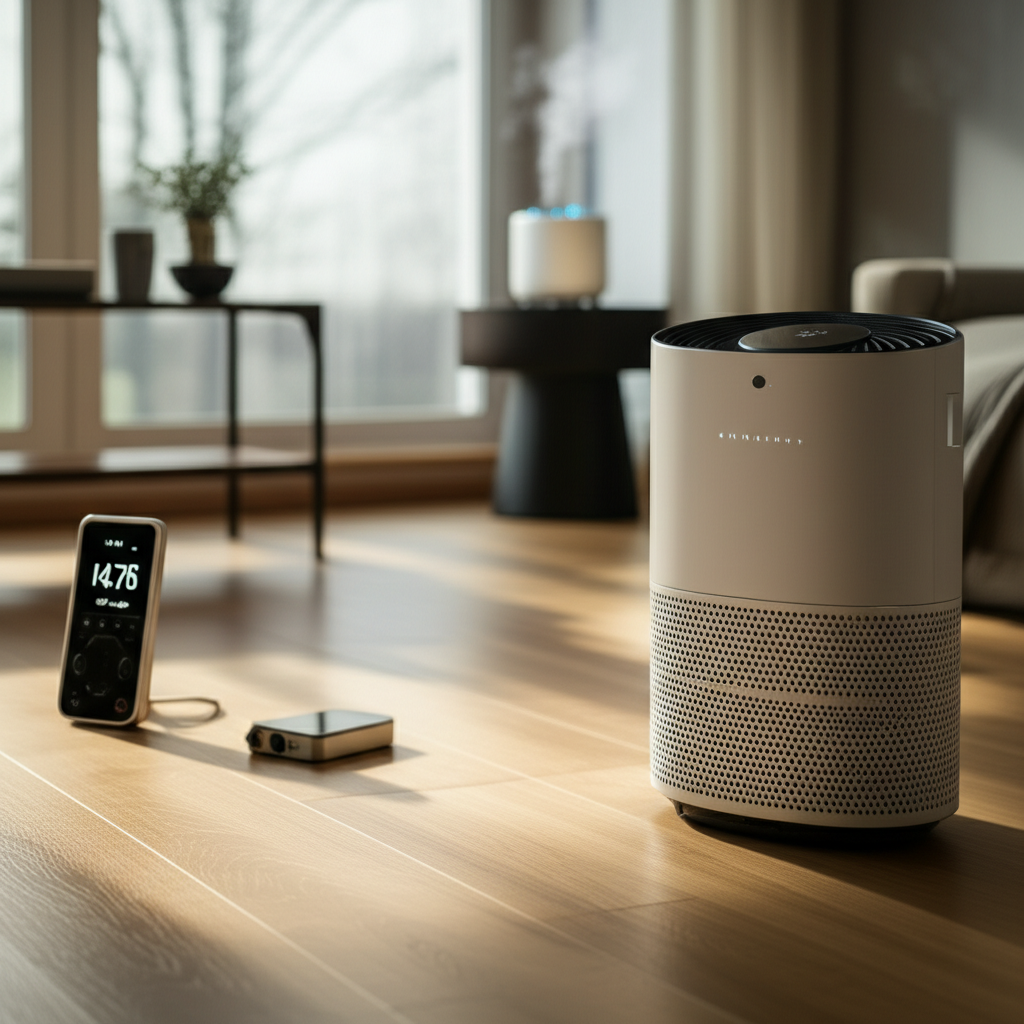
No, a standard air purifier will not make your room noticeably drier. Its function is to filter air, not remove moisture.
What is the ideal humidity level for a home?
The ideal indoor humidity level is generally between 40% and 60%. This range is comfortable for most people and helps prevent issues associated with both very dry and very humid air.
What’s the difference between an air purifier and a humidifier?
An air purifier removes airborne particles like dust and allergens, while a humidifier adds moisture to the air to combat dryness.
Can I run an air purifier and a humidifier at the same time?
Yes, you can run them simultaneously. Many people find it beneficial to use both, especially in dry climates or during winter months when heating systems dry out the air.
Are there any risks to using a humidifier with an air purifier?
The main risk comes from improper maintenance. If the humidifier’s water tank isn’t cleaned regularly, it can breed mold or bacteria, which the purifier might then circulate.
How do I know if my air purifier has a humidifying function?
Check the product’s manual or specifications. Devices that humidify will explicitly state this feature, often being sold as “air purifier humidifiers” or “2-in-1 units.”
What happens if I put water in a regular air purifier?
You should never put water in a regular air purifier. This can damage the unit, potentially cause electrical hazards, and ruin the filters.
