
Can Air Purifier Improve AQI: Proven Essential

Yes, an air purifier can significantly improve your home’s Air Quality Index (AQI) by actively removing pollutants like PM2.5, VOCs, and allergens, making indoor air healthier.
Are you concerned about the air you breathe indoors? Many of us are, especially with rising pollution levels and indoor contaminants. You might be wondering, “Can air purifier improve AQI?” The answer is a resounding yes, and it’s more essential than you think for creating a healthier living space. This guide will walk you through how air purifiers work to tackle indoor air quality and why they are a vital tool for your well-being.
How Air Purifiers Directly Impact Indoor Air Quality
Air purifiers are designed to capture and remove airborne particles and gases from your home’s air. By circulating air through a filtration system, they trap pollutants that contribute to a higher AQI. This process effectively cleans the air you breathe, making your indoor environment healthier.
The effectiveness of an air purifier in improving your indoor AQI is directly linked to its ability to capture various types of pollutants. Understanding these pollutants is key to appreciating how an air purifier can make a difference.
Understanding the Air Quality Index (AQI)
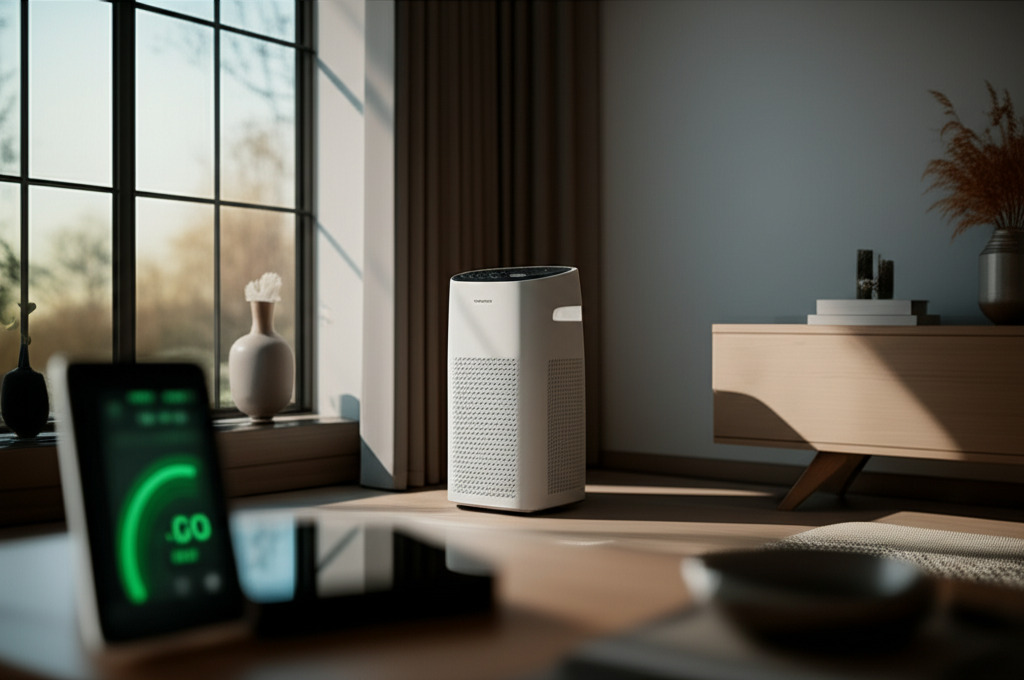
The Air Quality Index (AQI) is a tool used by government agencies to inform the public about the level of air pollution and its potential health effects. It typically measures pollutants like particulate matter (PM2.5 and PM10), ground-level ozone, carbon monoxide, sulfur dioxide, and nitrogen dioxide.
A lower AQI value indicates better air quality, while a higher value signifies greater pollution and potential health risks. When indoor air quality is poor, it can directly impact your home’s overall AQI reading if indoor pollutants are significant contributors.
The Role of Particulate Matter (PM2.5)
Particulate matter, especially fine particles known as PM2.5 (particles smaller than 2.5 micrometers), is a major component of AQI readings. These tiny particles can penetrate deep into the lungs and bloodstream, posing serious health risks.
Air purifiers with HEPA filters are exceptionally good at capturing PM2.5, thereby directly reducing this key indicator of air pollution in your home.
Beyond Particulates: Gases and Odors
While particulate matter is a primary concern, volatile organic compounds (VOCs) and odors also degrade indoor air quality. VOCs are released from common household products like paints, cleaning supplies, and furniture, and can cause respiratory irritation and other health issues.
Activated carbon filters in air purifiers are crucial for adsorbing these gases and odors, further enhancing the air you breathe.
How Air Purifiers Improve AQI: The Filtration Process
Air purifiers work by drawing in surrounding air, passing it through a series of filters, and releasing cleaner air back into the room. This continuous cycle effectively cleanses your indoor environment and lowers the concentration of pollutants that contribute to a high AQI.
The type and quality of filters used are paramount to an air purifier’s ability to improve AQI. Understanding these components reveals the science behind cleaner air.
The Power of HEPA Filters
High-Efficiency Particulate Air (HEPA) filters are the gold standard for capturing airborne particles. A true HEPA filter is certified to remove at least 99.97% of particles that are 0.3 micrometers in size, including PM2.5, dust, pollen, and pet dander.
By trapping these microscopic irritants, HEPA filters are instrumental in reducing the particulate matter component of your home’s AQI.
Activated Carbon for Odor and Gas Removal
Activated carbon filters are porous materials treated to increase their adsorptive surface area. They excel at trapping gases, chemicals, and odors that traditional HEPA filters cannot capture. This includes VOCs, smoke, and cooking smells.
The inclusion of an activated carbon filter in an air purifier addresses the gaseous pollutants that affect both AQI and the general freshness of your indoor air.
Pre-filters and Other Layers
Many air purifiers also feature pre-filters that capture larger particles like hair and lint. This protects the more sensitive HEPA and carbon filters, extending their lifespan and maintaining optimal performance.
Some advanced purifiers may include additional layers like UV-C light for germicidal action or ionizers to help particles clump together, though the effectiveness and safety of ionizers can be debated.
Key Pollutants Targeted by Air Purifiers
Air purifiers are effective against a wide array of indoor air pollutants that can elevate your home’s AQI. Identifying these specific contaminants highlights the comprehensive benefits of using an air purifier.
These pollutants originate from various sources, both inside and outside your home, making an air purifier a consistent solution for improving your living environment.
PM2.5 and PM10
As mentioned, PM2.5 is a critical pollutant. PM10 particles, which are larger (up to 10 micrometers), include dust, mold spores, and pollen. Air purifiers with HEPA filters effectively reduce both these types of particulate matter.
Reducing these particles directly lowers the AQI, especially on days when outdoor pollution is high and seeps indoors.
Volatile Organic Compounds (VOCs)
VOCs are emitted from everyday items like air fresheners, cleaning products, and new furniture. They can cause headaches, nausea, and long-term health problems. Activated carbon filters are the primary defense against these airborne chemicals.
By adsorbing VOCs, air purifiers create a safer environment, particularly for individuals sensitive to chemical sensitivities.
Allergens and Irritants
Common indoor allergens like dust mites, pet dander, pollen, and mold spores can trigger allergies and asthma. Air purifiers capture these allergens, providing significant relief for allergy sufferers.
A cleaner indoor environment means fewer allergic reactions and improved respiratory health for your family.
Odors and Smoke
Lingering odors from cooking, pets, or smoke (including secondhand smoke) can be unpleasant and indicative of harmful airborne particles. Activated carbon filters are highly effective at neutralizing these odors and associated pollutants.
This makes air purifiers invaluable for maintaining a fresh and healthy home, especially for pet owners or smokers.
Factors Affecting Air Purifier Performance and AQI Improvement
The degree to which an air purifier can improve your home’s AQI depends on several crucial factors. Understanding these elements ensures you select and operate your unit for maximum effectiveness.
Choosing the right air purifier and placing it strategically are key to achieving the best possible indoor air quality.
Room Size and CADR Rating
The Clean Air Delivery Rate (CADR) indicates how quickly an air purifier can clean the air in a specific room size. Higher CADR ratings mean faster and more effective air purification.
It’s essential to match the air purifier’s CADR rating to the square footage of the room you intend to use it in for optimal AQI improvement.
Filter Maintenance and Replacement
Air purifiers are only as effective as their filters. Clogged or old filters lose their ability to capture pollutants, diminishing the unit’s impact on AQI.
Regularly cleaning pre-filters and replacing HEPA and carbon filters according to the manufacturer’s recommendations is vital for sustained performance.
Air Purifier Placement and Airflow
Proper placement ensures the air purifier can effectively circulate and clean the air in the room. Avoid placing it in corners or behind furniture where airflow might be obstructed.
Allowing ample space around the unit enables it to draw in more air and distribute cleaner air more efficiently, thus improving AQI.
Sealing Your Home Environment
To maximize the benefits of an air purifier, it’s important to minimize the influx of outdoor pollutants. Keeping windows and doors closed, especially on high-pollution days, helps maintain the cleaner air created by the purifier.
This creates a more controlled environment where the air purifier can work most effectively to reduce your indoor AQI.
Can Air Purifiers Be Used to Combat Outdoor Pollution Infiltration?
Yes, air purifiers play a crucial role in mitigating the impact of outdoor pollution that enters your home. When outdoor AQI is high, pollutants can easily seep through windows, doors, and ventilation systems, degrading indoor air quality.
By running an air purifier, you actively remove these infiltrating outdoor contaminants, creating a healthier indoor sanctuary.
The Infiltration of Outdoor Pollutants
Even with closed windows, fine particulate matter (PM2.5) and gases from outdoor air pollution can find their way inside. This is especially true in urban areas or near industrial zones.
An air purifier acts as a barrier, capturing these pollutants once they’ve entered your living space before they can significantly impact your indoor AQI.
Creating a Clean Air Zone
Strategically placing air purifiers in frequently occupied rooms, such as bedrooms and living areas, can create “clean air zones.” These areas provide a refuge from elevated outdoor pollution levels.
This is particularly beneficial for individuals with respiratory conditions like asthma or allergies, who are more vulnerable to air quality changes.
When to Prioritize Air Purifier Use
It’s most critical to run your air purifier consistently when outdoor AQI levels are unhealthy (typically above 100). Monitoring local air quality reports can help you determine when to activate your purifier.
You should also use your air purifier during periods of increased indoor pollutant generation, such as cooking, cleaning, or when using fireplaces.
Choosing the Right Air Purifier for Your Needs
Selecting the best air purifier involves considering several factors to ensure it effectively improves your home’s AQI. A well-chosen unit will provide lasting benefits for your health and comfort.
I always recommend looking at independent reviews and certifications when making your decision.
HEPA vs. Other Filter Types
Prioritize air purifiers with true HEPA filters for particulate matter removal. For broader protection against gases and odors, look for units that also include a substantial activated carbon filter. Be cautious of purifiers that rely solely on ionizers or UV-C light without effective particle filtration.
A combination of HEPA and activated carbon filtration offers the most comprehensive solution for improving indoor AQI.
Room Size and CADR
Ensure the air purifier’s CADR rating is appropriate for your room’s square footage. Many manufacturers provide recommendations for room size coverage. It’s often better to choose a unit with a slightly higher CADR than your room requires, allowing it to run at lower, quieter speeds.
This ensures efficient air cleaning without excessive noise or energy consumption.
Noise Levels and Energy Consumption
Air purifiers operate continuously, so consider their noise output, especially for bedrooms. Many models offer different fan speeds, including a quiet or sleep mode. Also, check the unit’s energy consumption (wattage) to balance effectiveness with operating costs.
Look for Energy Star certified models for improved energy efficiency.
Additional Features to Consider
Smart features like Wi-Fi connectivity, air quality sensors, and automatic modes can enhance convenience. Air quality sensors allow the purifier to adjust its fan speed based on detected pollutant levels, optimizing performance and energy use.
These features can provide peace of mind and ensure your air purifier is always working efficiently to improve your AQI.
Expert Recommendations and Certifications
When selecting an air purifier, looking for reputable certifications and expert recommendations can guide your choice. These indicators assure you of a product’s performance and safety standards.
I always trust certifications that verify performance claims.
AHAM Verifide Seal
The Association of Home Appliance Manufacturers (AHAM) Verifide program tests air purifiers for their CADR ratings and recommended room sizes. Products with the AHAM Verifide seal have been independently tested for performance.
This certification provides a reliable benchmark for comparing different models and ensuring they meet advertised cleaning capabilities.
Energy Star Certification
Energy Star certified air purifiers meet strict energy efficiency guidelines set by the U.S. Environmental Protection Agency (EPA). These units use less energy than comparable models, saving you money on electricity bills.
Choosing an Energy Star model is a good choice for both your wallet and the environment.
CARB Certification
The California Air Resources Board (CARB) sets stringent standards for air purifiers, particularly regarding ozone emissions. A CARB-certified air purifier is guaranteed to emit very low levels of ozone, a potential lung irritant.
This certification is crucial for ensuring the safety of the air purifier’s operation, especially for sensitive individuals.
Maintaining Your Air Purifier for Optimal AQI Improvement
To ensure your air purifier continues to effectively improve your home’s AQI, consistent maintenance is key. Neglecting maintenance can significantly reduce its performance and even lead to secondary air quality issues.
Think of it like changing the oil in your car; regular upkeep is essential for smooth operation.
Regular Filter Checks and Cleaning
Pre-filters should be vacuumed or cleaned weekly or bi-weekly, depending on usage and the environment. This prevents larger particles from clogging the more sensitive HEPA and carbon filters.
Check your manufacturer’s guide for specific cleaning instructions for your pre-filter type.
Timely Filter Replacement
HEPA and activated carbon filters have a limited lifespan and cannot be effectively cleaned. They need to be replaced periodically, typically every 6 to 12 months, or when indicated by the unit’s filter indicator light.
Using a clogged filter means your air purifier is no longer effectively improving AQI, so timely replacement is crucial.
Cleaning the Exterior and Interior
Wipe down the exterior of your air purifier regularly with a damp cloth to keep it clean. Periodically, you may need to gently vacuum the air intake vents to ensure unobstructed airflow.
Always unplug the unit before cleaning any part of it.
Can Air Purifier Improve AQI: The Verdict
The question “Can air purifier improve AQI?” has a clear and affirmative answer. Air purifiers are proven essential tools for enhancing indoor air quality by actively removing harmful pollutants that contribute to a high AQI.
By employing advanced filtration technologies like HEPA and activated carbon, these devices effectively capture particulate matter, gases, odors, allergens, and more, creating a healthier living environment for you and your family.
Summary of Benefits
Air purifiers directly combat indoor air pollution by trapping microscopic particles and adsorbing harmful gases. This leads to a lower indoor AQI, reduced allergens, elimination of odors, and protection against VOCs. For individuals with respiratory issues, the impact can be particularly significant, offering relief from symptoms.
Their role in creating a sanctuary from outdoor pollution further solidifies their importance in modern homes.
Making an Informed Choice
When selecting an air purifier, consider its CADR rating, filter types (prioritizing HEPA and activated carbon), noise levels, and energy efficiency. Look for certifications like AHAM Verifide, Energy Star, and CARB to ensure performance and safety.
Proper maintenance, including regular filter cleaning and timely replacement, is crucial to sustain the unit’s effectiveness in improving your home’s AQI.
A Worthwhile Investment
Investing in a quality air purifier is an investment in your health and well-being. It provides a tangible solution to the often-invisible problem of indoor air pollution, ensuring you breathe cleaner, healthier air every day.
By understanding how they work and choosing the right model, you can confidently improve your home’s AQI and create a more comfortable, healthier living space.
FAQ: Your Questions Answered
Can an air purifier remove smoke from the air?
Yes, air purifiers equipped with activated carbon filters are highly effective at removing smoke particles and the odors associated with them, significantly improving air quality.
Will an air purifier help with allergies?
Absolutely. Air purifiers with HEPA filters capture common allergens like pollen, dust mites, and pet dander, which can greatly reduce allergy symptoms and improve indoor air quality.
How often should I replace the filters in my air purifier?
Filter replacement frequency varies by model and usage, but typically HEPA and carbon filters need replacement every 6-12 months. Always check your manufacturer’s recommendations.
Can air purifiers help with humidity?
No, air purifiers are designed to clean the air of pollutants and do not affect humidity levels. You would need a humidifier or dehumidifier for that purpose.
Are air purifiers noisy?
The noise level of an air purifier depends on the model and fan speed. Many units offer multiple settings, including a quiet “sleep mode” for nighttime use.
How do I know if my air purifier is working?
You can often tell if your air purifier is working by the feel of cleaner air, reduced odors, and potentially by air quality sensors that display real-time readings or changes in fan speed.
Do I need an air purifier if I don’t have pets or allergies?
Yes, even without pets or allergies, air purifiers are beneficial. They remove everyday indoor pollutants like dust, VOCs from products, and outdoor pollutants that infiltrate your home, improving overall air quality.
