Can Air Purifier Help Sleep? Proven Sleep Booster!

Can Air Purifier Help Sleep? Proven Sleep Booster!
Yes, an air purifier can significantly improve sleep by removing allergens, pollutants, and irritants from your bedroom air, leading to fewer disruptions and deeper rest. This article explores the science behind this connection and provides actionable insights to help you sleep better.
Breathing clean air is fundamental to good health, and it plays a surprisingly crucial role in achieving a restful night’s sleep. Many of us struggle with sleep disturbances, tossing and turning without understanding the underlying causes. You might be surprised to learn that the quality of the air you breathe while you sleep could be the missing piece of your sleep puzzle. This guide will delve into how an air purifier can transform your bedroom into a sanctuary for sound sleep.
The Link Between Air Quality and Sleep
The air in our bedrooms can harbor a surprising array of pollutants that directly impact our sleep quality. These microscopic invaders can trigger respiratory issues, allergies, and general discomfort, all of which disrupt the sleep cycle. Understanding these culprits is the first step toward reclaiming your nights.
Poor air quality can lead to a range of sleep disturbances. These include difficulty falling asleep, frequent awakenings, and a general feeling of unrefreshed sleep. The body needs a clean environment to enter and maintain deep, restorative sleep stages.
Common Bedroom Air Pollutants Affecting Sleep

Several common airborne particles can interfere with your ability to sleep soundly. Identifying these pollutants helps in understanding why your air purifier might be the solution you’ve been seeking. From microscopic dust mites to volatile organic compounds, the air we breathe is rarely as pure as we think.
Dust Mites: Microscopic creatures that thrive in dust, their waste products are potent allergens.
Pet Dander: Tiny flakes of skin shed by pets, a common trigger for allergies.
Pollen: Airborne plant particles that can enter through open windows or on clothing.
Mold Spores: Fungal particles that can cause respiratory irritation and allergic reactions.
Volatile Organic Compounds (VOCs): Gases emitted from cleaning products, paints, furniture, and air fresheners.
Bacteria and Viruses: Airborne microorganisms that can cause illness and discomfort.
These pollutants can inflame airways, leading to congestion, coughing, and shortness of breath. Such symptoms make it incredibly difficult to achieve the deep, uninterrupted sleep your body craves for recovery and well-being.
How Air Purifiers Enhance Sleep Quality
Air purifiers work by drawing in the air from your room, passing it through a filtration system, and releasing cleaner air back into the environment. This process effectively removes many of the sleep-disrupting pollutants, creating a more conducive atmosphere for rest. The benefits extend beyond simply breathing easier.
By removing allergens and irritants, air purifiers minimize the physical discomfort that often leads to nighttime awakenings. This allows your body to cycle through the stages of sleep more smoothly and effectively, promoting deeper, more restorative rest.
The Role of HEPA Filters
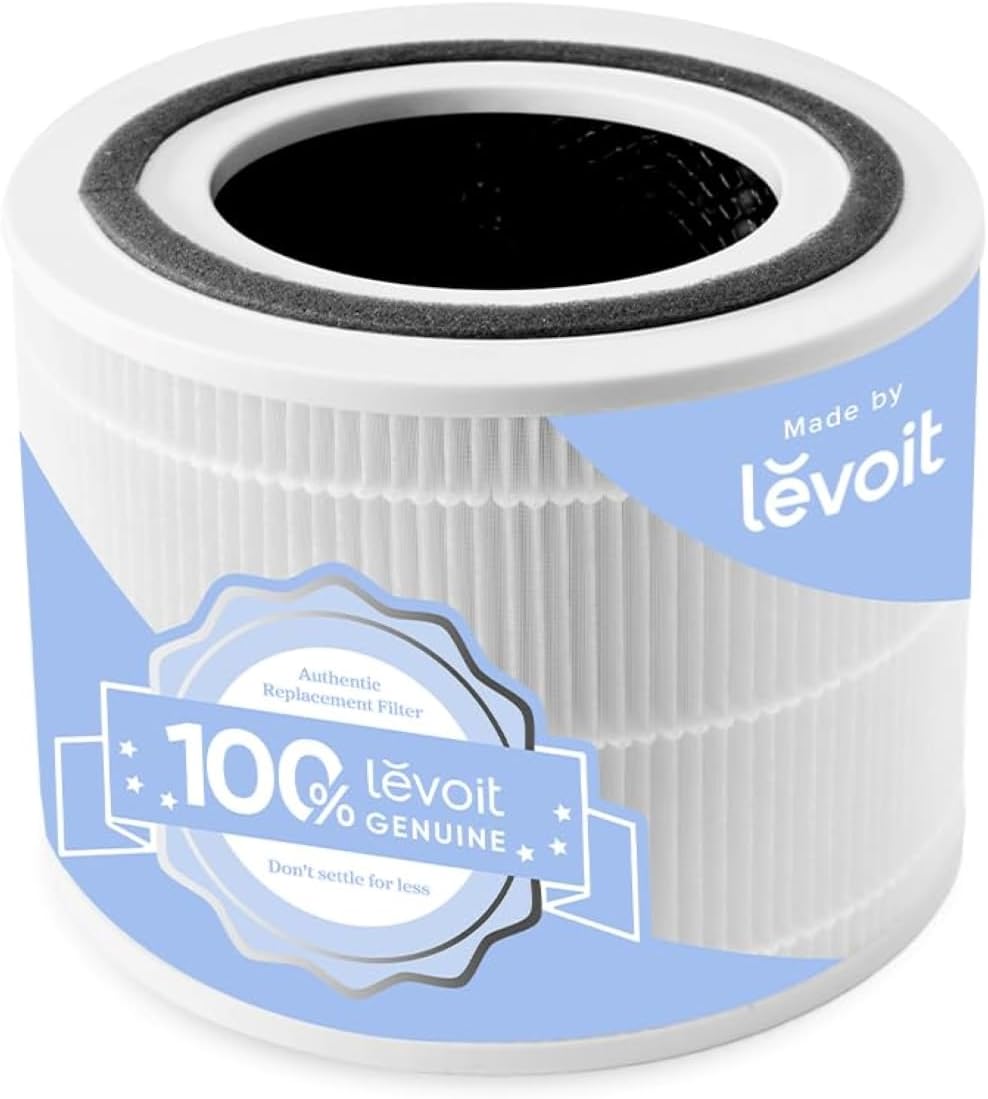
High-Efficiency Particulate Air (HEPA) filters are the gold standard in air purification technology. They are designed to capture at least 99.97% of airborne particles 0.3 micrometers in size. This includes many of the common allergens and irritants that can plague a bedroom.
A HEPA filter is crucial for trapping tiny particles like dust mite debris, pet dander, mold spores, and pollen. By eliminating these allergens from your breathing space, HEPA filters directly reduce the triggers that cause respiratory distress and sleep disruption.
Activated Carbon Filters for Odors and VOCs
While HEPA filters tackle particulate matter, activated carbon filters are essential for addressing gases and odors. These filters use a porous material with a large surface area to adsorb harmful gases, chemicals, and volatile organic compounds (VOCs).
Activated carbon filters are particularly effective at removing odors from pets, cooking, or smoke, as well as VOCs emitted from everyday household items. Reducing these chemical irritants can lead to a fresher, more pleasant sleeping environment, free from distracting smells.
Scientific Evidence: Can Air Purifier Help Sleep?
The connection between air quality and sleep is supported by scientific research. Studies have investigated how specific pollutants impact sleep patterns and how air purification can mitigate these effects. The evidence suggests a clear benefit for those struggling with sleep-related issues.
Research indicates that exposure to indoor air pollution can lead to increased sleep fragmentation and reduced sleep efficiency. Improving indoor air quality through means like air purification has shown promise in enhancing sleep outcomes.
Studies on Allergens and Sleep
Allergies are a major disruptor of sleep, causing nasal congestion, sneezing, and itchy eyes. For individuals with conditions like asthma or allergic rhinitis, a bedroom free from allergens is paramount for a good night’s sleep. Air purifiers play a significant role here.
A study published in the Journal of Sleep Research found that individuals with untreated allergic rhinitis reported poorer sleep quality. By reducing allergen levels in the bedroom, air purifiers can alleviate these symptoms, allowing for more continuous and restful sleep.
Impact on Respiratory Health and Sleep
Clean air is vital for respiratory health, and compromised airways often lead to disturbed sleep. Conditions like sleep apnea or asthma can be exacerbated by poor air quality, making breathing more difficult during sleep. Air purifiers offer a supportive solution.
By removing irritants that can trigger asthma or worsen respiratory symptoms, air purifiers help maintain clearer airways. This can lead to fewer instances of coughing, wheezing, or shortness of breath during sleep, contributing to a more peaceful night.
Choosing the Right Air Purifier for Your Bedroom
Selecting the best air purifier for your needs involves considering several factors. The size of your room, the types of pollutants you aim to target, and the features of the unit are all important. A well-chosen purifier can make a noticeable difference in your sleep.
When selecting an air purifier, look for units with a CADR (Clean Air Delivery Rate) suitable for your room size. This rating indicates how quickly the purifier can clean the air of specific pollutants like smoke, dust, and pollen.
Key Features to Consider
Beyond filtration, several other features can enhance the user experience and effectiveness of an air purifier for sleep. Noise level, energy efficiency, and smart features are worth noting. A quiet operation is particularly important for a bedroom environment.
Here’s a quick rundown of features to look for:
| Feature | Importance for Sleep | Notes |
| :—————— | :——————- | :————————————————————————— |
| HEPA Filter | High | Captures allergens, dust, pet dander, mold spores. |
| Activated Carbon| High | Adsorbs odors and VOCs for fresher air. |
| Noise Level | Very High | Look for models with a “sleep mode” or low decibel rating for quiet operation. |
| Room Size Coverage | High | Ensure the CADR matches or exceeds your bedroom square footage. |
| Energy Efficiency | Medium | Look for Energy Star certification to save on electricity costs. |
| Smart Features | Optional | Wi-Fi connectivity, app control, air quality sensors can be convenient. |
Many modern air purifiers also offer specialized modes designed for nighttime use. These often involve dimming indicator lights and reducing fan speed to minimize noise and light pollution, further aiding sleep.
Placement and Maintenance
Proper placement and regular maintenance are crucial for an air purifier’s optimal performance. Placing the unit in a location where it can effectively circulate air without obstruction will maximize its benefits. Neglecting maintenance can reduce efficiency.
Ensure the air purifier is placed on a flat surface with at least a foot of clearance around all sides for proper airflow. Avoid placing it directly behind furniture or curtains.
Regularly check and replace the filters according to the manufacturer’s recommendations. Clogged filters become less effective and can even recirculate trapped pollutants.
Beyond Air Purifiers: Creating a Sleep-Conducive Environment
While an air purifier can be a powerful tool, it’s part of a larger strategy for improving sleep hygiene. Creating an optimal bedroom environment involves multiple factors that work together to promote relaxation and deep rest. Consider these complementary practices.
A holistic approach to sleep involves addressing all potential disruptors. This includes managing light, noise, temperature, and establishing a calming pre-sleep routine.
Optimizing Bedroom Environment for Sleep
The bedroom should be a sanctuary dedicated to sleep and intimacy. Minimizing distractions and creating a tranquil atmosphere is key to signaling to your body that it’s time to rest. This includes controlling sensory input.
Darkness: Use blackout curtains to block out external light sources. Even small amounts of light can disrupt melatonin production.
Quiet: Beyond an air purifier’s gentle hum, minimize other noises. Consider earplugs or a white noise machine if needed.
Temperature: Most people sleep best in a cooler room, typically between 60-67°F (15-19°C).
Comfort: Ensure your mattress and pillows are comfortable and supportive.
These elements work synergistically. A cool, dark, and quiet room, coupled with clean air, creates the ideal conditions for uninterrupted, restorative sleep.
Sleep Hygiene Practices
Good sleep hygiene involves consistent habits that promote healthy sleep patterns. These practices help regulate your body’s natural sleep-wake cycle, making it easier to fall asleep and stay asleep. Consistency is key to building these habits.
Consistent Sleep Schedule: Go to bed and wake up around the same time each day, even on weekends.
Relaxing Bedtime Routine: Engage in calming activities like reading, taking a warm bath, or gentle stretching before bed.
Limit Screen Time: Avoid electronic devices with blue light for at least an hour before sleep.
Avoid Caffeine and Alcohol: Limit intake, especially in the hours leading up to bedtime.
* Regular Exercise: Physical activity can improve sleep quality, but avoid intense workouts close to bedtime.
Implementing these habits, alongside using an air purifier, can significantly boost your chances of achieving consistently good sleep.
Air Purifiers and Specific Sleep Issues
For individuals with particular sleep challenges, an air purifier can offer targeted relief. Those suffering from allergies, asthma, or even snoring may find a significant improvement in their sleep quality. The benefits are often directly related to reduced airway irritation.
If you experience symptoms like congestion, dry throat, or snoring, the air you breathe could be a contributing factor. An air purifier can help alleviate these issues by creating a cleaner respiratory environment.
Allergies and Asthma Sufferers
People with allergies and asthma are particularly sensitive to airborne irritants. Dust, pollen, pet dander, and mold spores can trigger inflammatory responses that make breathing difficult and disrupt sleep. An air purifier can dramatically improve this.
By removing these allergens, an air purifier can reduce the frequency and severity of allergy and asthma symptoms during the night. This leads to less coughing, wheezing, and nasal congestion, allowing for deeper, more comfortable sleep.
Snoring and Sleep Apnea
While an air purifier is not a cure for snoring or sleep apnea, it can help alleviate contributing factors. Nasal congestion and inflamed airways, often exacerbated by poor air quality, can worsen snoring and make breathing more difficult for those with sleep apnea.
A cleaner, less irritating air environment can help reduce swelling in the nasal passages and throat. This can lead to quieter sleep for snorers and potentially easier breathing for individuals with mild sleep apnea.
Dispelling Myths About Air Purifiers and Sleep
There are a few common misconceptions about air purifiers and their impact on sleep. Understanding these myths can help you make an informed decision about whether an air purifier is right for your bedroom. Not all air purifiers are created equal, and some may not be as effective as others.
One common myth is that all air purifiers are noisy and disruptive. However, many modern units are designed with quiet operation and specific sleep modes. Another misconception is that they are only useful for people with severe allergies.
Noise Levels and Sleep Disruption
Some people worry that the sound of an air purifier will keep them awake. While older or larger units might be noticeable, most modern air purifiers are very quiet, especially on lower settings or in “sleep mode.” The gentle white noise can even be beneficial for some.
The consistent, low-frequency sound produced by many air purifiers can act as white noise. This can help mask more disruptive background noises, such as traffic or household sounds, leading to a more tranquil sleep environment.
Are Air Purifiers Effective for Everyone?
The effectiveness of an air purifier can vary depending on individual sensitivities and the specific pollutants present in a home. While beneficial for many, they are not a universal solution for all sleep problems. Other factors like stress and lifestyle also play a role.
However, for those whose sleep is affected by airborne allergens, irritants, or poor air quality, an air purifier offers a tangible and proven benefit. It’s a proactive step towards improving your sleep environment.
FAQs: Can Air Purifier Help Sleep?
What is the most important feature of an air purifier for sleep?
The most crucial features for sleep are a true HEPA filter to capture allergens and irritants, and a quiet operation or “sleep mode” to minimize noise disruption.
Can an air purifier help with dry throat or mouth during sleep?
Yes, by removing irritants and allergens that can cause inflammation and congestion, an air purifier can help promote clearer nasal passages and reduce mouth breathing, potentially alleviating dry throat issues.
How quickly can I expect to see sleep improvements after using an air purifier?
Some individuals report feeling immediate benefits from cleaner air, such as easier breathing. However, significant improvements in sleep quality may take a few days to a couple of weeks as your body adjusts to the cleaner environment and symptoms diminish.
Do air purifiers use a lot of electricity?
Modern air purifiers, especially those with Energy Star certification, are generally energy-efficient. Using a unit sized correctly for your room and utilizing sleep modes can help manage electricity consumption.
Can air purifiers help with pet odors that disrupt sleep?
Absolutely. Air purifiers equipped with activated carbon filters are highly effective at adsorbing and neutralizing pet odors, creating a more pleasant and less disruptive sleeping environment.
What if I’m sensitive to the sound of an air purifier?
If you find the sound of any air purifier bothersome, look for models specifically advertised as ultra-quiet or with a dedicated sleep mode that significantly reduces fan speed. You might also consider placing it further away from your bed or using earplugs.
Conclusion: Breathe Easier, Sleep Deeper
The question of “can air purifier help sleep?” has a clear and positive answer. By diligently removing allergens, dust, pet dander, mold spores, and volatile organic compounds from your bedroom air, an air purifier creates a healthier and more tranquil environment conducive to deep, restorative sleep. Investing in a quality air purifier, particularly one with a HEPA filter and activated carbon, is a proven strategy for improving sleep quality, especially for those affected by allergies, asthma, or general respiratory sensitivities. Remember to complement its use with good sleep hygiene practices and an optimized bedroom environment for the best results. Breathe easier tonight, and wake up feeling more refreshed.