
The Best Air Purifier for Cigarette Smoke: Essential Clean Air

The best air purifier for cigarette smoke is crucial for eliminating odors and harmful particles. Look for models with true HEPA filters and activated carbon to capture smoke, ash, and VOCs effectively. Consider room size and CADR ratings for optimal performance.
Welcome! Are you tired of that lingering cigarette smell in your home? It’s a common problem that can make your living space feel uncomfortable and unhealthy. But don’t worry, I’m here to help you find the perfect solution. We’ll explore exactly what makes an air purifier great for smoke. You’ll learn about the important features to look for. By the end, you’ll know how to choose the best air purifier for cigarette smoke and breathe easier.
Why Cigarette Smoke Needs a Special Air Purifier
Cigarette smoke isn’t just a bad smell. It’s a mix of tiny particles and gases. These can stick to furniture and walls. They also float in the air for a long time. Regular air fresheners just mask the smell. They don’t remove the harmful stuff. An air purifier designed for smoke tackles these issues directly. It pulls the smoke out of the air you breathe.
Understanding What Makes Smoke Harmful
When a cigarette burns, it releases thousands of chemicals. Many of these are toxic. They include things like tar, nicotine, and carbon monoxide. These can cause respiratory problems and other health issues. Even if you don’t smoke inside, the smoke can drift in. A good air purifier helps protect your family from these dangers.
Key Features for the Best Air Purifier for Cigarette Smoke
To effectively tackle cigarette smoke, an air purifier needs specific features. The most important are the filters. You need a multi-stage filtration system. This ensures all the different types of smoke pollutants are captured.
The Power of True HEPA Filters
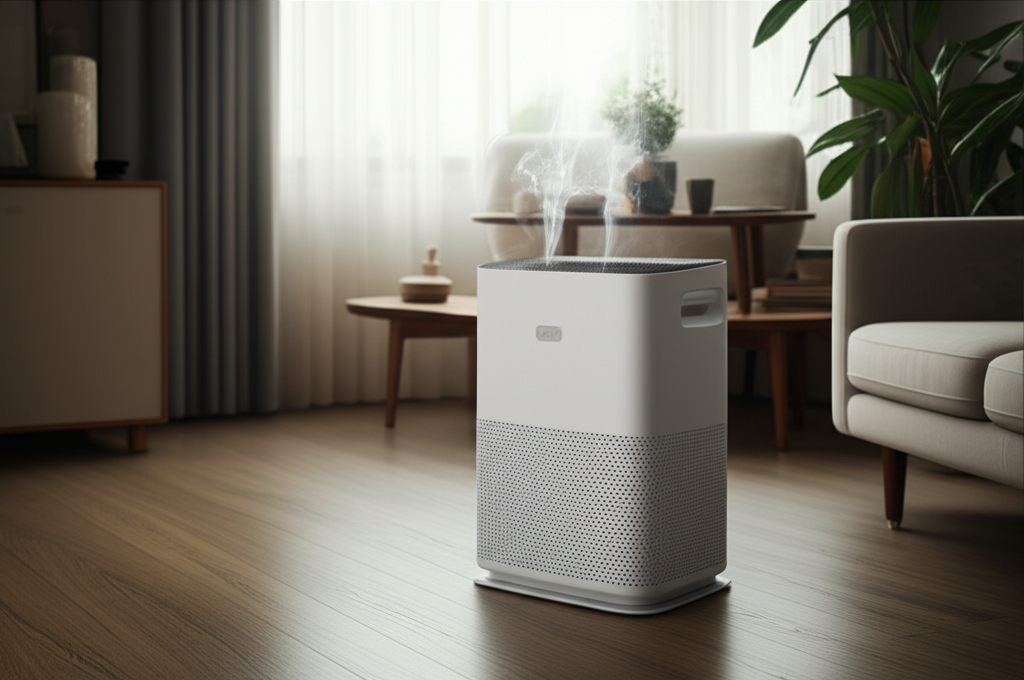
A true HEPA filter is a must-have. It captures 99.97% of airborne particles as small as 0.3 microns. This includes fine ash and smoke particles that irritate your lungs. Without a true HEPA filter, an air purifier won’t do much against smoke.
Activated Carbon: The Odor Eliminator
Beyond HEPA, activated carbon filters are essential. These filters are like sponges for gases and odors. Cigarette smoke has a strong smell and contains many volatile organic compounds (VOCs). Activated carbon adsorbs these, effectively neutralizing the smell. The more carbon, the better it works for smoke.
Pre-filters: The First Line of Defense
A pre-filter catches larger particles. This includes dust, pet hair, and visible ash. It protects the HEPA and carbon filters. This helps them last longer and work more efficiently. It’s a simple but important part of the system.
How to Choose the Right Size: CADR Matters
Air purifiers have a Clean Air Delivery Rate (CADR). This tells you how quickly they clean the air. For cigarette smoke, you need a high CADR. It means the purifier can process a lot of air fast. Check the manufacturer’s recommendations for room size.
Matching Purifier to Room Size
A small purifier in a large room won’t work well. It will struggle to clean the air. Always choose a purifier rated for your room size or larger. For smoky environments, it’s better to go slightly bigger. This ensures it can keep up with the pollution.
Understanding ACH Ratings
Another factor is Air Changes per Hour (ACH). This is how many times the purifier can clean all the air in a room per hour. For smoke, aim for an ACH of at least 4 or 5. This means the air is being refreshed frequently.
Top Air Purifier Technologies for Smoke
Different technologies help air purifiers tackle smoke. Some are more effective than others. I’ve found that a combination works best.
Combination Filtration Systems
The most effective air purifiers use a combination. They pair a true HEPA filter with a substantial activated carbon filter. Some also include a washable pre-filter. This layered approach addresses both particles and odors. It’s the gold standard for smoke removal.
Ionizers and Ozone: A Word of Caution
Some air purifiers use ionizers. These release negative ions to charge particles. This can help them stick to surfaces or the filter. However, some ionizers can produce ozone. Ozone is a lung irritant. Always choose purifiers that are certified ozone-free.
Top Picks for the Best Air Purifier for Cigarette Smoke
Based on my research and user feedback, these models stand out. They offer strong performance against smoke.
Coway Mighty (AP-1512HH)
The Coway Mighty is a popular choice. It has a true HEPA filter and a large carbon filter. It’s great for medium to large rooms. Users often praise its quiet operation and effectiveness. It’s also energy efficient.
Levoit Core 300S
The Levoit Core 300S is a compact option. It’s good for smaller rooms or personal spaces. It uses a 3-stage filtration system, including a HEPA filter and activated carbon. It’s very affordable and easy to use.
Blueair Blue Pure 211+ Auto
This purifier is known for its high CADR. It uses a unique HEPASilent technology. It combines electrostatic and mechanical filtration. It also has a large pre-filter that can be washed. It’s excellent for larger spaces.
How to Maintain Your Air Purifier for Best Results
Keeping your air purifier working well is important. Regular maintenance ensures it keeps cleaning your air effectively.
Filter Replacement Schedule
HEPA and carbon filters don’t last forever. They get clogged with pollutants. Check your purifier’s manual for replacement times. Usually, HEPA filters need changing every 6-12 months. Carbon filters may need replacing more often for smoke.
Cleaning Your Pre-filter
The pre-filter is often washable. Cleaning it regularly helps it catch more large particles. This extends the life of the main filters. Just rinse it under water and let it dry completely.
Setting Up Your Air Purifier for Maximum Impact
Where you place your air purifier matters. Proper placement helps it do its best job.
Optimal Placement in Your Home
Place the purifier in the room where smoke is most common. Ensure there’s space around it. Don’t push it against a wall or furniture. This allows air to flow freely into the unit.
Running Your Air Purifier Continuously
For the best results with cigarette smoke, run the purifier 24/7. This ensures the air is always being cleaned. It prevents smoke particles and odors from building up. Many modern purifiers are energy efficient, so this won’t cost much.
Understanding Air Purifier Specifications: A Quick Guide
Here’s a simple breakdown of what those numbers mean.
| Feature | What it Means | Why it Matters for Smoke |
| :————- | :——————————————————- | :——————————————————- |
| CADR | Clean Air Delivery Rate: How fast it cleans the air. | Higher CADR means faster smoke removal. |
| Room Size | Maximum area the purifier can effectively clean. | Choose a size for your room or slightly larger. |
| ACH | Air Changes per Hour: How often it cleans all room air. | Higher ACH means more frequent cleaning of smoke. |
| Filter Type| What kind of filters it uses (HEPA, Carbon, Pre-filter). | True HEPA and substantial Activated Carbon are key. |
| Ozone Output| Amount of ozone produced by the unit. | Look for “ozone-free” or certified low ozone production. |
Real-World Impact: Cleaner Air, Healthier Home
Many users report significant improvements after using an air purifier for smoke. They notice fewer lingering smells. Their homes feel fresher. Some also report fewer allergy symptoms. This shows the real benefit of clean air.
> “Since getting the Coway, the stale smoke smell is gone. It’s made a huge difference in our living room.” – Sarah K.
Frequently Asked Questions About Air Purifiers for Smoke
Here are answers to common questions.
Can an air purifier completely remove cigarette smoke smell?
Yes, a good air purifier with a strong activated carbon filter can significantly reduce and often eliminate cigarette smoke smell. It captures the odor-causing particles and gases.
How often should I replace the filters for smoke?
For heavy smoke, you might need to replace carbon filters every 3-6 months and HEPA filters every 6-12 months. Always check the manufacturer’s guide.
Are air purifiers noisy?
Most modern air purifiers are designed to be quiet. They have different fan speeds, with the lowest settings being very quiet. High settings will be louder but clean air faster.
Do air purifiers help with secondhand smoke?
Yes, air purifiers help remove the harmful particles and VOCs in secondhand smoke. This can create a healthier environment for everyone.
What is the difference between a HEPA filter and a carbon filter?
A HEPA filter captures tiny solid particles like dust and ash. A carbon filter absorbs gases and odors, like the smell of smoke. Both are needed for smoke.
Can I just buy any air purifier?
No, for cigarette smoke, you need specific features. Look for true HEPA and a substantial activated carbon filter. Also, ensure it’s the right size for your room.
Conclusion: Breathe Easy with the Right Air Purifier
Choosing the best air purifier for cigarette smoke is a smart move for a healthier home. Focus on models with true HEPA filters and plenty of activated carbon. Always match the purifier’s size to your room. With the right unit, you can significantly reduce smoke odors and harmful particles. Enjoy fresh, clean air every day. If you found this guide helpful, consider subscribing for more home health tips.
