
The Difference Between Air Purifier and Humidifier: Essential Guide

Air purifiers clean your air by removing pollutants, while humidifiers add moisture to dry air. Understanding the difference between air purifier and humidifier is key to choosing the right device for your home’s air quality and comfort.
Breathing fresh, clean air is something we all want. But sometimes, our homes don’t provide it naturally. You might have noticed that some devices are called “air purifiers” and others “humidifiers.” They sound similar, but they do very different jobs. It can be confusing to know which one you need. This guide will clearly explain the difference between air purifier and humidifier. I will help you understand what each one does, why you might need it, and how they can work together. Let’s make your home’s air healthier and more comfortable.
What is an Air Purifier and How Does It Work?
An air purifier is a device designed to remove contaminants from the air. Think of it as a vacuum cleaner for your air. It pulls air in, passes it through a series of filters, and then releases cleaner air back into the room. These filters trap tiny particles like dust, pollen, pet dander, mold spores, and even smoke. Some advanced purifiers also use technologies like activated carbon filters to remove odors and volatile organic compounds (VOCs).
How Air Purifiers Clean Your Air
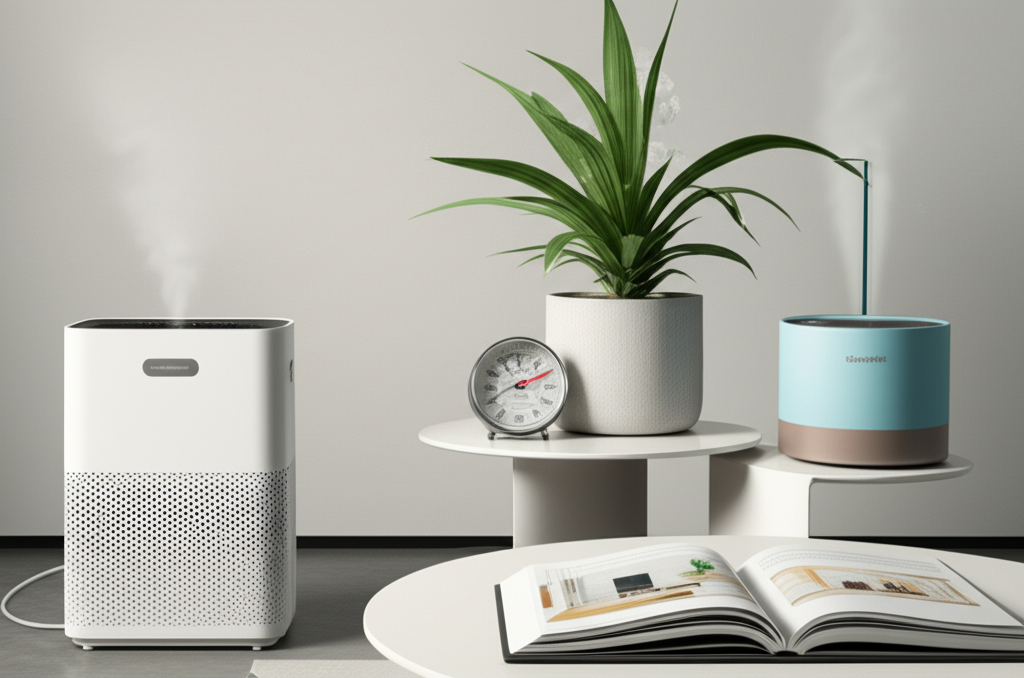
Air purifiers work by using fans to draw air through their filtration system. The most common type of filter is a High-Efficiency Particulate Air (HEPA) filter. A true HEPA filter can capture at least 99.97% of airborne particles 0.3 microns in size. Other filters, like pre-filters, capture larger particles, extending the life of the HEPA filter. Activated carbon filters then absorb gases and odors. This multi-stage process ensures that the air released is significantly cleaner.
What is a Humidifier and How Does It Work?
A humidifier is a device that adds moisture to the air. It does this by releasing water vapor into the room. This is especially helpful in dry climates or during winter months when heating systems can dry out the air. Dry air can cause a variety of problems, like dry skin, chapped lips, irritated sinuses, and even worsen symptoms for people with asthma or allergies. Humidifiers combat these issues by increasing the humidity level.
How Humidifiers Add Moisture to the Air
There are several types of humidifiers, but they all work by turning water into a mist or vapor. Cool-mist humidifiers often use a wick filter and a fan to evaporate water into the air. Warm-mist humidifiers boil water to create steam, which is then released. Ultrasonic humidifiers use high-frequency vibrations to create a fine mist. Evaporative humidifiers use a fan to blow air through a wet wick or filter. Each method achieves the same goal: to make the air less dry.
The Core Difference: What They Target
The fundamental difference between an air purifier and a humidifier lies in what they address. An air purifier focuses on removing things from the air that are harmful or undesirable. It targets pollutants and allergens. A humidifier, on the other hand, focuses on adding something to the air. It targets dryness by increasing the moisture content.
One cleans what’s already there, while the other adds what’s missing. Understanding this core difference is the first step to choosing the right device for your needs.
Key Benefits of Using an Air Purifier
Air purifiers offer significant benefits for health and comfort. They are particularly useful for people with allergies, asthma, or respiratory sensitivities. By removing allergens like pollen, dust mites, and pet dander, they can reduce symptoms like sneezing, coughing, and itchy eyes. They also help eliminate odors from cooking, pets, or smoke, making your home smell fresher.
Specific Air Purifier Advantages
Allergy Relief: Reduces exposure to common allergens.
Asthma Symptom Reduction: Helps create a less irritating environment.
Odor Elimination: Removes unpleasant smells from the air.
Smoke and Fume Removal: Captures harmful particles from smoke.
Improved Sleep: Cleaner air can lead to better rest.
Protection from Germs: Filters can trap some airborne bacteria and viruses.
A study by the Environmental Protection Agency (EPA) highlights that indoor air can be two to five times more polluted than outdoor air, making air purifiers a valuable tool for improving indoor environments.
Key Benefits of Using a Humidifier
Humidifiers are excellent for combating the effects of dry air. When the air is too dry, it can lead to dry skin, cracked lips, and irritated nasal passages. This can make you more susceptible to colds and other respiratory infections. By maintaining an optimal humidity level, typically between 40% and 60%, humidifiers can alleviate these discomforts. They can also help preserve wooden furniture and musical instruments by preventing them from drying out and cracking.
Specific Humidifier Advantages
Soothes Dry Skin: Helps keep skin moisturized and comfortable.
Relieves Sinus Congestion: Moist air can ease sinus pressure and dryness.
Eases Cold and Flu Symptoms: Helps loosen mucus and soothe sore throats.
Reduces Snoring: Moist airways may lead to less snoring.
Protects Home Furnishings: Prevents wood from drying and cracking.
Improves Plant Health: Many houseplants thrive in more humid conditions.
According to the Mayo Clinic, maintaining a proper humidity level can help prevent the survival of viruses in the air.
Can You Use Them Together?
Yes, absolutely! Air purifiers and humidifiers can be used together, and many people find great benefit from doing so. They address different air quality issues, so they complement each other rather than compete. You can have clean air and the right amount of moisture simultaneously.
For instance, if you have allergies and live in a dry climate, using both a purifier and a humidifier can significantly improve your home’s air quality. The purifier tackles allergens, while the humidifier prevents your airways from drying out, which can worsen allergy symptoms.
When to Choose an Air Purifier
You should consider an air purifier if you or someone in your household suffers from allergies or asthma. If you live with pets, an air purifier is essential for managing dander and odors. It’s also a good choice if you are concerned about indoor air pollution from cooking smoke, outdoor smog entering your home, or if you want to eliminate musty smells.
People who live in areas with high levels of air pollution or wildfire smoke also benefit greatly from air purifiers. They act as a shield against these harmful airborne particles.
When to Choose a Humidifier
A humidifier is your best bet if you experience symptoms of dry air. These include dry skin, chapped lips, static electricity, and frequent nosebleeds. If you wake up with a dry throat or a stuffy nose, especially during winter, a humidifier can provide relief. It’s also beneficial for households with young children or the elderly, as they can be more sensitive to dry conditions.
If you notice your wooden furniture or floors developing cracks, or your houseplants looking sad and droopy, it’s a sign the air is too dry. A humidifier can help protect your belongings and your plants.
Understanding the Differences: A Quick Comparison
To make the difference between air purifier and humidifier even clearer, let’s look at a simple comparison. This table highlights their primary functions and the problems they solve.
| Feature | Air Purifier | Humidifier |
| :————— | :—————————————– | :—————————————— |
| Primary Goal | Remove pollutants from the air | Add moisture to the air |
| What it Does | Filters out dust, pollen, dander, smoke | Releases water vapor into the air |
| Problem Solved | Poor air quality, allergens, odors | Dry air, dry skin, irritated sinuses |
| Key Component| Filters (HEPA, carbon) | Water tank, misting mechanism |
| Best For | Allergy sufferers, pet owners, urban areas | Dry climates, winter months, dry skin |
| Effect on Air| Cleans and refreshes | Adds moisture and humidity |
This table summarizes the main distinctions, helping you pinpoint which device aligns with your specific needs.
Can a Humidifier Make Your Air Worse?
While humidifiers are beneficial, they can cause problems if not used or maintained correctly. If a humidifier is not cleaned regularly, bacteria and mold can grow in the water tank. This can then be dispersed into the air, potentially causing respiratory issues. It’s crucial to follow the manufacturer’s instructions for cleaning and to use distilled or demineralized water to prevent mineral buildup.
Over-humidifying a room can also lead to issues like mold growth on walls and furniture, and can create a damp environment that attracts dust mites. Using a hygrometer to monitor humidity levels is recommended.
Can an Air Purifier Be Used in a Humid Room?
Yes, an air purifier can be used in a humid room. In fact, air purifiers can help improve the air quality in any room, regardless of its humidity level. However, it’s important to note that an air purifier does not control humidity. If a room is excessively humid, an air purifier might help by filtering out mold spores that can thrive in damp conditions.
For rooms that are too humid, a dehumidifier is the appropriate appliance to use. An air purifier cleans particles, while a dehumidifier removes excess moisture.
Air Purifier vs. Humidifier vs. Dehumidifier: What’s the Difference?
It’s also common to confuse humidifiers with dehumidifiers. A dehumidifier does the opposite of a humidifier: it removes moisture from the air. This is useful in damp environments like basements or bathrooms, or in humid climates where excess moisture can lead to mold and mildew growth.
So, to recap:
Air Purifier: Removes particles (dust, pollen, smoke).
Humidifier: Adds moisture to dry air.
* Dehumidifier: Removes excess moisture from damp air.
Understanding these three distinct functions is vital for managing your home’s environment effectively.
Frequently Asked Questions (FAQ)
Q1: Do I need an air purifier if I don’t have allergies?
Even without allergies, an air purifier can improve your home’s air quality by removing everyday pollutants like dust, cooking fumes, and even airborne viruses. This can lead to a fresher-smelling and healthier living space.
Q2: Can a humidifier help with snoring?
Yes, a humidifier can sometimes help reduce snoring. Dry air can irritate the throat and nasal passages, which can contribute to snoring. Adding moisture to the air can soothe these tissues, potentially leading to quieter sleep.
Q3: How often should I clean my air purifier filters?
You should clean or replace your air purifier filters according to the manufacturer’s recommendations. Pre-filters often need cleaning every 2-4 weeks, while HEPA and carbon filters may need replacement every 6-12 months.
Q4: Is it better to use a cool-mist or warm-mist humidifier?
Cool-mist humidifiers are generally safer for homes with children and pets as they don’t produce hot steam. Warm-mist humidifiers boil water, which can kill bacteria and mold, but they pose a burn risk. Both are effective at adding moisture.
Q5: Can an air purifier remove odors?
Yes, many air purifiers are equipped with activated carbon filters, which are very effective at absorbing and neutralizing odors from smoke, pets, cooking, and other sources. The effectiveness depends on the size and quality of the carbon filter.
Q6: What is the ideal humidity level for a home?
The ideal humidity level for a home is generally between 40% and 60%. Levels below 40% are considered dry, while levels above 60% can encourage mold and dust mite growth.
Conclusion: Making the Right Choice for Your Home
Understanding the difference between an air purifier and a humidifier is crucial for creating a comfortable and healthy indoor environment. Air purifiers tackle airborne pollutants, offering relief from allergies and improving overall air freshness. Humidifiers combat dry air, soothing skin and respiratory discomfort, especially during dry seasons. While they perform distinct functions, they can work together to create an optimal living space.
By identifying your specific needs—whether it’s cleaner air, more moisture, or both—you can choose the right appliance. This knowledge empowers you to breathe easier and live better.
