
Can Air Purifier Detect Fart: Genius Odor Solution

Yes, many modern air purifiers can detect and neutralize the odors associated with flatulence, acting as a genius odor solution by utilizing advanced sensor technology and robust filtration systems.
The pungent reality of flatulence is a common, often embarrassing, household issue. While we might blush at the thought, the underlying science of odor detection and elimination is fascinating and increasingly sophisticated. Many people wonder if their trusty air purifier can tackle this specific, shall we say, fragrant problem. The good news is that with the right technology, your air purifier can indeed become a discreet and effective weapon against embarrassing household smells, restoring freshness and comfort to your living space. Let’s explore how these devices work their magic.
Can Air Purifiers Actually Detect Fart Odors?
The short answer is yes, many advanced air purifiers are equipped with sensors capable of detecting the volatile organic compounds (VOCs) that make up unpleasant odors, including those from flatulence. These sensors are designed to identify a wide range of airborne pollutants, making them surprisingly adept at sensing even subtle changes in air quality.
When these sensors pick up on specific gas signatures, they signal the purifier to activate its fan and filtration system more intensely. This proactive response helps to quickly neutralize and remove the offending smell before it can spread throughout your home.
The Science Behind Odor Detection in Air Purifiers
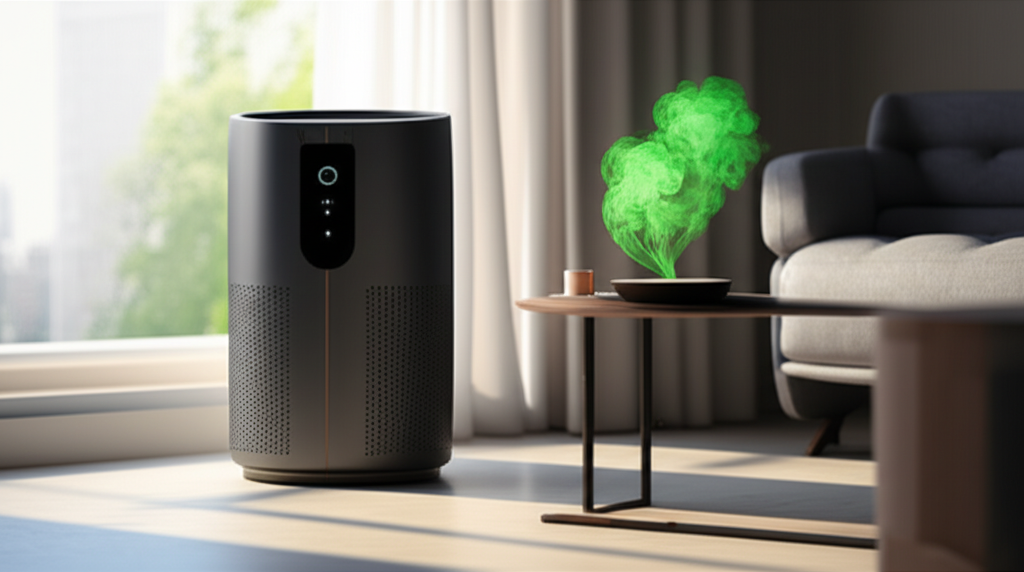
Air purifiers utilize sophisticated sensor technology, often employing electrochemical or semiconductor sensors. These sensors are highly sensitive to gases like hydrogen sulfide and ammonia, which are common culprits in the smell of flatulence. When these compounds interact with the sensor material, they trigger an electrical signal.
This signal then prompts the air purifier to increase its fan speed and engage its activated carbon filters. The activated carbon is porous and has a large surface area, making it excellent at adsorbing odor molecules. This dual action of detection and adsorption is key to their effectiveness.
How Air Purifiers Neutralize Fart Odors
Once an odor is detected, the air purifier draws air through its multi-stage filtration system. The primary component for odor removal is typically an activated carbon filter. This filter acts like a sponge, trapping odor-causing molecules on its vast internal surface area.
Beyond adsorption, some purifiers also incorporate technologies like photocatalytic oxidation (PCO) or UV-C light. These methods can break down odor molecules at a chemical level, further ensuring that the air is truly cleansed, not just masked. The combination of effective filtration and odor-breaking technologies makes them powerful odor solutions.
Key Components for Tackling Unpleasant Smells
The effectiveness of an air purifier in dealing with flatulence odors hinges on a few critical components. A robust pre-filter captures larger particles, protecting the more sensitive filters. The true odor warriors, however, are the activated carbon filters and the quality of the sensors.
An activated carbon filter needs to be substantial – the more carbon, the better the adsorption capacity. High-quality sensors, often labeled as VOC sensors or odor sensors, are crucial for timely detection. Without these, the purifier might not react quickly enough to prevent the smell from lingering.
Activated Carbon: The Odor Sponge
Activated carbon is the unsung hero in the battle against household odors. It’s created by heating carbonaceous materials like wood or coconut shells in the absence of air, which activates them and creates millions of tiny pores. This significantly increases the surface area available for adsorption.
When air containing odor molecules passes through the activated carbon, these molecules are attracted to and trapped within the pores. This process effectively removes smells from the air, making it a vital component for any air purifier aiming to tackle persistent odors like those from flatulence.
Smart Sensors and Auto Modes for Proactive Odor Control
Many modern air purifiers feature “auto modes” that leverage their built-in sensors. When the sensors detect a spike in air pollution, such as an unwelcome odor, the purifier automatically adjusts its fan speed to high. This ensures that the air is cleaned efficiently and promptly without requiring manual intervention.
This smart functionality is a game-changer for managing everyday household challenges. It means your air purifier is constantly monitoring your environment and reacting proactively, providing a continuous layer of comfort and freshness. You can set it and forget it, trusting it to handle unexpected odor events.
Choosing an Air Purifier with Advanced Odor Detection
When selecting an air purifier, look for models that explicitly mention VOC sensors, odor sensors, or activated carbon filters with substantial weight. Brands like Coway, Levoit, and Blueair often highlight these features in their product descriptions. Reading reviews can also provide valuable insights into real-world performance.
Consider the size of the activated carbon filter and the CADR (Clean Air Delivery Rate) for smoke, dust, and pollen. A higher CADR generally means more efficient air cleaning. A unit designed for a larger room can also be more effective in quickly clearing odors from a wider area.
Maintaining Your Air Purifier for Optimal Odor Removal
To ensure your air purifier continues to effectively detect and neutralize odors, regular maintenance is essential. This primarily involves cleaning or replacing the filters according to the manufacturer’s recommendations. The pre-filter should be vacuumed or washed regularly, typically every 2-4 weeks.
The activated carbon filter, being the primary odor absorber, will eventually become saturated and need replacement. This is usually recommended every 6-12 months, depending on usage and the level of pollutants in your environment. Neglecting filter maintenance will significantly reduce the unit’s ability to tackle smells.
When to Replace Activated Carbon Filters
The lifespan of an activated carbon filter varies based on the air quality and the intensity of odors it’s exposed to. A general guideline is to replace it every 6 to 12 months. However, if you notice that your air purifier is no longer effectively removing odors, it’s a clear sign that the carbon filter needs replacing, even if it hasn’t reached the recommended replacement interval.
Some smart air purifiers will even alert you when filter replacement is due, taking the guesswork out of maintenance. Paying attention to the air quality in your home and the unit’s performance will help you determine the optimal replacement schedule for your specific needs.
Beyond Farts: Air Purifiers for a Fresher Home
While the ability to detect flatulence is a testament to their advanced capabilities, air purifiers offer much broader benefits for home air quality. They are highly effective at removing common allergens like dust, pollen, and pet dander, which can significantly improve respiratory health for allergy sufferers. They also tackle smoke, cooking odors, and even VOCs released from furniture and cleaning products.
Investing in a good air purifier means creating a healthier and more pleasant living environment overall. It’s about more than just tackling one specific, albeit sometimes awkward, household smell; it’s about ensuring the air you breathe is clean and fresh, day in and day out.
Frequently Asked Questions About Air Purifiers and Odors
Q1: Will an air purifier completely eliminate fart smells?
A1: While air purifiers are very effective at significantly reducing and neutralizing fart odors, complete elimination might depend on the intensity of the smell, the purifier’s capacity, and the room’s ventilation. They work best when used continuously or when activated by their sensors.
Q2: How quickly can an air purifier detect a fart?
A2: Modern air purifiers with sensitive VOC sensors can detect odor-causing compounds within seconds to minutes of them entering the air. The speed depends on the sensor’s sensitivity and the concentration of the odor.
Q3: Can any air purifier detect fart odors, or only specific models?
A3: Air purifiers with advanced features, particularly those equipped with dedicated VOC or odor sensors and substantial activated carbon filters, are best suited for detecting and eliminating odors. Basic models might only circulate air without actively sensing or neutralizing smells.
Q4: What kind of filter is most important for odor removal?
A4: The activated carbon filter is the most crucial component for odor removal. Its porous structure adsorbs gas molecules that cause unpleasant smells, including those from flatulence.
Q5: How do I know if my air purifier is working to remove odors?
A5: You’ll notice a general improvement in air freshness. If the unit has an auto mode, you might see it increase fan speed when odors are present. If odors persist despite continuous operation, it might be time to check or replace the filters.
Q6: Do air purifiers just mask odors?
A6: High-quality air purifiers with activated carbon filters and other technologies like PCO or UV-C do not mask odors; they actively adsorb or break down the odor molecules, thus removing them from the air.
Conclusion: Your Discreet Defender Against Unpleasant Air
So, can an air purifier detect a fart? Absolutely. With their intelligent sensor technology and powerful activated carbon filtration systems, modern air purifiers are surprisingly capable of identifying and neutralizing the specific volatile compounds that cause flatulence odors. They act as your silent, ever-vigilant guardian, working to maintain a consistently fresh and comfortable atmosphere in your home. By understanding how these devices work and performing regular maintenance, you can ensure your air purifier remains your genius odor solution, tackling everything from lingering cooking smells to those occasional, unexpected gaseous emissions.
