Can Air Purifier Cause Dry Mouth? Essential Relief

While air purifiers generally improve air quality, some users report experiencing dry mouth. This article explores the potential link between air purifiers and dry mouth, offering practical solutions for relief and ensuring you breathe easier without discomfort.
Can Air Purifiers Cause Dry Mouth? Essential Relief and Solutions
It’s a common question among air purifier users: can air purifiers cause dry mouth? While these devices are designed to enhance your indoor environment by removing pollutants, some individuals find themselves dealing with an uncomfortable, dry sensation in their mouth. If you’re experiencing this, you’re not alone, and thankfully, there are clear reasons why this might happen and simple steps you can take to find relief. We’ll delve into the science behind this phenomenon and provide actionable advice to ensure your air purifier experience is a healthy and comfortable one.
The Potential Link: How Air Purifiers Might Contribute to Dry Mouth
While air purifiers are beneficial, they can sometimes inadvertently contribute to dry mouth. This usually happens due to the way they circulate and filter air, which can affect humidity levels and airflow patterns in your room. Understanding these mechanisms is the first step toward mitigating the issue.
Understanding Airflow and Dehumidification

Air purifiers work by drawing in air, passing it through filters, and then expelling cleaner air. This process can sometimes lead to a slight reduction in ambient humidity, especially in dry climates or during winter months when indoor air is already low in moisture. Lower humidity means less moisture in the air you breathe, which can consequently lead to a dry mouth sensation.
The Role of Filter Types
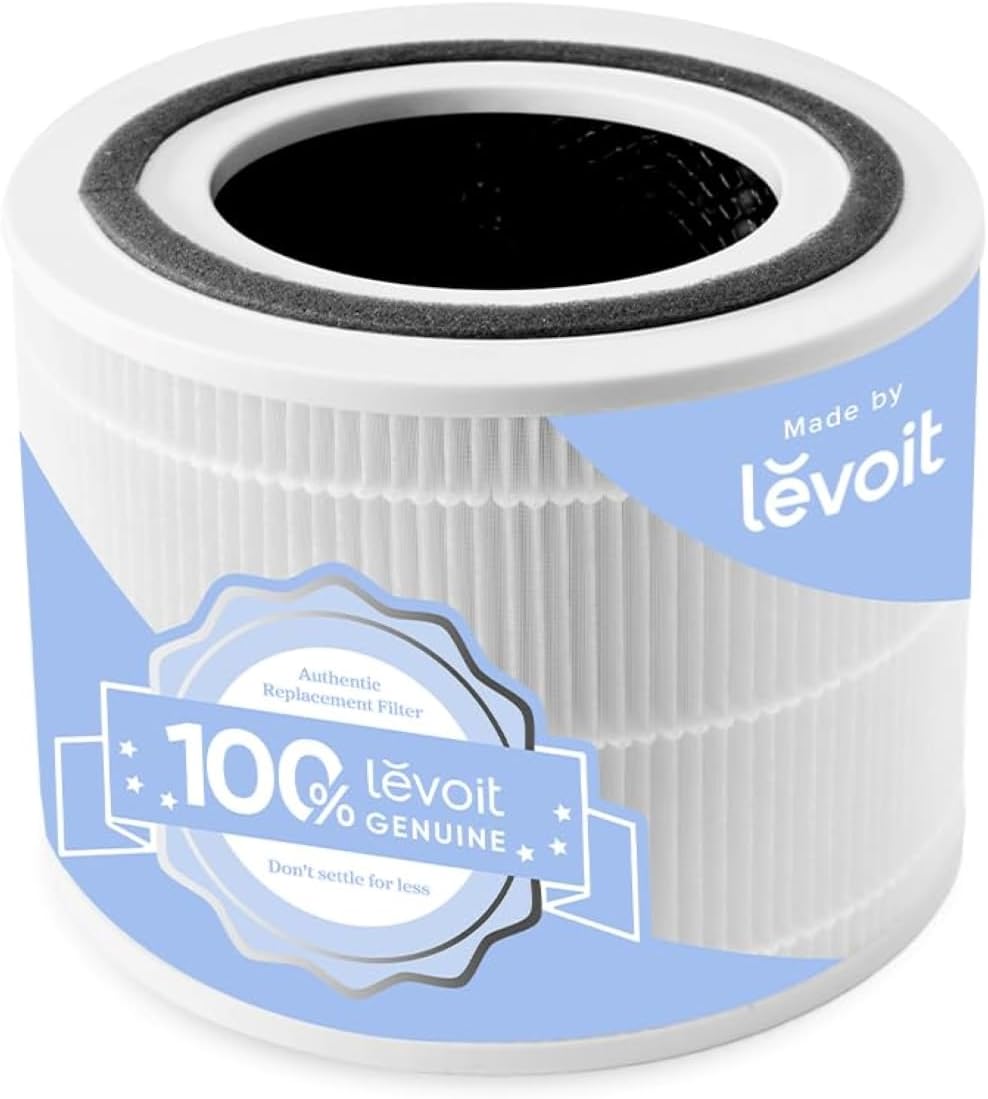
Certain types of filters within air purifiers might play a role. For instance, HEPA filters are incredibly efficient at capturing tiny particles, including moisture droplets. While this is their primary function for air purification, in very dry environments, this efficiency could theoretically contribute to further drying of the air.
Air Circulation Patterns
The way an air purifier circulates air can also impact your experience. If the purified air is constantly directed towards your sleeping area or your face, it can increase the rate of evaporation from your mouth and nasal passages, leading to that familiar dry feeling. It’s about how the purified air interacts with your personal space.
Identifying the Symptoms of Dry Mouth Caused by Air Purifiers
Recognizing the signs is crucial for addressing the problem. Dry mouth, or xerostomia, isn’t just about thirst; it can manifest in several ways. Being aware of these symptoms helps you confirm if your air purifier might be the culprit.
Beyond Just Thirst
You might notice a sticky or pasty feeling in your mouth, a dry or sore throat, difficulty swallowing or speaking, or even a burning sensation. Sometimes, a rough tongue or cracked lips can also be indicators of persistent dryness. These are all signals that your oral environment is lacking moisture.
Changes in Taste and Breath
Dry mouth can also affect your sense of taste, making food seem bland or metallic. Bad breath, or halitosis, is another common symptom, as saliva helps to cleanse the mouth and neutralize odors. If you notice these changes alongside using your air purifier, it’s worth investigating further.
Practical Solutions for Air Purifier-Related Dry Mouth
Fortunately, if you suspect your air purifier is contributing to dry mouth, there are several effective strategies you can employ. These solutions focus on reintroducing moisture, adjusting purifier settings, and improving your personal hydration habits.
Hydration is Key: Drink More Water
The most straightforward solution is to increase your fluid intake. Staying well-hydrated throughout the day helps your body produce enough saliva to keep your mouth moist. Sipping water regularly, especially before bed, can make a significant difference in combating dryness.
Use a Humidifier Alongside Your Air Purifier
A humidifier can effectively counteract the drying effects of an air purifier, particularly in arid environments. By adding moisture back into the air, a humidifier helps maintain optimal humidity levels, creating a more comfortable breathing environment for everyone. Aim for a humidity level between 40% and 60% for best results.
Adjust Your Air Purifier’s Placement and Settings
Consider repositioning your air purifier. Moving it further away from your bed or primary seating area can reduce the direct airflow on your face. Some air purifiers also have adjustable fan speeds; using a lower setting can decrease the intensity of air circulation and its potential drying effect.
When to Consider Different Air Purifier Technologies
Not all air purifiers operate in the same way, and some technologies are less likely to contribute to dry mouth than others. If you’ve tried other solutions without success, exploring different types of purifiers might be the next step.
Ionizers and Ozone: A Note of Caution
Some air purifiers use ionizers, which release negative ions into the air to attract and neutralize pollutants. While effective, these can sometimes produce small amounts of ozone, which can be irritating to the respiratory tract and may exacerbate dry mouth symptoms for sensitive individuals. Ozone generators, in particular, should be used with extreme caution or avoided altogether if you experience respiratory issues.
The Benefits of Advanced Filtration Systems
Air purifiers with multi-stage filtration systems, including pre-filters, HEPA filters, and activated carbon filters, are generally excellent choices. Activated carbon filters are particularly good at absorbing odors and gases without adding moisture or potentially harmful byproducts like ozone. These systems focus on cleaning the air without significantly altering its moisture content.
Lifestyle Adjustments for Enhanced Comfort
Beyond managing your air purifier, certain lifestyle changes can significantly help alleviate dry mouth. These are simple habits that support overall oral health and hydration.
Oral Hygiene Practices
Maintaining good oral hygiene is crucial when dealing with dry mouth. Brush your teeth twice a day with a fluoride toothpaste and floss daily. Using an alcohol-free mouthwash can also help prevent irritation and maintain moisture.
Dietary Considerations
Certain foods and beverages can worsen dry mouth. Limiting caffeine, alcohol, and sugary drinks is advisable, as they can have a dehydrating effect. Opt for water-rich foods like fruits and vegetables instead.
Expert Insights on Air Purifiers and Oral Health
Leading health organizations and environmental experts often discuss the benefits of clean indoor air. While the primary focus is on reducing allergens and pollutants, maintaining optimal humidity levels is consistently highlighted as crucial for respiratory and oral comfort. Experts emphasize that the goal is to purify air without compromising the natural balance of your indoor environment.
For instance, the American Academy of Otolaryngology – Head and Neck Surgery provides comprehensive information on the causes and treatments for dry mouth, reinforcing the importance of adequate hydration and a balanced indoor atmosphere. Their insights underscore that while air purifiers offer significant health advantages, awareness of their potential side effects, like dryness, is key to a positive user experience.
Can Air Purifiers Cause Dry Mouth? Addressing the Nuances
So, to directly answer the question, can air purifiers cause dry mouth? It’s not a direct cause-and-effect for everyone, but rather a potential side effect influenced by environmental factors and the specific air purifier model. The key lies in the interaction between the purifier’s operation and your existing indoor air conditions.
Environmental Factors Matter
The climate you live in plays a significant role. In naturally dry regions or during arid seasons, the slight dehumidifying effect of an air purifier can become more pronounced, leading to dry mouth. Your home’s existing humidity levels are a critical factor in how you experience purified air.
Recognizing Individual Sensitivities
Some people are simply more sensitive to changes in air quality and humidity than others. Factors like medications, existing health conditions, or even simple dehydration can make you more prone to experiencing dry mouth symptoms when using an air purifier. Paying attention to your body’s responses is essential.
Troubleshooting Common Air Purifier Dry Mouth Issues
If you’re experiencing dry mouth, don’t despair. A systematic approach to troubleshooting can help pinpoint the cause and implement effective solutions. Here’s a step-by-step guide to get you back to comfortable breathing.
Step 1: Assess Your Environment
Check Humidity Levels: Use a hygrometer to measure your home’s humidity. If it’s consistently below 40%, a humidifier is likely needed.
Consider Climate: Are you in a dry region? This makes dryness more probable.
Step 2: Evaluate Your Air Purifier Usage
Placement: Is the purifier blowing directly at you? Try relocating it.
Fan Speed: Experiment with lower fan settings.
Runtime: Is it running constantly? Try reducing its operating hours if possible.
Step 3: Enhance Personal Hydration and Care
Drink Water: Increase your intake throughout the day.
Saliva Stimulants: Chew sugar-free gum or suck on sugar-free candies to encourage saliva production.
Avoid Irritants: Limit caffeine, alcohol, and smoking.
Frequently Asked Questions About Air Purifiers and Dry Mouth
Q1: Can all air purifiers cause dry mouth?
A1: Not necessarily. The likelihood depends on the purifier’s technology, fan speed, placement, and your home’s existing humidity levels. Some models are more prone to this effect than others.
Q2: How can I tell if my air purifier is causing my dry mouth?
A2: If your dry mouth symptoms started after you began using an air purifier, and they improve when you turn it off or move it away from you, it’s a strong indicator. Also, consider other potential causes like medications or health conditions.
Q3: What is the ideal humidity level for my home?
A3: Health experts generally recommend maintaining indoor humidity levels between 40% and 60%. This range is comfortable for breathing and helps prevent issues like dry mouth and overly dry air.
Q4: Are there specific air purifier features that help prevent dry mouth?
A4: Air purifiers with adjustable fan speeds and those that don’t produce ozone are generally better. Some advanced models might even have integrated humidification features, though these are less common.
Q5: Can air purifiers worsen existing dry mouth conditions?
A5: Yes, if an air purifier significantly lowers humidity or directs airflow directly at you, it can exacerbate pre-existing dry mouth symptoms. Managing the purifier’s operation and your environment is crucial.
Q6: What are some quick remedies for dry mouth?
A6: Sip water frequently, chew sugar-free gum or lozenges, and avoid mouth-drying substances like alcohol and caffeine. Maintaining good oral hygiene also helps.
Conclusion: Breathe Easy with Informed Solutions
In conclusion, while the question “can air purifiers cause dry mouth” is valid, it’s important to understand that air purifiers are generally beneficial for indoor air quality. If you are experiencing dry mouth, it’s likely a consequence of how the purifier interacts with your specific environment, rather than a fault of the device itself. By implementing the simple solutions discussed—increasing hydration, using a humidifier, adjusting placement and settings, and being mindful of your lifestyle—you can effectively combat dry mouth and continue to enjoy the health advantages of cleaner indoor air. Embrace these strategies, and you’ll be well on your way to breathing easier and feeling more comfortable in your home.