
Can Air Purifier Cause Dizziness? Essential Safety Tips

Yes, while rare, certain factors related to air purifier use, like ozone production or improper placement, can indirectly lead to dizziness. This guide provides essential safety tips to ensure your air purifier benefits your health without causing discomfort.
Can Air Purifier Cause Dizziness? Essential Safety Tips
It’s unsettling when something meant to improve your home’s air quality seems to be causing an unexpected side effect like dizziness. Many people wonder, “Can air purifier cause dizziness?” While air purifiers are generally safe and beneficial, a few specific circumstances can lead to this feeling. Understanding these potential causes and implementing simple safety measures can ensure you breathe easier and feel better. Let’s explore what might be happening and how to fix it.
Understanding Potential Links Between Air Purifiers and Dizziness
While direct causation is uncommon, certain operational aspects of air purifiers might contribute to feelings of dizziness. These issues often stem from the technology used or how the device is integrated into your living space. Identifying these potential culprits is the first step to resolving the problem.
Air purifiers are designed to remove pollutants, but their operation can sometimes create conditions that, for sensitive individuals, might manifest as dizziness. This is not a common occurrence, but it’s important to be aware of the possibilities to ensure safe and effective use.
The Ozone Factor: A Common Culprit
Some air purifiers, particularly older models or those using ionizers without proper safeguards, can produce ozone as a byproduct. High levels of ozone can irritate the respiratory system and, in sensitive individuals, may lead to symptoms like headaches and dizziness. It’s crucial to choose ozone-free purifiers.
Ozone is a lung irritant. Even at low concentrations, it can cause coughing, chest pain, and shortness of breath. For those prone to respiratory issues, ozone exposure can exacerbate their conditions, potentially leading to dizziness.
What is Ozone and Why is it a Concern?
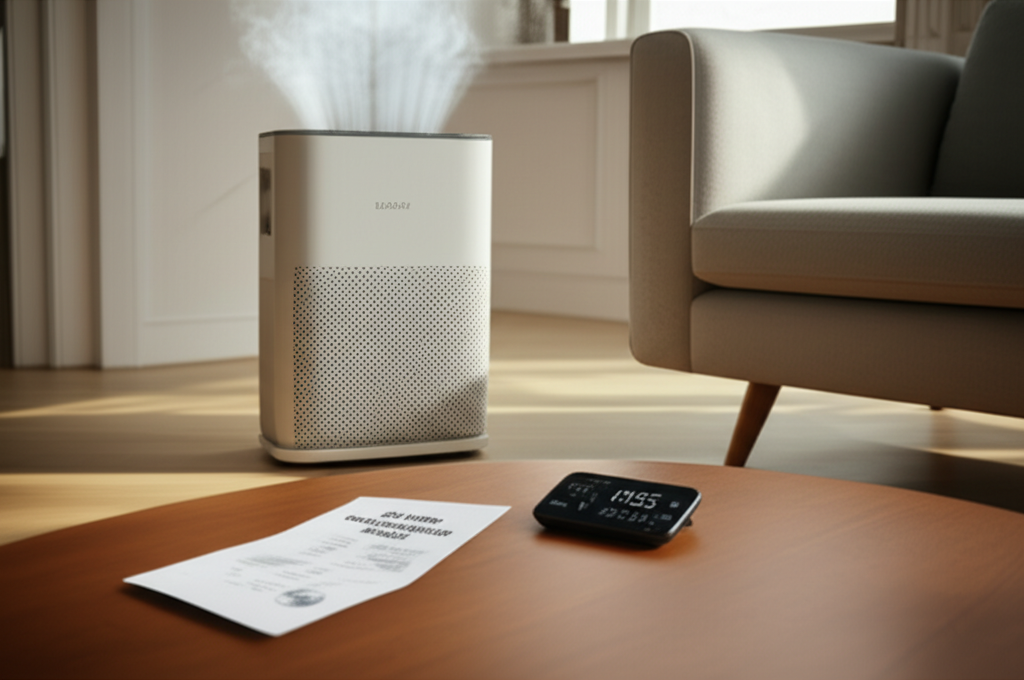
Ozone (O3) is a gas made of three oxygen atoms. While it protects us in the Earth’s stratosphere, ground-level ozone is a harmful air pollutant. In the context of air purifiers, ozone is often generated by specific technologies like ionizers or UV-C lights.
The U.S. Environmental Protection Agency (EPA) has extensively documented the health risks associated with ozone exposure. They strongly recommend avoiding products that intentionally produce ozone for air cleaning.
Identifying Ozone-Producing Air Purifiers
Look for terms like “ionizer,” “electrostatic precipitator,” or “plasma” in the air purifier’s description. While these technologies can be effective, they often come with the risk of ozone generation. Always check product specifications and certifications for ozone emissions.
Many reputable brands now offer ozone-free air purifiers, clearly labeling them as such. Prioritizing these models is a wise choice for health-conscious consumers.
The Importance of HEPA Filters and Activated Carbon
High-Efficiency Particulate Air (HEPA) filters are designed to capture tiny particles, while activated carbon filters adsorb odors and gases. These are the safest and most effective filtration methods, and they do not produce ozone or other harmful byproducts. Relying on these technologies is key.
Using air purifiers equipped with both HEPA and activated carbon filters ensures comprehensive air cleaning without introducing new pollutants. This dual-filtration system tackles both airborne particles and volatile organic compounds (VOCs).
How HEPA Filters Work
HEPA filters trap at least 99.97% of airborne particles 0.3 microns in size. This includes dust, pollen, mold spores, and pet dander, which can all contribute to poor indoor air quality and potential respiratory irritation.
These filters are a staple in medical settings for a reason: their efficiency in removing microscopic contaminants. They offer a safe and proven way to clean the air.
The Role of Activated Carbon
Activated carbon filters are porous and have a large surface area, allowing them to effectively capture gases, odors, and volatile organic compounds (VOCs) from the air. These compounds can sometimes be responsible for headaches or a feeling of stuffiness.
By adsorbing these unwanted molecules, activated carbon significantly improves the overall air quality and odor profile of a room. This contributes to a more comfortable and healthier environment.
Improper Placement and Ventilation Issues
The location of your air purifier and the room’s ventilation can also play a role. Placing an air purifier in a small, poorly ventilated room might recirculate air too intensely, potentially leading to a feeling of stuffiness or mild discomfort for some. Ensuring adequate air exchange is important.
An air purifier works best in a room with some level of natural ventilation or within a larger, well-circulated space. Overburdening a small space with a powerful unit can sometimes have unintended consequences.
Choosing the Right Room Size for Your Purifier
Air purifiers are rated for specific room sizes (measured in square feet or meters). Using a unit that is too powerful for a small space or not powerful enough for a large one can reduce its effectiveness and, in rare cases, contribute to discomfort. Always match the purifier to your room’s dimensions.
Refer to the manufacturer’s recommendations for the optimal room coverage. This ensures the unit operates efficiently without overworking or creating uneven air circulation.
The Importance of Air Circulation
While air purifiers clean the air, they also move it. In a completely sealed room with no air exchange, the continuous movement of air might feel noticeable to sensitive individuals. Occasionally opening a window can help maintain fresh air while still benefiting from the purifier.
Good ventilation is key to overall indoor air quality. An air purifier complements, rather than replaces, the need for fresh air.
Potential for VOCs and Chemical Off-Gassing
Some new air purifiers, particularly those with plastic components or certain filter materials, might release small amounts of Volatile Organic Compounds (VOCs) when first used. This “off-gassing” can sometimes cause mild symptoms like headaches or dizziness. Running the unit in a well-ventilated area initially can mitigate this.
This off-gassing effect is usually temporary and diminishes as the unit is used. However, it’s a factor to consider, especially if you are particularly sensitive to chemical odors.
What are VOCs?
VOCs are gases emitted from various products, including plastics, adhesives, and cleaning agents. While some are harmless, others can negatively impact health. Air purifiers with activated carbon filters are excellent at removing many common VOCs from the air.
Many building materials and furnishings can also contribute to indoor VOC levels. An air purifier helps to reduce your exposure to these compounds.
Tips for Minimizing Off-Gassing
When you first get a new air purifier, consider running it on a lower setting in a well-ventilated room or even outdoors for a few hours before bringing it into your main living space. This allows any initial VOCs to dissipate.
Always check product reviews and manufacturer information regarding potential off-gassing concerns for specific models. Choosing brands known for using low-VOC materials can also be beneficial.
Cleaning and Maintenance: A Critical Step
Neglecting the maintenance of your air purifier, such as failing to clean or replace filters, can lead to a buildup of trapped pollutants. A clogged filter can reduce airflow and, in some cases, allow previously captured particles to become airborne again, potentially causing respiratory irritation or a stuffy feeling. Regular maintenance is essential for optimal performance and safety.
Dirty filters not only reduce the effectiveness of your air purifier but can also become a source of secondary air pollution. Keeping your unit clean ensures it continues to provide clean, healthy air.
Filter Replacement Schedule
Most air purifiers come with recommended filter replacement schedules, typically every 6 to 12 months, depending on usage and air quality. Some units have filter indicator lights to remind you. Adhering to this schedule is vital.
Missing filter replacements can lead to reduced air intake and purification efficiency. This can make the unit work harder and less effectively.
Cleaning Your Air Purifier Unit
Besides replacing filters, the exterior and interior components of the air purifier, such as pre-filters or the housing around the filters, should be cleaned regularly. Dust buildup on the unit can impede airflow and potentially contribute to a less healthy environment.
Always unplug the air purifier before cleaning and refer to the manufacturer’s instructions for specific cleaning methods. This ensures safe and effective maintenance.
Choosing the Right Air Purifier Technology
Not all air purifier technologies are created equal, and some are more prone to causing issues than others. Understanding the different types of purification methods can help you select a unit that is both effective and safe for your home environment. Prioritize technologies known for safety.
The market offers a variety of air purification systems, each with its own strengths and potential drawbacks. Making an informed choice based on your needs and sensitivities is paramount.
Ozone-Free Technologies to Favor
Look for air purifiers that rely on mechanical filtration, such as HEPA filters, combined with activated carbon. These methods are highly effective at capturing pollutants without generating harmful byproducts like ozone. Many modern units focus on these safe technologies.
Brands that prioritize certifications like CARB (California Air Resources Board) compliance are generally a good indicator of ozone-free operation. This certification specifically addresses ozone emissions.
Technologies to Be Wary Of
Air purifiers that heavily rely on ionizers or plasma discharge without robust ozone-reduction mechanisms can be problematic. While they may claim to clean the air, the potential for ozone generation is a significant concern, especially for those sensitive to it.
Always research the specific technology used by a brand. If ozone production is a possibility, explore alternative options or ensure the unit has strong safeguards.
How to Address Dizziness if You Suspect Your Air Purifier
If you begin to experience dizziness after using an air purifier, the first step is to assess the situation calmly. Consider the factors we’ve discussed, such as ozone production, placement, and maintenance. Taking a few simple steps can help pinpoint the cause and resolve the issue.
It’s natural to feel concerned, but most dizziness issues related to air purifiers are easily remedied. Let’s walk through the troubleshooting process.
Immediate Steps to Take
If you feel dizzy, turn off the air purifier and move to a different room with fresh air. Note when the dizziness subsides. If it disappears quickly, the air purifier is a likely contributor.
Consider if the unit is new, if filters need changing, or if it’s placed in a small, enclosed space. These observations are crucial for diagnosis.
Troubleshooting Common Issues
1. Check for Ozone: If your purifier has an ionizer, try turning it off. If the dizziness stops, ozone is likely the cause. Look for an ozone-free model.
2. Verify Placement: Ensure the purifier is not in a very small, unventilated room. Try moving it to a larger space.
3. Inspect Filters: Check if filters are due for replacement or if the unit needs cleaning.
4. New Unit Off-Gassing: If the unit is new, run it in a different room or outdoors for a day to let it off-gas.
These steps can help isolate the problem and guide you toward a solution.
Seeking Professional Advice and Air Quality Testing
If you continue to experience dizziness or have concerns about your indoor air quality, it’s wise to consult a healthcare professional. They can help rule out other potential causes of your symptoms and provide personalized advice. Additionally, professional air quality testing can identify specific pollutants in your home.
Understanding your environment is key to maintaining good health. Sometimes, professional insights are necessary to ensure your home is as healthy as possible.
When to Consult a Doctor
If dizziness is persistent, severe, or accompanied by other concerning symptoms like nausea, vomiting, or difficulty breathing, seek medical attention immediately. Your health is the priority, and a doctor can provide accurate diagnosis and treatment.
Don’t hesitate to discuss your home environment, including the use of air purifiers, with your doctor. They may ask about the type of purifier you use and its placement.
Understanding Air Quality Testing
Professional air quality testing can measure the levels of various pollutants in your home, including VOCs, particulate matter, and potential ozone. This data can help identify if your air purifier is contributing to issues or if other sources are present. Services like those offered by Environmental Health Consultants can provide comprehensive analysis.
Armed with this information, you can make informed decisions about your air purifier and other strategies to improve your indoor environment.
Conclusion: Breathe Easy with Informed Choices
So, can air purifier cause dizziness? While it’s not a common side effect, it is possible if the unit produces ozone, is improperly placed, or requires maintenance. By understanding the technology, choosing ozone-free models with HEPA and activated carbon filters, ensuring proper placement and ventilation, and adhering to maintenance schedules, you can confidently use an air purifier to improve your home’s air quality. If you do experience dizziness, don’t panic; troubleshoot the potential issues, and always prioritize your health by seeking professional advice when needed.
Frequently Asked Questions
Can a brand new air purifier make me dizzy?
Yes, it’s possible for a new air purifier to cause mild dizziness due to temporary off-gassing of VOCs from its components. Running it in a well-ventilated area for a day or two before regular use can help minimize this.
What are the signs of an air purifier producing too much ozone?
Signs can include a distinct chemical smell, throat irritation, coughing, chest discomfort, or symptoms like headaches and dizziness, especially in sensitive individuals.
Should I worry if my air purifier has an ionizer?
If your air purifier has an ionizer, it’s important to check its ozone emissions. Look for certifications like CARB compliance. If you experience symptoms, consider disabling the ionizer function or choosing an ozone-free model.
How often should I replace my air purifier filters?
Filter replacement frequency varies by model and usage, but typically ranges from 6 to 12 months. Always refer to your air purifier’s manual for the manufacturer’s specific recommendations.
Can air purifiers with UV-C light cause dizziness?
UV-C light itself doesn’t typically cause dizziness. However, some UV-C purifiers might also incorporate ionizers, which could potentially produce ozone. The key is to check for ozone production from any combined technologies.
What’s the difference between HEPA and activated carbon filters?
HEPA filters capture particulate matter like dust and pollen, while activated carbon filters adsorb gases, odors, and VOCs. Many effective air purifiers use both for comprehensive air cleaning.
Is it safe to run an air purifier in a small bedroom all night?
Yes, it is generally safe to run an air purifier in a bedroom, provided it is rated for the room size and is ozone-free. Ensure there’s still some minimal air exchange, perhaps by leaving the door slightly ajar.
