
Can Air Purifier Cause Cancer? Essential Safety Facts

No, a properly functioning and maintained air purifier does not cause cancer. Concerns often stem from ozone production or the potential for certain filters to release harmful byproducts if misused or of poor quality. This article clarifies the science and provides essential safety facts to ensure your air purifier benefits your health without posing risks.
Air purifiers are designed to improve indoor air quality, removing pollutants that can harm our health. However, a common question that arises is whether these devices themselves could pose a risk, specifically concerning cancer. It’s a valid concern, especially with the increasing awareness of environmental health factors. Many people worry about the potential for air purifiers to emit harmful substances.
This guide aims to demystify the science behind air purifiers and their safety. We will explore the technologies involved, address common misconceptions, and provide clear, actionable advice on how to choose and use an air purifier safely. By understanding the facts, you can confidently use these devices to create a healthier living environment for you and your family.
Understanding Air Purifier Technologies and Cancer Risks
Air purifiers utilize various technologies to clean the air, including HEPA filters, activated carbon, and ionization. While most are safe, some technologies, like ozone generation, have been linked to potential health issues. It’s crucial to understand how each works to assess any associated risks.
The primary concern regarding air purifiers and cancer stems from the potential emission of ozone. Ozone is a gas that can irritate the lungs and, at high concentrations, may contribute to respiratory problems. However, modern, certified air purifiers are designed to minimize or eliminate ozone production. Understanding the specific technology your air purifier uses is the first step in ensuring its safety.
HEPA Filters: The Gold Standard for Air Purification
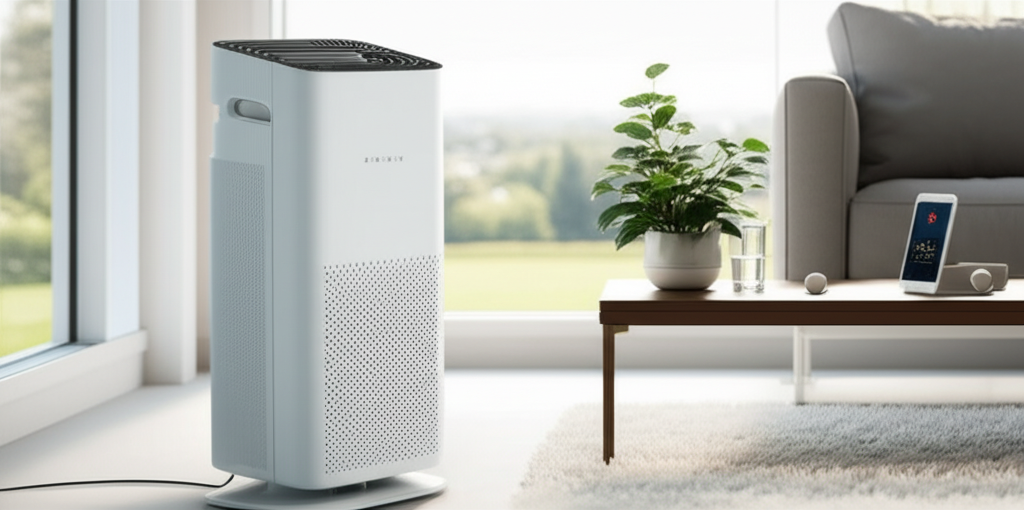
High-Efficiency Particulate Air (HEPA) filters are widely recognized for their effectiveness in capturing tiny airborne particles. They trap dust, pollen, mold spores, and even some bacteria and viruses. HEPA filters themselves do not produce harmful byproducts and are considered a safe and essential component of most quality air purifiers.
These filters work by forcing air through a fine mesh that traps particles. For a filter to be considered true HEPA, it must remove at least 99.97% of particles that are 0.3 microns in size. This rigorous standard ensures that the air passing through is significantly cleaner. Using certified HEPA filters is a key indicator of a safe and effective air purification system.
Activated Carbon Filters: Tackling Odors and VOCs
Activated carbon filters are excellent at adsorbing gases, odors, and volatile organic compounds (VOCs) from the air. They work through a process called adsorption, where gas molecules stick to the porous surface of the carbon. This technology is safe and does not contribute to cancer risks when used as intended.
VOCs can come from common household items like paints, cleaning supplies, and furniture. While not directly linked to cancer in the context of air purifiers, reducing exposure to VOCs is generally beneficial for indoor air quality and overall health. Activated carbon is a vital component for comprehensive air purification.
Ionizers and Ozone Generators: A Closer Look
Ionizers release negatively charged ions into the air, which attach to airborne particles, causing them to clump together and fall to the ground or stick to surfaces. Some ionizers can produce small amounts of ozone as a byproduct. Ozone generators, on the other hand, are specifically designed to produce ozone, often marketed for “shock treatment” of odors.
The U.S. Environmental Protection Agency (EPA) advises that ozone is a lung irritant and that devices that intentionally produce ozone should not be used in occupied spaces. While the ozone levels produced by some ionizers might be low, it’s a factor to consider. Look for air purifiers that are certified as ozone-free or produce ozone well below safety standards, such as those meeting the UL 2998 standard for zero ozone emissions.
Are Ozone-Producing Air Purifiers Dangerous?
Air purifiers that intentionally produce ozone can be dangerous, as ozone is a known lung irritant. Even low levels of ozone can aggravate asthma and other respiratory conditions. The long-term effects of chronic low-level ozone exposure are not fully understood, but it’s prudent to avoid it.
The primary concern with ozone is its impact on the respiratory system. It can damage lung tissue and reduce lung function. For individuals with pre-existing respiratory illnesses, exposure to ozone can lead to more severe symptoms and complications. Therefore, choosing an ozone-free air purifier is a critical safety measure.
Understanding Ozone Emission Standards
Several organizations set standards for ozone emissions from air purifiers to ensure consumer safety. For instance, California’s Air Resources Board (CARB) has strict limits on ozone output for air cleaning devices sold in the state. Products that meet these standards are generally considered safe regarding ozone production.
When purchasing an air purifier, check for certifications like UL 2998, which signifies that the product is certified for zero ozone emissions. This certification provides a reliable assurance that the device will not contribute to harmful ozone levels in your home. Always prioritize devices that have undergone independent safety testing and certification.
The Link Between Ozone and Cancer
While direct evidence linking ozone produced by air purifiers to cancer in humans is scarce, ozone is classified as a probable human carcinogen by some research bodies due to its oxidative properties. Ozone can damage DNA and cells, which is a mechanism associated with cancer development. Therefore, minimizing exposure to ozone is a precautionary health measure.
The concern is more about the general health effects of ozone as a lung irritant and its potential for cellular damage over time. By avoiding ozone-producing devices, you are proactively protecting your respiratory health and reducing potential long-term risks. This aligns with a preventative approach to health and well-being.
Choosing a Safe Air Purifier: Key Features to Look For
When selecting an air purifier, prioritize models that are certified ozone-free and utilize HEPA and activated carbon filtration. These features ensure effective air cleaning without introducing harmful byproducts into your living space. Always check product specifications and certifications before making a purchase.
Look for reputable brands that are transparent about their technology and testing. Certifications from independent bodies like UL, AHAM (Association of Home Appliance Manufacturers), and CARB are strong indicators of a safe and effective product. These certifications provide an added layer of assurance for consumers.
Certifications to Trust
Several certifications indicate that an air purifier is safe and effective. UL 2998 certification guarantees zero ozone emissions. AHAM Verifide certification ensures that the air purifier meets performance standards for clean air delivery rate (CADR) and room size coverage. CARB certification means the device complies with California’s strict ozone emission limits.
These certifications are not just marketing labels; they represent rigorous testing by third-party organizations. They provide objective data on a product’s performance and safety, helping you make an informed decision. Prioritizing certified products is a smart way to ensure you’re investing in your health.
Maintenance and Filter Replacement
Proper maintenance, including regular filter replacement, is crucial for both the effectiveness and safety of your air purifier. Clogged filters can reduce airflow and efficiency, while old filters might become breeding grounds for bacteria. Follow the manufacturer’s recommendations for cleaning and replacing filters.
Using genuine replacement filters from the manufacturer is also recommended. Aftermarket filters may not meet the same quality standards and could potentially release harmful particles or not perform as effectively. Keeping your air purifier in optimal condition ensures it continues to provide clean air safely.
Common Misconceptions About Air Purifiers and Cancer
One common misconception is that all air purifiers are inherently dangerous or contribute to health problems. This is largely untrue for modern, well-designed units that avoid ozone generation and use safe filtration methods. The fear often stems from older technologies or products that have been discontinued due to safety concerns.
Another misconception is that ionizers are always harmful. While some ionizers can produce ozone, many modern units are designed to produce negligible amounts or are certified ozone-free. The key is to differentiate between types of ionizers and to check for certifications. Not all technologies are created equal.
The Role of UV-C Light in Air Purifiers
Some air purifiers incorporate UV-C light technology to kill airborne bacteria and viruses. UV-C light is a form of ultraviolet radiation that can damage the DNA of microorganisms. When used correctly within an enclosed air purifier unit, it is generally considered safe and effective for germicidal purposes.
However, it’s important that the UV-C light is fully contained within the unit. Direct exposure to UV-C light can be harmful to the eyes and skin. Reputable manufacturers ensure their UV-C components are shielded. If your air purifier has a UV light feature, ensure it’s properly enclosed and functioning as intended.
Are Air Purifier Filters Safe to Dispose Of?
Used air purifier filters, including HEPA filters, are generally safe to dispose of in regular household waste. They capture particles from the air, but these particles are typically common allergens and pollutants, not hazardous waste. Always check local regulations for specific disposal guidelines, though this is rarely an issue.
When removing and disposing of used filters, it’s a good practice to seal them in a plastic bag before placing them in the trash. This prevents any trapped dust or allergens from becoming airborne during the disposal process. This simple step ensures a cleaner transition from use to disposal.
Ensuring Your Air Purifier is Safe: A Checklist
To ensure your air purifier is safe and won’t cause cancer, follow this checklist: prioritize HEPA and activated carbon filters, look for UL 2998 (ozone-free) certification, and check for AHAM or CARB certifications. Avoid devices that heavily market ozone production.
Regularly clean and replace filters according to the manufacturer’s instructions. Use genuine replacement parts to maintain optimal performance and safety. By adhering to these guidelines, you can maximize the health benefits of your air purifier while minimizing any potential risks.
Frequently Asked Questions (FAQ)
Q1: Can an air purifier with a UV light cause cancer?
A: No, not if the UV-C light is properly enclosed within the unit. Direct exposure to UV-C light can be harmful, but certified air purifiers ensure the light is contained, making it safe for use.
Q2: Are all ionizer air purifiers bad?
A: Not necessarily. While some ionizers produce ozone, many modern units are designed to produce very low levels or are certified ozone-free. It’s crucial to check for certifications like UL 2998.
Q3: What is the safest type of air purifier?
A: The safest types typically use HEPA filtration and activated carbon, and are certified ozone-free (UL 2998). These technologies effectively clean the air without emitting harmful byproducts.
Q4: How often should I replace my air purifier filters?
A: Filter replacement frequency varies by model and usage. Most manufacturers recommend replacing HEPA filters every 6-12 months and carbon filters every 3-6 months, or when indicated by the device’s indicator light.
Q5: Can air purifiers make my allergies worse?
A: Properly functioning air purifiers with HEPA filters are designed to reduce allergens and improve allergy symptoms. If your allergies worsen, it might indicate a malfunctioning unit, a need for filter replacement, or that the purifier isn’t suited for your specific allergens.
Q6: Is it safe to run an air purifier 24/7?
A: Yes, it is generally safe and often recommended to run air purifiers continuously, especially if you have allergies, asthma, or live in an area with poor air quality. Ensure the unit is certified and properly maintained.
Conclusion: Breathe Easy with Informed Choices
In conclusion, a properly selected and maintained air purifier does not cause cancer. The key to ensuring safety lies in understanding the technology used, prioritizing certified ozone-free models, and adhering to manufacturer guidelines for operation and maintenance. By choosing devices with HEPA and activated carbon filters and avoiding those that produce significant ozone, you can confidently improve your indoor air quality.
Investing in a reputable, certified air purifier is an investment in your health. It allows you to enjoy the benefits of cleaner air, reducing exposure to allergens, pollutants, and irritants without introducing new risks. Always do your research, look for trusted certifications, and enjoy a healthier home environment.
