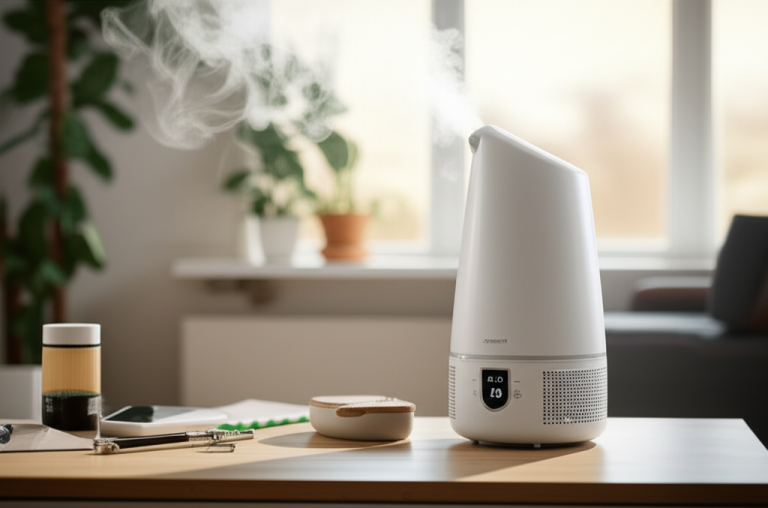
Can Air Purifier Be Used With Air Conditioner? Essential Guide

Yes, you can absolutely use an air purifier with an air conditioner, and doing so can significantly enhance your indoor air quality by combining their benefits for cleaner, fresher air.
Can Air Purifier Be Used With Air Conditioner? The Essential Guide for Healthier Homes
Many of us wonder if using an air purifier alongside our air conditioner is a good idea, especially during warmer months when the AC is running constantly. You might be concerned about potential conflicts or whether it’s even beneficial. The good news is that these two appliances can work together harmoniously to create a healthier living environment. This guide will walk you through everything you need to know, ensuring you can breathe easier and make the most of both your air conditioner and air purifier.
The Synergy: How Air Purifiers and Air Conditioners Complement Each Other
Using an air purifier with your air conditioner isn’t just possible; it’s often a powerful combination for improving indoor air quality. Your air conditioner primarily focuses on temperature control and humidity, while an air purifier targets airborne pollutants. When used together, they create a more comprehensive air treatment system.
An air conditioner circulates air within a room, which is exactly what an air purifier needs to effectively clean that air. The AC draws in room air, cools it, and recirculates it, passing it through its own filters. An air purifier, meanwhile, actively draws in air and passes it through specialized filters to capture particles like dust, pollen, pet dander, smoke, and even microscopic allergens and viruses that your AC’s basic filter might miss.
Understanding the Core Functions of Each Appliance
Before diving into how they work together, it’s crucial to understand what each appliance is designed to do. Your air conditioner’s main job is to regulate the temperature and humidity of your indoor space, making it comfortable. It achieves this by cooling the air and removing excess moisture.
On the other hand, an air purifier is specifically engineered to remove contaminants from the air. These contaminants can include allergens, volatile organic compounds (VOCs), odors, and even certain pathogens. Different types of air purifiers use various technologies, such as HEPA filters, activated carbon, or UV-C light, to achieve this purification.
Benefits of Using an Air Purifier with an Air Conditioner
Combining an air purifier with your air conditioner offers a multitude of benefits for your health and comfort. This dual approach tackles a wider range of air quality issues than either appliance can alone. It creates a more effective shield against common indoor pollutants, leading to a healthier living space.
One of the most significant advantages is enhanced allergen removal. As your AC circulates air, it can also spread allergens like pollen, dust mites, and pet dander. An air purifier captures these particles before they can settle or be recirculated repeatedly. This is particularly beneficial for individuals suffering from allergies or asthma.
Can Air Purifier Filter Help Air Conditioner Filter?
While an air purifier’s filter is designed for specific pollutant removal, it doesn’t directly “help” your air conditioner’s filter in terms of cleaning the AC’s internal components. However, by removing particulate matter from the air before it reaches the AC, the air purifier can indirectly reduce the load on the AC’s filter. This means your AC’s filter might not clog up as quickly.
Think of it as a pre-cleaning step. The air purifier tackles smaller, more varied particles, leaving the air that enters your AC system cleaner. This can lead to a more efficient operation of your air conditioner and potentially extend the life of its own filters.
Optimizing Airflow: Placement and Settings
Proper placement and settings are key to maximizing the effectiveness of both your air conditioner and air purifier. The goal is to create a continuous loop of air purification within your cooled environment. Incorrect placement can lead to inefficient operation and diminished results.
For optimal performance, place your air purifier in a location where it can freely draw in and expel air. Avoid placing it directly against walls or furniture that might obstruct airflow. Similarly, ensure your air conditioner’s vents are not blocked, allowing for efficient circulation of the purified air throughout the room.
When setting your air conditioner, using a “fan only” or “recirculate” mode can sometimes enhance the air purifier’s effectiveness. These settings keep the air moving within the room without constantly drawing in outside air, allowing the purifier more time to process and clean the indoor air. However, always ensure adequate ventilation, especially if your AC also has a dehumidifying function that might remove beneficial moisture from the air.
Potential Challenges and How to Address Them
While the combination is generally beneficial, there are a few potential challenges to be aware of. One common concern is increased energy consumption, as you’re running two appliances. Another might be noise, as both devices produce some level of sound.
To mitigate energy concerns, consider using energy-efficient models for both your air conditioner and air purifier. Look for ENERGY STAR certifications. For noise, strategically place the air purifier away from primary living areas or opt for models with quiet operation modes. Some air purifiers also have timers, allowing you to run them during specific hours when you are home and can benefit most from purified air.
Choosing the Right Air Purifier for Your AC Setup
The type of air purifier you choose should complement your air conditioning system and your specific air quality needs. Consider the size of the room your AC serves and the types of pollutants you are most concerned about. A powerful HEPA filter is essential for capturing allergens and fine particles.
For homes with pets or individuals sensitive to odors, an air purifier with an activated carbon filter is highly recommended. This type of filter excels at absorbing VOCs and unpleasant smells. If you’re concerned about viruses and bacteria, look for models with UV-C light technology, although ensure it’s used safely and effectively. Brands like HomeHygia offer a range of options suitable for various needs.
Maintenance: Keeping Both Systems Running Smoothly
Regular maintenance is crucial for both your air conditioner and air purifier to function at their best. Neglecting maintenance can lead to reduced efficiency, increased energy costs, and a decline in air quality. It’s a simple yet vital step in ensuring you get the most out of your investment.
For your air conditioner, this includes cleaning or replacing the unit’s filter regularly, typically every 1-3 months depending on usage and environmental factors. For your air purifier, follow the manufacturer’s recommendations for cleaning or replacing its filters. HEPA filters usually need replacement every 6-12 months, while pre-filters and carbon filters may require more frequent attention.
Table: Air Purifier vs. Air Conditioner – Key Differences and Synergies
To better understand how these two appliances work together, let’s look at their primary functions and how they complement each other.
| Feature | Air Conditioner | Air Purifier | Synergy |
| :————— | :——————————————— | :———————————————– | :———————————————————————————————————- |
| Primary Goal | Temperature and humidity control | Air purification (removing pollutants) | AC circulates air, allowing the purifier to effectively clean it. |
| Mechanism | Refrigerant cycle, fan, dehumidification | Filtration (HEPA, carbon), UV-C, ionization | Purifier removes particles AC might recirculate; AC ensures purified air is distributed throughout the room. |
| Benefits | Comfort, reduced humidity | Cleaner air, reduced allergens, odor removal | Enhanced health, comfort, and a fresher indoor environment. |
| Maintenance | Filter cleaning/replacement, coil cleaning | Filter cleaning/replacement | Regular maintenance of both ensures optimal performance and air quality. |
| Energy Use | Significant (cooling) | Moderate (fan and purification technology) | Energy-efficient models can minimize combined energy consumption. |
Frequently Asked Questions (FAQ)
Can I run my air purifier 24/7 with my air conditioner?
Yes, you can run both appliances continuously. Many air purifiers are designed for 24/7 operation, and running them alongside your air conditioner ensures constant air purification. This is especially beneficial for those with severe allergies or respiratory issues.
Will using an air purifier increase my electricity bill significantly?
The increase in your electricity bill will depend on the energy efficiency of both your air conditioner and air purifier. Modern, energy-efficient models can minimize this impact. Running the air purifier on lower settings or using timers can also help manage energy consumption.
Does an air purifier make my air conditioner work harder?
No, an air purifier generally does not make your air conditioner work harder. In fact, by removing some particulate matter from the air before it enters the AC system, it can indirectly help reduce the strain on the AC’s filters.
What is the best place to put an air purifier when using an air conditioner?
Place the air purifier in a central location within the room, away from obstructions like furniture or curtains. This allows for optimal airflow and ensures the purified air circulates effectively throughout the space managed by your air conditioner.
Should I use my air purifier in the same room as my air conditioner?
Yes, it is highly recommended to use your air purifier in the same room where your air conditioner is operating. This ensures that the air being cooled and circulated by the AC is also being purified, creating a healthier and more comfortable environment.
Are there any contraindications for using an air purifier with an air conditioner?
Generally, there are no contraindications. However, ensure that both devices are functioning correctly and that your air conditioner is not set to excessively dry the air, which can sometimes lead to discomfort.
Conclusion: Breathe Easier with Combined Air Treatment
In conclusion, the question of can air purifier be used with air conditioner is met with a resounding yes. By understanding their individual roles and how they can synergize, you can create a significantly healthier indoor environment. Your air conditioner provides comfort by regulating temperature and humidity, while your air purifier actively removes pollutants like dust, allergens, and odors. When used together, they form a powerful team, ensuring the air you breathe is both cool and clean. Remember to maintain both appliances properly, optimize their placement, and choose the right models for your needs. This combined approach is an essential step towards a more comfortable and healthier home, allowing you to truly breathe easier.