
Can Air Purifier Be Fixed? Proven Effortless Solutions

Yes, in many cases, an air purifier can be fixed, often with simple DIY solutions. Common issues like reduced airflow, strange noises, or failure to turn on can usually be resolved by cleaning filters, checking connections, or resetting the unit, making it a cost-effective alternative to replacement.
Can Air Purifier Be Fixed? Proven Effortless Solutions
Is your trusty air purifier suddenly acting up? Don’t despair! Many common air purifier problems are surprisingly easy to fix yourself. Before you consider replacing your unit, let’s explore how you can bring it back to life. This guide will walk you through proven, effortless solutions to get your air purifier working optimally again.
Understanding Common Air Purifier Issues
Air purifiers are designed for longevity, but like any appliance, they can develop quirks. Understanding these common issues is the first step to fixing them. Often, the problem isn’t a complex internal fault but a simple maintenance oversight.
Key Takeaway: Most air purifier malfunctions stem from easily addressable causes like dirty filters or power supply problems.
Troubleshooting Your Air Purifier: A Step-by-Step Approach
When your air purifier isn’t performing as expected, a systematic troubleshooting process is key. Start with the simplest solutions and work your way up. This methodical approach ensures you don’t miss any obvious fixes.
Key Takeaway: Begin troubleshooting with basic checks before assuming a major repair is needed.
1. The Air Purifier Won’t Turn On: Power and Connection Checks
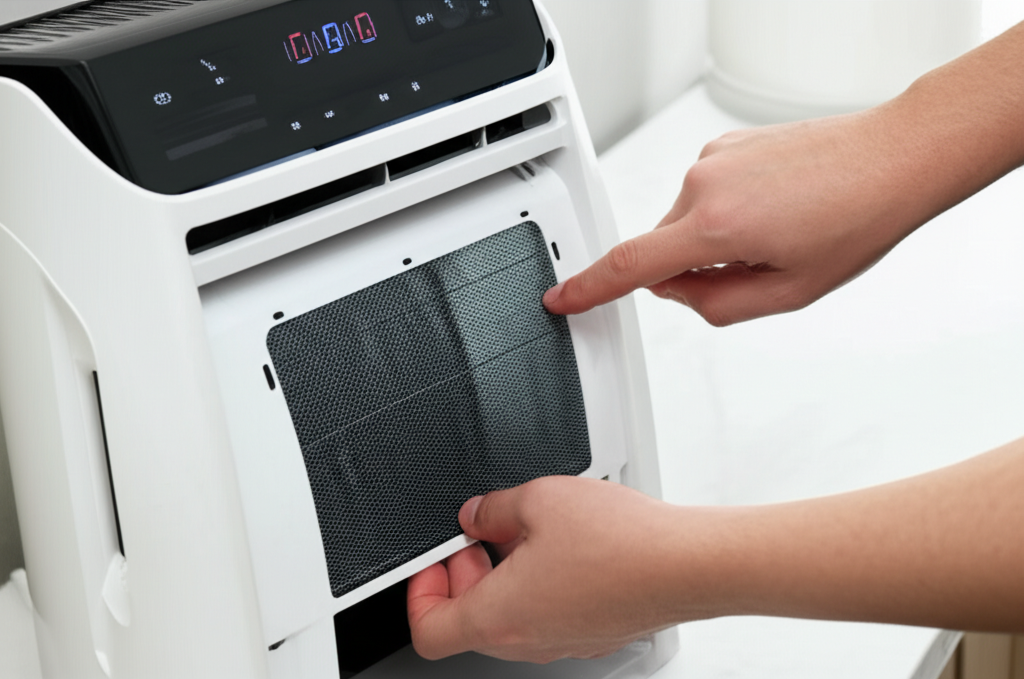
If your air purifier refuses to power on, the issue is likely with its power source or connection. This is often the most straightforward problem to solve. Ensure the unit is properly plugged in and the outlet is functional.
Check the Power Cord: Ensure the power cord is securely plugged into both the air purifier and a working wall outlet.
Test the Outlet: Plug another small appliance into the same outlet to confirm it’s receiving power.
Inspect the Cord: Look for any visible damage to the power cord. If damaged, do not use the unit and contact the manufacturer.
Key Takeaway: A non-functional air purifier often has a simple power supply issue that can be easily verified.
2. Reduced Airflow: The Filter Factor
A significant drop in airflow is almost always related to clogged filters. Over time, filters trap dust, pollen, and other airborne particles, impeding air intake and output. Replacing or cleaning these filters is crucial for performance.
Pre-filter: This captures larger particles and can often be washed or vacuumed.
HEPA Filter: This captures finer particles and typically needs replacement every 6-12 months, depending on usage and air quality.
Activated Carbon Filter: This absorbs odors and gases and also requires periodic replacement.
Key Takeaway: Clogged filters are the primary culprit for reduced airflow in air purifiers.
How to Clean or Replace Air Purifier Filters
Cleaning and replacing filters are essential maintenance tasks. Always refer to your specific air purifier’s manual for detailed instructions.
1. Unplug the Unit: Always disconnect the power before performing any maintenance.
2. Access the Filters: Open the unit according to your model’s instructions to reach the filters.
3. Clean Washable Filters: Gently wash pre-filters with mild soap and water. Ensure they are completely dry before reinserting.
4. Replace Disposable Filters: Remove old HEPA and carbon filters and install new ones.
5. Reassemble and Test: Close the unit, plug it in, and turn it on to check for improved airflow.
Key Takeaway: Regular filter maintenance, including cleaning or replacement, is vital for restoring airflow.
3. Strange Noises: From Whirring to Grinding
Unusual noises can be unnerving, but they often have simple explanations. These sounds usually indicate something is obstructing the fan or that a component is loose.
Fan Obstruction: Small objects like pet hair or debris might be caught in the fan blades.
Loose Components: Vibrations can cause internal parts or the housing to become slightly loose.
Filter Placement: An improperly seated filter can sometimes cause rattling or buzzing.
Key Takeaway: Noises often point to obstructions or loose parts within the air purifier.
Diagnosing and Fixing Air Purifier Noises
Addressing noises requires careful inspection and gentle manipulation. Safety first – always unplug the unit.
1. Inspect the Fan: Carefully check the fan blades for any visible debris. Use a soft brush or compressed air to clean them.
2. Tighten Screws: Gently check if any external screws on the housing are loose and tighten them.
3. Reseat Filters: Ensure all filters are correctly positioned and secured.
4. Test Operation: Plug the unit back in and listen to see if the noise has subsided.
Key Takeaway: Cleaning fan blades and ensuring components are secure can eliminate most unusual noises.
4. Error Lights or Display Issues: Resetting and Recalibrating
Modern air purifiers often feature indicator lights or digital displays that signal operational status or potential issues. If these are malfunctioning, a reset might be all that’s needed.
Filter Replacement Indicator: Many units have a light that illuminates when it’s time to change filters. This is a reminder, not a fault.
System Malfunction Lights: Some lights indicate a more serious internal issue.
Display Glitches: Like any electronic device, displays can sometimes freeze or show incorrect information.
Key Takeaway: Error lights are often indicators for routine maintenance or can be resolved with a simple reset.
Performing an Air Purifier Reset
A reset can often clear temporary glitches and recalibrate the unit’s sensors. Consult your manual for specific reset procedures, as they vary by model.
1. Unplug the Unit: Disconnect the power for at least 60 seconds.
2. Press and Hold Power Button: Some models require you to press and hold the power button while unplugging and then plugging back in.
3. Reset Filter Indicator: Many units have a specific button or button combination to reset the filter change reminder.
4. Power On: After the reset, turn the unit back on and observe its behavior.
Key Takeaway: A power cycle or a specific reset sequence can often resolve display issues and error lights.
5. Weak Odor Elimination: The Carbon Filter’s Role
If your air purifier is no longer effectively removing odors, the activated carbon filter is likely the culprit. This filter is specifically designed to absorb volatile organic compounds (VOCs) and other odor-causing molecules.
Filter Saturation: Over time, the porous structure of the carbon filter becomes saturated and can no longer trap new odor molecules.
Filter Age: Activated carbon filters have a finite lifespan, typically needing replacement every 6-12 months.
Key Takeaway: A decline in odor elimination performance is a clear sign that the activated carbon filter needs attention.
Revitalizing Odor Control: Carbon Filter Replacement
Replacing a saturated activated carbon filter is the most effective way to restore odor-fighting capabilities.
1. Identify the Carbon Filter: Locate the activated carbon filter within your unit. It’s often a thin, black filter placed before or after the HEPA filter.
2. Purchase a Replacement: Ensure you buy a filter specifically designed for your air purifier model. Reputable brands like Coway and Blueair offer specific replacement filters.
3. Install the New Filter: Carefully remove the old filter and install the new one, ensuring it’s correctly oriented.
4. Run the Unit: Turn on the air purifier and allow it to run for a few hours to circulate air through the fresh carbon.
Key Takeaway: Replacing the activated carbon filter is the key to restoring your air purifier’s ability to eliminate odors.
6. Intermittent Operation: Loose Connections and Sensor Issues
If your air purifier turns on and off randomly or operates erratically, it could be due to loose internal connections or faulty sensors. These issues require a bit more attention but are often still fixable.
Internal Wiring: A wire might have become dislodged due to vibrations or movement.
Sensor Malfunction: Air quality sensors can sometimes become dirty or faulty, leading to incorrect readings and erratic operation.
Key Takeaway: Intermittent operation can stem from loose internal connections or dirty/faulty sensors.
Addressing Intermittent Operation
Carefully inspecting internal components and cleaning sensors can resolve intermittent issues.
1. Check Internal Connections: If you’re comfortable, open the unit and visually inspect for any loose wires or connectors. Gently push them back into place.
2. Clean Sensors: Locate the air quality sensors (often small grilles on the side or back) and gently clean them with a dry cotton swab or compressed air.
3. Test Stability: Reassemble the unit and monitor its operation to see if the intermittent behavior has stopped.
Key Takeaway: Ensuring internal connections are secure and sensors are clean can stabilize erratic air purifier performance.
7. Overheating: Ventilation and Fan Performance
An air purifier that feels excessively hot to the touch might be overheating, which can be a safety concern and a sign of a problem. This is usually related to restricted airflow or a failing fan.
Blocked Vents: If the air intake or exhaust vents are blocked, the unit cannot dissipate heat effectively.
Fan Motor Issues: A struggling fan motor may not be moving enough air to cool the internal components.
Key Takeaway: Overheating is a critical issue often caused by blocked vents or fan motor problems.
Preventing and Fixing Overheating
Ensuring proper ventilation and a functional fan are key to preventing overheating.
1. Clear Obstructions: Make sure the air purifier is placed in an open area, away from walls or furniture that could block vents.
2. Clean Fan Blades: As mentioned earlier, clean fan blades can improve airflow and cooling.
3. Listen to the Fan: If the fan sounds weak or makes unusual noises, it might need professional attention or replacement.
Key Takeaway: Unobstructed vents and a properly functioning fan are essential for preventing air purifier overheating.
8. Air Purifier Still Not Working? When to Seek Professional Help
While many air purifier problems are DIY-friendly, some issues may require professional expertise. If you’ve tried the above steps and your unit still isn’t functioning correctly, it might be time to contact the manufacturer or a qualified technician.
Persistent Issues: If the problem persists after troubleshooting, it could indicate a more complex internal fault.
Warranty Coverage: Check if your air purifier is still under warranty. Many manufacturers offer repair or replacement services.
* Safety Concerns: If you suspect electrical issues or the unit shows signs of damage, do not attempt further repairs yourself.
Key Takeaway: If DIY solutions fail, it’s wise to seek professional help or utilize warranty services for complex issues.
Frequently Asked Questions (FAQ)
Q1: Can I use my air purifier without a filter?
No, you should never operate an air purifier without its filters installed. The filters are essential for trapping pollutants and protecting the internal components, especially the fan motor.
Q2: How often should I clean or replace my air purifier filters?
This depends on your model and usage. Generally, pre-filters should be cleaned monthly, while HEPA and carbon filters need replacement every 6-12 months. Check your manufacturer’s recommendations.
Q3: My air purifier is making a loud buzzing noise. What could it be?
A loud buzzing noise often indicates a loose component, a foreign object vibrating against the fan, or an issue with the fan motor itself. Ensure filters are seated correctly and check for obstructions.
Q4: Can I wash my HEPA filter?
Most HEPA filters are not designed to be washed and should be replaced when dirty. Washing can damage the delicate filter media. Always check your manual; some units may have washable pre-filters.
Q5: What does it mean when the “change filter” light stays on after replacing the filter?
This usually means the filter reset function hasn’t been activated. Refer to your air purifier’s manual for the specific button sequence to reset the filter indicator.
Q6: Is it normal for my air purifier to feel warm?
A slight warmth is normal as the motor operates. However, if the unit feels excessively hot to the touch, it could indicate a problem with airflow or the fan motor.
Conclusion: Keeping Your Air Purifier Running Smoothly
So, can air purifier be fixed? Absolutely! By understanding common issues and following these proven, effortless solutions, you can often restore your air purifier to optimal performance. Regular maintenance, especially filter cleaning and replacement, is key to preventing most problems. Don’t let a minor hiccup lead to premature replacement; a little troubleshooting can save you money and ensure you continue breathing cleaner air.
Key Takeaway: With basic maintenance and troubleshooting, most air purifier issues are fixable, extending the life of your appliance.
