
Brush For Gutter Cleaning: Essential & Effortless

A brush for gutter cleaning is a vital tool for homeowners, making a tedious task simple and efficient by removing debris that can cause water damage.
Keeping your home in top shape means taking care of every part, even the ones you don’t see every day. Your gutters are one of those parts. When they get clogged with leaves, twigs, and other gunk, water can’t flow away from your house. This can lead to serious problems like basement flooding, foundation damage, and even mold growth. Cleaning gutters is a chore many people dread. It’s often messy, time-consuming, and sometimes even a little dangerous. But what if there was a way to make it easier? A good brush for gutter cleaning can be your secret weapon.
Why Gutter Cleaning is Important for Your Home
Gutters are your home’s first line of defense against water damage. They catch rainwater and direct it away from your foundation. When gutters are full of debris, water overflows. This overflow can pool around your house. It can seep into your basement or crawl space. It can also erode the soil supporting your foundation. This can cause cracks and costly repairs. Clogged gutters can also become a breeding ground for pests like mosquitoes and rodents. They can even damage your roof and siding over time.
Regular gutter cleaning prevents these issues. It helps your home stay dry and protected. It also extends the life of your gutter system and your home’s structure.
Understanding the Challenges of Gutter Cleaning
Cleaning gutters can be tough. Many people have to climb ladders, which can be risky. Reaching all the corners and downspouts can be difficult. The debris itself is often wet and mucky, making it unpleasant to handle. You might need special tools to scoop out stubborn clogs. The whole process can feel overwhelming and time-consuming.
The average cost for professional gutter cleaning can range from $100 to $300, depending on your home’s size and complexity. For homeowners who prefer a DIY approach, the main cost is time and effort, plus the potential for injury. This is where the right tools can make a huge difference.
Introducing the Gutter Cleaning Brush: Your Effortless Solution
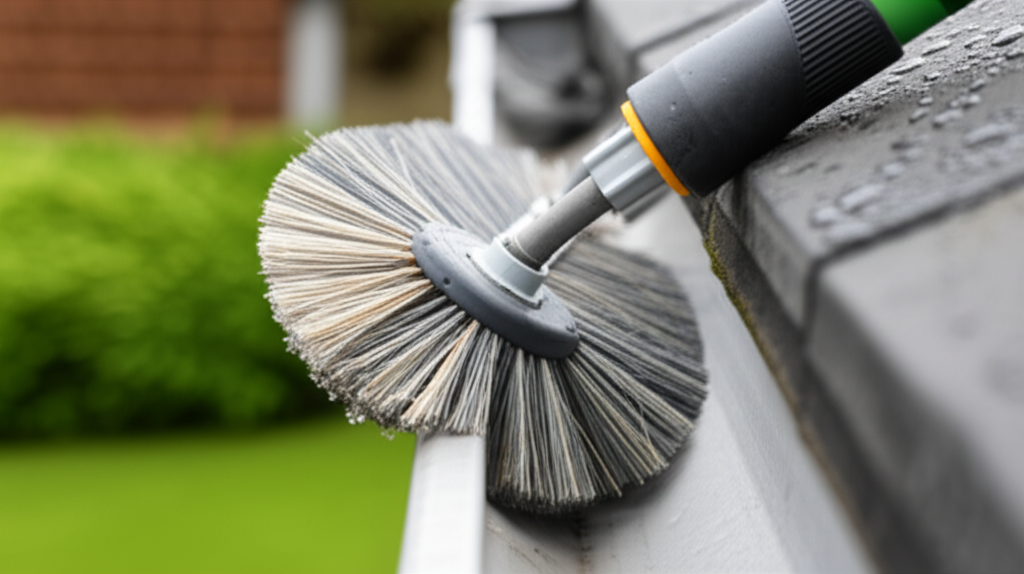
A brush specifically designed for gutter cleaning simplifies this task. It allows you to reach into the gutters and sweep out debris without much hassle. These brushes are often designed with long handles or special attachments. This means you can clean from the ground or with less ladder climbing. They are made to tackle leaves, dirt, and other common gutter clogs effectively.
Using a brush can make the job faster and cleaner. It helps you avoid direct contact with the muck. It also makes it easier to move debris towards a collection point or out of the gutter.
Types of Gutter Cleaning Brushes
There are a few main types of brushes you’ll find for gutter cleaning. Each has its own advantages.
Telescopic Gutter Brushes
These brushes have adjustable handles. You can extend them to reach high or distant gutters. This is great for reducing ladder use, which improves safety.
Pros: Excellent reach, reduces ladder time, adjustable length.
Cons: Can be heavier when fully extended, may have less maneuverability for tight spots.
Pole Gutter Brushes with Curved Heads
Some brushes have heads that are curved. This shape helps them fit snugly into the gutter channel. This allows for more effective sweeping of debris. They often attach to extension poles.
Pros: Good for sweeping, fits gutter shape, effective with poles.
Cons: May require a separate pole, head shape might not suit all gutter types.
Gutter Cleaning Brush Kits
These kits often include a brush head and various extension poles or attachments. Some even come with scoop or grabber tools. They offer a versatile solution for different gutter challenges.
Pros: All-in-one solution, adaptable to various tasks, cost-effective if you need multiple tools.
Cons: Can be bulky to store, may include parts you don’t need.
Gutter Brush “Mats” or “Guards”
While not a brush for active cleaning, these are brush-like inserts. You place them in the gutter to prevent debris from accumulating. They work like a filter.
Pros: Preventative, reduces need for frequent deep cleaning.
Cons: Not for cleaning existing clogs, can still clog themselves over time.
Key Features to Look For in a Gutter Cleaning Brush
When choosing a brush, consider these important features. They will help you find the best tool for your needs.
Handle Length and Adjustability
A long or telescopic handle is crucial. It lets you clean safely from the ground. Look for handles that are easy to adjust and lock securely.
Brush Head Material and Stiffness
The brush head should be durable. It needs to be stiff enough to move debris but not so stiff that it damages your gutters. Nylon or stiff synthetic bristles are common.
Gutter Compatibility
Ensure the brush head shape and size work with your specific gutter system. Some are designed for standard K-style gutters. Others might work for half-round gutters too.
Weight and Ergonomics
A lighter brush is easier to use for longer periods. Look for comfortable grips on the handle. This reduces hand fatigue.
Durability and Build Quality
A good brush should last for many seasons. Check for sturdy construction. Ensure the handle is strong and the brush head is securely attached.
How to Use a Brush for Gutter Cleaning Effectively
Using a gutter brush correctly makes the job much easier. Follow these steps for the best results.
Step 1: Safety First
Always prioritize safety. If you need to use a ladder, ensure it’s stable and on level ground. Wear gloves to protect your hands. Safety glasses are also a good idea to keep debris out of your eyes.
Step 2: Assemble Your Tools
Gather your gutter brush, extension pole (if needed), gloves, and safety glasses. Have a bucket or tarp ready to collect the debris.
Step 3: Reach and Sweep
Extend your telescopic brush or attach your brush head to a pole. Carefully reach into the gutter. Start sweeping debris towards a downspout or an area where you can easily scoop it out.
Step 4: Tackle Stubborn Debris
For packed-on muck, you might need to use a gentler scrubbing motion. A hose can help rinse away remaining dirt after brushing. Some brush kits include tools for breaking up tougher clogs.
Step 5: Clean Downspouts
Use a smaller brush or a hose to clear any debris remaining in the downspouts. Ensure water can flow freely through them.
Benefits of Using a Brush Over Other Gutter Cleaning Methods
Brushes offer several advantages compared to other gutter cleaning methods. They provide a good balance of effectiveness and ease of use.
Safety Improvement
As mentioned, brushes often allow for ground-based cleaning. This significantly reduces the risk associated with ladder work. According to the U.S. Consumer Product Safety Commission, over 100,000 people are treated in emergency rooms each year for ladder-related injuries. Reducing ladder use is a major safety win.
Time Efficiency
Sweeping with a brush can be quicker than scooping by hand. You can cover more gutter length in less time. This makes the overall job less of a burden.
Less Mess
A brush helps contain the debris better than just scooping. You can sweep it into a pile for easy disposal. This means less mud and muck on your hands and clothes.
Cost-Effectiveness
Buying a good gutter brush is a one-time expense. It’s much cheaper than hiring professionals repeatedly. It also saves you from buying more complex or specialized gutter cleaning equipment.
Environmental Friendliness
Many gutter brushes are made from durable materials. They can be used for years, reducing waste. They also don’t require water or power, unlike some pressure washer attachments.
Maintaining Your Gutter Cleaning Brush
To ensure your brush lasts and works well, proper maintenance is key. After each use, rinse the brush head thoroughly. Remove any stuck-on debris. Let it air dry completely before storing it. Store it in a dry place, away from extreme temperatures. This will prevent bristles from becoming brittle or misshapen.
A well-maintained brush will be ready for your next gutter cleaning task. It will perform its job efficiently.
When to Consider a Gutter Brush Kit
If you’re facing particularly stubborn clogs or have a large home, a comprehensive kit might be worth it. These kits often include multiple attachments. They can handle various gutter cleaning needs, from light debris to tougher blockages.
A good kit might include a brush, a scoop, and extension poles. It can be a versatile investment for any homeowner. Many kits are designed to work with standard garden hoses for rinsing.
The Future of Gutter Cleaning Tools
Innovation in home cleaning tools continues. We’re seeing more ergonomic designs and smart features. For gutter cleaning, expect to see even lighter materials and more adaptable attachments. Robotic gutter cleaners are also emerging, though they are currently quite expensive. For most homeowners, however, an advanced gutter cleaning brush remains the most practical and affordable solution.
The HomeHyiga team is always looking for the latest in home hygiene technology. We believe in tools that make tasks simpler and homes healthier. A good brush for gutter cleaning fits this perfectly.
Frequently Asked Questions About Gutter Cleaning Brushes
Q1: How often should I clean my gutters?
You should typically clean your gutters at least twice a year, usually in late spring and late fall. If you have many trees near your home, you might need to clean them more often.
Q2: Can I use a regular broom for gutter cleaning?
A regular broom is not ideal. It’s too short, not designed for the gutter shape, and the bristles might not be stiff enough. Specialized gutter brushes are much more effective and safer.
Q3: Are telescopic gutter brushes heavy?
They can be, especially when fully extended. However, most are designed with lightweight materials. Look for models with comfortable grips to make them easier to handle.
Q4: Do gutter brushes damage my gutters?
No, if used correctly. The bristles are typically made to sweep debris without scratching or damaging the gutter material. Avoid using excessive force.
Q5: Can I use a pressure washer to clean gutters?
While possible with specific attachments, it can be messy and potentially damaging. High pressure can force water into your roofline. A brush offers more control and is generally safer for your home.
Q6: What’s the best way to dispose of gutter debris?
You can compost the organic debris if it’s free of chemicals. Otherwise, bag it and dispose of it with your yard waste or regular trash.
Final Verdict on Brushes for Gutter Cleaning
A brush for gutter cleaning is an essential tool for any homeowner. It transforms a difficult and potentially dangerous chore into a manageable task. By choosing the right type of brush and using it safely, you can keep your gutters clear. This protects your home from costly water damage. It also ensures your home’s exterior stays in good condition for years to come. Investing in a quality gutter cleaning brush is an investment in your home’s health and longevity. It’s a simple, effective solution that HomeHygia highly recommends.
Consider exploring other home hygiene appliances on our site. Keeping your home clean and safe is our priority.
