
Brush For Cleaning Carpet: Proven Essential Tool

A brush for cleaning carpet is an essential tool for deep cleaning, stain removal, and general carpet maintenance, proving more effective than vacuums alone for lifting embedded dirt and revitalizing carpet fibers.
Carpets can trap a lot of dirt. Dust, pet hair, and crumbs get stuck deep inside. A vacuum cleaner is good, but it can’t get everything. That’s where a carpet brush comes in. It’s a simple tool that makes a big difference. This guide will show you why a brush for cleaning carpet is a must-have. We will look at different types and how to use them best. You’ll learn how to keep your carpets looking new.
Why You Need a Brush for Cleaning Carpet
A brush for cleaning carpet is more than just a cleaning gadget. It’s a vital part of keeping your home hygienic and your carpets looking their best. Think of it as a helping hand for your vacuum cleaner. It tackles dirt that vacuums often miss. This means a cleaner home and healthier air.
Beyond the Vacuum: The Limitations of Suction
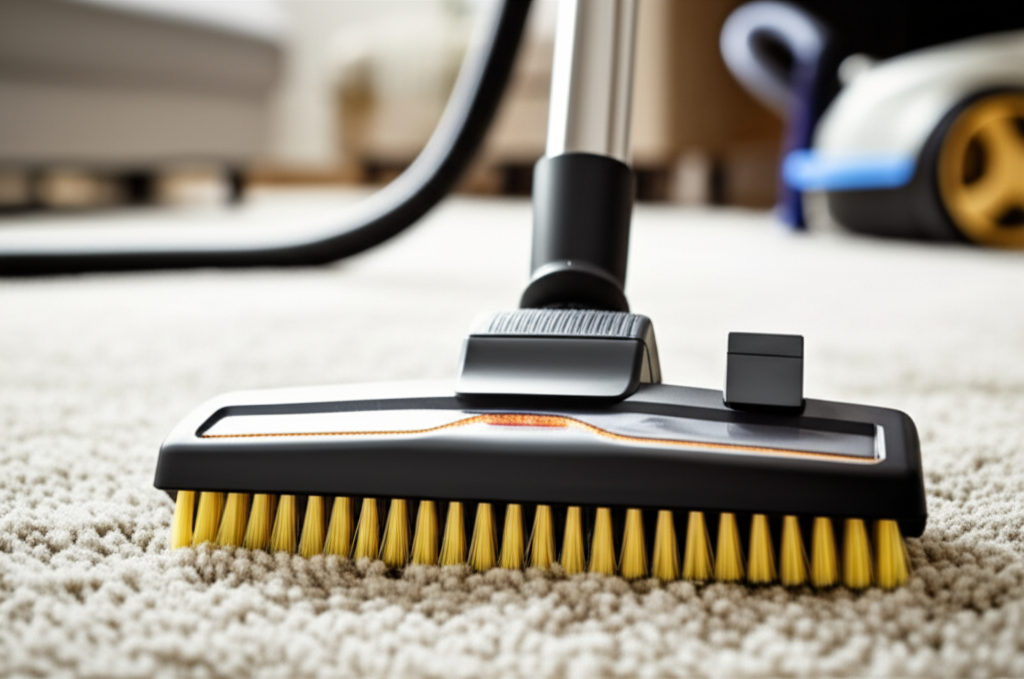
Vacuums are great for picking up surface debris. They suck up loose dirt and dust. However, carpet fibers are like tiny straws. They hold onto dirt, oils, and allergens. The strong suction of a vacuum can’t always pull these deeply embedded particles free. They just get pushed around or hidden deeper.
Lifting Embedded Dirt and Debris
A brush for cleaning carpet works differently. Its bristles physically agitate the carpet fibers. This loosening action lifts trapped dirt, hair, and even small debris from the carpet’s base. It’s like giving your carpet a gentle but thorough massage. This process makes the dirt easier for your vacuum to collect.
Revitalizing Carpet Fibers
Over time, carpet fibers can become flattened and matted. This happens from foot traffic and everyday wear. A brush can help to untangle and lift these fibers. This restores the carpet’s original texture and appearance. It can make old carpets look much newer and feel softer.
A Key Component of Home Hygiene
Clean carpets contribute significantly to overall home hygiene. Embedded dirt and allergens in carpets can affect air quality. A brush for cleaning carpet helps remove these irritants. This makes your home a healthier place for everyone, especially those with allergies.
Types of Carpet Brushes and Their Best Uses
There are many kinds of brushes designed for carpet cleaning. Each has its own strengths. Choosing the right one depends on your carpet type and what you need to clean. Understanding these differences helps you pick the perfect tool for your needs.
Handheld Brushes: For Spot Cleaning and Detail Work
Handheld brushes are small and easy to use. They are perfect for quick cleanups and targeted stain removal. Their size makes them great for getting into corners and edges. You can also use them on upholstery and car carpets.
Key Features:
Compact and lightweight
Easy to maneuver
Good for small spills and pet hair
Best for: Small areas, quick touch-ups, pet owners.
Long-Handled Brushes: For Larger Areas and Deeper Cleaning
These brushes have a long handle, similar to a broom. They allow you to clean larger carpeted areas without bending over. This makes them ideal for regular carpet maintenance and deeper cleaning. They provide more leverage for scrubbing.
Key Features:
Ergonomic design for less strain
Covers more area quickly
Offers better scrubbing power
Best for: Living rooms, hallways, general carpet upkeep.
Stiff Bristle Brushes: For Tough Stains and Stubborn Dirt
Brushes with stiff bristles are excellent for durable carpets. They can tackle tough stains and heavily soiled areas. The stiff bristles dig deep to loosen embedded grime. Be cautious with delicate carpets, as these bristles can cause damage.
Key Features:
Durable bristles for tough jobs
Effective on mud and ground-in dirt
Requires more force to use
Best for: High-traffic areas, stubborn stains on sturdy carpets.
Soft Bristle Brushes: For Delicate Carpets and Upholstery
Soft bristles are gentle on carpet fibers. They are ideal for delicate carpets, rugs, and upholstery. These brushes can still lift dirt and hair without damaging the material. They are also good for general dusting of carpeted surfaces.
Key Features:
Gentle on fabric
Good for delicate materials
Helps lift surface dust and hair
Best for: Wool carpets, antique rugs, furniture with fabric.
Electrostatic Brushes: For Hair and Lint Removal
Electrostatic brushes use static electricity to attract hair and lint. They are incredibly effective at picking up pet hair. Many are designed to be used without power. They work by creating a charge as you sweep them across the surface.
Key Features:
Excellent for pet hair
No power needed
Reusable and eco-friendly
Best for: Homes with pets, quick hair removal.
Bristle Material: Natural vs. Synthetic
The material of the bristles also matters. Natural bristles, like those from boar or horsehair, are often softer. Synthetic bristles, like nylon or polyester, can be made stiffer or softer. Stiff synthetic bristles are good for heavy-duty cleaning, while softer ones are gentler.
How to Use a Brush for Cleaning Carpet Effectively
Using a carpet brush correctly ensures you get the best results. It also prevents damage to your carpets. Follow these steps for a thorough and safe cleaning experience.
Step 1: Prepare the Area
First, remove any loose items from the carpet. This includes small toys, shoes, or clutter. This ensures you can brush the entire carpet surface. It also prevents you from accidentally brushing dirt onto clean items.
Step 2: Vacuum First
Always vacuum your carpet before brushing. This removes surface dirt and debris. Brushing after vacuuming helps to loosen the embedded dirt that the vacuum couldn’t reach. This makes the subsequent vacuuming much more effective.
Step 3: Choose the Right Brush
Select a brush suitable for your carpet type and the cleaning task. A stiff brush for a durable carpet, a soft brush for a delicate rug. For general use, a medium-stiff brush often works well.
Step 4: Brush in Sections
Work in small, manageable sections of the carpet. This ensures thoroughness. Brush with short, firm strokes. Go in different directions to lift fibers and dirt from all angles. This is especially important for pet hair.
Step 5: Work with Cleaning Solutions (Optional)
For stains, you can apply a carpet stain remover. Let it sit according to the product instructions. Then, use your brush to gently work the solution into the stain. Always test solutions on an inconspicuous area first.
Step 6: Vacuum Again
After brushing, vacuum the area thoroughly. You will likely pick up much more dirt than you did the first time. Go over the area slowly in multiple directions. This captures the loosened debris effectively.
Step 7: Rinse and Dry (For Stain Removal)
If you used a cleaning solution, you might need to rinse the area. Blot with a damp cloth. Ensure the carpet dries completely to prevent mold. Good ventilation helps speed up drying.
Deep Cleaning Your Carpets with a Brush
Deep cleaning your carpets regularly is crucial for a healthy home. A brush for cleaning carpet plays a starring role in this process. It goes beyond the surface to tackle what’s hidden.
Removing Pet Hair and Dander
Pet owners know the struggle of pet hair. It weaves itself into carpet fibers. A stiff-bristled brush or an electrostatic brush can lift this hair effectively. Regular brushing helps keep dander, a common allergen, from accumulating. This improves indoor air quality.
Tackling Ground-In Dirt and Mud
Muddy footprints or daily grime can get deeply embedded. Brushing these areas before vacuuming helps break them up. This makes them much easier for your vacuum to remove. It saves your vacuum cleaner from struggling with heavy, caked-on dirt.
Refreshing High-Traffic Areas
Hallways and living room carpets often see the most foot traffic. This can cause fibers to become crushed and dull. Brushing these areas can help to lift and reset the fibers. This restores their loft and makes the carpet look and feel much better.
Preparing for Carpet Shampooing or Steam Cleaning
If you plan to use a carpet shampooer or steam cleaner, brushing beforehand is beneficial. It loosens dirt and debris, allowing the cleaning solution or steam to penetrate more effectively. This leads to a deeper and more thorough clean.
Choosing the Right Brush for Your Carpet Type
Not all carpets are the same, and neither are all brushes. Using the wrong brush can damage your carpet. It’s important to match your brush to your carpet’s material and pile height.
Understanding Carpet Pile
Carpet pile refers to the loops or cut ends of the carpet fibers.
Cut Pile: Fibers are cut at the top, giving a soft, plush feel. Examples include Saxony and Frieze.
Loop Pile: Fibers are left in loops. Examples include Berber and Sisal.
Brushes for Different Pile Heights
Low Pile Carpets: These are generally more durable. Stiff or medium-stiff brushes work well. They can penetrate the dense fibers effectively.
Medium Pile Carpets: A medium-stiff brush is usually a good choice. It can agitate the fibers without being too harsh.
High Pile Carpets (Shag): These have long, soft fibers. Use a brush with widely spaced, softer bristles. You want to avoid matting the long fibers. A rake-style brush might also be effective here.
Material Sensitivity
Wool Carpets: Wool is a natural fiber and can be sensitive. Use brushes with soft bristles, preferably natural ones, to avoid snagging or damaging the fibers.
Synthetic Carpets: Most synthetic carpets (nylon, polyester, olefin) are quite durable. They can generally handle stiffer brushes for tougher cleaning tasks.
A good rule of thumb is to start with a softer brush and see how it performs. If it’s not effective enough, you can try a slightly stiffer one. Always test on a small, hidden area first.
Maintenance of Your Carpet Cleaning Brush
To ensure your brush for cleaning carpet lasts and works effectively, proper maintenance is key. A clean brush works better and lasts longer. It also prevents spreading dirt around your home.
Cleaning the Brush Head
After each use, remove any accumulated hair, lint, and dirt from the bristles. You can use your fingers, a comb, or a pair of scissors to carefully cut away tangled hair. Many brushes have easy-release mechanisms or are designed to allow for simple cleaning.
Washing the Brush
Periodically, wash the brush head with warm, soapy water. This removes oils, residues, and any lingering odors. Rinse it thoroughly to remove all soap. For brushes with wooden handles, avoid soaking them to prevent damage.
Drying the Brush
Allow the brush to air dry completely before storing it. You can stand it bristle-side up or hang it. Ensure no moisture remains trapped, especially near the base of the bristles, which can lead to mold or mildew.
Storage
Store your carpet brush in a dry place. Avoid leaving it in damp areas like a bathroom or a humid basement. Keeping it clean and dry ensures it’s ready for use whenever you need it.
Are Brushes Better Than Vacuums for Carpet Cleaning?
It’s not really about one being better than the other. A brush for cleaning carpet and a vacuum cleaner are best used together. They complement each other’s strengths. Using them in tandem provides the most thorough clean.
Synergistic Cleaning Power
The vacuum excels at suctioning loose debris from the surface. The brush excels at agitating and loosening embedded dirt, hair, and allergens. When used together, the brush frees up the stubborn dirt, and the vacuum then efficiently collects it. This combined approach tackles a wider range of carpet soil than either tool could alone.
When a Brush is Essential
A brush is essential when you notice your vacuum isn’t picking up everything. If pet hair is deeply embedded or stains seem impossible to lift, a brush is your best bet. It’s also critical for revitalizing matted carpet fibers.
The Verdict: A Dynamic Duo
Think of them as a dynamic duo for carpet care. The vacuum is the main workhorse for surface cleaning. The brush is the specialist tool for deeper cleaning and fiber restoration. For optimal carpet health and appearance, integrate both into your cleaning routine.
The HomeHygia Advantage: Smart Cleaning Tools for Modern Homes
At HomeHygia, we understand the importance of efficient and effective home cleaning. Our range of cleaning appliances and tools is designed with you in mind. We aim to make your home hygiene tasks simpler and more satisfying.
Innovation in Home Cleaning
We focus on innovative solutions that tackle common household challenges. Our products are built for performance and durability. We believe that maintaining a clean home shouldn’t be a chore. It should be an achievable part of a healthy lifestyle.
Tools for Every Surface
From powerful vacuums to specialized brushes and mops, HomeHygia offers a comprehensive suite of cleaning solutions. We ensure that whether you’re dealing with carpets, hard floors, or upholstery, you have the right tool for the job. Our goal is to empower you with effective cleaning technology.
Making Home Hygiene Effortless
Our products are designed for ease of use. We want to help busy individuals and families maintain a pristine living environment without excessive effort. Explore the HomeHygia difference and discover how smart cleaning tools can transform your home.
Frequently Asked Questions About Carpet Brushes
Here are answers to common questions people have about using brushes for carpet cleaning.
Can I use a brush on a very plush carpet?
Yes, but choose a brush with soft, widely spaced bristles. Avoid stiff brushes that could damage the long fibers or cause matting. Always test on a small area first.
How often should I brush my carpets?
For high-traffic areas or homes with pets, brushing once or twice a week can be beneficial. For less used carpets, brushing once a month or as needed for spot cleaning should suffice.
Will brushing my carpet wear it out faster?
When done correctly with the right brush, brushing actually helps maintain carpet health. It prevents dirt from grinding into fibers, which can cause wear. Excessive force or using a too-stiff brush can cause damage.
Can I use a wire brush on my carpet?
Generally, no. Wire brushes are too harsh for most carpet fibers and can cause irreparable damage, snagging, and fraying. Stick to brushes with nylon, natural bristles, or specialized materials.
How do I store my carpet brush to keep it clean?
Store your brush in a dry place, away from moisture. Ensure the bristles are clean and dry before storing. Hanging the brush or placing it bristle-up in a cleaning caddy are good options.
Is an electric carpet brush better than a manual one?
Electric carpet brushes can offer more power and convenience for larger areas. However, manual brushes are often sufficient for spot cleaning, smaller spaces, and delicate carpets. They are also more affordable and require no power.
Conclusion: Your Carpet’s Best Friend
A brush for cleaning carpet is not just an accessory; it’s a fundamental tool for effective home hygiene. It works hand-in-hand with your vacuum to tackle dirt, hair, and grime that suction alone cannot manage. By choosing the right brush for your carpet type and using it consistently, you can significantly improve your carpet’s appearance, extend its lifespan, and contribute to a healthier home environment. Make a quality carpet brush a staple in your cleaning arsenal, and enjoy the visibly cleaner, fresher carpets that result.
—
Internal Links Suggestions:
1. Best Carpet Cleaning Machines: Deep Clean Your Floors
2. How to Remove Pet Stains from Carpet
3. Home Hygiene Essentials: Gadgets for a Cleaner Home
