Blower With Vacuum Cleaner: Essential Genius for Education

A blower with a vacuum cleaner is a versatile cleaning tool, perfect for educators and students, efficiently handling dust, debris, and even light water messes in classrooms and study spaces.
The classroom can be a messy place. Crumbs from snacks, dust bunnies under desks, and stray craft supplies can pile up quickly. Keeping a learning environment clean is important for health and focus. But sometimes, regular cleaning tools just don’t cut it. You might need something that can tackle both loose debris and stuck-on dirt. This is where a blower with a vacuum cleaner shines. It’s not just a gadget; it’s smart cleaning for educational settings.
This guide will explore why a blower vacuum is a genius addition to any school or home study area. We’ll look at how it works, what makes it special, and how it can simplify your cleaning routine. Get ready to discover a tool that makes tidying up less of a chore and more of a breeze.
What is a Blower Vacuum Cleaner?
A blower vacuum cleaner is a handy device that can do two jobs. It can blow air forcefully, and it can suck up dirt and debris. Think of it as a powerful fan and a strong vacuum in one. This dual function makes it very useful for different cleaning tasks.
Many models come with interchangeable parts. You can switch between using it as a blower or a vacuum. This versatility means you can clear away leaves from a schoolyard path with the blower. Then, you can switch to vacuum mode to suck up dust from computer keyboards or tight corners. It’s designed to be adaptable for various messes.
How Does a Blower Vacuum Work?
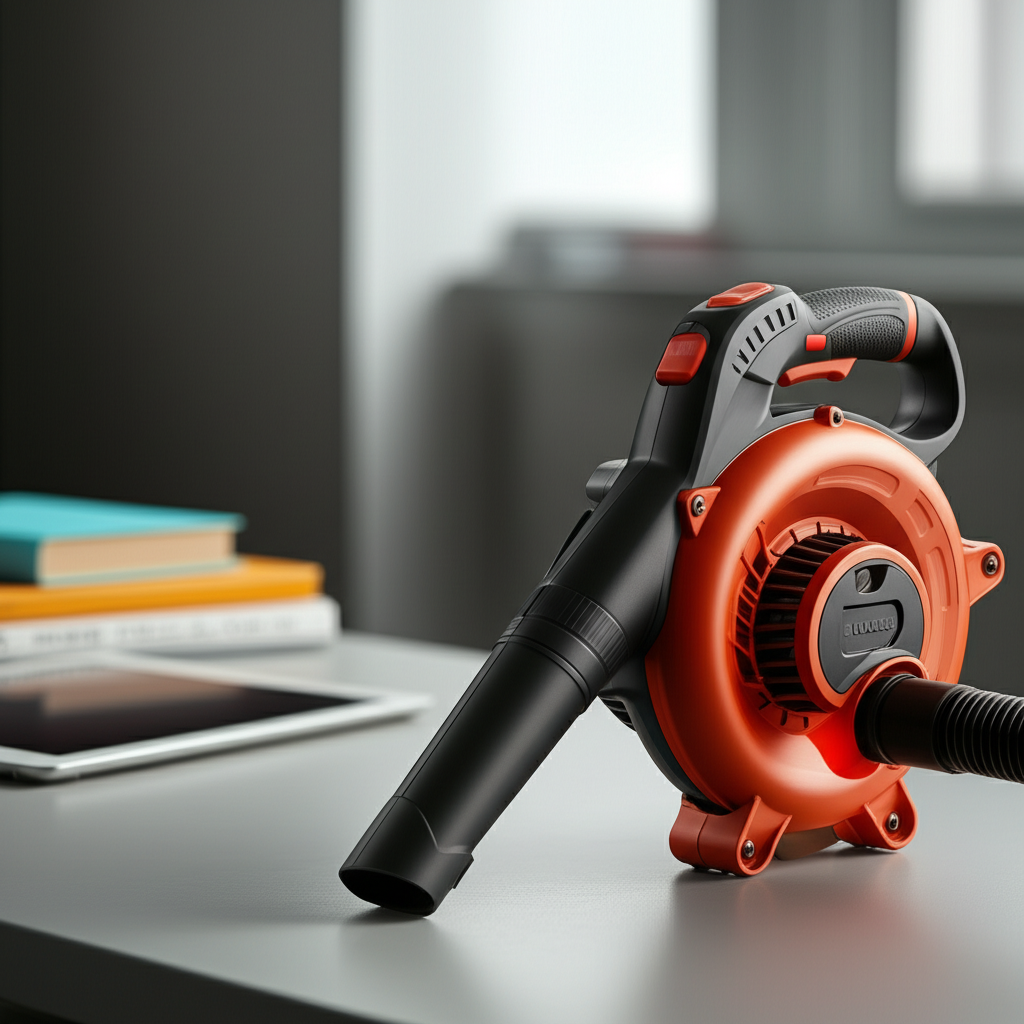
At its core, a blower vacuum uses an electric motor to spin a fan. This fan creates airflow. When set to vacuum mode, the fan pulls air and debris into a collection bag or container. The air is then filtered and expelled.
For blowing, the airflow is redirected. Instead of sucking air in, the fan pushes air out through a nozzle. This creates a concentrated stream of air. This powerful gust can dislodge dust and debris from surfaces. It can also clear larger areas quickly.
Key Components of a Blower Vacuum
A typical blower vacuum has several important parts. The motor is the engine that powers the device. The fan, often called an impeller, creates the airflow. There’s a housing that directs the air.
You’ll also find an intake port for vacuuming and an exhaust port for blowing. Most models include a collection bag or canister to store the vacuumed debris. Various nozzles and attachments are usually included. These help you reach different areas and perform specific tasks.
A blower vacuum cleaner offers a unique combination of power and flexibility for cleaning tasks. It’s ideal for both quick clean-ups and more thorough tidying.
Why is a Blower Vacuum Essential for Education?
Educational environments, from classrooms to libraries and labs, need to be clean and safe. A blower vacuum cleaner is a smart choice for these spaces. It tackles common messes efficiently and can even help with specialized cleaning needs.
Imagine a kindergarten classroom after an art project. Glitter, paper scraps, and dust can be everywhere. A blower vacuum can quickly gather these small particles. It can also clean chalk dust from whiteboards or floors. This keeps the learning area tidy and healthy.
Tackling Classroom Messes
Classrooms are hubs of activity. This means they accumulate dust, food crumbs, and small debris daily. A blower vacuum can handle these common issues with ease. Its blowing function can gather scattered items into a neat pile. Then, its vacuum function can quickly suck them up.
This tool is especially useful for hard-to-reach spots. Think under student desks, behind bookshelves, or in corners. The concentrated airflow can dislodge dirt. The vacuum can then capture it before it spreads. This ensures a more thorough clean.
Maintaining a Healthy Learning Environment
Air quality is crucial in schools. Dust, pollen, and chalk dust can trigger allergies and asthma. A blower vacuum, especially one with good filtration, can help reduce airborne particles. By vacuuming up dust instead of just moving it around, it contributes to a healthier atmosphere.
Some advanced models offer HEPA filters. These filters capture very fine particles. This can significantly improve the air quality in a classroom or study area. A cleaner environment supports better student concentration and well-being.
Versatility for Different Educational Spaces
Beyond the traditional classroom, blower vacuums are useful elsewhere. In science labs, they can clean delicate equipment without direct contact. In art rooms, they can manage fine powders and glitters. Libraries can use them to clean dusty shelves and computer stations.
Even for students studying at home, a blower vacuum is a great asset. It can keep study desks free of dust. It can clean computer keyboards and other electronics. This versatility makes it an indispensable tool for any educational setting.
A blower vacuum cleaner provides an efficient and effective way to maintain clean and healthy learning spaces. Its ability to handle diverse messes makes it a smart investment for schools and home study areas.
The Dual Power: Blowing vs. Vacuuming
The magic of a blower vacuum lies in its ability to switch between two powerful functions. This duality means it can adapt to almost any cleaning challenge you throw at it. Understanding these modes helps you use it most effectively.
When you need to clear a large area quickly, blowing is your friend. Think of clearing sawdust after a woodworking project or blowing leaves off a small patio. When you need to capture fine dust or small debris, vacuuming is the way to go. It’s perfect for cleaning keyboards or sucking up spilled cereal.
When to Use the Blower Function
The blower function is excellent for initial clean-ups. It can dislodge dust from surfaces, clear debris from tight corners, or gather scattered light materials. For example, if chalk dust has settled on a floor, you can use the blower to push it into a central spot. Then, you can switch to vacuum mode to collect it.
This mode is also great for drying small spills or wet surfaces. It can help speed up the drying process after cleaning a desk or a small floor area. The powerful stream of air can make quick work of moving loose particles. It’s like having a portable, controlled wind gust at your fingertips.
When to Use the Vacuum Function
The vacuum function is for capturing and containing dirt. It’s ideal for picking up dust, crumbs, pet hair, and other small particles. In a classroom, this means cleaning up after snacks, art projects, or general daily use. For students, it’s perfect for keeping their study area tidy.
Many blower vacuums come with different attachments for vacuuming. Crevice tools can reach into narrow gaps. Brush attachments can help loosen dirt from surfaces before it’s vacuumed up. This function ensures that the mess is actually removed from the area, not just moved around.
Combining Both Functions for Maximum Efficiency
The real genius comes when you use both functions together. Start by using the blower to gather dust and debris from tricky spots. This pushes the mess into a more open area. Then, switch to the vacuum mode to suck up everything you’ve just gathered.
This two-step process is incredibly efficient. It saves time compared to using separate tools. It also ensures a more thorough clean. For instance, you can blow dust out from under a radiator. Then, vacuum it up before it settles again. This integrated approach is a major benefit.
The dual power of blowing and vacuuming makes these tools incredibly versatile. They offer a comprehensive cleaning solution for various needs in educational settings.
Top Features to Look For in a Blower Vacuum Cleaner
Not all blower vacuums are created equal. When choosing one for educational use, certain features will make a big difference. Think about the size of the space, the types of messes, and how easy it is to use.
Consider the power of the motor. A stronger motor means better blowing force and suction power. Also, look at the filtration system. Good filters are essential for maintaining air quality. Ease of use and portability are also key factors.
Power and Performance
The motor’s wattage or airflow rate (CFM – cubic feet per minute) indicates its power. Higher CFM generally means more effective blowing and suction. For classrooms or larger areas, a more powerful unit is usually better. Check the suction power, often measured in Pascals (Pa) or water lift.
Consider the blower’s air speed. This determines how effectively it can dislodge debris. For vacuuming, strong suction is needed to pick up dirt efficiently. A good blower vacuum should offer a noticeable difference in performance.
Filtration System
This is a critical feature for any cleaning appliance, especially in educational settings. Look for models with multi-stage filtration. This usually includes a basic filter, a collection bag or canister, and often a finer exhaust filter.
A HEPA (High-Efficiency Particulate Air) filter is the gold standard. It can trap up to 99.97% of particles as small as 0.3 microns. This includes dust mites, pollen, mold spores, and bacteria. This is vital for allergy sufferers and for maintaining a healthy environment. Always check the type of filter and if replacements are readily available.
Capacity and Durability
The size of the collection bag or canister matters. A larger capacity means you won’t have to empty it as often, saving time. For blowing, consider the air volume it can move.
Durability is also important, especially in a busy school environment. Look for sturdy construction materials. Features like a long power cord or a good battery life (for cordless models) add to convenience. Check reviews for information on how well the device holds up over time.
Ease of Use and Ergonomics
A blower vacuum should be comfortable to handle. Look for lightweight designs and ergonomic grips. Features like a shoulder strap can be helpful for carrying. The ease of switching between blower and vacuum modes is also important.
Consider how easy it is to empty the collection bin or change the bag. Are the attachments easy to connect and disconnect? Simple operation means cleaning can be done more quickly and with less effort. This is a big plus for busy educators.
Accessories and Attachments
A good blower vacuum comes with a variety of useful attachments. These can include crevice tools, brush heads, and extension wands. These accessories help you reach difficult areas and tackle different types of messes. For example, a small brush attachment is perfect for cleaning keyboards.
The ability to store these accessories with the unit can also be convenient. Some models offer built-in storage compartments. This keeps everything organized and readily accessible.
Choosing the right blower vacuum involves balancing power, filtration, and usability. Prioritizing features that support a clean and healthy educational environment is key.
Practical Applications in Educational Settings
A blower vacuum cleaner isn’t just a novelty; it’s a practical problem-solver for schools and home study spaces. Its unique capabilities can address many common cleaning challenges faced by educators and students.
Think about the daily upkeep of a classroom. From spilled paint to dusty computer monitors, messes are constant. This tool can handle them all efficiently. It can even be used for more specialized tasks, making it a valuable addition to any cleaning arsenal.
Classroom Cleaning: Beyond the Broom
Brooms and dustpans are standard, but they often miss fine dust. A blower vacuum can address this. Use the blower to push dust from under desks and chairs into an open area. Then, vacuum it up completely. This is much more effective than just sweeping.
It’s also great for cleaning whiteboards and chalkboards. The blower can remove loose chalk dust. The vacuum can then collect it, preventing it from becoming airborne. This helps maintain better air quality for students and teachers.
Tech and Equipment Maintenance
Computers, projectors, and other electronic equipment in classrooms can accumulate dust. This dust can cause overheating and reduce performance. A blower vacuum, especially with a soft brush attachment, can gently clean these items. The blowing function can dislodge dust from vents and fans. The vacuum can then capture it.
“We found that using a blower vacuum significantly reduced the amount of dust build-up on our classroom computers, leading to fewer performance issues.” – A School IT Technician
Care must be taken when cleaning electronics. Always ensure the device is unplugged and use the lowest power setting if available. Never spray liquids directly onto electronics.
Workshop and Art Room Cleanup
Art rooms and workshops can get messy with fine particles like glitter, sawdust, or craft sand. These materials can be difficult to clean with traditional methods. A blower vacuum can efficiently gather and remove them. The blowing function can collect glitter from carpets. The vacuum can then suck it all up.
For sawdust in a workshop, the blower can clear surfaces. The vacuum can then collect the fine particles. This makes cleanup faster and more thorough.
Home Study Areas and Dorm Rooms
Students studying at home or in dorm rooms also benefit. These spaces are often small and shared. Keeping them clean is important for focus and health. A blower vacuum can easily clean desks, shelves, and common areas.
It’s perfect for cleaning computer keyboards, gaming consoles, and other electronics. It can also tackle spilled snacks or dust bunnies that accumulate quickly. Its compact size makes it easy to store in a dorm room or small apartment.
Emergency Spill Cleanup
Accidental spills happen in any environment. Whether it’s a small amount of liquid or dry spills like sand or flour, a blower vacuum can help. Some models are designed to handle light liquid spills, making cleanup quick and easy. Always check the product specifications for liquid handling capabilities.
The versatility of the blower vacuum makes it an invaluable tool. It simplifies many cleaning tasks in educational settings, promoting a healthier and more productive environment.
Comparing Blower Vacuums: Models and Types
When you decide to get a blower vacuum, you’ll see different types available. They range from small, handheld models to larger, more powerful units. Understanding these differences will help you choose the best fit for your needs.
The main distinctions are often power source (corded vs. cordless) and size/design. Each type has its own set of pros and cons. It’s important to weigh these against your specific cleaning requirements.
Handheld Blower Vacuums
Handheld models are typically smaller and lighter. They are great for quick clean-ups and detail work. Think cleaning car interiors, computer keyboards, or small workbenches. Many are battery-powered, offering great portability.
Pros:
Very portable and easy to maneuver.
Ideal for small messes and tight spaces.
Often more affordable.
Cons:
Smaller capacity collection bins.
Less powerful than larger units.
Battery life can be a limitation for cordless models.
Corded Blower Vacuums
These models plug into a wall outlet. They offer consistent power without worrying about battery life. They are generally more powerful than handheld cordless units. This makes them suitable for larger areas or tougher jobs.
Pros:
Consistent, strong power.
No need to recharge batteries.
Often higher suction and blowing power.
Cons:
Limited by cord length and outlet availability.
Can be heavier and less portable.
The cord can be a tripping hazard.
Cordless/Battery-Powered Blower Vacuums
Cordless models offer the freedom to move anywhere. They are powered by rechargeable batteries. This makes them very convenient for areas without easy access to power outlets, like outdoor school spaces or large halls.
Pros:
Excellent portability and freedom of movement.
No cord to trip over.
Good for quick cleanups.
Cons:
Limited by battery life; may need spare batteries.
Power can sometimes be less than corded models.
Battery replacement can be an ongoing cost.
Wet/Dry Blower Vacuums
Some models are specifically designed to handle both dry debris and liquid spills. These are incredibly versatile. They can be used for everything from dusty shelves to minor water puddles.
Pros:
Can clean up both dry and wet messes.
Highly versatile for different situations.
Cons:
May require specific cleaning and maintenance for wet use.
Can be more expensive.
When selecting, consider where you will use it most. For classrooms and general indoor use, a corded or a powerful cordless model might be best. For quick tasks or portability, a handheld unit is excellent. Always check the specifications for CFM, suction power, and filter type.
Choosing the Right Blower Vacuum for Your Needs
To pick the perfect blower vacuum, think about what you’ll use it for most. Consider the size of the area you need to clean. Also, think about the types of messes you encounter regularly. This will help narrow down your choices.
For a busy kindergarten classroom, you might need something powerful and easy to maneuver. For a home office, a smaller, quieter model could be ideal. Don’t forget about the importance of a good filter.
Assessing Your Cleaning Tasks
List out the typical cleaning jobs you need to do. Are you dealing mostly with dust and small crumbs? Or do you need to clear larger debris like leaves or sawdust? Do you need to clean electronics?
If you have a lot of hard floors, a powerful blower can help gather dirt into piles. If you have carpets, strong suction is essential. For areas with allergy concerns, prioritize models with HEPA filters.
Considering Power Source and Portability
Will you be cleaning in areas with easy access to power outlets? If so, a corded model offers reliable, consistent power. If you need to move around freely, or clean areas without outlets, a cordless model is a better choice.
Think about the weight and size. If you need to carry it up and down stairs or around a large school, a lighter model with a good handle or strap will be more comfortable.
Budget and Maintenance
Blower vacuums vary in price. Set a budget before you start shopping. Remember to factor in the cost of replacement filters and bags. Some models have washable filters, which can save money in the long run.
Consider the availability of replacement parts. If a part breaks, you’ll want to be able to replace it easily. Reading reviews can give you insights into the long-term durability and maintenance of a particular model.
Key Features Checklist
Here’s a quick checklist to help you decide:
Power: Sufficient CFM and suction for your needs.
Filtration: HEPA filter is highly recommended for air quality.
Capacity: Appropriate bin or bag size for your cleaning frequency.
Ergonomics: Comfortable to hold and operate.
Attachments: Includes necessary tools for different tasks.
Durability: Built to last in your environment.
* Power Source: Corded, cordless, or battery life suits your usage.
By carefully considering these factors, you can find a blower vacuum that will make cleaning in educational settings much easier and more effective.
Using Your Blower Vacuum Safely and Effectively
Like any appliance, using a blower vacuum safely is important. This ensures it works well and lasts longer. It also protects you and others from harm. Always read the manufacturer’s instructions before you start.
Proper usage can also make your cleaning tasks much more efficient. Knowing how to handle the tool correctly will yield better results. This guide will cover some essential safety tips and best practices.
Safety First: Essential Precautions
Always unplug the blower vacuum before changing attachments, emptying the bin, or performing maintenance. Never point the blower nozzle at people or animals. Wear safety glasses, especially when blowing dust or debris, to protect your eyes.
If using a corded model, be mindful of the power cord. Keep it away from water and avoid running over it with the vacuum. For cordless models, ensure batteries are handled and charged according to manufacturer guidelines.
Best Practices for Optimal Cleaning
Start with the least dusty areas and work your way towards them. This prevents re-soiling areas you’ve already cleaned. Use the blower function to gather debris into a central location. Then, switch to vacuum mode to collect it.
For delicate electronics, use the lowest power setting. Use a brush attachment to gently loosen dust before vacuuming. Never use the blower function on high speed near sensitive components.
Maintenance for Longevity
Regular maintenance will keep your blower vacuum working effectively. After each use, empty the dustbin or replace the bag. Clean the filters regularly according to the manufacturer’s instructions. Some filters are washable, while others need replacement.
Check the nozzle and hose for any blockages. Keep the exterior of the unit clean. Store the blower vacuum in a dry place. Following these simple steps will ensure your appliance serves you well for years.
Using your blower vacuum safely and effectively enhances its benefits. It ensures a cleaner environment and a longer lifespan for your cleaning tool.
Frequently Asked Questions About Blower Vacuums
Here are answers to some common questions about blower vacuums.
Q1: Can a blower vacuum clean up wet messes?
Many blower vacuums are designed for dry use only. However, some models are specifically designed as “wet/dry” vacuums. Always check the product specifications to see if your model can handle liquids.
Q2: How often should I clean or replace the filters?
This depends on the model and how often you use it. As a general rule, check the filters weekly and clean them if they appear dirty. Many manufacturers recommend replacing filters every 3-6 months, or sooner if performance decreases.
Q3: Are blower vacuums noisy?
Blower vacuums can be quite loud, similar to standard vacuum cleaners. The noise level can vary depending on the model and power. If noise is a concern, look for models that advertise quieter operation or consider using hearing protection.
Q4: What is the difference between a blower vacuum and a leaf blower?
Leaf blowers are designed specifically for outdoor use to move large volumes of leaves and debris. Blower vacuums are typically more versatile, offering both blowing and vacuuming functions for indoor and outdoor use. They often have better filtration and attachments for specific tasks.
Q5: Can I use a blower vacuum to clean my pet’s fur?
Yes, many blower vacuums can be effective at picking up pet hair. Some models come with specialized pet hair attachments. The combination of blowing to loosen hair and strong suction can help keep pet-friendly areas clean.
Q6: How do I store my blower vacuum?
Store your blower vacuum in a dry, safe place. Ensure all attachments are accounted for and stored with the unit if possible. For cordless models, store batteries according to the manufacturer’s instructions, usually in a cool, dry place.
Q7: Are blower vacuums good for allergy sufferers?
Yes, especially models equipped with HEPA filters. These filters capture tiny allergens like dust mites, pollen, and pet dander, which can significantly improve indoor air quality. Proper maintenance of the filters is crucial for this benefit.
Conclusion: The Smart Choice for a Cleaner Educational Space
A blower vacuum cleaner is more than just a cleaning gadget; it’s a smart investment for any educational setting. Its dual functionality makes it incredibly versatile, tackling a wide range of messes from fine dust to scattered debris. For classrooms, workshops, libraries, or even home study areas, it offers an efficient way to maintain a clean and healthy environment.
Prioritizing features like strong suction, effective filtration (especially HEPA), and user-friendly design will ensure you get the most out of your tool. By understanding its capabilities and using it safely, you can simplify cleaning routines and create a more conducive space for learning and productivity. Make the smart choice for a cleaner, healthier educational experience with a blower vacuum cleaner.