
Best Type of Air Purifier for Mold: Proven Defense

The best type of air purifier for mold relies on HEPA filtration and activated carbon, combined with a strong CADR for your room size, to effectively capture and neutralize mold spores and mycotoxins. Consider models with pre-filters to extend the life of the main filters.
The persistent problem of mold in homes can be a real concern, impacting air quality and well-being. Finding the right air purifier offers a powerful defense against these airborne irritants. This guide will walk you through identifying the best type of air purifier for mold, ensuring you breathe easier and reclaim a healthier living space. We’ll explore the technologies that matter most and what to look for in a device that truly works.
Why Mold Air Purifiers Are Essential for Home Health
Mold air purifiers are crucial for homes battling mold growth. They actively remove microscopic mold spores and potentially harmful mycotoxins from the air. This proactive approach helps prevent allergic reactions and respiratory issues often triggered by mold exposure. Investing in the right air purifier is a direct step towards a cleaner, healthier home environment.
Understanding Mold and Its Impact on Indoor Air Quality
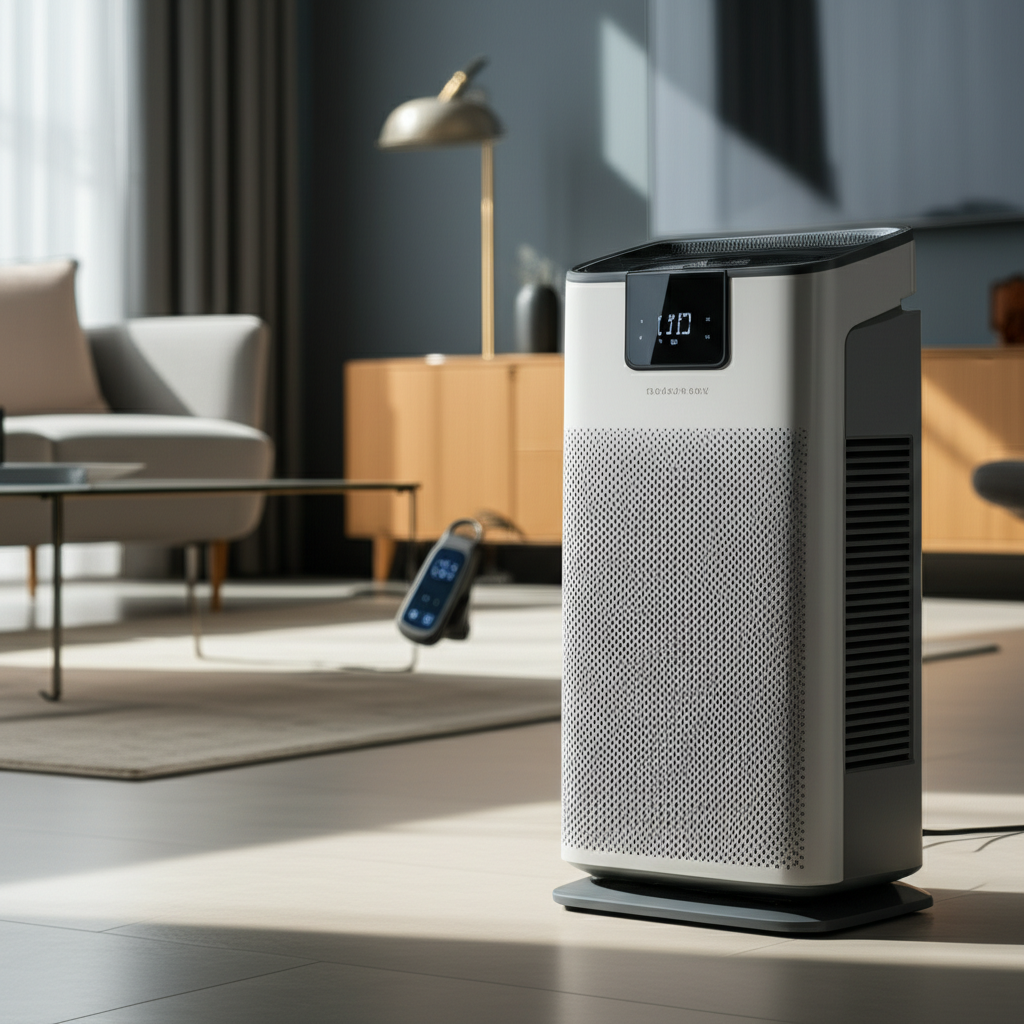
Mold thrives in damp environments, releasing spores into the air that can easily spread. These spores, when inhaled, can cause a range of health problems, from sneezing and coughing to more severe allergic reactions and asthma exacerbations. Beyond health, mold can damage your home’s structure and aesthetics. Effectively managing mold means addressing its presence in the air you breathe daily.
The Core Technologies: What Makes an Air Purifier Effective Against Mold
When selecting an air purifier for mold, certain technologies stand out for their proven effectiveness. These are the workhorses that capture and neutralize mold spores, ensuring cleaner air. Understanding these core components is key to making an informed decision for your home.
HEPA Filters: The Gold Standard for Capturing Mold Spores
True HEPA (High-Efficiency Particulate Air) filters are the most critical component for mold defense. They are designed to capture at least 99.97% of airborne particles as small as 0.3 microns. This includes mold spores, which typically range from 1 to 20 microns in size. A HEPA filter physically traps these spores, preventing them from recirculating in your home.
What is a True HEPA Filter?
A true HEPA filter meets stringent standards for particle capture efficiency. It’s not just a marketing term; it signifies a filter that has undergone rigorous testing to ensure it removes the vast majority of airborne contaminants. For mold, this level of filtration is non-negotiable for effective removal.
Activated Carbon Filters: Neutralizing Odors and Mycotoxins
While HEPA filters capture spores, activated carbon filters tackle the associated odors and potentially harmful volatile organic compounds (VOCs) that mold can produce, known as mycotoxins. Activated carbon is highly porous, offering a large surface area to adsorb these airborne pollutants. It acts as a secondary defense, improving the overall air quality and reducing that musty smell.
The Role of Activated Carbon in Mold Remediation
Activated carbon filters are essential for a comprehensive approach to mold. They don’t just trap particles; they chemically bind with odor-causing molecules and certain mycotoxins. This adsorption process effectively neutralizes them, leaving your air smelling fresher and reducing exposure to invisible threats.
Pre-Filters: Extending the Life of Your Primary Filters
Many effective air purifiers for mold include a pre-filter. This is typically a washable mesh layer designed to catch larger particles like dust, hair, and pet dander. By trapping these bigger items, the pre-filter prevents them from clogging the more expensive HEPA and activated carbon filters. This significantly extends the lifespan and efficiency of your main filtration system.
Benefits of a Washable Pre-Filter
A washable pre-filter is a cost-effective and convenient feature. It reduces the frequency with which you need to replace your HEPA and carbon filters, saving you money in the long run. Regular cleaning of the pre-filter also ensures optimal airflow through the entire unit.
Key Features to Look For in the Best Type of Air Purifier for Mold
Beyond the core filtration technologies, several other features contribute to an air purifier’s overall effectiveness against mold. Considering these aspects will help you choose a unit that’s not only powerful but also practical for your home.
CADR (Clean Air Delivery Rate): Matching Power to Room Size
The Clean Air Delivery Rate (CADR) indicates how quickly an air purifier can clean the air in a specific room. It’s measured for three pollutants: dust, pollen, and smoke. For mold, you’ll want a high CADR relative to your room’s square footage. A general rule of thumb is to choose a purifier with a CADR that is at least two-thirds of the room’s area in square feet.
Why CADR Matters for Mold Control
A higher CADR means the purifier can process more air more frequently, which is essential for capturing dispersed mold spores. If the CADR is too low for your room size, the purifier will struggle to keep up, leaving more spores circulating. Always check the manufacturer’s recommendations for room coverage.
Coverage Area and Room Size Recommendations
Air purifiers are rated for specific room sizes, usually in square feet. It’s vital to select a unit designed for the size of the area you intend to use it in. For persistent mold issues or larger rooms, consider a unit rated for a slightly larger space than you have. This ensures consistent and effective air purification.
Choosing the Right Size for Your Needs
Don’t underestimate room size. A unit that’s too small will be overworked and ineffective, while an oversized unit might be unnecessarily expensive and noisy. Always refer to the manufacturer’s specifications to ensure a proper fit for your bedroom, living room, or basement.
Noise Levels (dB): Ensuring a Peaceful Environment
Air purifiers operate with fans, and these fans produce noise. Noise levels are measured in decibels (dB). While higher fan speeds offer more powerful purification, they also tend to be louder. For bedrooms or living areas, look for models with lower dB ratings on their lower settings, especially if you’re sensitive to noise.
Balancing Performance and Quiet Operation
Many modern air purifiers offer multiple fan speeds, allowing you to adjust the noise level based on your needs. A unit that can run quietly on its lower settings is ideal for continuous use without disruption. Some units even have a “sleep mode” for minimal noise and light.
Energy Efficiency and Filter Replacement Costs
Consider the long-term costs associated with running an air purifier. Look for Energy Star certified models, which are more energy-efficient. Also, factor in the cost and frequency of filter replacements. HEPA and activated carbon filters need periodic replacement, and these costs can add up over time.
Calculating the Total Cost of Ownership
Before purchasing, research the price of replacement filters and how often they need to be changed. Some brands offer filter subscription services, which can sometimes offer a discount. A model with a longer filter life or washable pre-filters can lead to significant savings.
Types of Air Purifiers: Which is Best for Mold?
Not all air purifiers are created equal, especially when it comes to tackling mold. Some technologies are more effective than others. Understanding the differences will guide you toward the best type of air purifier for mold in your specific situation.
HEPA Air Purifiers: The Top Choice for Mold Spore Capture
As discussed, air purifiers featuring True HEPA filters are paramount for mold spore removal. They physically trap these microscopic irritants. When mold is a primary concern, a unit that boasts a robust HEPA filtration system should be at the top of your list.
When to Prioritize HEPA Filtration
If you have visible mold, a history of mold growth, or experience mold-related allergies, a HEPA air purifier is your most effective solution. It directly addresses the airborne particulate issue caused by mold. Look for units with a certified HEPA filter for guaranteed performance.
Activated Carbon Air Purifiers: For Odor and Mycotoxin Control
While HEPA filters capture spores, activated carbon filters are crucial for dealing with the lingering musty odors and potential mycotoxins mold can release. Many high-quality HEPA air purifiers incorporate substantial activated carbon filters to provide comprehensive air cleaning.
Complementing HEPA with Activated Carbon
For a truly effective mold defense, combining HEPA filtration with a significant amount of activated carbon is ideal. This dual approach ensures both the physical removal of spores and the neutralization of associated odors and chemicals. It offers a more complete solution for mold-affected environments.
UV-C Light Purifiers: A Supplementary, Not Primary, Solution
UV-C light purifiers use ultraviolet radiation to kill airborne microorganisms. While they can be effective against bacteria and viruses, their effectiveness against mold spores is often debated and can be limited. Mold spores can be resistant, and the UV-C light needs sufficient contact time to be effective, which is difficult to guarantee in a typical air purifier.
Limitations of UV-C for Mold Spores
UV-C light is best considered a supplementary feature rather than the primary defense against mold. It might kill some spores that pass by, but it won’t physically remove them or address mycotoxins effectively. Relying solely on UV-C for mold is generally not recommended.
Ionizers and Ozone Generators: Use with Caution
Ionizers and ozone generators work differently, releasing charged ions or ozone molecules into the air to neutralize pollutants. However, ozone is a lung irritant and can exacerbate respiratory conditions, making ozone generators generally unsuitable for homes, especially those with mold issues. Some ionizers can also produce ozone as a byproduct.
The Risks Associated with Ozone
The EPA strongly advises against using ozone generators for air cleaning. Ozone can damage lung tissue and aggravate conditions like asthma and allergies. For mold remediation, it’s best to avoid devices that produce ozone or have a significant risk of doing so.
Choosing the Best Type of Air Purifier for Mold: A Comparison
To help you decide, here’s a comparison of air purifier types and their suitability for mold.
| Air Purifier Type | Primary Function for Mold | Effectiveness | Best For | Considerations |
| :—————- | :———————— | :———— | :——- | :————- |
| HEPA Filter | Captures mold spores | High | All mold issues | Essential, needs replacement |
| Activated Carbon | Neutralizes odors/mycotoxins | High (for odors) | Mold odors, residual issues | Complements HEPA |
| UV-C Light | Kills some airborne microbes | Moderate (limited for mold) | Supplementary | Not primary defense |
| Ionizer | Charges particles | Variable | General air cleaning | Can produce ozone, less effective for mold |
| Ozone Generator | Produces ozone gas | Low (risky) | Not recommended for homes | Health hazard, irritant |
Key Considerations for Specific Mold Situations
The best type of air purifier for mold can also depend on the severity and location of the mold issue in your home. Tailoring your choice to the specific problem can lead to more effective results.
For Mild Surface Mold and Odors
If you’re dealing with minor surface mold and associated musty smells, a good quality HEPA air purifier with a substantial activated carbon filter is often sufficient. Focus on a unit with adequate CADR for the room where the mold is most prevalent, like a bathroom or kitchen. Consistent use will help manage spores and odors.
Maintaining Air Quality in Problem Areas
Placing the air purifier strategically in the room with the mold issue is key. Ensure it’s running for extended periods, especially after cleaning the visible mold. This helps capture any spores that were disturbed during the cleaning process.
For Basements and Damp Areas
Basements are notorious for mold due to humidity and lack of ventilation. For these areas, you’ll want a powerful air purifier with a high CADR and robust filtration. Consider units designed for larger spaces or those with extra features for damp environments, such as enhanced humidity resistance if available.
Choosing a Powerful Unit for High-Humidity Zones
A unit with a strong fan and a large filter capacity is essential for basements. Look for models that can handle continuous operation and have a good balance of HEPA and activated carbon filtration. Ensure the unit itself isn’t susceptible to damage from high humidity.
For Severe Mold Infestations
In cases of severe mold, an air purifier is a supplementary tool, not a complete solution. The primary focus must be on professional mold remediation to remove the source. However, during and after remediation, a high-performance air purifier with True HEPA and ample activated carbon is crucial for capturing residual spores and airborne toxins.
Air Purifiers as Part of a Remediation Plan
After visible mold has been removed by professionals, an air purifier can significantly aid in clearing any remaining airborne particles. It helps ensure that the air is safe to breathe as the environment dries and recovers. Always follow professional advice for severe mold situations.
Top Air Purifier Brands and Models to Consider (Examples)
While I can’t recommend specific real-time product models due to market changes, I can highlight brands known for quality and technologies effective against mold. When looking for the best type of air purifier for mold, consider these reputable manufacturers.
Coway: Often praised for their robust multi-stage filtration, including HEPA and activated carbon, and good CADR ratings for their size.
Blueair: Known for combining HEPA filtration with their own particle-charging technology (which is typically ozone-free) and effective activated carbon options.
Levoit: Offers a range of affordable yet effective purifiers with True HEPA and activated carbon filters, suitable for various room sizes.
Winix: Many Winix models feature True HEPA, activated carbon, and PlasmaWave technology (which can be turned off if preferred), offering good value.
When researching models from these or other brands, always check for “True HEPA” certification and the amount of activated carbon in the filter.
Maintaining Your Air Purifier for Optimal Mold Defense
The effectiveness of any air purifier diminishes if it’s not properly maintained. Regular upkeep ensures your device continues to provide the best defense against mold spores and odors.
Regular Filter Replacement Schedule
Follow the manufacturer’s recommended schedule for replacing HEPA and activated carbon filters. This is typically every 6 to 12 months, depending on usage and air quality. Neglecting filter changes will reduce airflow and filtration efficiency.
Why Filter Replacement is Crucial
Clogged filters can’t effectively capture new particles, and a saturated activated carbon filter will stop adsorbing odors. Replacing filters ensures your air purifier continues to perform at its peak, providing continuous protection against mold.
Cleaning the Pre-Filter
If your air purifier has a washable pre-filter, clean it regularly, usually once a month or as needed. Dust and debris trapped by the pre-filter can restrict airflow and strain the motor. A clean pre-filter prolongs the life of your main filters.
Simple Steps for Pre-Filter Maintenance
Simply remove the pre-filter, rinse it under cool water, and allow it to air dry completely before reinserting it. This simple task makes a significant difference in the overall performance and longevity of your air purifier.
General Unit Cleaning
Wipe down the exterior of your air purifier periodically with a soft, dry cloth. Ensure the air intake and outlet vents are free of dust and obstructions. This helps maintain good airflow and keeps the unit looking its best.
Frequently Asked Questions About Air Purifiers for Mold
Q1: How do I know if my air purifier is working against mold?
You’ll notice a reduction in that musty mold smell and potentially fewer allergy symptoms. For a more definitive answer, some advanced air quality monitors can detect mold spore levels, though this is less common for home users.
Q2: Can an air purifier kill mold?
Air purifiers with HEPA filters capture mold spores, preventing them from spreading. While UV-C light in some purifiers can kill certain microorganisms, it’s not the primary method for mold spore removal and isn’t as effective as physical capture.
Q3: How often should I run an air purifier for mold?
For best results, run your air purifier continuously, especially in rooms where mold is a concern or has been present. Using it on a higher setting during the day and a quieter setting at night is a common strategy.
Q4: Can an air purifier prevent mold from growing?
An air purifier helps manage airborne mold spores but does not prevent mold growth itself. Mold requires moisture, food sources, and suitable temperatures to grow. Addressing these underlying issues is crucial for prevention.
Q5: What is the difference between a HEPA filter and a HEPA-type filter for mold?
A “True HEPA” filter is certified to capture 99.97% of particles 0.3 microns in size. “HEPA-type” or “HEPA-like” filters are less efficient and may not meet the same standards, making them less effective against mold spores. Always look for “True HEPA.”
Q6: How large of an air purifier do I need for a moldy basement?
For a basement, you’ll want an air purifier with a high Clean Air Delivery Rate (CADR) and coverage suitable for the room’s square footage. It’s often recommended to choose a unit rated for a slightly larger space than your basement to ensure adequate air cleaning.
Conclusion: Your Proven Defense Against Mold
Choosing the best type of air purifier for mold involves understanding the core technologies that matter most: True HEPA filtration for capturing spores and activated carbon for neutralizing odors and mycotoxins. By prioritizing these features, alongside appropriate CADR for your room size and consistent maintenance, you can establish a proven defense against mold in your home. Investing in a quality air purifier is a proactive step towards healthier indoor air and a more comfortable living environment. Breathe easier knowing you’ve made an informed choice for your well-being.
