
Are Air Purifier FSA Eligible? Essential Savings!

Yes, air purifiers can be FSA eligible, offering significant savings on essential health equipment for your home. This guide breaks down how to determine eligibility and maximize your FSA benefits for cleaner air.
The question of whether air purifiers qualify for Flexible Spending Account (FSA) funds is a common one for health-conscious individuals. Many people invest in air purifiers to combat allergies, asthma, and general air quality concerns, but aren’t sure if they can use their pre-tax dollars. This guide will clarify the eligibility requirements and walk you through the simple steps to ensure you can make this smart purchase with your FSA.
Understanding FSA Eligibility for Air Purifiers
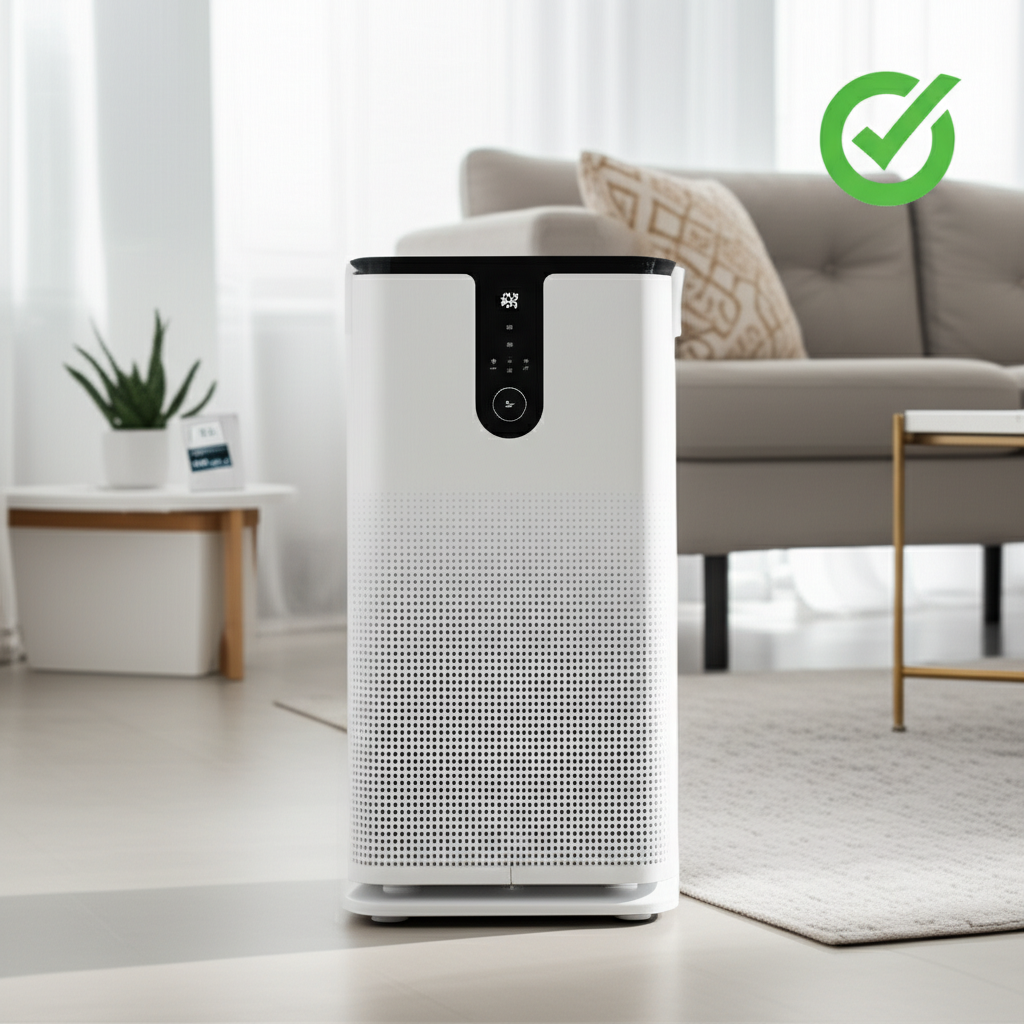
FSA funds can be used for medical expenses that primarily benefit the health of the account holder or their dependents. Air purifiers are often considered eligible if they are prescribed or recommended by a physician for a specific medical condition. This makes them a valuable tool for managing respiratory issues and improving overall well-being.
Key Takeaway: Air purifiers can be FSA eligible, especially when recommended for medical reasons, allowing you to use pre-tax dollars for a healthier home environment.
What Does the IRS Say About Air Purifiers and FSAs?
The IRS provides guidelines on what constitutes a medical expense. Generally, items that treat or prevent a specific medical condition are eligible. For air purifiers, this often hinges on a doctor’s recommendation, making it a crucial piece of documentation.
Key Takeaway: The IRS considers air purifiers eligible medical expenses if they are prescribed to treat a diagnosed medical condition.
The Doctor’s Prescription: Your Golden Ticket
A letter of medical necessity (LMN) from your doctor is the most important document for FSA eligibility. This letter should clearly state your medical condition and explain how the air purifier will help alleviate or treat it. Without this, your claim might be denied.
Key Takeaway: Obtain a Letter of Medical Necessity from your doctor to confirm your air purifier purchase is an eligible FSA expense.
Common Medical Conditions Benefiting from Air Purifiers
Many conditions can be improved with cleaner indoor air. Allergies, asthma, COPD, and even frequent respiratory infections are often cited by medical professionals as reasons to use an air purifier. Documenting these conditions is key to FSA approval.
Key Takeaway: Conditions like asthma, allergies, and respiratory illnesses are frequently approved for FSA reimbursement with an air purifier.
How to Submit Your Air Purifier Claim
The process typically involves submitting a claim form along with your receipt and the doctor’s LMN to your FSA administrator. Many administrators have online portals or mobile apps for easy submission, streamlining the reimbursement process. Always check your specific administrator’s procedures.
Key Takeaway: Submit your air purifier claim with the receipt and doctor’s LMN via your FSA administrator’s online portal or app.
Choosing the Right Air Purifier for Your FSA
When selecting an air purifier, consider its features and certifications. Look for HEPA filters, as they are highly effective at capturing allergens and pollutants. Ensure the model you choose is appropriate for the size of the room you intend to use it in for maximum benefit.
Key Takeaway: Opt for HEPA-filtered air purifiers suitable for your room size to maximize health benefits and FSA eligibility.
Are Specific Air Purifier Brands FSA Eligible?
While the IRS doesn’t list specific brands, any air purifier can be FSA eligible if it meets the medical necessity criteria. This means brands like Coway, Levoit, Blueair, and Honeywell can all be purchased with FSA funds if you have the proper documentation.
Key Takeaway: Brand names are not a barrier to FSA eligibility; the medical necessity of the air purifier is what matters.
Air Purifier vs. Humidifier: Which is FSA Eligible?
Both air purifiers and humidifiers can be FSA eligible, but the requirements may differ slightly. Humidifiers are typically eligible if prescribed to treat dry air-related conditions like dry skin, sinus problems, or nosebleeds. Always consult your doctor and FSA administrator.
Key Takeaway: Humidifiers can also be FSA eligible for specific dry air-related medical conditions, with a doctor’s recommendation.
Understanding Your FSA and HSA Options
Flexible Spending Accounts (FSAs) and Health Savings Accounts (HSAs) are both pre-tax savings vehicles for healthcare expenses. While both can cover eligible medical equipment like air purifiers, HSAs offer more flexibility as funds roll over year to year.
Key Takeaway: Both FSAs and HSAs can cover air purifiers with proper documentation, but HSAs offer greater flexibility for unused funds.
Frequently Asked Questions About Air Purifiers and FSAs
Can I use my FSA for an air purifier without a doctor’s note?
Generally, a doctor’s note or Letter of Medical Necessity is required for FSA eligibility. Without it, your claim may be denied.
What if my doctor just generally recommends cleaner air?
Your doctor’s recommendation needs to be specific to a diagnosed medical condition and how the air purifier will treat it. A general recommendation might not suffice.
How do I find out if my specific air purifier model is eligible?
Check with your FSA administrator. They will have a list of eligible expenses or a process for reviewing new items.
Can I use my FSA for replacement filters?
Yes, replacement filters for an FSA-eligible air purifier are typically also eligible expenses. Keep those receipts too!
What if my FSA claim for an air purifier is denied?
If your claim is denied, review the reason for denial. You may be able to appeal by providing additional documentation or clarifying information from your doctor.
Are portable air purifiers FSA eligible?
Yes, portability does not affect eligibility as long as the air purifier is medically necessary for a specific condition.
Conclusion: Breathe Easier with FSA Savings
Navigating FSA eligibility for air purifiers can seem complex, but with a clear understanding of the requirements, it’s a straightforward process. By obtaining a Letter of Medical Necessity from your physician and keeping thorough records, you can confidently use your pre-tax dollars to invest in cleaner, healthier air for yourself and your family. This essential step can lead to significant savings and a tangible improvement in your respiratory health.
Key Takeaway: Securing FSA eligibility for air purifiers is achievable with a doctor’s note, leading to cost savings and improved indoor air quality.
