
Are Air Purifiers Good For Cigarette Smoke? Essential Guide

Yes, air purifiers can be very effective at removing cigarette smoke from your home, significantly improving air quality by capturing harmful particles and odors.
Are Air Purifiers Good for Cigarette Smoke? An Essential Guide
The lingering smell of cigarette smoke can be a persistent problem, impacting the air quality and comfort of your living space. If you’re dealing with this, you’re likely wondering if an air purifier is a worthwhile solution. The good news is that with the right type of air purifier, you can effectively combat smoke and its associated irritants. This guide will walk you through everything you need to know to make an informed decision and breathe easier.
The Problem with Cigarette Smoke in Your Home
Cigarette smoke is a complex mixture of thousands of chemicals, many of which are harmful. These particles and gases don’t just disappear; they settle on surfaces, permeate fabrics, and remain suspended in the air long after the cigarette is extinguished. This can lead to unpleasant odors, trigger allergies and asthma, and contribute to a generally unhealthy indoor environment. Understanding the nature of smoke is the first step in tackling it effectively.
How Air Purifiers Combat Cigarette Smoke
Air purifiers work by drawing in air, passing it through a series of filters, and releasing cleaner air back into the room. For cigarette smoke, the most crucial filters are the activated carbon and HEPA filters. These components are specifically designed to trap the fine particulate matter and neutralize the volatile organic compounds (VOCs) that give smoke its distinct smell and harmful properties.
The Role of HEPA Filters
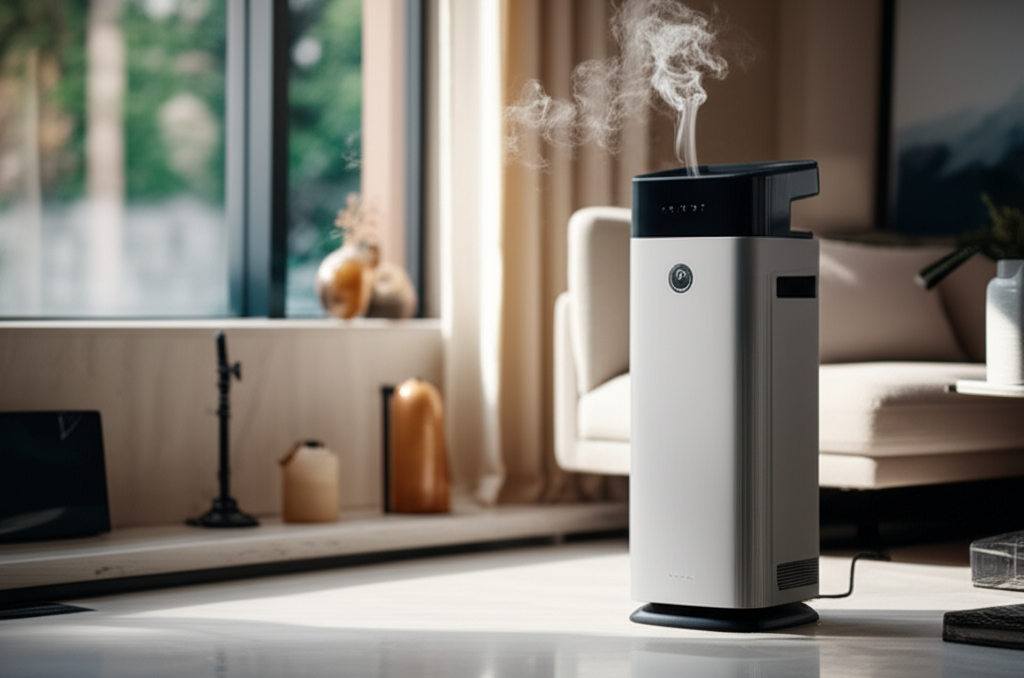
High-Efficiency Particulate Air (HEPA) filters are the gold standard for capturing airborne particles. They are designed to trap at least 99.97% of particles as small as 0.3 microns. This includes the fine ash, tar, and other solid components of cigarette smoke that can irritate your respiratory system. A good HEPA filter is essential for removing the physical remnants of smoke from your air.
The Power of Activated Carbon Filters
While HEPA filters handle the particles, activated carbon filters are the heroes for odor removal. Activated carbon is a highly porous material that adsorbs gases and odors. It effectively traps the thousands of chemical compounds responsible for the smell of cigarette smoke, making a significant difference in the overall air freshness. The more activated carbon a purifier has, the better it will be at tackling smoke odors.
Key Features to Look For in a Smoke-Fighting Air Purifier
When choosing an air purifier specifically for cigarette smoke, certain features are non-negotiable. Prioritizing these will ensure you get a unit that truly tackles the problem, rather than just circulating air. Look for robust filtration systems and appropriate sizing for your space.
Activated Carbon Capacity
The amount of activated carbon in an air purifier is critical for smoke odor elimination. Look for models that specify a substantial amount of carbon, often measured in pounds or kilograms. A thicker, denser carbon filter will absorb more odors and last longer before needing replacement.
Pre-Filters for Larger Particles
Many air purifiers include a pre-filter that captures larger particles like dust and pet hair. For cigarette smoke, this is also beneficial as it traps larger ash particles and extends the life of the more expensive HEPA and carbon filters. A washable pre-filter can also be a convenient feature.
CADR Ratings for Smoke
Clean Air Delivery Rate (CADR) is a measure of how quickly an air purifier can clean the air for specific pollutants, including smoke. Look for a high CADR rating for smoke, ensuring the unit is powerful enough for the size of the room you intend to use it in. A higher CADR means faster and more effective smoke removal.
Ozone Production Concerns
Some air purifiers, particularly those using ionizers or UV-C light without proper safeguards, can produce ozone as a byproduct. Ozone is a lung irritant and can exacerbate respiratory problems, making it counterproductive for smoke removal. Always choose an ozone-free or certified low-ozone producing air purifier.
How to Maximize Your Air Purifier’s Effectiveness Against Smoke
Simply buying an air purifier isn’t enough; proper placement and maintenance are key to its success in combating cigarette smoke. Following these best practices will ensure you get the most out of your investment. Consistent effort yields the best results.
Strategic Placement in the Room
Place your air purifier in the room where smoking most frequently occurs, or in a central location that can draw air from surrounding areas. Ensure there’s adequate space around the unit for air intake and exhaust, typically at least a foot or two. Avoid placing it directly next to furniture or curtains that could obstruct airflow.
Running the Purifier Continuously
For maximum effectiveness against persistent cigarette smoke, run your air purifier 24/7, especially in the initial stages of tackling the smoke problem. This ensures that the air is constantly being cleaned, trapping new smoke particles and odors as they are produced. Continuous operation prevents smoke from accumulating.
Regular Filter Maintenance and Replacement
Filters have a limited lifespan and will become saturated with pollutants over time. Regularly check your air purifier’s manual for recommended filter cleaning and replacement schedules. Replacing clogged filters is crucial for maintaining optimal performance and preventing the unit from becoming a source of odor itself.
Top Air Purifier Brands for Cigarette Smoke
Several brands have established themselves as leaders in producing effective air purifiers for smoke and odor removal. Researching these reputable brands can help you narrow down your choices and find a reliable unit. Many offer specialized features designed for this specific challenge.
Coway Air Purifiers
Coway is frequently recommended for its powerful multi-stage filtration systems, often including robust HEPA and carbon filters. Their models are known for their quiet operation and effective removal of odors and fine particles, making them a strong contender for smoke-filled environments.
Blueair Air Purifiers
Blueair units are praised for their high CADR ratings and energy efficiency. They utilize a combination of mechanical and electrostatic filtration (HEPASilent technology) to capture smoke particles and gases effectively. Many models also feature substantial activated carbon filters.
Levoit Air Purifiers
Levoit offers a range of affordable yet effective air purifiers. Their models often feature True HEPA filters and large activated carbon filters, specifically designed to tackle odors from pets, cooking, and smoke. They are a popular choice for budget-conscious consumers.
Winix Air Purifiers
Winix purifiers often incorporate True HEPA, activated carbon, and their PlasmaWave technology (which can be turned off if ozone is a concern). They are known for their comprehensive filtration and ability to handle a variety of indoor air pollutants, including smoke.
Comparing Air Purifier Technologies for Smoke
Understanding the different technologies used in air purifiers can help you choose the best fit for your needs. Not all purification methods are equally effective against the complex mixture of cigarette smoke. Prioritize proven filtration methods for the best results.
Mechanical Filtration (HEPA & Carbon)
This is the most trusted and effective method for removing both particles and odors from cigarette smoke. True HEPA filters trap fine particles, while substantial activated carbon filters adsorb gases and smells. This combination is the cornerstone of any good smoke-fighting air purifier.
Electrostatic Precipitation
These purifiers use electrical charges to collect particles. While they can be effective at capturing fine particles, they can sometimes produce ozone, which is a concern. They also require regular cleaning of the collector plates.
UV-C Light Purification
UV-C light is primarily used to kill germs and viruses. It does not effectively remove the particulate matter or the odors associated with cigarette smoke. It’s generally considered a supplementary feature, not a primary solution for smoke.
Ionizers
Ionizers release charged ions into the air, which attach to particles, causing them to clump together and fall out of the air or stick to surfaces. However, they can also produce ozone and may not fully capture all smoke components.
Air Purifiers vs. Other Smoke Solutions
While air purifiers are highly effective, they are often part of a broader strategy to combat cigarette smoke. Comparing them to other methods can help you understand their unique benefits. No single solution might be a magic bullet, but they work well together.
Odor Absorbers and Fresheners
These products can mask or absorb some odors but typically don’t address the harmful particulate matter in smoke. They offer a temporary fix rather than a comprehensive air quality solution. Air purifiers tackle both aspects.
Ventilation and Air Circulation
Opening windows can help dissipate smoke, but it also brings in outside pollutants and can be impractical in certain weather conditions. Air purifiers provide consistent, filtered air regardless of external factors. They work even when windows are closed.
Deep Cleaning and Surface Treatments
Regular deep cleaning of your home, including washing fabrics and surfaces, is essential for removing settled smoke residue. However, it doesn’t continuously clean the air. Air purifiers work in tandem with cleaning to maintain a smoke-free environment.
Table: Pros and Cons of Using Air Purifiers for Cigarette Smoke
| Pros | Cons |
| :————————————- | :————————————– |
| Effectively removes smoke particles | Requires ongoing filter replacement costs |
| Significantly reduces smoke odors | Initial purchase cost can be high |
| Improves overall indoor air quality | Some models can be noisy |
| Can alleviate respiratory symptoms | Energy consumption |
| Helps remove residual smoke smell | Effectiveness depends on proper sizing |
| Provides continuous air cleaning | Ozone production in some models |
Frequently Asked Questions (FAQ)
FAQ About Air Purifiers and Cigarette Smoke
Can an air purifier completely eliminate cigarette smoke smell?
While an air purifier with a substantial activated carbon filter can significantly reduce and often eliminate cigarette smoke smell, it’s most effective when combined with other measures like ventilation and regular cleaning. It won’t magically make the smell vanish instantly, but it drastically improves the air over time.
How often do I need to replace filters for cigarette smoke?
For heavy smoke exposure, you’ll likely need to replace HEPA and activated carbon filters more frequently than the manufacturer’s recommendation, possibly every 3-6 months instead of 12. Always check your unit’s manual and monitor filter performance.
Are air purifiers safe to run all the time?
Yes, ozone-free air purifiers are safe to run continuously. In fact, running them 24/7 is the most effective way to combat persistent cigarette smoke and maintain optimal indoor air quality. Ensure the model you choose is certified for low or no ozone production.
What is the best type of air purifier for cigarette smoke?
The best type of air purifier for cigarette smoke is one that features a multi-stage filtration system, including a True HEPA filter for particles and a large, high-capacity activated carbon filter for odors and gases. Look for high CADR ratings for smoke.
Will an air purifier help if someone smokes inside?
Yes, an air purifier is highly beneficial if someone smokes inside. It actively captures smoke particles and neutralizes odors, making the indoor environment much healthier and more pleasant. However, it’s still advisable to encourage smoking outdoors if possible.
Can air purifiers remove thirdhand smoke?
Air purifiers can help reduce airborne particles associated with thirdhand smoke, but they cannot remove the chemical residues that have settled on surfaces. Deep cleaning remains essential for tackling thirdhand smoke entirely.
Conclusion: Breathe Easier with the Right Air Purifier
Investing in a quality air purifier equipped with robust HEPA and activated carbon filters is a highly effective strategy for combating cigarette smoke in your home. By understanding the key features to look for, employing best practices for usage and maintenance, and choosing reputable brands, you can significantly improve your indoor air quality and create a healthier, more pleasant living environment. Don’t let smoke linger; take control of your air today.
