
Best Plug In Air Purifier: Essential For Clean Air

Discover the best plug-in air purifiers to effortlessly transform your home into a sanctuary of clean, fresh air. These compact powerhouses tackle allergens, odors, and pollutants, offering a simple yet effective solution for healthier living spaces.
The air we breathe indoors can be surprisingly polluted, often containing allergens, dust, pet dander, and even VOCs from everyday products. This can lead to sniffles, congestion, and general discomfort, impacting our well-being and sleep quality. Fortunately, finding the best plug-in air purifier is a straightforward way to combat these invisible invaders and create a healthier environment for you and your loved ones.
Why a Plug-In Air Purifier is Your New Best Friend
A plug-in air purifier is an essential tool for anyone prioritizing indoor air quality. Unlike bulky, floor-standing units, these compact devices offer powerful filtration without occupying significant space. They are ideal for smaller rooms, offices, or even travel, providing targeted purification right where you need it most.
Understanding the Core Technology: How They Work
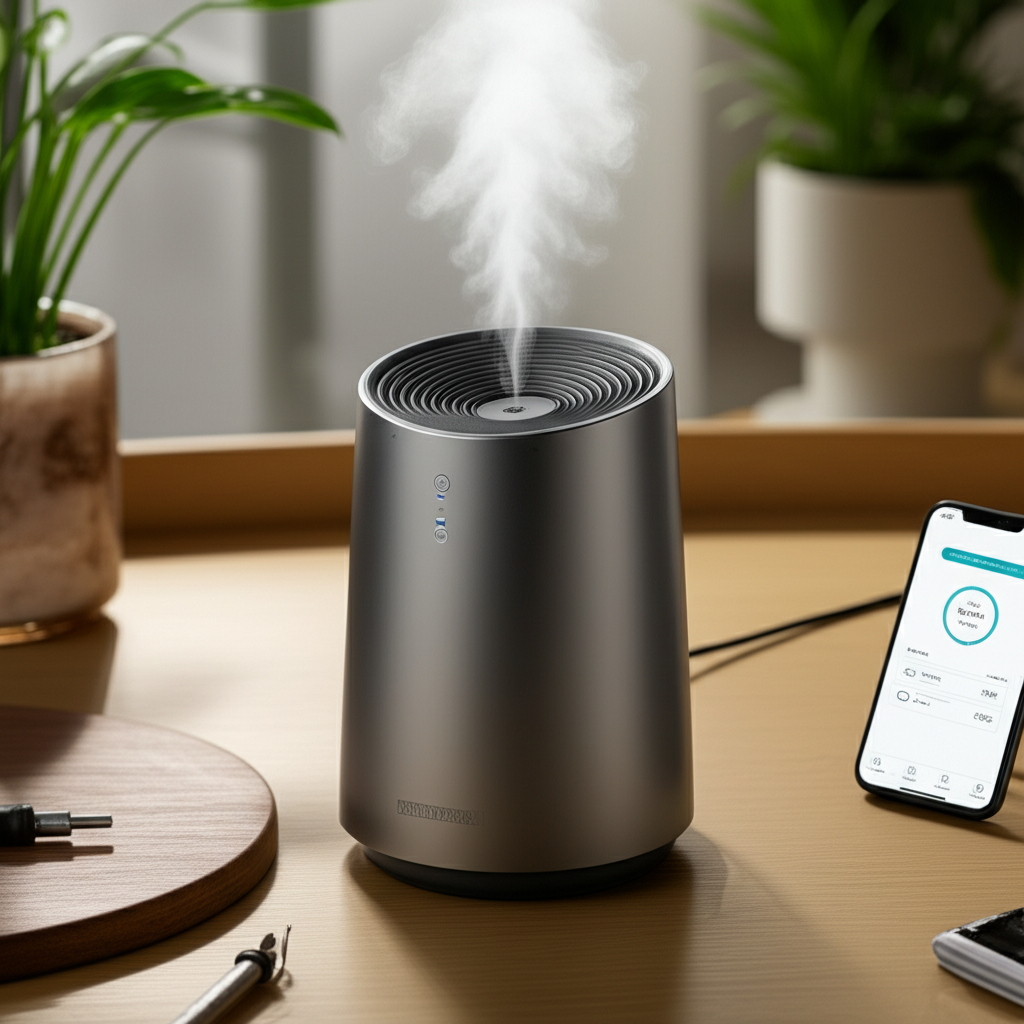
Plug-in air purifiers typically employ a multi-stage filtration system to capture airborne particles. This usually involves a pre-filter for larger debris, a HEPA filter for microscopic allergens, and an activated carbon filter to neutralize odors and gases. Clean air is then circulated back into your room, improving its overall quality.
The Power of HEPA Filtration
High-Efficiency Particulate Air (HEPA) filters are the gold standard in air purification, capable of trapping at least 99.97% of airborne particles as small as 0.3 microns. This includes common allergens like pollen, dust mites, mold spores, and pet dander, making them crucial for allergy sufferers. You can learn more about the science behind HEPA filters from the Environmental Protection Agency (EPA).
Activated Carbon: Tackling Odors and Gases
While HEPA filters excel at capturing particles, activated carbon filters are the secret weapon against unwanted smells and harmful gases. They work through adsorption, trapping volatile organic compounds (VOCs), smoke, cooking odors, and pet smells, leaving your air smelling fresh and pure.
Key Features to Look for in the Best Plug-In Air Purifier
When selecting the best plug-in air purifier, several features can significantly impact its effectiveness and your satisfaction. Prioritizing these will help you make an informed decision that suits your specific needs.
Room Size and Coverage Area
It’s crucial to match the air purifier’s coverage area to the size of the room you intend to use it in. Most manufacturers provide CADR (Clean Air Delivery Rate) ratings, indicating how quickly the unit can filter a specific room size. Overestimating your room size is better than underestimating it.
Filter Types and Replacement Costs
Beyond HEPA and activated carbon, some purifiers may feature additional filters like UV-C light or ionizers. Consider the cost and frequency of filter replacements, as this is an ongoing expense. Read reviews to gauge the availability and price of replacement filters for your chosen model.
Noise Levels
Air purifiers operate with a fan, which generates noise. For bedrooms or quiet workspaces, look for models with low decibel ratings, especially on their lower settings. Many units offer quiet or sleep modes for undisturbed operation.
Energy Efficiency
An energy-efficient air purifier will save you money on your electricity bill in the long run. Look for Energy Star certified models or those with low wattage consumption. This is especially important if you plan to run the unit continuously.
Additional Features: Smart Controls and Air Quality Sensors
Some of the best plug-in air purifiers come with advanced features like smart connectivity, allowing you to control them via a smartphone app. Air quality sensors can automatically adjust the fan speed based on detected pollutant levels, ensuring optimal performance.
Top Plug-In Air Purifier Models for Every Need
Choosing the right model can feel overwhelming with so many options available. Here, I’ll highlight some of the best plug-in air purifiers that consistently receive high marks for performance, value, and user satisfaction.
For Small Spaces: Compact Powerhouses
These models are perfect for desks, small bedrooms, or RVs, offering targeted purification without a large footprint. They are often very budget-friendly and easy to operate.
Levoit Core 300: A popular choice known for its quiet operation and effective three-stage filtration.
Coway AP-1012GH: While slightly larger, its compact design and powerful performance make it suitable for smaller rooms.
GermGuardian AC425: A budget-friendly option that effectively tackles odors and allergens.
For Allergy Sufferers: HEPA-Focused Champions
If allergies are your primary concern, prioritize models with robust HEPA filtration and low emissions. These units are designed to capture the smallest allergens that trigger reactions.
Blueair Blue Pure 411 Auto: Features a unique particle-only filter that captures allergens and a pre-filter for larger particles.
Winix 5500-2: Combines True HEPA filtration with an activated carbon filter and PlasmaWave technology for comprehensive air cleaning.
Honeywell HPA060: A reliable option for smaller spaces, focusing on allergen removal with its True HEPA filter.
For Odor Elimination: Activated Carbon Specialists
For homes with pets, smokers, or frequent cooking, models with substantial activated carbon filters are essential. These units excel at neutralizing airborne odors and chemical pollutants.
Airdog X5: Utilizes a unique washable filter system and a strong carbon filter for odor control.
Molekule Air Mini+: Known for its PECO filter technology, which breaks down pollutants, including odors, at a molecular level.
* Levoit Core 400S: Offers a large activated carbon filter and smart features, making it effective for medium to large rooms.
Comparing Plug-In Air Purifiers: A Quick Glance
To help you visualize the differences, here’s a comparison of some popular models based on key features.
| Model Name | Room Size (Sq Ft) | Filter Type(s) | Noise Level (dB) | Special Features |
| :——————- | :—————- | :——————————————- | :————— | :——————————————— |
| Levoit Core 300 | Up to 219 | Pre-filter, True HEPA, Activated Carbon | 24-48 | Compact, Quiet Operation |
| Coway AP-1012GH | Up to 325 | Pre-filter, True HEPA, Activated Carbon | 24-54 | Energy Efficient, Air Quality Indicator |
| Blueair Blue Pure 411 | Up to 161 | Particle Filter, Activated Carbon Filter | 17-48 | Washable Pre-filter, Multiple Color Options |
| Winix 5500-2 | Up to 360 | True HEPA, Activated Carbon, PlasmaWave | 28-55 | Auto Mode, Air Quality Sensor |
| GermGuardian AC425 | Up to 150 | Pre-filter, True HEPA, Activated Carbon, UV-C | 30-50 | Budget-Friendly, UV-C Sanitization |
Setting Up Your Plug-In Air Purifier for Maximum Effectiveness
Once you’ve chosen the best plug-in air purifier for your needs, proper setup is key to unlocking its full potential. Following these simple steps will ensure you get the cleanest air possible.
Choosing the Right Location
Place your air purifier on a flat, stable surface away from walls or furniture that might obstruct airflow. Ideally, position it in the room where you spend the most time, such as your bedroom or living area. Ensure it’s within reach of a power outlet.
Understanding the Controls
Familiarize yourself with your unit’s control panel. Most plug-in air purifiers have simple buttons for power, fan speed, and filter reset indicators. If your model has smart features, download the associated app and follow the pairing instructions.
Initial Run and Break-in Period
When you first turn on your air purifier, it’s often recommended to run it on its highest setting for a few hours. This helps circulate the air and ensures the filters are properly seated. Some users report a slight initial odor from new filters, which should dissipate quickly.
Maintaining Your Air Purifier for Long-Term Performance
Regular maintenance is essential to keep your best plug-in air purifier working efficiently and effectively. Neglecting this can reduce its performance and shorten its lifespan.
Cleaning and Replacing Filters
This is the most critical maintenance task. Follow the manufacturer’s recommendations for filter replacement, typically every 6-12 months depending on usage and air quality. Some pre-filters can be washed, extending the life of the main HEPA filter.
Signs Your Filter Needs Replacing
Look for indicators like reduced airflow, increased noise, visible dust buildup on the filter, or a persistent odor. Most units have a filter replacement indicator light that will illuminate when it’s time. Always use genuine replacement filters for optimal performance.
Exterior Cleaning
Wipe down the exterior of your air purifier regularly with a soft, damp cloth to keep it looking its best. Ensure the unit is unplugged before cleaning. Avoid using harsh chemicals or abrasive cleaners.
Are Plug-In Air Purifiers Worth the Investment?
Investing in the best plug-in air purifier is a proactive step towards a healthier living environment. For individuals struggling with allergies, asthma, or simply wanting fresher air, the benefits far outweigh the cost.
Benefits Beyond Clean Air
Beyond alleviating allergy symptoms, cleaner indoor air can lead to better sleep, increased focus, and reduced exposure to harmful pollutants. A plug-in air purifier is a simple, effective way to enhance your overall well-being.
Considering the Long-Term Costs
While the initial purchase price is a factor, remember to factor in the ongoing cost of replacement filters. However, compared to the potential health benefits and the cost of treating respiratory issues, an air purifier often proves to be a worthwhile investment.
Frequently Asked Questions About Plug-In Air Purifiers
Here are answers to some common questions beginners have about plug-in air purifiers.
What is the best plug-in air purifier for a bedroom?
For a bedroom, look for a compact model with a low noise level, especially on its lowest setting. The Levoit Core 300 or the Blueair Blue Pure 411 are excellent choices due to their quiet operation and effective filtration.
How often should I replace the filters in my plug-in air purifier?
Most manufacturers recommend replacing HEPA filters every 6 to 12 months, depending on usage and the level of pollutants in your air. Always check your specific model’s manual for the most accurate guidance.
Can plug-in air purifiers remove odors?
Yes, plug-in air purifiers with activated carbon filters are highly effective at removing odors from smoke, cooking, pets, and other sources. The amount of activated carbon in the filter determines its odor-elimination capacity.
Do plug-in air purifiers use a lot of electricity?
Most modern plug-in air purifiers are designed to be energy-efficient, especially on lower fan settings. Look for Energy Star certified models to ensure minimal electricity consumption.
Are ionizers and UV-C lights in air purifiers safe?
Ionizers can produce small amounts of ozone, which can be a lung irritant. UV-C lights are generally safe when enclosed within the unit, but direct exposure should be avoided. Always research the safety features and potential byproducts of any additional technologies.
Can I leave my plug-in air purifier on all the time?
Yes, it is generally safe and recommended to leave your plug-in air purifier on continuously, especially if you have persistent air quality issues like allergies or pet dander. Running it on a lower setting can save energy.
Conclusion: Breathe Easier with the Best Plug-In Air Purifier
In conclusion, finding the best plug-in air purifier is an achievable goal that promises significant improvements to your indoor air quality and overall health. These compact, user-friendly devices offer a powerful solution for tackling allergens, odors, and pollutants in any room. By understanding key features like HEPA and activated carbon filtration, considering room size, and performing regular maintenance, you can ensure your chosen unit provides a consistent flow of clean, fresh air. Investing in a quality plug-in air purifier is an investment in your well-being, allowing you to breathe easier and live healthier every day.
