
Best Placement for Air Purifier: Genius Essential

The best placement for an air purifier is crucial for maximizing its effectiveness in cleaning your home’s air. Strategic positioning ensures optimal airflow, targeting pollutants where they matter most, like bedrooms or living areas. This guide will reveal the genius essentials for finding that perfect spot.
Breathing cleaner air at home is a top priority for many, yet a common frustration arises: where exactly should you put that air purifier to get the most benefit? It might seem straightforward, but incorrect placement can significantly reduce its efficiency, leaving you wondering if it’s even working. Don’t worry; I’m here to guide you through the simple, yet genius, essentials of finding the best placement for air purifier in your home. Let’s unlock its full potential together.
Why Air Purifier Placement Matters for Optimal Performance
The best placement for air purifier units isn’t just about aesthetics; it directly impacts how well the device can circulate and clean the air in your living space. An air purifier works by drawing in air, filtering out pollutants, and releasing clean air back into the room. If it’s tucked away in a corner or blocked by furniture, this crucial airflow is disrupted. This means less air is processed, and pollutants linger, defeating the purpose of having the unit in the first place. Understanding airflow dynamics is key to unlocking its true power.
Understanding Airflow and Your Air Purifier
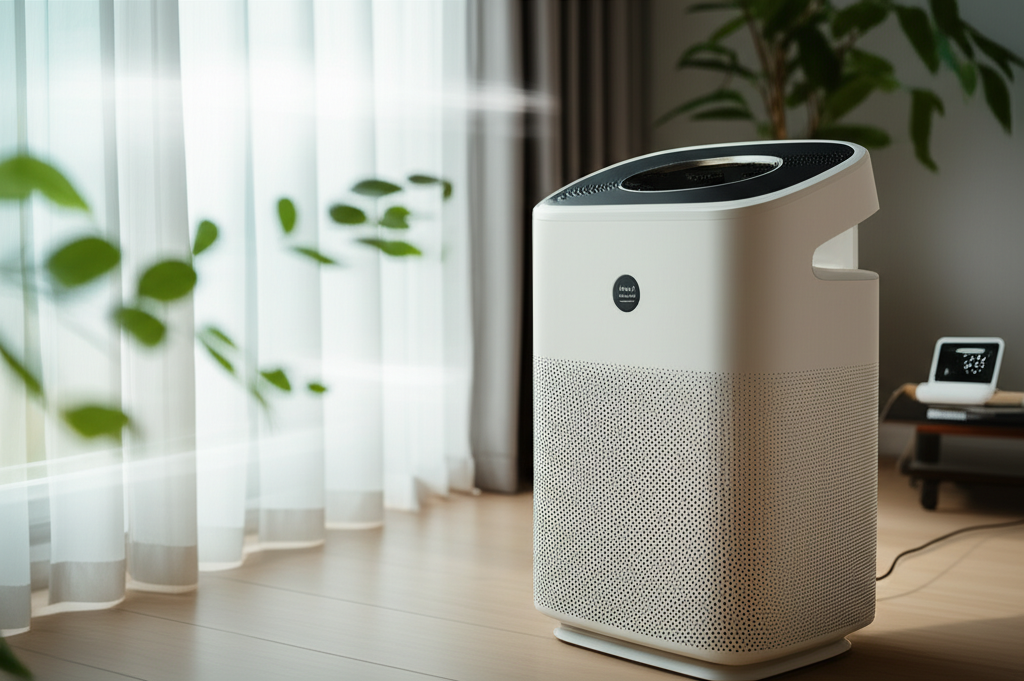
Air purifiers rely on a continuous, unobstructed flow of air to function effectively. Most units have intake vents on one side and output vents on another, often the top or front. For the best placement for air purifier, you need to ensure these vents aren’t blocked. Obstructions force the unit to work harder, consume more energy, and ultimately clean less air. Think of it like trying to breathe through a straw – it’s much harder when the end is covered.
Common Mistakes to Avoid with Air Purifier Placement
Many people make simple mistakes when positioning their air purifiers, significantly hindering their performance. Placing a unit directly against a wall, behind large furniture, or in a cramped closet are common pitfalls. These actions block essential airflow, preventing the device from drawing in polluted air or expelling clean air efficiently. Avoiding these common errors is a crucial step towards finding the best placement for air purifier.
Finding the Best Placement for Air Purifier in Key Rooms
The ideal spot for your air purifier will vary depending on the room’s size, layout, and primary use. Different areas of your home present unique challenges and opportunities for air purification. Let’s explore the most common rooms and how to optimize your purifier’s placement for maximum impact.
Living Room: Maximizing Central Air Cleaning
Your living room is a hub of activity, often collecting dust, pet dander, and airborne allergens from daily life. For the best placement for air purifier in this space, aim for a central location or near a main seating area. This allows the unit to capture pollutants circulating where people spend the most time. Avoid placing it too close to windows or doors where drafts might interfere with air circulation.
Bedroom: Prioritizing Sleep Quality and Health
The bedroom is where you spend a significant portion of your time, especially sleeping, making it a prime candidate for an air purifier. The best placement for air purifier in a bedroom is often on a nightstand or a small table next to your bed. This positions the clean air directly where you breathe it most, promoting better sleep and reducing exposure to allergens overnight. Ensure it’s not so close that the fan noise becomes disruptive.
Kitchen: Tackling Cooking Odors and Smoke
Kitchens are notorious for airborne pollutants like cooking fumes, grease particles, and strong odors. For the best placement for air purifier in this high-traffic area, consider placing it on a countertop or a shelf at a moderate height. This allows it to effectively capture smoke and odors as they rise, preventing them from spreading throughout your home. Keep it away from direct heat sources or excessive moisture.
Home Office: Enhancing Focus and Productivity
A clean air environment in your home office can significantly boost concentration and reduce fatigue. The best placement for air purifier here is typically on your desk or a nearby shelf, ensuring that the purified air is directed towards your workspace. This helps minimize exposure to dust and VOCs that can cause headaches or drowsiness. A quieter model is often preferred for this setting.
Nursery or Child’s Room: Protecting Developing Lungs
Children’s respiratory systems are still developing, making them more vulnerable to air pollution. For the best placement for air purifier in a nursery or child’s room, a floor-level placement away from cribs or play areas is ideal. This allows the unit to capture allergens and dust that settle lower in the room. Ensure cords are safely out of reach and that the unit is stable.
Strategic Positioning: The Genius Essentials
Beyond just choosing a room, specific positioning techniques can elevate your air purifier’s performance from good to great. These are the genius essentials that many overlook.
Maintain Adequate Clearance: The Golden Rule
The most critical aspect of the best placement for air purifier is ensuring adequate clearance around the unit. Most manufacturers recommend at least 1 to 3 feet of space on all sides, especially around the air intake and exhaust vents. This allows for unobstructed airflow, enabling the purifier to efficiently draw in polluted air and expel clean air. A lack of clearance forces the unit to work harder and less effectively.
Consider Airflow Patterns in Your Room
Every room has natural airflow patterns, influenced by windows, doors, and heating/cooling vents. For the best placement for air purifier, try to position it in a way that complements these patterns. If your HVAC system blows air from one side of the room, placing the purifier on the opposite side can create a circular airflow, effectively cleaning the entire space. Understanding your room’s air dynamics is key.
Elevate for Better Circulation: The Smart Move
While not always necessary, elevating your air purifier can sometimes improve its effectiveness, especially in larger rooms. Placing it on a sturdy table or shelf, about waist-high, can help it capture airborne particles more efficiently as they tend to circulate at mid-level heights. This is particularly useful if the floor is cluttered or if you have pets whose dander tends to stay lower. This elevated approach is part of finding the best placement for air purifier.
Avoid Drafts and Direct Airflow
While you want to leverage natural airflow, avoid placing your air purifier directly in the path of strong drafts from open windows, doors, or ceiling fans. These drafts can disrupt the purifier’s intended circulation pattern, pushing the clean air away before it has a chance to purify the room effectively. The goal is controlled circulation, not chaotic dispersal.
Keep Away from Heat and Moisture Sources
Heat and moisture can damage an air purifier’s internal components and affect filter performance. Therefore, it’s crucial to keep your unit away from radiators, direct sunlight, humidifiers, or steamy bathrooms. These environments can lead to premature wear and tear, reducing the lifespan and effectiveness of your appliance.
Advanced Placement Strategies for Peak Performance
Once you’ve mastered the basics, you can employ some advanced techniques to further optimize your air purifier’s performance. These strategies are for those seeking the absolute best placement for air purifier.
Using Multiple Purifiers for Larger Spaces
For very large open-plan areas or multi-story homes, a single air purifier might not be sufficient. Consider using multiple units strategically placed in different zones. For example, in a large living room, you might place one near the seating area and another near a source of common pollutants, like a pet’s favorite spot. This distributed approach ensures comprehensive air cleaning.
Placement for Specific Allergens and Pollutants
If you’re targeting specific pollutants, like pet dander or cooking smoke, your placement strategy might shift. For pet dander, which tends to settle on floors, a lower placement might be beneficial. For cooking odors, a spot closer to the kitchen is logical. Tailoring the best placement for air purifier to your specific needs yields the best results.
The “Corner Trap” and How to Avoid It
A common mistake is placing air purifiers in corners, assuming they’ll catch everything. However, corners can sometimes create dead zones for airflow. Unless the purifier is specifically designed for corner placement with 360-degree intake, it’s often better to pull it slightly away from the corner to allow for better circulation. This is a subtle but important consideration for the best placement for air purifier.
Air Purifier Placement Checklist
To ensure you’ve found the best placement for air purifier, use this quick checklist:
Clearance: Is there at least 1-3 feet of space around all vents?
Airflow: Is the unit positioned to maximize air circulation without being blocked?
Room Function: Is it placed in a high-traffic area or where clean air is most needed (bedroom, living room)?
Obstructions: Are there any furniture, curtains, or decor blocking intake or output?
Environment: Is it away from direct heat, moisture, and strong drafts?
Height: Is it at an optimal height for capturing airborne particles (floor level for dust, elevated for general circulation)?
Safety: Is it stable and cords are managed safely, especially in nurseries?
Air Purifier Placement Tools and Accessories
While not strictly necessary for finding the best placement for air purifier, some tools and accessories can help optimize its position and performance.
Sturdy Stands or Tables: To elevate the unit for better circulation.
Power Strips with Surge Protection: To safely connect your purifier, especially if the outlet is far.
Cable Management Solutions: To keep cords tidy and prevent tripping hazards.
* Air Quality Monitors: To measure the effectiveness of your purifier and identify problem areas that might require repositioning.
Frequently Asked Questions About Air Purifier Placement
Q1: Should I place my air purifier in a corner?
Generally, it’s better to pull an air purifier slightly away from a corner to ensure optimal airflow. Corners can sometimes create dead zones, hindering circulation. However, if your unit is designed for 360-degree air intake, corner placement might be acceptable.
Q2: How close should my air purifier be to my bed?
For the best placement for air purifier in a bedroom, placing it on a nightstand or a small table next to your bed is ideal. Aim for a distance that allows you to benefit from the clean air without being bothered by fan noise or light.
Q3: Can I place my air purifier behind furniture?
No, you should avoid placing your air purifier behind furniture. This obstructs the air intake and output vents, severely limiting its ability to clean the air effectively and forcing it to work harder.
Q4: Does the height of the air purifier matter?
Yes, the height can matter. While floor placement is good for capturing settled dust and dander, elevating the unit on a table can improve general air circulation and capture airborne particles circulating at mid-level heights.
Q5: Should my air purifier be on all the time?
For continuous air cleaning and the best results, it’s recommended to run your air purifier most of the time, especially when you are home. Modern units are energy-efficient, and consistent operation provides the most benefit.
Q6: What is the best placement for an air purifier in a living room?
In a living room, the best placement for air purifier is often in a central location or near the primary seating area. This ensures that the purified air circulates where people spend the most time, capturing common household pollutants.
Conclusion: Mastering Your Air Purifier’s Position for a Healthier Home
Finding the best placement for air purifier is an essential, yet often overlooked, step in achieving truly cleaner air in your home. By understanding airflow dynamics, avoiding common mistakes, and strategically positioning your unit in key rooms, you can unlock its full potential. Remember to maintain adequate clearance, consider room layout, and adapt placement for specific needs. Mastering these genius essentials will lead to a healthier, more comfortable living environment for you and your family.
