Best Pet Air Purifier: Essential Guide

Discover the best pet air purifier to combat dander, odors, and allergens for a healthier, fresher home environment. This guide helps you choose the perfect model.
Living with beloved pets brings immense joy, but it can also introduce challenges like lingering odors, airborne dander, and allergens. If you’re sneezing more than usual or noticing a distinct “pet smell” in your home, an air purifier designed for pet owners can be a game-changer. Finding the best pet air purifier is key to breathing easier and enjoying your furry companions without the sniffles. Let’s dive into how to make the right choice for your home.
Why You Need a Pet Air Purifier
A dedicated pet air purifier is crucial for tackling the specific pollutants pets introduce into your living space. These devices go beyond general air cleaning to target pet dander, fur, odors, and even the microscopic allergens that can trigger respiratory issues. Investing in one means a cleaner, healthier environment for everyone, two-legged and four-legged alike.
Understanding Pet Allergens and Odors
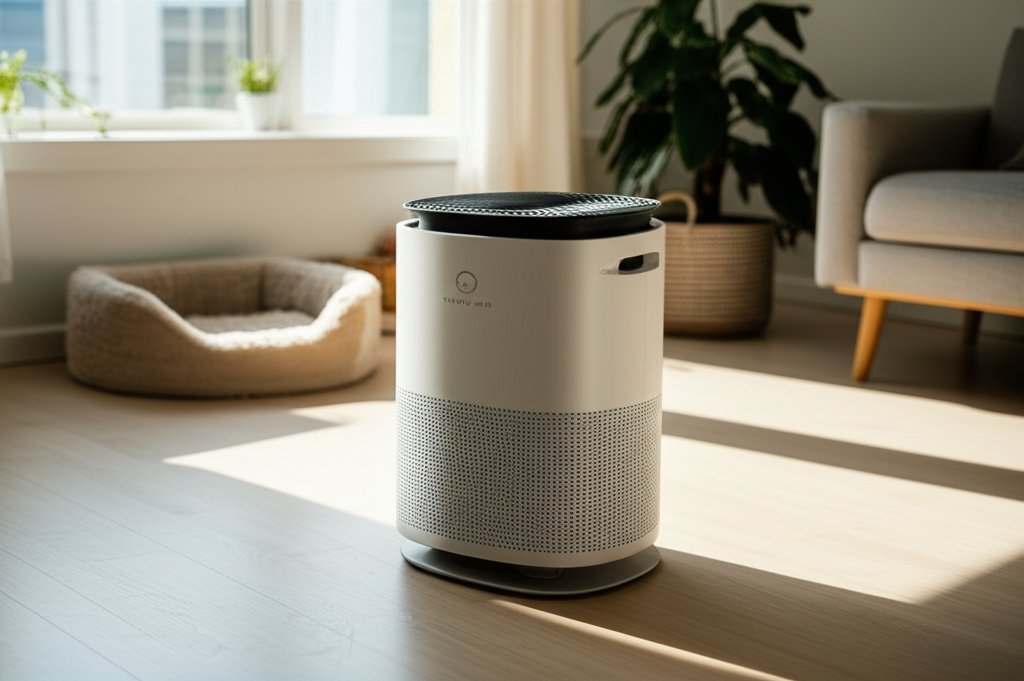
Pet dander, tiny flakes of skin shed by animals, is a common allergen that can become airborne and irritate sensitive individuals. Along with dander, pet fur can trap dust and pollen, further contributing to indoor air pollution. Pet odors, often caused by urine, feces, or general body scent, can be persistent and unpleasant without proper filtration.
Key Features to Look for in the Best Pet Air Purifier
When searching for the best pet air purifier, several features are non-negotiable for effective pet-owner households. Prioritizing these will ensure you get a unit that truly addresses your needs. A good air purifier for pets will offer robust filtration and sufficient coverage for your space.
HEPA Filtration: The Gold Standard
True HEPA filters are designed to capture at least 99.97% of airborne particles as small as 0.3 microns. This includes pet dander, pollen, mold spores, and other common allergens that affect air quality. For pet owners, a HEPA filter is the most critical component in any air purification system.
Activated Carbon Filters for Odor Control
Pet odors can be stubborn, and while HEPA filters trap particles, they don’t always neutralize smells. Activated carbon filters, which have a porous structure, excel at adsorbing volatile organic compounds (VOCs) and odor molecules. Look for purifiers with a substantial amount of activated carbon for superior odor elimination.
Pre-filters for Pet Hair and Large Debris
Pets shed, and large particles like fur and hair can quickly clog more sensitive filters, reducing their efficiency and lifespan. A washable pre-filter acts as the first line of defense, capturing these larger items. This simple feature significantly extends the life of your HEPA and carbon filters.
Sufficient Coverage Area (CADR Rating)
The Clean Air Delivery Rate (CADR) indicates how quickly an air purifier can filter a room. For pet owners, a higher CADR is generally better, especially for larger spaces or if your pets are particularly active or shed a lot. Ensure the purifier’s CADR rating matches or exceeds the square footage of the room you intend to use it in.
Noise Levels (Decibels)
Air purifiers can sometimes be noisy, especially on higher settings. If you’re sensitive to sound or plan to use the purifier in a bedroom or living area, check the decibel (dB) rating. Many modern units offer quiet or sleep modes that operate at a very low noise level.
Top Picks: Best Pet Air Purifier Models in [Current Year]
Choosing the best pet air purifier can feel overwhelming with so many options. Based on performance, features, and user reviews, these models consistently stand out for pet owners. I’ve researched these to help you narrow down your search.
Coway Airmega AP-1512HH Mighty: A Versatile Choice
The Coway Airmega AP-1512HH Mighty is a highly-rated air purifier that offers an excellent balance of performance and value. It features a multi-stage filtration system, including a washable pre-filter, HEPA filter, and activated carbon filter, making it effective against pet dander and odors. Its intelligent auto mode adjusts fan speed based on air quality, and it’s known for being relatively quiet.
This purifier is ideal for medium to large rooms, effectively capturing allergens and neutralizing common household smells. Its compact design also makes it easy to place in various areas of your home.
Levoit Core 300S: Budget-Friendly & Smart
For those on a budget, the Levoit Core 300S is a fantastic option that doesn’t compromise on essential pet-friendly features. It boasts a 3-stage filtration system: a pre-filter for large particles, a true HEPA filter for allergens, and an activated carbon filter for odors. The ‘S’ in 300S denotes its smart capabilities, allowing control via a smartphone app and voice commands.
This unit is perfect for smaller to medium-sized rooms and is remarkably quiet on its lowest setting. It’s a great entry-level purifier for pet owners seeking cleaner air.
Blueair Blue Pure 211+ Auto: Large Room Performance
If you have a larger living space or multiple pets, the Blueair Blue Pure 211+ Auto is engineered for superior performance. It utilizes a unique combination of electrostatic and mechanical filtration (HEPASilent technology) to capture a wide range of pollutants, including fine dust, dander, and pollen. The large activated carbon filter effectively combats pet odors.
Its distinctive design comes with a washable fabric pre-filter in various colors, adding a stylish touch. The auto mode efficiently monitors and adjusts purification levels as needed.
Winix 5500-2: Advanced Filtration System
The Winix 5500-2 is a popular choice among pet owners due to its comprehensive filtration system. It includes a washable fine mesh pre-filter, a true HEPA filter, an activated carbon filter, and PlasmaWave technology, which breaks down airborne pollutants. This multi-layered approach tackles everything from pet dander to strong odors effectively.
This model is excellent for medium to large rooms and features an auto mode and air quality sensor for convenience. It’s a reliable workhorse for maintaining fresh air.
How to Choose the Right Size Air Purifier for Your Pet Needs
Selecting the correct size of air purifier is paramount to its effectiveness. An undersized unit will struggle to keep up, while an oversized one might be unnecessarily noisy or expensive. Consider the dimensions of the room where it will be most used.
Matching CADR to Room Size
The CADR rating is your best guide. A general rule of thumb is to choose an air purifier with a CADR of at least two-thirds of the room’s square footage. For example, a 200 sq ft room would benefit from a purifier with a CADR of at least 133 (200 0.66). Always check the manufacturer’s recommended room size.
Multiple Units for Whole-Home Coverage
If you have a larger home or want to ensure clean air throughout, consider purchasing multiple air purifiers. Strategically place them in high-traffic areas where your pets spend the most time, such as the living room, bedrooms, and near their favorite resting spots. This ensures consistent air quality across your home.
Maximizing the Performance of Your Pet Air Purifier
Once you’ve invested in the best pet air purifier, proper maintenance and placement are key to maximizing its benefits. A little effort goes a long way in ensuring it runs efficiently and keeps your home smelling fresh. Think of it as part of your pet care routine.
Optimal Placement for Maximum Airflow
Place your air purifier in a location where it can draw in air freely from all sides. Avoid corners, tight spaces, or placing it directly behind furniture, as this can restrict airflow and reduce its effectiveness. Placing it near the source of pet dander or odors, like a pet bed, can be highly beneficial.
Regular Filter Maintenance is Key
Adhering to the manufacturer’s recommended filter replacement schedule is crucial. Pre-filters should be cleaned regularly (often weekly or bi-weekly) to catch pet hair and extend the life of other filters. HEPA and carbon filters typically need replacement every 6-12 months, depending on usage and air quality.
Understanding Different Filter Types and Lifespans
Filters are the workhorses of any air purifier. Pre-filters are usually washable and reusable. True HEPA filters capture fine particles and are generally replaced annually. Activated carbon filters adsorb odors and chemicals and also require regular replacement, often alongside HEPA filters.
Advanced Features and Technologies
Beyond the core filtration, some air purifiers offer advanced features that can enhance your experience as a pet owner. These technologies aim to provide a more comprehensive solution for indoor air quality. I find these innovations can make a significant difference.
Ionizers and Ozone Production: A Word of Caution
Some air purifiers use ionizers to charge particles, causing them to clump together and fall out of the air. While this can be effective, some ionizers can produce ozone as a byproduct, which can be a respiratory irritant, especially for pets and individuals with asthma. Always opt for ozone-free or certified low-ozone producing models.
Smart Connectivity and Automation
Many modern air purifiers come with smart features, allowing control via Wi-Fi through smartphone apps. You can monitor air quality, adjust settings remotely, set schedules, and receive filter replacement reminders. This convenience makes managing your home’s air quality easier, even when you’re away.
Air Quality Sensors and Auto Modes
Intelligent air quality sensors detect the level of pollutants in your air and automatically adjust the fan speed accordingly. This ensures your air purifier is always working efficiently without constant manual intervention. It’s a set-it-and-forget-it convenience that’s highly appreciated.
Comparing Top Pet Air Purifier Brands
Several reputable brands consistently deliver high-quality air purifiers suitable for pet owners. Researching these brands can give you a good starting point for finding the best pet air purifier that fits your needs and budget. Each brand has its strengths.
| Brand | Key Strengths for Pet Owners | Considerations |
|—|—|—|
| Coway | Excellent filtration, auto mode, quiet operation | Higher price point for some models |
| Levoit | Affordable, smart features, compact | Best for smaller to medium rooms |
| Blueair | High CADR for large spaces, stylish design | Can be pricier, unique filter technology |
| Winix | Comprehensive multi-stage filtration, PlasmaWave | PlasmaWave technology may concern some |
| Honeywell | Reliable, long-standing brand, various models | Some models can be louder |
This table offers a quick overview, but always check specific model details for the best fit.
Frequently Asked Questions About Pet Air Purifiers
As you explore the world of pet air purifiers, you might have some common questions. I’ve compiled answers to help clarify things and ensure you make an informed decision. These are the questions I often hear from fellow pet parents.
Can an air purifier completely eliminate pet odor?
While an air purifier can significantly reduce and neutralize pet odors, complete elimination might depend on the severity of the odor and the purifier’s capabilities. A unit with a robust activated carbon filter is essential for tackling strong smells effectively.
How often should I replace the filters in my pet air purifier?
Filter replacement schedules vary by model and usage. Generally, pre-filters should be cleaned monthly, while HEPA and activated carbon filters need replacement every 6 to 12 months. Always refer to your purifier’s manual for specific recommendations.
Are air purifiers safe for pets?
Yes, most air purifiers are safe for pets, especially those that do not produce ozone. Always ensure your chosen model is certified ozone-free or produces negligible amounts of ozone. Keep the purifier out of reach of curious pets who might chew on cords or filters.
Will an air purifier help with my pet allergies?
Absolutely. The best pet air purifier with a true HEPA filter is highly effective at capturing airborne pet dander and other allergens that trigger allergic reactions. This can lead to significant relief for allergy sufferers.
What is the difference between a HEPA filter and a regular filter?
A true HEPA filter is certified to capture 99.97% of particles 0.3 microns in size. Regular filters may capture larger particles but are not as effective against the fine allergens found in pet dander. Always look for “True HEPA” for the best results.
Can I run an air purifier 24/7?
Yes, most air purifiers are designed for continuous operation. Running your purifier 24/7 ensures consistent air quality and is especially beneficial in homes with pets, children, or individuals with respiratory sensitivities.
Conclusion: Breathe Easier with the Right Pet Air Purifier
Choosing the best pet air purifier* is an investment in a healthier, happier home for both you and your furry family members. By understanding the key features like HEPA and activated carbon filtration, considering room size and CADR, and maintaining your unit properly, you can effectively combat pet dander, odors, and allergens. Take the step towards cleaner air and enjoy more quality time with your pets, free from sniffles and unpleasant smells. Your lungs will thank you, and your pets will appreciate a fresher environment too.