Best Personal Air Purifier: Essential Clean Air

The best personal air purifier offers a portable solution to breathe cleaner air in your immediate surroundings, tackling allergens, pollutants, and odors effectively. Discover essential features and top picks for a healthier personal space.
Breathing is something we do constantly, yet the quality of the air around us often goes unnoticed until problems arise. From pesky allergies to the lingering smell of cooking, the air in our personal space can significantly impact our well-being and comfort. You might be wondering if there’s a simple, effective way to improve the air you breathe right where you are, whether at your desk or bedside. This guide is here to help you find the best personal air purifier to create your own zone of clean, fresh air.
Why You Need a Personal Air Purifier
A personal air purifier is designed to clean the air in a small, localized area, making it ideal for individual use. They are particularly beneficial for those who suffer from allergies, asthma, or sensitivities to airborne irritants. These compact devices can capture dust, pollen, pet dander, smoke, and even volatile organic compounds (VOCs) that might be present in your immediate vicinity.
Personal air purifiers offer a targeted approach to improving air quality. They can supplement larger room purifiers or serve as a standalone solution for your workspace or bedside. By focusing on your personal breathing zone, they deliver cleaner air directly to you, providing immediate relief and enhancing your overall comfort.
Understanding Air Purifier Technology: HEPA and Beyond
At the heart of most effective air purifiers is the High-Efficiency Particulate Air (HEPA) filter. A true HEPA filter is certified to capture at least 99.97% of airborne particles 0.3 microns in size. This includes microscopic allergens and pollutants that can trigger respiratory issues.
Beyond HEPA, many personal air purifiers also incorporate activated carbon filters. These filters are excellent at absorbing odors, gases, and VOCs, such as those from cleaning products or new furniture. Some advanced models may also feature UV-C light technology to neutralize airborne bacteria and viruses, offering a more comprehensive purification solution.
Key Features to Look For in the Best Personal Air Purifier
When selecting the best personal air purifier, several features are crucial for optimal performance and user satisfaction. Consider the size and portability of the unit, ensuring it fits your intended space and lifestyle. Noise level is another important factor, especially if you plan to use it in a quiet environment like a bedroom or office.
Look for models with multiple filtration stages for enhanced purification. Easy-to-replace filters and filter life indicators add convenience. Energy efficiency is also a plus, saving you money on electricity bills over time. Finally, consider any additional features like adjustable fan speeds or night lights that can enhance your user experience.
Top Personal Air Purifier Models for 2024
Finding the best personal air purifier involves comparing various models based on their performance, features, and value. I’ve researched some of the leading contenders to help you make an informed decision. Each offers unique benefits, catering to different needs and preferences.
Here’s a look at some highly recommended personal air purifiers:
- Blueair Blue Pure 411 Auto: Known for its sleek design and quiet operation, this model uses a combination of HEPA and activated carbon filtration to tackle particles and odors. Its auto mode adjusts fan speed based on air quality.
- Coway AP-1512HH Mighty: While slightly larger than some personal units, its powerful performance and multi-stage filtration make it a great option for larger personal spaces like a home office. It features an air quality indicator and eco mode.
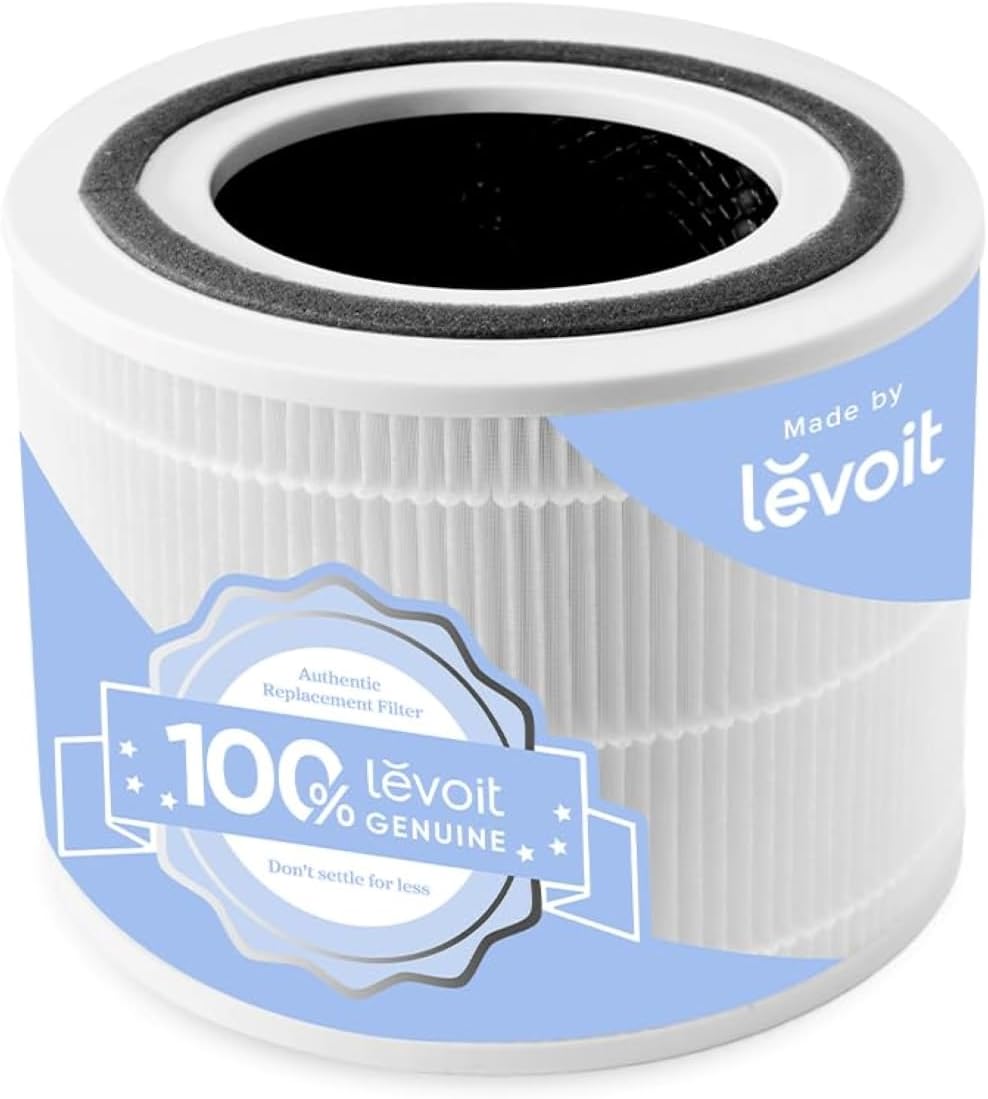
- Levoit Core 300: This compact and affordable purifier boasts a three-stage filtration system, including a True HEPA filter. It’s incredibly quiet and features a simple, user-friendly interface, making it a popular choice for bedrooms and small offices.
- GermGuardian AC4825: This unit combines a HEPA filter with an activated charcoal filter and a UV-C light sanitizer. It’s a good option for those seeking comprehensive germ and odor elimination in a personal space.
These models represent a range of capabilities and price points, offering excellent options for improving the air quality in your immediate surroundings.
Personal Air Purifier vs. Room Air Purifier: What’s the Difference?
The primary distinction between a personal air purifier and a room air purifier lies in their coverage area and intended use. Personal units are designed for small, enclosed spaces, focusing on the air you breathe directly. Think of them as creating a bubble of clean air around you at your desk or bedside.
Room air purifiers, on the other hand, are built to clean the air in an entire room, typically measured in square footage. They have higher CADR (Clean Air Delivery Rate) ratings, indicating how quickly they can purify a larger volume of air. While a room purifier benefits everyone in the space, a personal purifier offers a more customized and direct solution for an individual.
Where to Use Your Personal Air Purifier
The versatility of a personal air purifier means it can be deployed in numerous locations where you spend significant time. Your home office is a prime candidate, especially if you or someone else in the household experiences allergies or if you work from home. This ensures a cleaner breathing environment during long work hours.
Another excellent location is your bedroom. Better sleep quality is often linked to cleaner air, reducing nighttime congestion and improving overall rest. Even a small unit on your nightstand can make a noticeable difference. They can also be useful in dorm rooms, hotel rooms when traveling, or even in your car with a suitable adapter.
Evaluating Performance: CADR and Coverage Area
When assessing the best personal air purifier, understanding its performance metrics is key. The Clean Air Delivery Rate (CADR) is a standardized measure of how effectively an air purifier can clean a room. It’s rated for three pollutants: smoke, dust, and pollen. A higher CADR indicates faster purification.
While personal air purifiers are not typically rated with high CADR numbers like their larger counterparts, their effectiveness is measured by their ability to clean the air within a small personal zone. The manufacturer’s recommended coverage area is a good indicator of its intended use. For personal use, a purifier designed for rooms up to 100-150 square feet is often more than sufficient.
Maintenance and Filter Replacement: Keeping Your Purifier Running Smoothly
To ensure your personal air purifier continues to deliver clean air effectively, regular maintenance is essential. The most critical maintenance task is replacing the filters according to the manufacturer’s recommendations. Typically, HEPA filters need replacement every 6-12 months, while activated carbon filters might require more frequent changes, especially if you live in an area with high pollution or strong odors.
Besides filter replacement, periodically cleaning the pre-filter (if applicable) and the exterior of the unit will help maintain its efficiency and lifespan. Dust buildup on the fan or motor can reduce performance and increase noise. Always unplug the unit before cleaning and follow the specific instructions provided in your owner’s manual.
Choosing the Right Filter Type for Your Needs
The type of filter in your personal air purifier dictates what it can effectively remove from the air. A True HEPA filter is non-negotiable for tackling fine particulate matter like allergens, dust mites, mold spores, and pet dander. If you have allergies or asthma, prioritize a unit with this certification.
For odor control, such as smoke, cooking smells, or pet odors, an activated carbon filter is crucial. These filters adsorb gases and VOCs. Some purifiers combine HEPA and activated carbon into a single filter, offering a dual benefit. For those concerned about airborne germs, a UV-C light feature can help neutralize bacteria and viruses, though its effectiveness can vary.
Understanding Air Quality Sensors and Auto Modes
Many modern personal air purifiers come equipped with air quality sensors and an auto mode. The sensor continuously monitors the air for pollutants, and the auto mode then adjusts the fan speed accordingly. If the sensor detects increased pollution (e.g., from cooking fumes or an open window letting in dust), the purifier will automatically increase its fan speed to clean the air more rapidly.
This feature offers convenience and energy efficiency, as the unit only runs at higher speeds when necessary. It takes the guesswork out of operating the purifier, ensuring optimal air quality without constant manual adjustments. Always check the type and sensitivity of the sensor if this is a feature you desire.
Comparing Personal Air Purifier Technologies
While HEPA and activated carbon are the most common filtration technologies, other advancements are emerging. Ionizers release negative ions that attach to airborne particles, causing them to clump together and fall out of the air or stick to surfaces. However, some ionizers can produce ozone, which can be a lung irritant.
Photocatalytic oxidation (PCO) is another technology that uses UV light and a catalyst (often titanium dioxide) to break down pollutants into harmless substances like water and carbon dioxide. Like ionizers, the effectiveness and safety of PCO can vary, and it’s important to choose reputable brands that prioritize safety and minimal ozone production. For most users, a combination of True HEPA and activated carbon remains the most reliable and safest approach for personal air purification.
Best Personal Air Purifier: A Comparison Table
To help visualize the differences and similarities between some leading personal air purifiers, here’s a comparative look at a few popular models. This table highlights key features that might influence your decision when searching for the best personal air purifier.
| Model Name | Filter Type(s) | Coverage Area (sq ft) | Noise Level (dB) | Special Features |
| :——————— | :———————————- | :——————– | :————— | :——————————————— |
| Blueair Blue Pure 411 Auto | HEPA-type, Activated Carbon | Up to 161 | 17-48 | Auto mode, Washable pre-filter |
| Levoit Core 300 | True HEPA, Activated Carbon, Pre-filter | Up to 219 | 24-50 | Quiet operation, Timer settings, Sleep mode |
| Coway AP-1512HH Mighty | True HEPA, Activated Carbon | Up to 361 | 24.4-53.8 | Air quality indicator, Eco mode, Filter alert |
| GermGuardian AC4825 | True HEPA, Activated Carbon, UV-C | Up to 200 | 35-50 | UV-C light, Filter change indicator |
This table provides a quick overview, but remember to read detailed reviews and consider your specific needs before making a final choice.
Frequently Asked Questions about Personal Air Purifiers
What is the smallest size air purifier available?
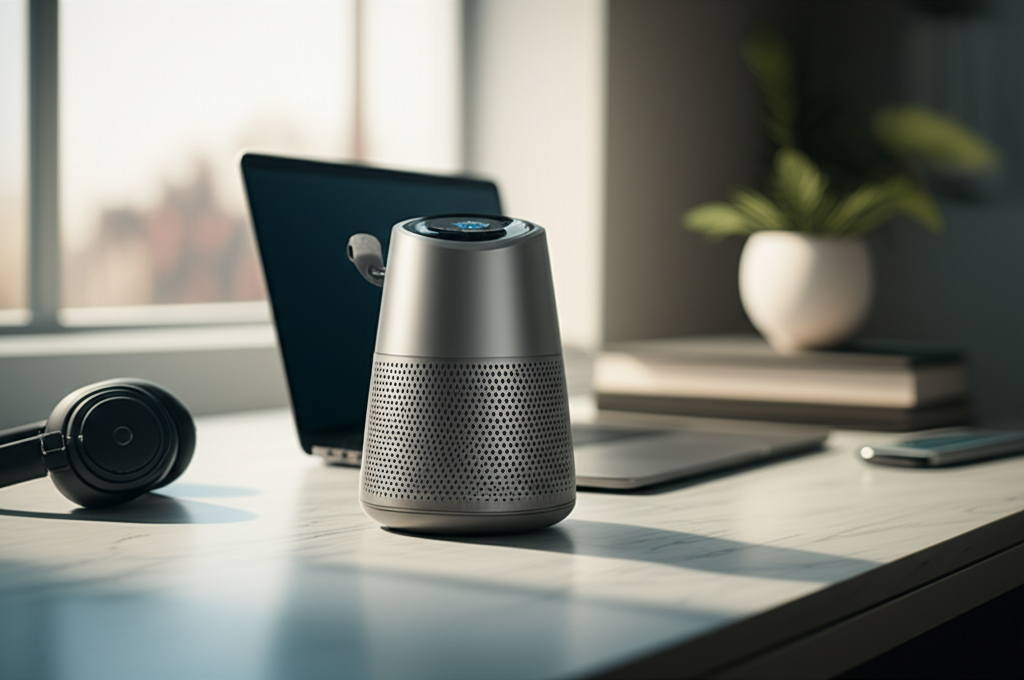
Personal air purifiers are generally designed to be compact. Many models are as small as a coffee mug or a small speaker, making them highly portable and suitable for very tight spaces like a car’s cup holder or a small desk area.
Can a personal air purifier really make a difference?
Yes, a personal air purifier can make a significant difference in your immediate breathing zone. While it won’t purify an entire room, it can effectively reduce airborne allergens, dust, and odors in your personal space, leading to improved comfort and potentially fewer allergy symptoms.
How often should I replace the filters in my personal air purifier?
Filter replacement frequency varies by model and usage. Typically, HEPA filters need replacing every 6-12 months, and activated carbon filters every 3-6 months, depending on the level of pollutants. Always check your manufacturer’s recommendations.
Are personal air purifiers noisy?
Noise levels vary greatly among models. Many personal air purifiers are designed for quiet operation, especially on lower fan settings, often falling between 20-40 decibels, comparable to a whisper. Higher settings will naturally be louder.
Do personal air purifiers use a lot of electricity?
Most personal air purifiers are energy-efficient, especially when running on lower settings. They typically consume between 5 to 30 watts of power, which is comparable to a standard light bulb. Using auto mode can further optimize energy consumption.
Are there any health risks associated with using personal air purifiers?
When using reputable brands with certified HEPA filters and avoiding models that produce significant ozone, personal air purifiers are generally safe. Ozone can be an irritant, so look for ozone-free certifications or models that minimize ozone production.
Conclusion: Breathe Easier with Your Personal Air Purifier
Investing in the best personal air purifier is a proactive step towards creating a healthier and more comfortable personal environment. Whether you’re battling seasonal allergies, seeking relief from pet dander, or simply want to enjoy fresher air at your desk or bedside, a personal air purifier offers a targeted and effective solution. By understanding the key features like HEPA filtration, activated carbon, and considering factors like noise level and coverage area, you can confidently choose a model that meets your specific needs. Make the decision to breathe cleaner air today and experience the tangible benefits of a purified personal space.