
Best Method for Carpet Cleaning: Proven Results

The best method for carpet cleaning involves a multi-step approach combining regular vacuuming, spot treatment, and periodic deep cleaning. This ensures your carpets look great, last longer, and maintain a healthier home environment.
The Best Method for Carpet Cleaning: Proven Results
Your carpets are a big part of your home. They make rooms cozy and add to the decor. But carpets can get dirty easily. Spills, dust, and everyday life leave their mark. Keeping them clean can feel like a big chore. This guide will show you the best method for carpet cleaning. You’ll learn how to tackle dirt and stains. We will cover simple steps for everyday care and deeper cleaning techniques. Get ready to make your carpets look brand new!
Why Regular Carpet Cleaning Matters
Regular carpet cleaning is crucial for a healthy home. It removes dust mites and allergens that can affect your breathing. Clean carpets also look much better. They make your home feel fresh and welcoming. Ignoring them can lead to permanent stains and damage. It’s like giving your carpets a spa day to keep them looking their best.
The Importance of a Clean Carpet Environment
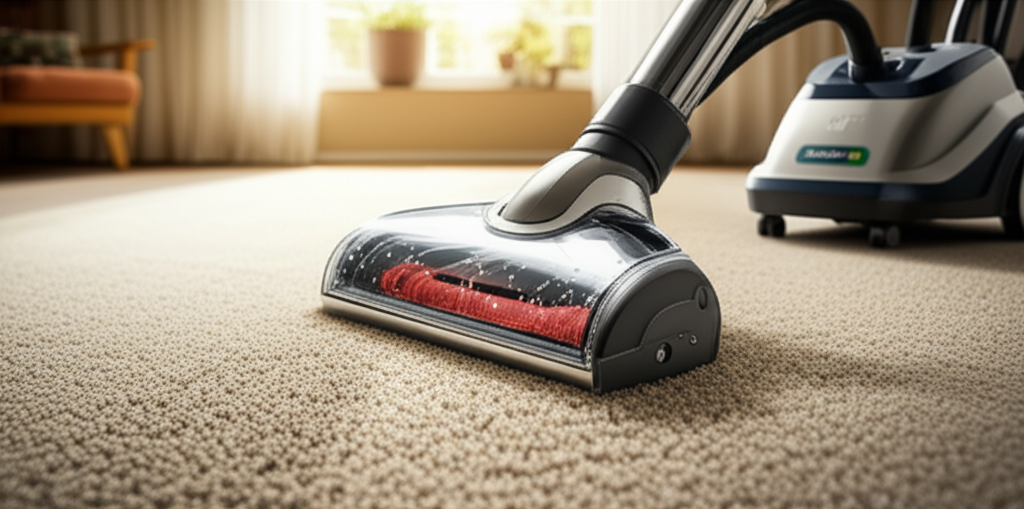
A clean carpet isn’t just about looks. It’s about the air you breathe. Dust and dirt trapped in carpets can become airborne. This can trigger allergies and asthma. Studies show that carpets can harbor a significant amount of pollutants. Keeping them clean improves indoor air quality. This creates a healthier space for you and your family. For more on indoor air quality, check out the EPA’s resources.
Understanding Your Carpet Type
Before you start cleaning, know your carpet. Different materials need different care. Wool carpets are natural and need gentle cleaning. Synthetic carpets like nylon or polyester are more durable. They can handle stronger cleaning solutions. Always check the manufacturer’s care label if you can find it. This helps you avoid damaging your carpet fibers.
Common Carpet Materials and Their Needs
Nylon: Very durable and resistant to stains. Can handle most cleaning methods.
Polyester: Soft and good at resisting fading. Less resilient than nylon.
Wool: Natural fiber, luxurious but needs special care. Avoid harsh chemicals.
Olefin (Polypropylene): Resists moisture and stains well. Good for high-traffic areas.
Knowing your carpet type helps you choose the right tools and solutions. This prevents damage and ensures effective cleaning.
Step 1: Thorough Vacuuming – Your First Line of Defense
Vacuuming is the most important step. It removes loose dirt and debris. Do this at least once a week, more if you have pets or kids. Use a vacuum with good suction. Go slowly over each area. This ensures you pick up as much dirt as possible.
Mastering the Art of Vacuuming
Proper vacuuming goes beyond just pushing the machine around. Make sure your vacuum bag or canister is not full. A full bag reduces suction power. Vacuum in different directions to lift carpet fibers. This helps get dirt from deep down. Pay special attention to high-traffic areas.
How often: At least once a week.
Key areas: Entryways, living rooms, hallways.
Technique: Slow passes, multiple directions.
Regular vacuuming prevents dirt from becoming ground-in. This makes deep cleaning much easier later on.
Step 2: Pre-treating Stains – Act Fast!
Spills happen. The best method for carpet cleaning includes immediate stain treatment. Don’t let stains set in. Blot, don’t rub, the spill with a clean cloth. Rubbing pushes the stain deeper. Use a mild detergent or a specialized carpet stain remover. Always test the cleaner on an inconspicuous spot first.
Spot Cleaning Techniques for Different Stains
Different stains need different treatments. For water-based stains like juice, use a mix of water and mild dish soap. For greasy stains, you might need a solvent-based cleaner. Always follow the product instructions carefully. For tough stains, a paste of baking soda and water can work. Let it sit, then vacuum it up.
| Stain Type | Recommended Cleaner | Method |
| :————- | :————————————————- | :———————————————————————– |
| Food/Drink | Mild dish soap and water | Blot, rinse with water, blot dry. |
| Grease/Oil | Rubbing alcohol or commercial degreaser | Blot, apply cleaner, blot again, rinse with water, blot dry. |
| Pet Accidents | Enzymatic cleaner | Blot, saturate with cleaner, let it work, blot dry. |
| Mud | Let it dry completely, then vacuum and spot clean | Vacuum thoroughly, then use a mild detergent solution, blot, and rinse. |
Acting quickly is key to successful stain removal. The longer a stain sits, the harder it is to remove.
Step 3: Deep Cleaning Methods – The Power Wash
Deep cleaning removes embedded dirt and refreshes your carpets. There are a few good methods. Steam cleaning, also called hot water extraction, is very effective. You can rent a machine or hire a professional. This method uses hot water and cleaning solution. It then extracts the dirty water.
Hot Water Extraction (Steam Cleaning)
Hot water extraction is often considered the best method for carpet cleaning. It uses high-pressure hot water to loosen dirt. Powerful vacuums then suck up the water and dirt. This method is great for removing allergens and deep-seated grime. It can leave your carpets feeling fresh and looking vibrant.
Pros: Deep cleaning, removes allergens, effective on tough dirt.
Cons: Can be expensive if hiring, requires drying time, potential for over-wetting.
According to the Carpet and Rug Institute (CRI), hot water extraction is the most effective way to remove soil. Learn more from CRI.
Dry Carpet Cleaning
Dry cleaning uses very little water. It employs special cleaning powders or compounds. These are spread over the carpet and brushed in. The compounds absorb dirt. Then, they are vacuumed away. This method is faster to dry. It’s good for carpets that can’t handle much moisture.
Pros: Quick drying time, less risk of mold or mildew.
Cons: May not be as deep cleaning as hot water extraction.
Dry cleaning is a good option when you need your carpets dry fast. It’s also suitable for delicate carpet fibers.
Choosing the Right Cleaning Solution
The cleaner you use matters. For general cleaning, a pH-neutral carpet shampoo is best. Avoid harsh chemicals. They can damage carpet fibers or leave residue. For tough stains, use a specialized cleaner. Always follow the instructions. Test any new cleaner in a hidden area. This ensures it won’t discolor your carpet.
DIY vs. Commercial Carpet Cleaners
You can make simple cleaning solutions at home. A mix of white vinegar and water can deodorize. Baking soda is also great for absorbing odors. Commercial carpet cleaners are formulated for specific tasks. They can be more powerful. However, they can also be more expensive.
DIY: Vinegar, baking soda, mild dish soap.
Commercial: Stain removers, deodorizers, all-purpose cleaners.
For most situations, a good quality commercial cleaner will give excellent results. Always read reviews and choose a reputable brand.
Renting vs. Buying a Carpet Cleaner
You have options for deep cleaning. You can rent a machine from a grocery store or hardware shop. This is good for occasional use. Buying a machine is a bigger investment. It’s worth it if you have large carpeted areas or pets. Home carpet cleaners have improved greatly. Many are quite effective for regular use.
When to Hire a Professional
Hiring a professional carpet cleaner has benefits. They have powerful, industrial-grade equipment. They also have expertise. Professionals can tackle very stubborn stains. They know how to clean different carpet types safely. If you have antique or delicate carpets, a pro is often the best choice.
Quote: “Professionals use equipment that is far more powerful than anything you can rent. This means deeper cleaning and faster drying times.” – Carpet Cleaning Expert
Drying Your Carpets Properly
After deep cleaning, proper drying is vital. Wet carpets can develop mold and mildew. They can also become musty. Open windows to let in fresh air. Use fans to speed up drying. Avoid walking on the carpet until it’s completely dry. This can re-soil it and flatten the fibers.
Tips for Faster Drying
Ventilation: Open windows and doors.
Airflow: Use ceiling fans or portable fans.
Humidity: Use a dehumidifier if your home is humid.
* Avoid walking: Keep foot traffic off the wet carpet.
Proper drying prevents secondary problems like mold. It ensures your cleaning efforts are preserved.
Maintaining Cleanliness Between Deep Cleans
The best method for carpet cleaning isn’t just about deep cleans. It’s about regular maintenance. Vacuum often. Clean up spills immediately. Use doormats at entrances. Ask people to remove their shoes indoors. These simple habits make a big difference. They reduce the amount of dirt tracked onto your carpets.
The Role of Doormats and Shoe Policies
Doormats are your first line of defense. Place them inside and outside every entrance. They trap dirt and moisture before it gets on your carpet. A shoe-off policy is also very effective. It significantly reduces the amount of dirt and bacteria brought into your home. This means less wear and tear on your carpets.
Frequently Asked Questions About Carpet Cleaning
How often should I deep clean my carpets?
For most homes, deep cleaning once a year is enough. If you have pets or heavy foot traffic, consider doing it every six months.
Can I use bleach on my carpet?
No, never use bleach on carpets. It can permanently damage the fibers and remove color. Always use cleaners specifically made for carpets.
How do I get rid of pet odors in my carpet?
First, clean the area thoroughly with an enzymatic cleaner designed for pet stains. Then, sprinkle baking soda on the carpet. Let it sit for several hours or overnight, then vacuum it up.
What is the fastest way to dry a carpet after cleaning?
Good ventilation and airflow are key. Open windows, use fans, and consider a dehumidifier if needed. Avoid walking on the carpet until it’s completely dry.
Is steam cleaning bad for carpets?
No, steam cleaning (hot water extraction) is generally considered very good for carpets. It cleans deeply and removes allergens. Just ensure the carpet is dried properly afterward.
Can I clean my carpet with just water?
Water alone can help with some fresh spills. However, it won’t remove embedded dirt or oils. You need a cleaning solution to break down grime effectively.
Conclusion: Your Clean Carpet Strategy
The best method for carpet cleaning is a combination of consistent care and effective deep cleaning. Regular vacuuming and prompt stain treatment are your daily tools. For a truly refreshed carpet, hot water extraction is highly recommended. Remember to always consider your carpet type and choose appropriate cleaning solutions. By following these steps, you can maintain beautiful, healthy carpets for years to come. Keep up the good work!
