Best Home Air Purifiers For Virus: Essential Protection

Discover the best home air purifiers for virus protection, ensuring a healthier indoor environment for your loved ones. This guide highlights top models and key features to combat airborne pathogens effectively.
Breathing clean air at home is more important than ever, especially with concerns about viruses circulating. Many of us worry about the invisible threats in our air, making it a common and frustrating issue to manage. Fortunately, with the right information, you can take proactive steps to safeguard your family’s well-being. This guide will walk you through everything you need to know to choose the best home air purifiers for virus protection, ensuring peace of mind and a healthier living space. Let’s explore how to create a sanctuary free from airborne contaminants.
Why Investing in the Best Home Air Purifiers for Virus is Crucial
The quality of the air we breathe indoors can significantly impact our health, particularly concerning the spread of viruses. Airborne pathogens can linger in the air, posing a risk to everyone in your home. Investing in the best home air purifiers for virus can act as a vital layer of defense, reducing the concentration of these harmful particles and creating a safer environment.
This proactive measure is essential for protecting vulnerable individuals like the elderly, young children, and those with compromised immune systems. By actively filtering out viruses, you contribute to a healthier living space for your entire household.
Understanding How Air Purifiers Combat Viruses
Air purifiers work by drawing in air, passing it through a series of filters, and then releasing cleaner air back into the room. The effectiveness against viruses largely depends on the type of filters used and the overall design of the unit. HEPA filters are particularly crucial for capturing microscopic particles, including viral droplets.
Some advanced purifiers also utilize UV-C light technology to neutralize viruses and bacteria that are trapped within the filter. Understanding these mechanisms helps in selecting a unit that offers comprehensive protection against airborne pathogens.
The Role of HEPA Filters in Virus Capture
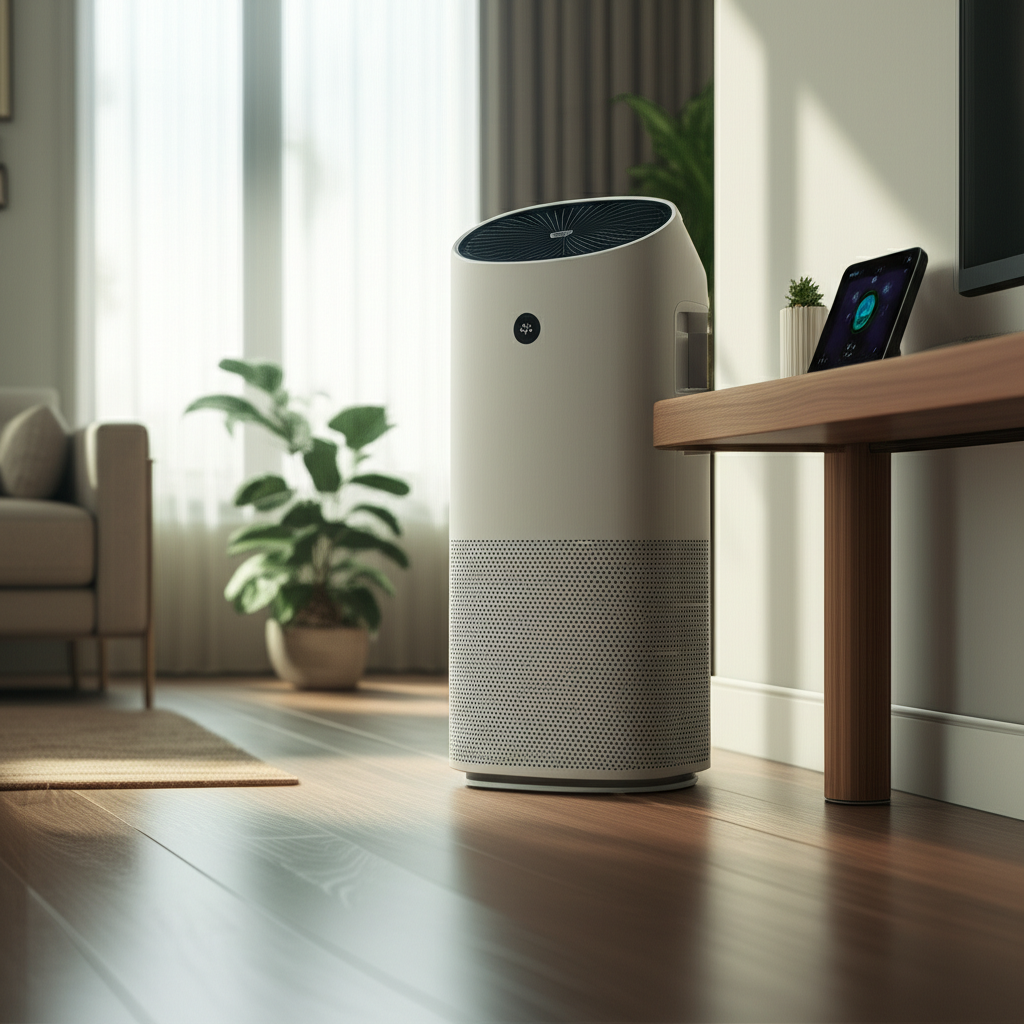
High-Efficiency Particulate Air (HEPA) filters are the gold standard for air purification, designed to capture at least 99.97% of airborne particles as small as 0.3 microns. While most viruses are smaller than this, they often travel on larger respiratory droplets or cling to dust particles, which HEPA filters can effectively trap.
This makes HEPA filters a cornerstone technology for any of the best home air purifiers for virus. Ensuring your chosen model has a True HEPA filter is paramount for effective particle removal and achieving a healthier indoor atmosphere.
Activated Carbon Filters: A Secondary Line of Defense
While HEPA filters excel at capturing physical particles like viruses, activated carbon filters play a crucial role in addressing other airborne contaminants. These filters are porous and have a large surface area, allowing them to adsorb gases, odors, and volatile organic compounds (VOCs) from the air.
Although activated carbon doesn’t directly capture viruses, it complements HEPA filtration by removing other pollutants that can exacerbate respiratory issues or contribute to a generally less healthy indoor environment. This dual-action approach enhances the overall air quality. Learn more about the science behind air filtration from the U.S. Environmental Protection Agency.
UV-C Light Technology: Neutralizing Pathogens
Some air purifiers incorporate UV-C light technology, which uses ultraviolet radiation to kill or inactivate airborne microorganisms, including viruses and bacteria. The UV-C light disrupts the DNA or RNA of these pathogens, rendering them harmless.
When air passes through the purifier, it is exposed to the UV-C light, providing an additional layer of disinfection. This technology can be a powerful supplement to HEPA filtration, offering enhanced protection against a broad spectrum of airborne threats. Always ensure the UV-C light is enclosed and safe for household use.
Key Features to Look For in the Best Home Air Purifiers for Virus
When selecting the best home air purifiers for virus, several features are critical to ensure maximum effectiveness. Prioritize models with True HEPA filters, as they are proven to capture the vast majority of airborne particles, including viral droplets. Consider the CADR (Clean Air Delivery Rate) to match the purifier’s capacity to your room size.
Additional features like activated carbon filters for odors and VOCs, quiet operation for bedrooms, and smart capabilities for convenience can enhance your experience. Look for units that are certified by reputable organizations to guarantee their performance and safety standards.
CADR Ratings Explained: Matching Purifier to Room Size
The Clean Air Delivery Rate (CADR) is a standardized measure of how quickly an air purifier can clean the air in a room. It’s measured for three pollutants: smoke, dust, and pollen. A higher CADR rating indicates a more powerful and efficient air purifier.
To select the best home air purifiers for virus for your space, match the CADR to your room’s square footage. A general rule of thumb is to choose a purifier with a CADR rating at least two-thirds of the room’s area in square feet. This ensures the unit can effectively circulate and clean the air within a reasonable timeframe.
Coverage Area and ACH (Air Changes Per Hour)
Beyond CADR, understanding the recommended coverage area and Air Changes per Hour (ACH) is vital. The coverage area indicates the maximum room size the purifier is designed for, while ACH signifies how many times the purifier can cycle all the air in that space per hour.
For effective virus protection, aim for an air purifier that can achieve at least 4-5 ACH in the room where it will be used. This ensures that the air is filtered frequently, significantly reducing the concentration of airborne pathogens. Always check the manufacturer’s specifications for these ratings.
Noise Levels and Sleep Modes
For bedrooms or quiet living spaces, noise level is a significant consideration. Air purifiers can range from whisper-quiet to quite noticeable when operating at higher fan speeds. Look for models that specify their decibel (dB) levels on lower settings.
Many of the best home air purifiers for virus come equipped with a “sleep mode” or “night mode” that operates at a reduced fan speed, minimizing noise and often dimming indicator lights. This feature is essential for ensuring undisturbed rest while maintaining air purification.
Smart Features and App Control
Modern air purifiers are increasingly incorporating smart technology, offering enhanced convenience and control. Features like Wi-Fi connectivity allow you to operate the purifier remotely via a smartphone app, adjust settings, monitor air quality in real-time, and receive filter replacement reminders.
Some smart purifiers can even integrate with voice assistants like Amazon Alexa or Google Assistant for hands-free operation. These intelligent features can make managing your home’s air quality more intuitive and efficient, ensuring consistent protection against viruses.
Top Picks: The Best Home Air Purifiers for Virus Protection
Selecting the right air purifier can feel overwhelming, but focusing on key features like True HEPA filtration, appropriate CADR, and quiet operation can guide your decision. Here are some of the top-performing models renowned for their effectiveness in combating airborne viruses and improving overall indoor air quality.
These units are chosen based on their robust filtration systems, user reviews, and proven ability to deliver cleaner air, making them excellent choices for essential protection in your home.
Coway Airmega AP-1512HH Mighty
The Coway Airmega AP-1512HH Mighty is consistently praised for its exceptional performance and value. It features a multi-stage filtration system, including a True HEPA filter and an activated carbon filter, effectively capturing up to 99.97% of airborne particles, allergens, and pollutants.
Its smart sensor technology automatically adjusts fan speed based on air quality, and its eco-mode helps conserve energy. This model is ideal for medium to large rooms, offering powerful protection with relatively quiet operation.
Blueair Blue Pure 211+
For larger spaces, the Blueair Blue Pure 211+ stands out with its high CADR and impressive coverage area. It utilizes a unique combination of electrostatic and mechanical filtration (HEPASilent™ technology) to capture particles efficiently while operating at low noise levels.
The washable fabric pre-filter comes in various colors, adding a touch of style to its functionality. It’s an excellent choice for those seeking robust air purification in living rooms or open-plan areas, providing essential defense against viruses.
Levoit Core 300S Smart True HEPA Air Purifier
The Levoit Core 300S is a compact yet powerful option, perfect for smaller rooms or bedrooms. It boasts a 3-stage filtration system, including a True HEPA filter, to capture fine dust, pollen, pet dander, and even airborne viruses. Its smart capabilities allow for app control and voice commands.
With a quiet sleep mode that operates at just 24dB, it ensures a peaceful environment. The Core 300S is a great budget-friendly choice for targeted virus protection in personal spaces.
Winix 5500-2 Air Purifier with True HEPA
The Winix 5500-2 is a popular choice for its comprehensive filtration, including a True HEPA filter, washable AOC carbon filter, and PlasmaWave technology, which can neutralize airborne viruses and bacteria. It’s designed for medium to large rooms and effectively tackles odors, allergens, and pollutants.
Its auto mode and air quality sensor adjust operation as needed, and it’s Energy Star certified. This model offers a strong balance of performance, features, and affordability for essential home protection.
Choosing the Right Air Purifier for Your Needs: A Comparison
Selecting the best home air purifiers for virus involves matching specific features to your household’s unique requirements. Consider the size of the rooms you need to cover, your sensitivity to noise, and any specific concerns like allergies or odors. Comparing key specifications can help narrow down your choices.
Below is a table that highlights some of the top contenders and their strengths, aiding you in making an informed decision for your family’s health and well-being.
| Model | Room Size Coverage | HEPA Type | CADR (Smoke) | Noise Level (Low) | Key Feature |
|---|---|---|---|---|---|
| Coway Airmega AP-1512HH Mighty | ~361 sq ft | True HEPA | 90 cfm | 24 dB | Smart Sensor, Eco Mode |
| Blueair Blue Pure 211+ | ~540 sq ft | HEPASilent™ (Electrostatic + Mechanical) | 141 cfm | 31 dB | High CADR, Washable Pre-filter |
| Levoit Core 300S | ~219 sq ft | True HEPA | 141 cfm | 24 dB | Smart Control, Compact |
| Winix 5500-2 | ~360 sq ft | True HEPA | 121 cfm | 27 dB | PlasmaWave, Washable Carbon Filter |
This comparison helps illustrate the different strengths of each model. For instance, if you have a very large open-plan living area, the Blueair Blue Pure 211+ might be the best fit due to its superior coverage. If a bedroom is your primary concern, the Levoit Core 300S offers excellent performance in a smaller footprint with minimal noise.
Maintenance and Filter Replacement: Keeping Your Purifier Effective
To ensure your air purifier continues to provide the best protection against viruses, regular maintenance and timely filter replacement are essential. Clogged filters significantly reduce efficiency and can even become a source of re-released pollutants.
Always follow the manufacturer’s guidelines for cleaning and replacing filters. This simple yet crucial step guarantees that your investment continues to deliver clean, healthy air for your home.
Understanding Filter Lifespan
The lifespan of an air purifier’s filters varies depending on the model, filter type, and the quality of your indoor air. HEPA filters typically need replacement every 6 to 12 months, while activated carbon filters may need changing more frequently, often every 3 to 6 months.
Some purifiers have indicator lights that alert you when it’s time to replace the filters. Keeping track of usage and air quality can help you anticipate these needs. Investing in replacement filters is a small price to pay for continuous virus protection.
Cleaning Pre-filters and Exterior
Many air purifiers feature a washable pre-filter designed to capture larger particles like dust and pet hair. Regularly cleaning this pre-filter, often with a vacuum cleaner or by rinsing it, can significantly extend the life of the main HEPA filter.
The exterior of the air purifier should also be wiped down periodically to remove dust buildup. Ensure the unit is unplugged before cleaning. This simple maintenance routine helps the purifier operate efficiently and look its best.
Frequently Asked Questions About Home Air Purifiers for Virus
Can air purifiers really capture viruses?
Yes, air purifiers with True HEPA filters are highly effective at capturing airborne particles, including viruses. While viruses themselves are tiny, they often travel on larger respiratory droplets or dust particles that HEPA filters can trap. Some purifiers also use UV-C light to neutralize viruses.
How often should I run my air purifier for virus protection?
For optimal virus protection, it’s recommended to run your air purifier continuously, especially in high-traffic areas or when someone in the household is unwell. Running it on a lower setting when air quality is good and increasing the fan speed during periods of concern can be an effective strategy.
Are there specific certifications to look for?
Look for certifications like ENERGY STAR for energy efficiency and AHAM Verifide for CADR ratings. While there isn’t a specific certification solely for virus removal, the combination of True HEPA filtration and reputable certifications ensures effective performance.
What is the difference between a HEPA filter and a True HEPA filter?
A “True HEPA” filter is certified to capture at least 99.97% of airborne particles 0.3 microns in size. Other filters, sometimes labeled “HEPA-type” or “HEPA-like,” may not meet these stringent standards and are less effective at capturing very fine particles like viruses.
Can air purifiers help with allergies and asthma too?
Absolutely. The same True HEPA filters that capture viruses are excellent at removing allergens like pollen, dust mites, pet dander, and mold spores. This makes air purifiers beneficial for anyone suffering from allergies or asthma, contributing to overall respiratory health.
How do I know which air purifier is best for my home size?
Check the manufacturer’s specified coverage area and CADR (Clean Air Delivery Rate) for the room you intend to use it in. A good rule of thumb is to choose a purifier with a CADR rating at least two-thirds of the room’s square footage and ensure it provides at least 4-5 Air Changes per Hour (ACH).
Conclusion: Breathe Easier with the Best Home Air Purifiers for Virus
Investing in the best home air purifiers for virus is a proactive and essential step towards creating a healthier living environment for you and your family. By understanding the technologies involved, such as True HEPA filtration and activated carbon, and considering key features like CADR and noise levels, you can make an informed choice that provides effective protection.
Whether you’re looking to reduce the risk of airborne illness, alleviate allergy symptoms, or simply improve your indoor air quality, a quality air purifier is a valuable addition to any home. Prioritize your family’s well-being and enjoy the peace of mind that comes with breathing cleaner, safer air. Explore the options, choose wisely, and start breathing easier today.