Best HEPA Air Purifier Reviews: Essential Guide

Discover the best HEPA air purifier reviews to breathe cleaner air at home. This essential guide breaks down key features, top-rated models, and crucial buying advice, ensuring you find the perfect solution for a healthier living space.
A stuffy home can feel suffocating, especially when allergens and pollutants linger in the air. You want to create a sanctuary, but the sheer number of air purifiers available can be overwhelming. It’s frustrating trying to decipher technical jargon and figure out which device will truly make a difference for your family’s health. I’m here to simplify that process, guiding you through the best HEPA air purifier reviews and empowering you to make an informed choice.
Why Invest in a HEPA Air Purifier?
Investing in a HEPA air purifier is a proactive step towards a healthier home environment. These devices are specifically designed to capture tiny airborne particles that traditional filters miss. They are excellent for reducing allergens, dust, pet dander, and even some bacteria and viruses, creating a noticeably fresher atmosphere.
A HEPA filter, which stands for High-Efficiency Particulate Air, is a mechanical air filter that traps 99.97% of particles that are 0.3 microns in size. This impressive filtration capability makes them indispensable for allergy sufferers and anyone concerned about indoor air quality.
Understanding HEPA Technology: The Core of Clean Air
At the heart of any effective air purifier is its HEPA filter. This isn’t just any filter; it’s a standardized benchmark for air purification performance. Understanding how it works is key to appreciating its benefits.
HEPA filters are constructed from a dense mat of randomly arranged fibers, typically made of fiberglass. These fibers work together through a combination of mechanisms like interception, impaction, and diffusion to trap particles. This multi-pronged approach ensures that even microscopic irritants are effectively removed from your air.
How HEPA Filters Capture Pollutants
The magic of HEPA filtration lies in its multi-stage capture process. It’s not a simple sieve; it’s a sophisticated system that tackles particles of varying sizes. This comprehensive approach ensures maximum pollutant removal.
Particles are captured through diffusion (for the smallest particles), interception (for medium-sized particles that brush against fibers), and impaction (for the largest particles that can’t change direction easily). This combined action makes HEPA filters incredibly effective against a wide range of airborne contaminants.
Key Features to Look for in the Best HEPA Air Purifier Reviews
When sifting through the best HEPA air purifier reviews, several features stand out as crucial indicators of performance and user satisfaction. Focusing on these aspects will help you narrow down your options effectively.
Beyond the HEPA filter itself, consider factors like CADR ratings, noise levels, coverage area, and additional filtration stages. These elements collectively contribute to the overall effectiveness and user experience of an air purifier.
Understanding CADR: A Measure of Purification Power
CADR, or Clean Air Delivery Rate, is a standardized metric that tells you how quickly an air purifier can clean a room of specific pollutants. It’s a vital number to consider when comparing different models. Higher CADR ratings generally mean faster and more effective air cleaning.
Look for CADR ratings for smoke, dust, and pollen. A higher rating in each category indicates superior performance in removing those specific types of airborne particles. Always match the CADR to the size of the room you intend to purify for optimal results.
Coverage Area: Matching the Purifier to Your Space
No matter how powerful a HEPA air purifier is, it’s useless if it’s not designed for the size of your room. Understanding the recommended coverage area is paramount for effective air cleaning. Overestimating or underestimating can lead to disappointment.
Manufacturers typically specify the square footage an air purifier can effectively cover, often based on a certain number of air changes per hour (ACH). Ensure the purifier’s coverage area meets or slightly exceeds the dimensions of your primary living space for best results.
Noise Levels: Finding Peace and Quiet
An air purifier working tirelessly to clean your air shouldn’t disrupt your peace and quiet. Noise levels are a significant factor, especially for bedrooms or home offices. You want clean air without the constant hum.
Pay attention to the decibel (dB) ratings, particularly on the lowest fan setting. Many purifiers offer sleep modes that operate at very low dB levels, ensuring undisturbed rest or focus. Look for models that strike a balance between powerful filtration and quiet operation.
Additional Filtration Stages: Beyond HEPA
While HEPA is the star, many of the best HEPA air purifier reviews highlight the importance of additional filtration layers. These pre-filters and activated carbon filters tackle different types of pollutants, enhancing the overall purification process.
A pre-filter captures larger particles like hair and lint, extending the life of the HEPA filter. Activated carbon filters are excellent at absorbing odors, gases, and volatile organic compounds (VOCs), further improving air quality.
Top HEPA Air Purifier Models: Our Best HEPA Air Purifier Reviews
After extensive research and analysis, here are some of the top-performing HEPA air purifiers that consistently receive high marks for their effectiveness, features, and value. These models represent the best in class for various needs and budgets.
We’ve evaluated these based on their filtration capabilities, coverage, noise levels, energy efficiency, and user reviews, aiming to provide a comprehensive overview for your decision-making process.
1. Coway Airmega AP-1512HH Mighty: A Powerful All-Rounder
The Coway Airmega AP-1512HH Mighty is frequently lauded as one of the best HEPA air purifiers for its exceptional performance and smart features. It strikes an excellent balance between power, efficiency, and user-friendliness, making it a popular choice for many households.
This unit boasts a true HEPA filter, a pre-filter, and an activated carbon filter, effectively tackling dust, allergens, odors, and VOCs. Its “pollution sensor” and auto mode adjust fan speed as needed, offering convenience and energy savings.
Pros:
True HEPA filter captures 99.97% of airborne particles.
Excellent air quality monitoring with auto mode.
Quiet operation, especially on lower settings.
Energy Star certified for efficiency.
Compact and aesthetically pleasing design.
Cons:
Filter replacement can be a recurring cost.
May be undersized for very large, open-plan spaces.
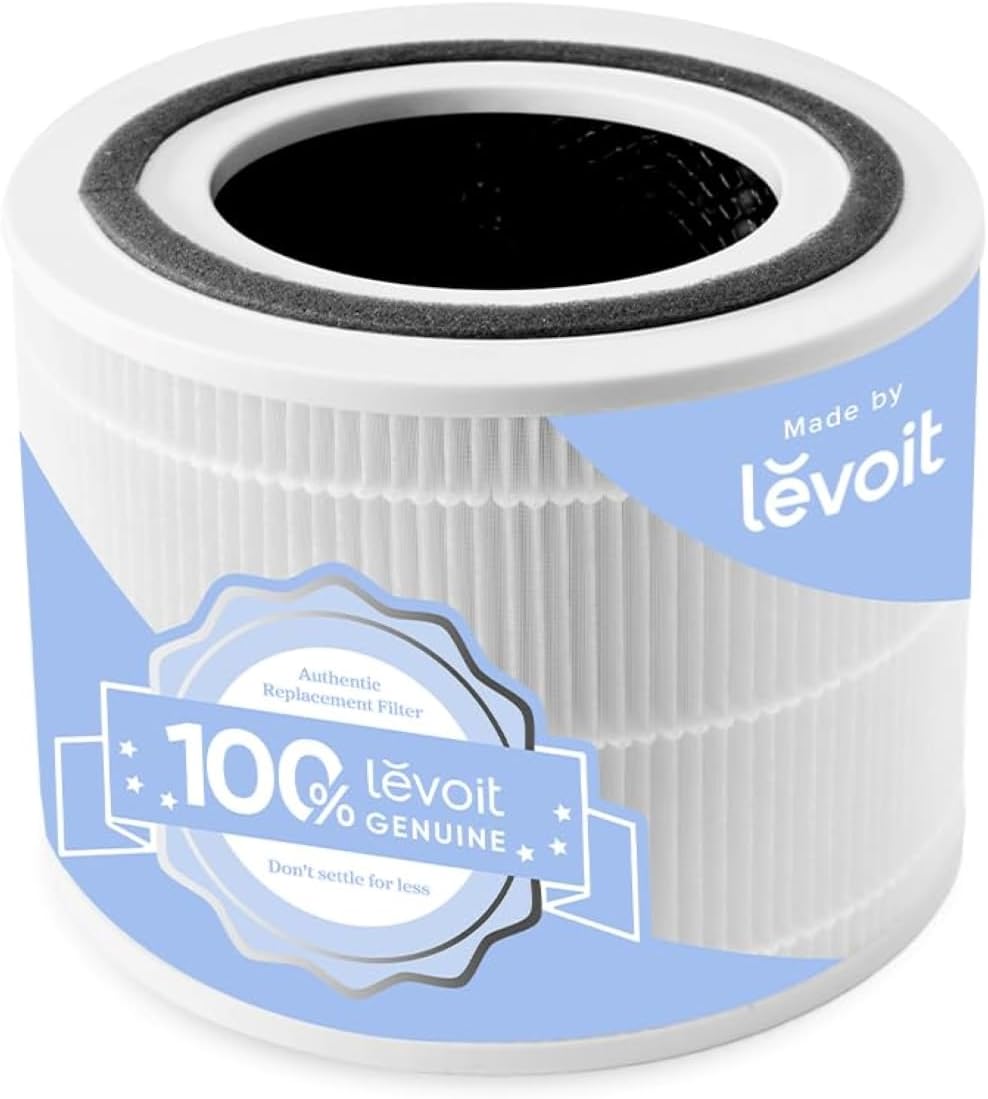
2. Levoit Core 300S: Compact Powerhouse for Small Spaces
For those with smaller rooms or apartments, the Levoit Core 300S stands out in our best HEPA air purifier reviews for its compact size and impressive performance. It delivers powerful filtration without taking up much space or breaking the bank.
This model features a three-stage filtration system: a pre-filter, a True HEPA filter, and an activated carbon filter. It’s remarkably quiet and offers smart features like app control and voice commands via Alexa or Google Assistant.
Pros:
Highly effective True HEPA filtration for its size.
Smart connectivity for remote control and scheduling.
Very quiet operation, ideal for bedrooms.
Affordable initial cost and replacement filters.
Sleek, modern design.
Cons:
Best suited for smaller to medium-sized rooms.
Lacks advanced sensors found in larger units.
3. Blueair Blue Pure 211+ Auto: Superior Airflow and Style
The Blueair Blue Pure 211+ Auto is recognized for its distinctive design and exceptional air-purifying capacity, making it a standout in our best HEPA air purifier reviews. It excels in rooms where robust air cleaning is a priority.
This purifier uses a unique combination of mechanical and electrostatic filtration to capture particles. It features a large coverage area and an impressive CADR rating, all while maintaining relatively quiet operation thanks to its straightforward design.
Pros:
High CADR for rapid air cleaning.
Washable fabric pre-filter available in various colors.
Whisper-quiet performance on lower settings.
Energy efficient and AHAM Verifide for performance.
Simple, intuitive controls.
Cons:
Replacement filters can be more expensive than some competitors.
Does not include an activated carbon filter for odors by default (optional).
4. Winix 5500-2: A Smart Choice for Allergies
The Winix 5500-2 is a consistently top-rated air purifier, and for good reason. It offers a comprehensive filtration system that tackles a wide range of airborne irritants, making it a favorite in our best HEPA air purifier reviews for allergy sufferers.
It features a True HEPA filter, an activated carbon filter, and the PlasmaWave technology, which breaks down pollutants at a molecular level. Its auto mode and air quality sensor ensure efficient, hands-free operation.
Pros:
True HEPA filter captures 99.97% of allergens.
PlasmaWave technology neutralizes viruses and bacteria.
Washable AOC (Advanced Odor Control) carbon filter.
Auto mode adjusts fan speed based on air quality.
AHAM Verifide for room size and performance.
Cons:
PlasmaWave feature is optional to use if preferred.
Filter replacement costs should be factored in.
5. Dyson Purifier Cool TP07: Innovative Design and Multi-Functionality
Dyson is known for its innovative technology, and the Dyson Purifier Cool TP07 is no exception, earning a spot in our best HEPA air purifier reviews for its unique features and sleek design. It’s more than just an air purifier; it’s a cooling fan too.
This unit combines a HEPA filter and an activated carbon filter to capture allergens and gases. Its bladeless design is safe and easy to clean, and the Air Multiplier™ technology projects purified air throughout the room.
Pros:
Combines air purification with a cooling fan.
Sealed HEPA and activated carbon filtration system.
App control for remote monitoring and scheduling.
Bladeless design is safe and aesthetically pleasing.
Effective at circulating purified air.
Cons:
High price point compared to traditional purifiers.
* Noise level can increase on higher fan speeds.
HEPA Air Purifier vs. Other Air Purifier Types
While HEPA filters are the gold standard, it’s helpful to understand how they compare to other air purification technologies. Knowing the differences ensures you choose the technology best suited for your specific needs.
Other types of air purifiers might use ionizers, UV-C light, or ozone generators. While some can be effective, HEPA filtration is generally considered the most reliable for capturing particulate matter.
Ionizers and Ozone Generators: What You Need to Know
Ionizers and ozone generators work differently than HEPA filters. Ionizers release negative ions into the air, which attach to particles, making them fall to surfaces or become easier for filters to capture. Ozone generators produce ozone, a gas that can neutralize odors and some pollutants.
However, ozone can be harmful to respiratory health, and some ionizers can produce small amounts of ozone as a byproduct. For most users seeking general air quality improvement, HEPA remains the safest and most effective choice. It’s important to research any device that produces ozone carefully, as the EPA advises caution regarding its potential health effects.
UV-C Light and Other Technologies
UV-C light technology aims to neutralize airborne bacteria, viruses, and mold spores by exposing them to ultraviolet radiation. While effective for sterilization, it typically requires a longer exposure time and might not be as efficient at capturing a broad range of particles as HEPA filters.
Other technologies might include photocatalytic oxidation (PCO) or electrostatic precipitation. Each has its pros and cons, but for capturing dust, pollen, pet dander, and other common allergens, a True HEPA filter is the most widely recommended solution.
Factors Beyond Performance: What Else Matters?
When selecting the best HEPA air purifier, performance is key, but don’t overlook other practical considerations. These factors can significantly impact your day-to-day experience with the device and its long-term value.
Think about ease of use, maintenance requirements, energy consumption, and the overall cost of ownership, including replacement filters. These practical aspects are just as important as the filtration capabilities.
Ease of Use and Maintenance
A user-friendly interface and simple maintenance routine make owning an air purifier a breeze. Look for intuitive controls and clear indicators for filter replacement. Easy access to filters is also a plus.
Regular maintenance, such as cleaning pre-filters and replacing HEPA and carbon filters at recommended intervals, is crucial for optimal performance. A unit that is difficult to clean or maintain might lead to neglect, diminishing its effectiveness over time.
Energy Consumption: Cost and Environmental Impact
Air purifiers run for extended periods, so their energy efficiency is a significant consideration. Look for Energy Star certified models, which meet strict energy efficiency guidelines set by the U.S. Environmental Protection Agency.
Lower energy consumption not only saves you money on your electricity bill but also reduces your environmental footprint. Smart features like auto modes can further optimize energy usage by running the purifier only when necessary.
Cost of Ownership: Beyond the Initial Purchase
The initial purchase price is only part of the equation. Consider the ongoing costs of replacement filters, which are essential for maintaining the effectiveness of your HEPA air purifier.
Filter lifespan varies by model and usage, but it’s wise to budget for these replacements annually or as recommended by the manufacturer. Some models have more expensive filters than others, so factor this into your total cost of ownership calculation.
How to Choose the Best HEPA Air Purifier for Your Needs
Selecting the right HEPA air purifier involves matching its capabilities to your specific living situation and health concerns. It’s a personalized decision that ensures you get the most benefit from your investment.
Consider the size of your room, the types of pollutants you’re most concerned about, your budget, and any specific features that would enhance your user experience. This tailored approach guarantees satisfaction.
Step-by-Step Guide to Making Your Choice
1. Assess Your Room Size: Measure the square footage of the room where you’ll place the purifier.
2. Identify Your Primary Concerns: Are you battling allergies, pet dander, smoke, odors, or general dust?
3. Check CADR Ratings: Ensure the purifier’s CADR is appropriate for your room size and concerns.
4. Evaluate Filtration Stages: Look for True HEPA, and consider activated carbon for odors and VOCs.
5. Review Noise Levels: If using in a bedroom or office, prioritize quieter models.
6. Consider Additional Features: Think about smart controls, air quality sensors, and energy efficiency.
7. Calculate Cost of Ownership: Factor in the price of replacement filters.
By following these steps, you can confidently navigate the best HEPA air purifier reviews and select a model that perfectly suits your needs and provides cleaner, healthier air.
Frequently Asked Questions About HEPA Air Purifiers
Q1: What is the difference between a HEPA filter and a True HEPA filter?
A True HEPA filter is certified to capture at least 99.97% of airborne particles 0.3 microns in size. “HEPA-type” or “HEPA-like” filters may not meet this stringent standard. Always look for “True HEPA” for guaranteed performance.
Q2: How often do I need to replace HEPA filters?
Replacement frequency varies by model and usage, but most True HEPA filters need replacing every 6 to 12 months. Check your manufacturer’s recommendations and watch for filter change indicators on the unit.
Q3: Can HEPA air purifiers help with pet allergies?
Yes, HEPA air purifiers are highly effective at capturing pet dander, a common allergen. They also help reduce pet odors when equipped with an activated carbon filter.
Q4: Are HEPA air purifiers noisy?
Modern HEPA air purifiers are designed to be relatively quiet, especially on lower settings. Look for models with decibel (dB) ratings below 50 dB for quiet operation, particularly for bedrooms.
Q5: Do HEPA air purifiers remove viruses and bacteria?
True HEPA filters can capture many airborne bacteria and viruses that are 0.3 microns or larger. However, they are not designed as medical-grade sterilizers. For enhanced virus protection, consider models with UV-C light or other germicidal technologies.
Conclusion: Breathe Easier with the Right HEPA Air Purifier
Finding the best HEPA air purifier reviews is the first step towards significantly improving your indoor air quality and creating a healthier living space. By understanding the technology, key features, and top-performing models, you can confidently choose a device that meets your specific needs.
Whether you’re managing allergies, seeking to eliminate odors, or simply aiming for a fresher environment, a quality HEPA air purifier offers a tangible solution. Invest in your well-being and enjoy the benefits of cleaner air, day after day.