
Best At Home Air Purifier: Essential For Your Study

Discover the best at home air purifier for your study, a crucial investment for focus and well-being. This guide explores top models, essential features, and placement tips to create an optimal learning environment free from allergens and pollutants. Breathe easier and study smarter with the right purification solution.
Best At Home Air Purifier: Essential For Your Study
Spending hours in your study space is common, whether for work, learning, or creative pursuits. But have you ever considered the air quality in this dedicated zone? Poor air can lead to fatigue, headaches, and reduced concentration, hindering your productivity. Thankfully, finding the best at home air purifier can transform your study into a sanctuary of fresh, clean air.
Why Your Study Needs an Air Purifier
Your study is likely a concentrated space where pollutants can accumulate. Dust, pet dander, pollen, mold spores, and even volatile organic compounds (VOCs) from furniture and electronics can negatively impact your health and focus. An air purifier actively removes these irritants, creating a healthier environment conducive to deep work and learning.
Understanding Air Purifier Technologies
Different air purifiers use various methods to clean the air. HEPA filters are the gold standard for capturing tiny particles like allergens and dust. Activated carbon filters excel at absorbing odors and gases, while UV-C light can neutralize airborne bacteria and viruses. Choosing the right technology depends on your specific air quality concerns.
HEPA Filters: The Particle Powerhouses
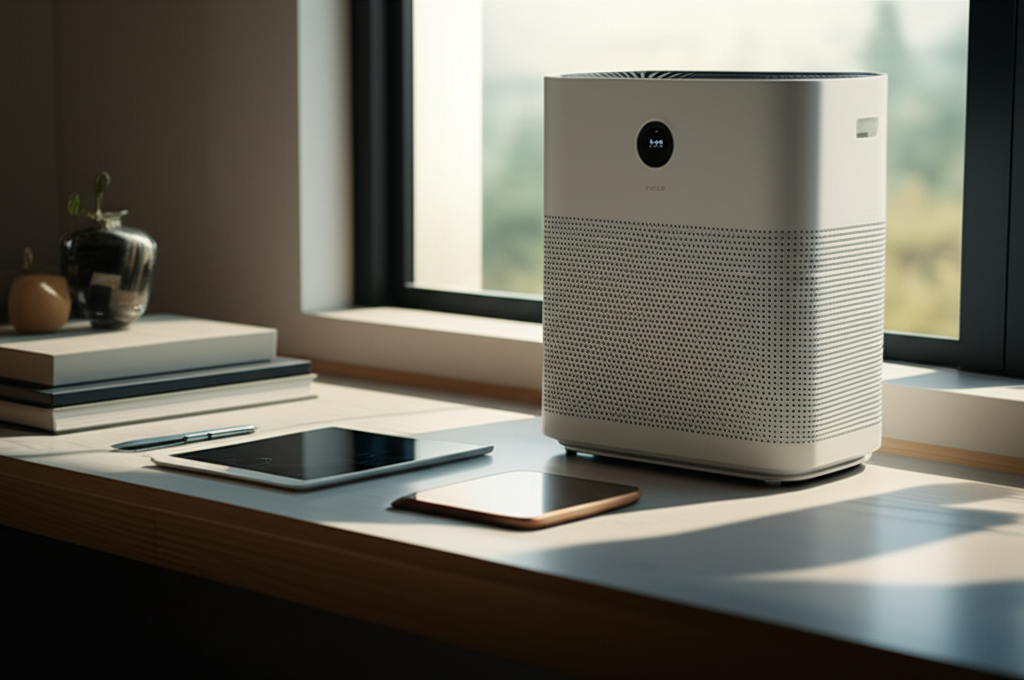
High-Efficiency Particulate Air (HEPA) filters are designed to trap at least 99.97% of airborne particles 0.3 microns in size. This includes common allergens such as pollen, dust mites, and pet dander. For anyone with allergies or sensitivities, a HEPA filter is non-negotiable when selecting the best at home air purifier.
Activated Carbon Filters: Tackling Odors and VOCs
Activated carbon filters work by adsorption, trapping gases and odors that HEPA filters miss. These can include smells from cooking, pets, smoke, and harmful VOCs released from cleaning products or new furnishings. A robust carbon filter is essential for a truly fresh-smelling and healthy study.
UV-C Light: For Germicidal Action
Some air purifiers incorporate UV-C light technology to kill or inactivate airborne microorganisms. While effective against bacteria and viruses, it’s important to ensure the UV-C component is well-shielded and doesn’t produce ozone. This technology adds an extra layer of protection against invisible threats.
Key Features to Look For in a Study Air Purifier
When evaluating the best at home air purifier for your study, several features stand out. Consider the size of your room, noise levels, energy efficiency, and any smart capabilities. These elements will ensure the purifier integrates seamlessly into your study routine without causing distractions.
Room Size and CADR Ratings
The Clean Air Delivery Rate (CADR) indicates how quickly an air purifier can clean a room of smoke, dust, and pollen. Always match the purifier’s CADR rating to the square footage of your study. A unit with a higher CADR than your room size requires will clean the air more effectively and efficiently.
Noise Levels: A Crucial Consideration
A quiet air purifier is paramount for a study environment where concentration is key. Look for models that offer multiple fan speeds, including a low or “sleep” mode, with decibel ratings below 50 dB. Some advanced units even feature whisper-quiet operation, ensuring minimal disruption.
Energy Efficiency and Cost of Ownership
Consider the Energy Star certification to ensure your air purifier operates efficiently, saving on electricity bills. Also, factor in the ongoing cost of replacement filters. Some filters need replacing every 6-12 months, so check the price and availability of replacement units before purchasing.
Smart Features and Controls
Modern air purifiers offer convenient smart features like app control, scheduling, and air quality sensors. These allow you to monitor air quality remotely and adjust settings without interrupting your workflow. An auto mode, which adjusts fan speed based on detected pollution levels, is particularly useful.
Top At-Home Air Purifiers for Your Study
Based on expert reviews and user feedback, here are some of the top contenders for the best at home air purifier for your study. These models balance performance, features, and value to create an optimal learning environment.
| Air Purifier Model | Key Features | Best For | Price Range |
|—|—|—|—|
| Coway Airmega 200M | True HEPA, Carbon Filter, Smart Sensor, Auto Mode | Medium to Large Studies, Allergy Sufferers | $$ |
| Levoit Core 300S | Compact, True HEPA, Quiet Operation, Smart Control | Small to Medium Studies, Budget-Conscious | $ |
| Blueair Classic 480i | High CADR, HEPASilent Technology, App Control | Larger Studies, High Airflow Needs | $$$ |
| Winix 5500-2 | True HEPA, PlasmaWave, Odor Control, Auto Mode | All-Around Performance, Pet Owners | $$ |
Note: Price ranges are approximate and can vary based on retailer and promotions.
Placement Strategies for Maximum Effectiveness
Where you place your air purifier significantly impacts its performance. For your study, positioning it in a location where it can draw in air from the room and circulate clean air effectively is crucial. Avoid placing it directly against walls or furniture that could obstruct airflow.
Optimizing Airflow in Your Study
The ideal placement is typically in a central location within the room, away from corners. This allows for better air circulation, ensuring the purifier can capture pollutants from all areas of your study. Consider placing it on a desk or a small stand to elevate it slightly off the floor.
Avoiding Obstructions and Dead Zones
Ensure there’s at least a foot of clearance around the air purifier on all sides. Obstructions can create “dead zones” where air doesn’t circulate well, reducing the unit’s overall effectiveness. Keeping the area around the purifier clear promotes optimal performance.
Maintenance and Filter Replacement
To ensure your air purifier continues to perform at its best, regular maintenance is essential. This primarily involves cleaning the pre-filters and replacing the main HEPA and carbon filters according to the manufacturer’s recommendations. Neglecting maintenance can reduce efficiency and even damage the unit.
Cleaning Pre-filters
Most air purifiers have a washable pre-filter designed to capture larger particles like hair and dust. Cleaning this regularly, often with a vacuum cleaner or by rinsing it under water, extends the life of the main HEPA filter. Check your unit’s manual for specific cleaning instructions.
When to Replace HEPA and Carbon Filters
HEPA and activated carbon filters have a finite lifespan. Over time, they become saturated with trapped pollutants and lose their effectiveness. Most manufacturers recommend replacing HEPA filters every 6-12 months and carbon filters at a similar interval, though this can vary.
Creating a Healthier Study Environment Beyond Purification
While the best at home air purifier is a significant step, other practices can further enhance your study’s air quality. Incorporating natural elements and regular cleaning habits complements purification for a truly healthy space.
The Role of Houseplants
Certain houseplants are known for their air-purifying qualities, capable of filtering out some common indoor pollutants. Plants like snake plants, spider plants, and peace lilies can add a touch of nature while contributing to cleaner air. They also boost mood and reduce stress, perfect for a study.
Regular Cleaning and Decluttering
Consistent cleaning is vital. Dusting surfaces, vacuuming carpets, and keeping your study tidy reduces the number of particles that can become airborne. This proactive approach works hand-in-hand with your air purifier to maintain superior air quality.
Frequently Asked Questions About Study Air Purifiers
Q1: How often should I run my air purifier in my study?
It’s generally recommended to run your air purifier continuously, especially when you’re spending significant time in your study. Modern units are energy-efficient, and constant operation ensures the air remains clean.
Q2: Can an air purifier help with allergies in my study?
Yes, an air purifier with a True HEPA filter is highly effective at removing allergens like pollen, dust mites, and pet dander, which are common triggers for allergy symptoms.
Q3: What size air purifier do I need for my study?
You need to match the air purifier’s CADR (Clean Air Delivery Rate) to the square footage of your study. Check the product specifications for room coverage recommendations.
Q4: Do air purifiers produce ozone?
Some older or less sophisticated models might produce ozone. Look for ozone-free certifications or models that explicitly state they do not produce ozone, especially if you are sensitive.
Q5: How do I know when to replace the filters?
Most air purifiers have indicator lights that signal when filters need replacement. Alternatively, refer to your user manual for recommended replacement intervals, typically every 6-12 months.
Conclusion
Investing in the best at home air purifier for your study is an investment in your health, focus, and overall well-being. By understanding the different technologies, key features, and proper placement, you can create an environment that supports peak productivity and reduces the impact of indoor air pollutants. Breathe cleaner, study smarter, and experience the difference a purified study space can make.
