
Best Ash Vacuum Cleaner: Essential Guide

The best ash vacuum cleaner makes cleaning fireplaces, wood stoves, and grills safe and easy. Look for durable construction, powerful suction, effective filtration, and convenient features to handle messy ash without spreading dust.
A cozy fire is wonderful. But cleaning up the leftover ash can be a dusty, dirty job. If you’ve ever tried using a regular vacuum for ash, you know it can make a big mess. It can even damage your vacuum. That’s why an ash vacuum cleaner is a must-have tool for anyone with a fireplace, wood stove, or outdoor grill. I’ll guide you through what makes a great ash vacuum cleaner and help you find the perfect one for your needs.
What is an Ash Vacuum Cleaner and Why You Need One
An ash vacuum cleaner is a special kind of vacuum. It’s built to safely suck up cold ash from fireplaces, wood stoves, pellet stoves, and barbecues. Unlike regular vacuums, ash vacuums have special filters and sturdy construction. This prevents fine ash dust from escaping into your home. They also have heat-resistant hoses and tanks. This is important because even cold ash can retain some heat. Using the right tool means a cleaner home and a safer cleaning process.
Key Features to Look for in the Best Ash Vacuum Cleaner
When choosing the best ash vacuum cleaner, several features stand out. These make the cleaning job easier and safer. Think about the size of the tank, the power of the motor, and the type of filter. These all play a big role in how well it works.
Powerful Suction and Motor Strength
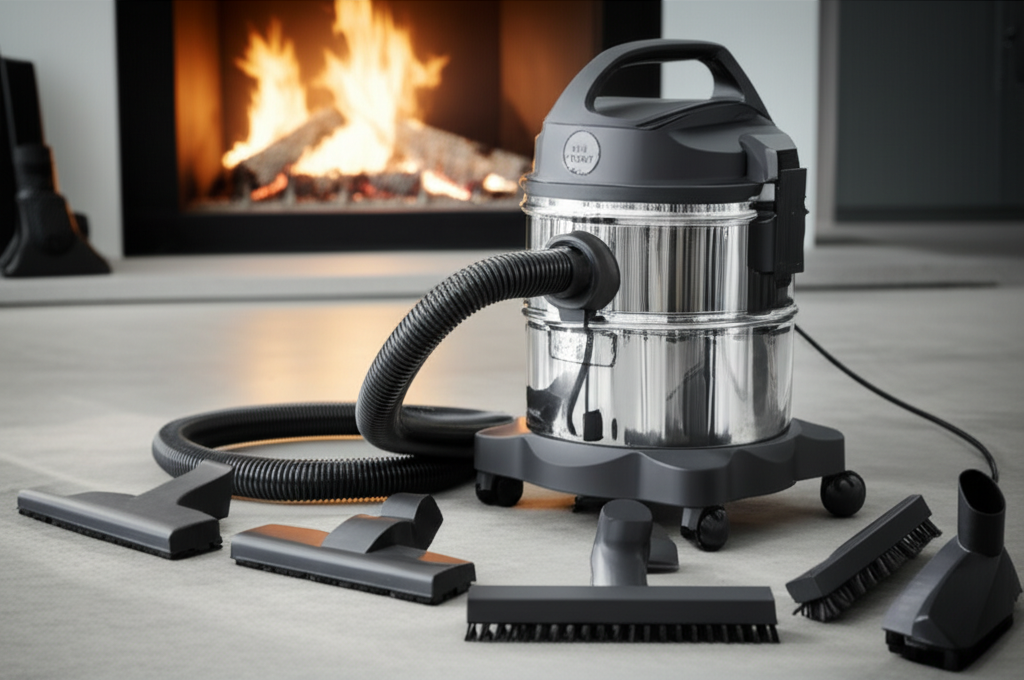
A strong motor means good suction power. This is crucial for pulling ash and debris into the tank effectively. Look for vacuums with at least 1000 watts of power. Higher wattage generally means stronger suction. This helps you clean up quickly and thoroughly.
Durable and Heat-Resistant Construction
The tank and hose should be made of metal. This prevents damage from any lingering heat in the ash. Plastic parts can melt or warp. A sturdy metal build ensures your ash vacuum lasts a long time.
Advanced Filtration System
This is perhaps the most critical feature. The best ash vacuum cleaners use multi-stage filtration. This typically includes a metal pre-filter and a HEPA filter. These filters trap fine ash particles, preventing them from being blown back into your room. A good filter keeps your air clean.
Tank Capacity and Ease of Emptying
Consider how often you’ll use the ash vacuum. A larger tank means you can clean more without stopping to empty it. Common sizes range from 3 to 5 gallons. Look for a tank that is easy to detach and empty. Some models have a simple lid that lifts off.
Hose Length and Diameter
A longer hose gives you more reach. This is helpful for cleaning inside deep fireboxes or reaching awkward spots. A wider hose diameter can handle larger pieces of debris more easily. Check that the hose is flexible and durable.
Noise Level
Some ash vacuums can be quite loud. If noise is a concern, look for models that advertise quieter operation. This can make the cleaning process more pleasant.
Accessories and Attachments
Useful accessories can make cleaning easier. Common attachments include crevice tools for tight spots and brush nozzles for stubborn ash. Some models come with extra filters.
Top Ash Vacuum Cleaner Models for 2024
Finding the best ash vacuum cleaner can be tough with so many options. Here are a few top-rated models that consistently perform well. I’ve picked them based on features, durability, and user reviews.
1. Vacuums for Fireplaces and Wood Stoves
These models are designed for the fine ash found in indoor heating appliances. They prioritize excellent filtration and maneuverability.
The Best Overall: Woody 5 Gallon Ash Vacuum
This model is a favorite for good reason. It has a large 5-gallon metal tank. Its powerful motor easily handles ash and soot. The multi-stage filtration system, including a HEPA filter, captures 99.97% of fine particles. Its sturdy build and long power cord make it a reliable choice.
Key Takeaway: The Woody 5 Gallon Ash Vacuum offers robust performance and excellent filtration for indoor ash cleaning.
Best Value: Fireman 4 Gallon Ash Vacuum
For those on a budget, the Fireman 4 Gallon is a great option. It provides strong suction for its price point. The metal construction ensures durability. It includes a washable filter and a good hose length. It’s a solid performer for regular fireplace and wood stove cleaning.
Key Takeaway: The Fireman 4 Gallon Ash Vacuum delivers good value with reliable performance for basic ash cleanup.
2. Ash Vacuums for Pellet Stoves
Pellet stoves produce a different kind of ash, often finer and sometimes containing small pellets. These vacuums are optimized for this task.
Specialized for Pellet Stoves: The PelletPro 3 Gallon
The PelletPro is engineered for the specific needs of pellet stove users. Its compact size is convenient for smaller spaces. It features a highly efficient filter designed for pellet ash. The motor is powerful enough to clear out the burn pot and ash drawer effectively.
Key Takeaway: The PelletPro 3 Gallon is a specialized tool that excels at cleaning the fine ash from pellet stoves.
3. Ash Vacuums for Outdoor Grills and Smokers
These vacuums need to handle larger debris and potentially outdoor conditions. Durability and powerful suction are key.
Heavy-Duty Outdoor Option: The GrillMaster 6 Gallon
If you’re cleaning out a charcoal grill or a large smoker, the GrillMaster is up to the task. Its 6-gallon tank handles larger volumes of ash and debris. The powerful motor ensures it can suck up stubborn residue. It’s built tough for outdoor use.
Key Takeaway: The GrillMaster 6 Gallon is a robust choice for handling the ash and debris from outdoor cooking appliances.
How to Safely Use Your Ash Vacuum Cleaner
Using an ash vacuum correctly ensures safety and prolongs the life of your appliance. Always follow these simple steps for the best results.
Step 1: Ensure Ash is Cold
This is the most important rule. Never vacuum hot ash. Wait at least 12-24 hours after the fire has died down. Hot ash can melt plastic parts, damage filters, or even start a fire.
Step 2: Assemble Your Vacuum
Attach the hose and any desired nozzle securely to the vacuum. Make sure the lid or cover of the tank is properly sealed. Check that the filter is correctly in place.
Step 3: Plug In and Vacuum
Plug the ash vacuum into a suitable electrical outlet. Turn it on and begin vacuuming the ash. Move the nozzle steadily over the ash to collect it efficiently.
Step 4: Empty the Tank
Once you’re finished, unplug the vacuum. Carefully detach the tank lid. Dispose of the ash in a metal container outdoors. Do not use a plastic bag or bin for hot ash disposal.
Step 5: Clean and Maintain
After emptying, clean the filters according to the manufacturer’s instructions. This might involve tapping them out or washing them. Store the vacuum in a dry place. Regular maintenance keeps your ash vacuum working well.
Understanding Ash Vacuum Cleaner Filters
The filter is the heart of an ash vacuum. It’s what separates the messy ash from your clean air. Different types of filters offer varying levels of protection.
Standard Filters
Many basic models come with a standard washable filter. These are good for larger ash particles but may let finer dust through. They are easy to clean and reuse.
HEPA Filters
High-Efficiency Particulate Air (HEPA) filters are the gold standard. They can capture at least 99.97% of airborne particles 0.3 microns in size. This includes very fine ash and soot. If you have allergies or want the cleanest air possible, a HEPA filter is essential.
Metal Pre-Filters
Some ash vacuums include a metal pre-filter. This catches larger debris before it reaches the main filter. It helps protect the more sensitive HEPA or washable filter and extends its life.
Ash Vacuum Cleaner vs. Regular Vacuum: What’s the Difference?
Using a regular household vacuum for ash is a common mistake. It’s crucial to understand why they are not interchangeable. Regular vacuums are not designed for the fine, abrasive nature of ash.
| Feature | Ash Vacuum Cleaner | Regular Vacuum Cleaner |
| :—————— | :——————————————- | :——————————————– |
| Construction | Metal tank, heat-resistant hose | Plastic tank, standard hose |
| Filtration | Multi-stage, HEPA filters, traps fine dust | Basic filters, lets fine dust pass through |
| Safety | Designed for embers, prevents fire risk | Can be a fire hazard, can damage motor |
| Suction Power | Optimized for ash and debris | Optimized for carpets and general household dirt |
| Durability | Built for abrasive ash | Can be damaged by sharp or abrasive particles |
A regular vacuum’s motor can overheat from fine ash particles. Its filters are not designed to capture such small particles, leading to dust escaping into your home. The abrasive nature of ash can also damage the internal components of a standard vacuum.
Troubleshooting Common Ash Vacuum Problems
Even the best ash vacuum cleaner can sometimes have issues. Here are solutions to common problems you might encounter.
Weak Suction
If your ash vacuum seems to have lost suction, check the filters first. Clogged filters are the most common cause. Ensure the tank lid is sealed tightly and the hose has no blockages.
Ash Escaping
If you notice ash dust in the air, your filter system may not be working correctly. Ensure the HEPA filter is properly installed and in good condition. Check for any tears or holes in the filter. Make sure all seals on the tank are secure.
Vacuum Overheating
This usually indicates a blocked airflow. Check the hose, filters, and tank for any obstructions. Ensure you are not trying to vacuum ash that is too hot.
Maintaining Your Ash Vacuum for Longevity
Proper care ensures your ash vacuum cleaner remains effective and safe for years. A little effort goes a long way in keeping it in top shape.
Regular Filter Cleaning
Always clean or replace filters as recommended by the manufacturer. This is vital for maintaining suction power and air quality. A dirty filter restricts airflow and makes the motor work harder.
Inspecting for Damage
Periodically check the hose, power cord, and tank for any signs of wear or damage. Replace any damaged parts immediately to prevent further issues or safety hazards.
Proper Storage
Store your ash vacuum in a clean, dry place. Keep it away from moisture and extreme temperatures. This protects its components and ensures it’s ready when you need it.
Frequently Asked Questions About Ash Vacuum Cleaners
Here are answers to some common questions about using and choosing an ash vacuum cleaner.
Can I use an ash vacuum for regular household cleaning?
Yes, many ash vacuums with good HEPA filtration can also be used for general cleaning. However, they might not have the same specialized floor attachments as a standard vacuum.
How often should I replace the HEPA filter?
This depends on usage and the specific model. Typically, HEPA filters should be replaced every 6-12 months for regular users. Always check your owner’s manual for precise recommendations.
What is the difference between a dry vacuum and an ash vacuum?
An ash vacuum is specifically designed to safely handle cold ash and embers with heat-resistant materials and advanced filtration. A dry vacuum is for general dry debris but lacks these safety features for ash.
Can I vacuum up small embers with an ash vacuum?
Only if the ash vacuum is specifically rated for it and the embers are very small and cool. It’s always safest to wait until all ash is completely cold, ideally for 12-24 hours.
Are ash vacuums noisy?
Some models can be loud, similar to regular shop vacs. However, manufacturers are increasingly designing quieter models. Check product descriptions for noise level ratings if this is a concern.
Conclusion: The Best Ash Vacuum Cleaner for a Cleaner, Safer Home
Choosing the best ash vacuum cleaner is an investment in a cleaner, safer home. By understanding the key features like powerful suction, durable construction, and advanced filtration, you can make an informed decision. Whether you’re cleaning a fireplace, wood stove, or grill, the right ash vacuum cleaner makes the job much easier. It protects your home from dust and prevents potential hazards. I hope this guide helps you find the perfect tool to keep your cozy fires and grills clean.
