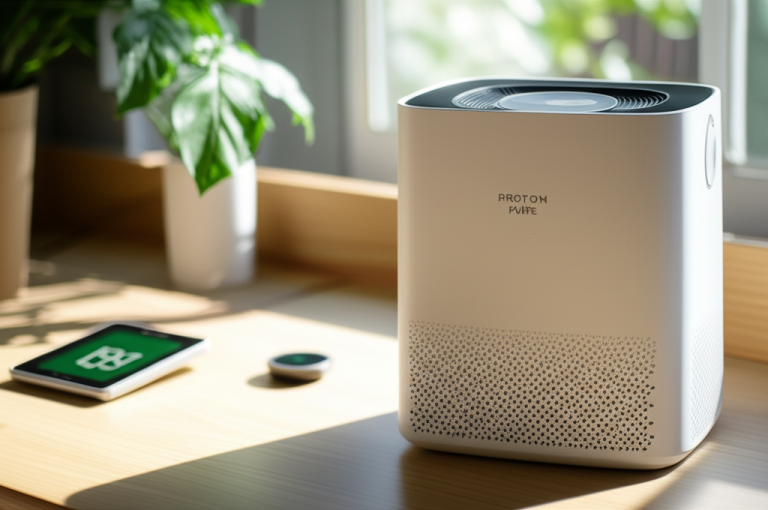
Best Air Purifiers For Pet Odors: Proven Freshness

Banish pet odors and breathe easy with our guide to the best air purifiers for pet odors, featuring proven technologies for a truly fresh home. Discover top-rated models and essential features to eliminate lingering smells and allergens, ensuring a cleaner, happier living space for you and your furry friends.
Best Air Purifiers for Pet Odors: Proven Freshness for Your Home
Living with beloved pets brings immense joy, but it often comes with a less desirable side effect: persistent pet odors. Whether it’s the faint smell of wet dog after a rainy walk or the more pungent aroma from the litter box, these smells can permeate your home and make it feel less inviting. Thankfully, you don’t have to resign yourself to a perpetually “lived-in” scent. Investing in the right air purifier can make a significant difference, actively tackling and neutralizing those stubborn pet smells. This guide will walk you through everything you need to know to find the best air purifiers for pet odors, ensuring your home smells as clean and fresh as it looks.
Why Pet Odors Linger and How Air Purifiers Help
Pet odors are more than just a fleeting scent; they are microscopic particles released from dander, urine, saliva, and even oils in your pet’s fur. These volatile organic compounds (VOCs) and other odor-causing molecules can become embedded in carpets, furniture, and even walls, making them difficult to eliminate with simple cleaning. Air purifiers equipped with specialized filters, particularly activated carbon, are designed to capture and neutralize these odor particles at their source. They work by drawing in the air, passing it through a filtration system, and releasing cleaner, fresher air back into your space.
The effectiveness of an air purifier for pet odors hinges on its filtration technology and capacity to handle the specific types of pollutants pets introduce. A robust system can significantly improve indoor air quality, reducing not only smells but also common allergens like pet dander, which can trigger respiratory issues for sensitive individuals. By understanding how these devices work, you can make an informed choice to reclaim a truly fresh-smelling home environment.
Key Features to Look for in Pet Odor Air Purifiers
When searching for the best air purifiers for pet odors, certain features are non-negotiable. The most crucial element is the filtration system. Look for units that combine a true HEPA filter with a substantial activated carbon filter. True HEPA filters capture 99.97% of airborne particles as small as 0.3 microns, including pet dander, dust, and pollen. The activated carbon filter is the odor eliminator, adsorbing gases, VOCs, and those unmistakable pet smells.
Another vital consideration is the CADR (Clean Air Delivery Rate), which indicates how quickly the purifier can clean a room. For pet owners, a higher CADR is generally better, especially in larger spaces or rooms where pets spend most of their time. Ensure the unit’s coverage area matches your room size, and consider noise levels, especially if the purifier will be running in bedrooms or living areas. Energy efficiency and filter replacement costs are also important long-term factors.
The Power of Activated Carbon Filters for Odor Elimination
Activated carbon is the undisputed champion when it comes to neutralizing pet odors. This porous material has an incredibly large surface area, allowing it to effectively adsorb (not absorb) odor molecules from the air. Think of it like a sponge for smells. For pet owners, a purifier with a thick, high-quality activated carbon filter is essential for tackling everything from cat litter box smells to the general musk that can accompany furry companions.
The effectiveness of an activated carbon filter depends on its density and the amount of carbon used. A thin, pelletized carbon filter may struggle with strong odors, whereas a thick, granular, or honeycomb-style carbon filter offers superior adsorption capabilities. When choosing the best air purifiers for pet odors, pay close attention to the specifications of the carbon filter to ensure it’s robust enough for your needs.
True HEPA Filters: Capturing Dander and Allergens
While activated carbon handles the smells, a true HEPA filter is crucial for capturing the allergens that often accompany pets. Pet dander – tiny flakes of skin shed by animals – is a common trigger for allergies and asthma. These microscopic particles, along with pet hair and saliva particles, float in the air and can cause significant discomfort. A true HEPA filter traps these particles with remarkable efficiency, removing them from the air you breathe.
This dual-action approach, combining HEPA filtration with activated carbon, is what makes an air purifier truly effective for pet owners. It not only freshes the air by removing odors but also creates a healthier living environment by reducing airborne allergens. This is paramount for the well-being of all household members, including those with sensitivities.
Top Air Purifier Models for Pet Odors: Our Top Picks
After extensive research and considering user reviews, several air purifiers stand out as the best air purifiers for pet odors. These models consistently deliver on performance, features, and value, making them excellent choices for pet-loving households. We’ve evaluated them based on their filtration systems, coverage area, noise levels, and overall effectiveness in combating pet-related smells and allergens.
Here are our top recommendations, each offering a unique blend of features to tackle those persistent pet odors and provide a breath of fresh air:
Coway Airmega 200M: Known for its robust filtration, including a HEPA filter and a substantial carbon pre-filter, this unit is excellent for medium to large rooms. Its quiet operation and sleek design make it a popular choice.
Levoit Core 300S: A compact yet powerful option, the Levoit Core 300S features a 3-stage filtration system with a specialized pet filter designed to capture dander and odors. It’s ideal for smaller spaces and budget-conscious buyers.
Blueair Blue Pure 211+ Auto: This stylish purifier boasts impressive performance with its combination of mechanical and electrostatic filtration, effectively capturing particles and odors. Its large coverage area and quiet operation are significant advantages.
Winix 5500-2: A perennial favorite, the Winix 5500-2 offers a true HEPA filter, an activated carbon filter, and PlasmaWave technology for enhanced odor and allergen removal. It’s a great all-around performer for various room sizes.
These models represent a spectrum of features and price points, ensuring there’s a solution for almost every need and budget. Their proven ability to tackle pet odors makes them worthy investments for a fresher home.
Understanding CADR and Room Size for Optimal Performance
CADR, or Clean Air Delivery Rate, is a crucial metric that tells you how effectively an air purifier can clean a specific room size. It’s measured for three pollutants: dust, pollen, and smoke. For pet owners, a higher CADR for dust and smoke is particularly relevant, as these often correlate with odor-carrying particles and dander. A higher CADR means the purifier can process more air and remove pollutants faster.
When selecting the best air purifiers for pet odors, always check the manufacturer’s recommended room coverage. It’s generally advisable to choose a purifier rated for a slightly larger room than you intend to use it in. This ensures it can operate efficiently and quietly, providing optimal air cleaning without being overworked. For instance, if you have a 200 sq ft living room, consider a purifier rated for 250-300 sq ft.
Placement and Maintenance: Maximizing Your Air Purifier’s Effectiveness
The placement of your air purifier can significantly impact its effectiveness in combating pet odors. For best results, place the unit in the room where your pet spends the most time or where odors tend to be strongest, such as near a litter box or a pet’s favorite resting spot. Ensure there’s at least a foot of clearance around the unit to allow for proper airflow and filtration. Avoid placing it directly against walls or furniture.
Regular maintenance is also key. This includes cleaning or replacing pre-filters (if applicable) and, most importantly, replacing the HEPA and activated carbon filters according to the manufacturer’s recommendations. Neglecting filter changes will reduce the purifier’s efficiency, rendering it less effective at removing odors and allergens. Many modern purifiers feature filter replacement indicators to simplify this process.
Beyond Odors: Air Purifiers and Pet Allergies
While the primary goal for many pet owners is odor control, the best air purifiers for pet odors also offer significant benefits for allergy sufferers. Pet dander is a major allergen, causing symptoms like sneezing, itchy eyes, and respiratory distress in susceptible individuals. By trapping these microscopic particles, HEPA filters drastically reduce the concentration of dander in the air, making your home more comfortable for everyone.
Furthermore, some purifiers include additional features like UV-C light or ionizers that can help neutralize airborne pathogens and allergens. However, it’s important to note that ionizers can sometimes produce ozone, which can be a lung irritant. If you are sensitive, opt for purifiers that clearly state they are ozone-free or have an option to turn off the ionizer.
Comparing Air Purifier Technologies for Pet Owners
Several technologies are employed in air purifiers, and understanding them helps in choosing the best air purifiers for pet odors.
| Technology | Description | Pros for Pet Owners | Cons for Pet Owners |
| :—————– | :—————————————————————————————————— | :—————————————————– | :—————————————————– |
| HEPA Filter | Mechanically filters air, trapping 99.97% of particles 0.3 microns in size. | Captures dander, dust mites, pollen, and other allergens. | Does not remove gases or odors on its own. |
| Activated Carbon | Adsorbs gases, VOCs, and odor molecules. | Excellent for neutralizing pet smells and household odors. | Less effective against particulate matter like dander. |
| Pre-Filter | Catches larger particles like pet hair and dust bunnies. | Extends the life of HEPA and carbon filters. | Needs regular cleaning or replacement. |
| UV-C Light | Uses ultraviolet light to kill bacteria, viruses, and mold spores. | Can help sanitize the air. | Effectiveness varies; may not impact odors directly. |
| Ionizer | Releases negative ions to charge airborne particles, causing them to clump and fall or stick to surfaces. | Can help remove fine particles. | Potential ozone production; can create sticky surfaces. |
For comprehensive pet odor and allergen control, a combination of a true HEPA filter and a substantial activated carbon filter is the most effective approach.
Frequently Asked Questions About Air Purifiers for Pet Odors
What is the most important filter for pet odors?

The most crucial filter for pet odors is the activated carbon filter. It works by adsorbing odor-causing molecules from the air, effectively neutralizing smells.
How often should I replace the filters in a pet odor air purifier?
Filter replacement frequency varies by model and usage, but typically HEPA filters need replacement every 6-12 months, and activated carbon filters every 3-6 months. Always check your manufacturer’s recommendations.
Can an air purifier completely eliminate pet smells?
While air purifiers can significantly reduce and neutralize pet odors, complete elimination might require a combination of the purifier, regular cleaning, and good ventilation. They are highly effective at managing persistent smells.
Are air purifiers with ionizers safe for pets?
Generally, yes, but it’s important to ensure the unit is certified as ozone-free or has an option to disable the ionizer. Some pets can be sensitive to ozone.
Which room is best to place an air purifier for pet odors?
Place the air purifier in the room where your pet spends the most time or where odors are most noticeable, such as the living room, bedroom, or near the litter box. Ensure adequate space for airflow.
Conclusion: Breathe Freely with the Right Air Purifier
Living with pets doesn’t mean you have to compromise on a fresh-smelling home. By understanding the science behind pet odors and the technology that combats them, you can confidently choose the best air purifiers for pet odors. A unit equipped with a true HEPA filter for allergens and a robust activated carbon filter for odors will make a remarkable difference in your indoor air quality. Investing in a quality air purifier is an investment in a cleaner, healthier, and more enjoyable living environment for both you and your beloved furry companions. Say goodbye to lingering smells and hello to proven freshness.