Best Air Purifier for Fungus: Proven Relief

Breathe easier with the best air purifier for fungus, offering proven relief from mold spores and allergens for a healthier home environment.
Mold and mildew are more than just unsightly; they can significantly impact your health and the air quality within your home. Persistent dampness, poor ventilation, or even small leaks can create the perfect breeding ground for these microscopic organisms. Dealing with the visible signs is one thing, but airborne fungal spores can trigger allergies, asthma, and other respiratory issues for unsuspecting occupants. Finding the right solution is crucial for restoring comfort and well-being. This guide will walk you through selecting the best air purifier for fungus, ensuring you can finally achieve a mold-free, healthier living space. We’ll cover what to look for, key features, and top recommendations.
Understanding Fungus and Its Impact on Indoor Air
Fungal spores are microscopic and can travel through the air, entering your home through open windows, doors, or even attached to pets and clothing. Once inside, they thrive in moist environments, attaching to surfaces and multiplying. These airborne particles are a common trigger for allergic reactions and can exacerbate conditions like asthma. Recognizing the signs of fungal growth and understanding how it affects your air is the first step toward remediation.
The Invisible Threat: How Fungus Affects Your Health
Fungal spores are a significant allergen for many people. Inhaling them can lead to symptoms such as sneezing, runny nose, itchy eyes, and skin rashes. For individuals with asthma or other respiratory conditions, exposure can trigger more severe reactions, including difficulty breathing and coughing fits. Long-term exposure to mold can also contribute to chronic respiratory problems and other health issues.
Where Does Fungus Love to Grow?
Fungus thrives in damp, dark, and poorly ventilated areas. Common culprits include bathrooms, kitchens, basements, laundry rooms, and areas with leaky pipes or roofs. Even high humidity levels in bedrooms or living areas can support fungal growth. Identifying these high-risk zones in your home is essential for targeted prevention and purification.
What Makes an Air Purifier Effective Against Fungus?
Not all air purifiers are created equal when it comes to tackling fungal spores. The most effective models utilize specific filtration technologies designed to capture these microscopic particles. A multi-stage filtration system is key, often combining a pre-filter, HEPA filter, and an activated carbon filter. Understanding these components will help you make an informed decision.
The Power of HEPA Filtration
High-Efficiency Particulate Air (HEPA) filters are the gold standard for capturing airborne particles. A true HEPA filter is certified to remove at least 99.97% of particles as small as 0.3 microns. This includes mold spores, dust mites, pollen, and pet dander, making it an essential feature for anyone concerned about fungal contamination. Always look for “True HEPA” on the product description.
Beyond HEPA: Activated Carbon and Other Technologies
While HEPA filters excel at capturing physical particles, activated carbon filters are crucial for addressing odors and volatile organic compounds (VOCs) often associated with mold. These filters use a porous carbon material to adsorb gases and smells. Some purifiers also incorporate UV-C light technology, which can kill mold spores and bacteria, though its effectiveness is debated and depends on exposure time.
Key Features to Look for in the Best Air Purifier for Fungus
When selecting an air purifier to combat fungus, prioritize features that enhance its effectiveness and ease of use. Coverage area, CADR ratings, and noise levels are important considerations for any air purifier, but they take on added significance when dealing with mold. Smart features can also add convenience.
Coverage Area and CADR Ratings: Ensuring Potent Purification
The coverage area of an air purifier indicates the size of the room it can effectively clean. Always match the purifier’s capacity to the square footage of the space where you intend to use it. Clean Air Delivery Rate (CADR) ratings measure how quickly a purifier can clean the air for specific pollutants like smoke, dust, and pollen. Higher CADR ratings mean faster and more efficient air cleaning.
Noise Levels and Energy Efficiency: Comfort and Savings
Air purifiers operate continuously, so noise levels are a critical factor for comfort, especially in bedrooms or living areas. Look for models with low decibel ratings on their lower settings. Energy efficiency is also important, as purifiers can contribute to your electricity bill. Energy Star certification indicates that a product meets strict energy efficiency guidelines set by the EPA.
Additional Features: Smart Capabilities and Maintenance
Some modern air purifiers come with smart features like Wi-Fi connectivity, app control, and air quality sensors that automatically adjust settings. These can offer convenience and real-time monitoring of your indoor air. Consider the ease of filter replacement and the availability of replacement filters, as this is a recurring cost and maintenance task.
Top Air Purifier Recommendations for Fungus Control
Based on expert reviews and user feedback, several air purifiers stand out for their ability to combat fungal spores and improve indoor air quality. These models consistently demonstrate strong performance through robust filtration systems and effective particle capture. I’ve researched several options to help you find the best fit for your home.
Coway Airmega AP-1512HH Mighty: A Powerful All-Rounder
The Coway Airmega AP-1512HH Mighty is frequently lauded for its excellent performance-to-price ratio. It features a multi-stage filtration system, including a True HEPA filter, and an advanced deodorizing filter. Its smart sensor automatically adjusts fan speed based on air quality, and it’s relatively quiet on lower settings.
Levoit Core 300S: Compact Powerhouse for Smaller Spaces
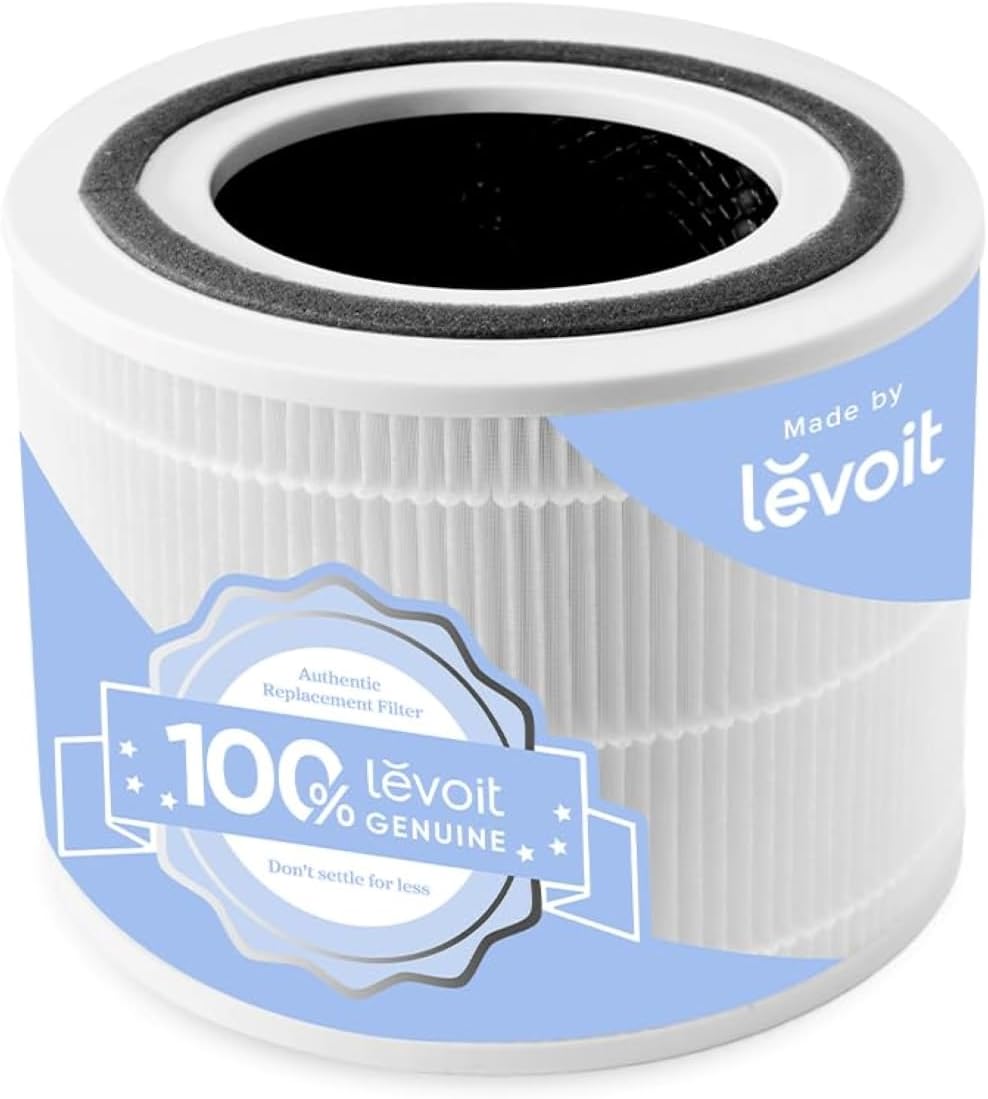
For smaller rooms or apartments, the Levoit Core 300S offers impressive performance in a compact design. It boasts a 3-stage filtration system with a True HEPA filter capable of capturing 99.97% of airborne particles. The unit is also very quiet, making it ideal for bedrooms, and it offers smart capabilities for remote control.
Blueair Blue Pure 211+ Auto: Large Room Coverage and Silent Operation
The Blueair Blue Pure 211+ Auto is designed for larger spaces and excels at quietly removing airborne pollutants. Its unique HEPASilent™ technology combines electrostatic and mechanical filtration to capture particles efficiently. The washable fabric pre-filter is a great feature for capturing larger particles and extending the life of the main filter.
Winix 5500-2: Smart Features and PlasmaWave Technology
The Winix 5500-2 is a popular choice for its comprehensive filtration system, which includes a True HEPA filter and an activated carbon filter. It also features Winix’s PlasmaWave technology, which can break down airborne pollutants at a molecular level. The auto mode and air quality sensor make it convenient to use.
How to Maximize Your Air Purifier’s Effectiveness Against Fungus
Simply buying an air purifier isn’t enough; proper placement and maintenance are crucial for optimal performance against fungal spores. Understanding how to use your purifier to its full potential will ensure you get the most relief.
Strategic Placement for Maximum Impact
Place your air purifier in the room where mold is most prevalent or where you spend the most time. Ensure it has at least a foot of clearance around all sides to allow for proper airflow. Avoid placing it directly against walls or furniture, which can obstruct its intake and exhaust.
Regular Filter Maintenance: A Non-Negotiable Step
The effectiveness of your air purifier hinges on its filters. HEPA filters should be replaced according to the manufacturer’s recommendations, typically every 6-12 months, depending on usage and air quality. Activated carbon filters also need regular replacement to maintain their odor-absorbing capabilities. Neglecting filter changes will significantly reduce the purifier’s ability to capture mold spores.
Complementary Strategies for a Mold-Free Home
Air purification is a vital part of combating mold, but it’s not a standalone solution. Addressing the source of moisture is paramount. This includes fixing leaks, improving ventilation in bathrooms and kitchens, and using dehumidifiers in damp areas. Regularly cleaning surfaces and using mold-resistant paints can also help prevent growth.
Comparing Air Purifiers: A Table of Features
To help you visualize the differences between some of the top contenders, here’s a comparison table. This highlights key specifications relevant to fungus control and overall performance.
| Feature | Coway Airmega AP-1512HH Mighty | Levoit Core 300S | Blueair Blue Pure 211+ Auto | Winix 5500-2 |
| :—————— | :—————————– | :——————- | :————————– | :——————— |
| Filtration Type | True HEPA, Carbon, Pre-filter | True HEPA, Carbon, Pre-filter | HEPASilent™, Pre-filter | True HEPA, Carbon, PlasmaWave |
| Coverage Area | Up to 361 sq ft | Up to 219 sq ft | Up to 540 sq ft | Up to 360 sq ft |
| CADR (Smoke) | 120 CFM | 141 CFM | 234 CFM | 232 CFM |
| Noise Level | 24-54 dB | 22-50 dB | 31-56 dB | 28-56 dB |
| Smart Features | Air Quality Sensor, Auto Mode | Wi-Fi, App Control, Auto Mode | Auto Mode, Air Quality Sensor | Auto Mode, Air Quality Sensor |
| Filter Life | ~1 year | ~6-8 months | Pre-filter washable, ~6 months for main filter | ~1 year |
This table provides a snapshot, but always check the latest specifications and reviews for the most current information.
Frequently Asked Questions About Air Purifiers for Fungus
Here are some common questions people have when looking for the best air purifier for fungus.
Can an air purifier completely eliminate mold?
No, an air purifier cannot completely eliminate mold, especially if the source of moisture is not addressed. Its primary function is to capture airborne mold spores, reducing their concentration in the air. It works best as part of a comprehensive mold remediation strategy that includes addressing moisture issues and cleaning existing mold.
How often should I run my air purifier for mold?
For optimal results in combating mold spores, it’s recommended to run your air purifier continuously, especially in areas prone to mold or high humidity. Many models have an auto mode that adjusts fan speed based on air quality, which is efficient for constant protection.
Are there specific certifications to look for?
Yes, look for the “True HEPA” certification, which guarantees the filter captures at least 99.97% of particles 0.3 microns in size. For energy efficiency, look for the Energy Star label. AHAM Verifide is another important certification, indicating that the CADR ratings have been independently tested.
How do I know if my air purifier is working against mold?
You can often tell if your air purifier is working by noticing a reduction in mold-related allergy symptoms like sneezing, coughing, or itchy eyes. Some air purifiers have air quality indicators that will show improvement. Regular filter checks can also reveal captured particles, though this is not always a clear indication of mold specifically.
What is the difference between mold spores and mold odor?
Mold spores are the microscopic reproductive units of mold, which become airborne and can cause respiratory issues. Mold odor, often described as musty or earthy, is a byproduct of mold growth and the VOCs it releases. HEPA filters capture spores, while activated carbon filters are best for removing odors.
Can UV light in air purifiers kill mold?
UV-C light can kill mold spores and other microorganisms, but its effectiveness in air purifiers is often limited. For UV-C to be effective, the mold spores need to be exposed to the light for a sufficient amount of time at the correct intensity. In many portable air purifiers, the airflow is too rapid for the UV light to be fully effective.
Conclusion: Investing in Healthier Air
Finding the best air purifier for fungus is a significant step towards creating a healthier and more comfortable living environment. By understanding the threat of airborne mold spores and the technologies that combat them, you can make an informed choice. Prioritizing HEPA filtration, adequate coverage, and consistent maintenance will ensure your air purifier effectively reduces fungal contaminants. Remember, an air purifier is a powerful tool, but it works best when combined with good home hygiene and moisture control practices. Investing in the right air purifier means investing in your well-being and peace of mind.