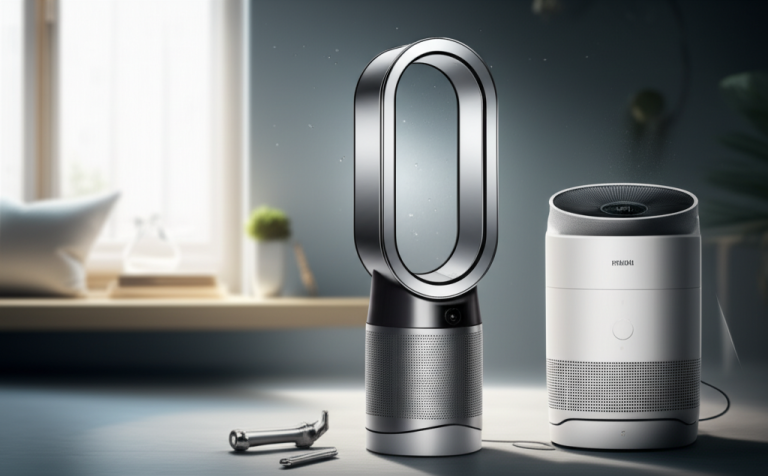
Best Air Purifier for Bacteria and Viruses: Essential Defense

The best air purifier for bacteria and viruses offers essential defense against airborne pathogens, ensuring a healthier home environment. Look for HEPA filtration, UV-C light, and activated carbon for comprehensive protection.
Best Air Purifier for Bacteria and Viruses: Your Essential Defense Against Airborne Threats
Breathing clean air is crucial for our health, yet invisible threats like bacteria and viruses constantly circulate in our homes. This can be a persistent worry, especially for families and those with compromised immune systems. Fortunately, investing in the right technology can significantly improve your indoor air quality. I’m here to guide you through finding the best air purifier for bacteria and viruses, offering a clear path to a safer, healthier living space.
Why Air Purifiers Are Key for Battling Bacteria and Viruses
Air purifiers act as a vital line of defense by actively removing airborne pathogens from your living spaces. They capture microscopic particles that can cause illness, contributing to a healthier environment. Understanding how they work is the first step in making an informed choice.
The Science Behind Airborne Pathogens and Air Purification

Bacteria and viruses are microscopic organisms that can become airborne through coughing, sneezing, or even just breathing. They can linger in the air for extended periods, posing a risk to anyone nearby. Air purifiers employ various technologies to trap and neutralize these harmful particles.
Common Sources of Airborne Bacteria and Viruses Indoors
Your home might be a breeding ground for these microscopic invaders without you even realizing it. Common sources include sick family members, pets, outdoor pollution that infiltrates your home, and even everyday activities like cooking. These contaminants can settle on surfaces and become re-aerosolized.
Key Features to Look for in an Air Purifier for Pathogen Defense
When searching for the best air purifier for bacteria and viruses, certain features are non-negotiable. These components work together to create a powerful barrier against airborne illnesses. Prioritizing these will ensure you get the most effective protection for your home.
HEPA Filtration: The Gold Standard for Particle Capture
High-Efficiency Particulate Air (HEPA) filters are designed to trap at least 99.97% of airborne particles 0.3 microns in size. This includes many bacteria and viruses, making HEPA filtration a cornerstone of any effective air purifier. They physically capture these tiny threats, preventing them from recirculating.
Activated Carbon Filters: Beyond Particles
While HEPA filters excel at capturing particles, activated carbon filters tackle gases, odors, and VOCs (Volatile Organic Compounds). These can often accompany bacteria and viruses or contribute to poor indoor air quality. A combined approach offers more comprehensive purification.
UV-C Light Technology: Neutralizing Microorganisms
Ultraviolet germicidal irradiation (UV-C) uses specific wavelengths of light to damage the DNA or RNA of microorganisms, rendering them inactive. When integrated into an air purifier, UV-C can offer an additional layer of defense against bacteria and viruses that pass through the unit. It’s a powerful germ-killing tool.
Ionizers and Ozone: A Word of Caution
Some air purifiers use ionizers to charge particles, causing them to clump and fall or stick to surfaces. While this can remove particles from the air, some ionizers can produce ozone as a byproduct, which is a lung irritant. It’s important to choose models that produce little to no ozone.
Top Air Purifier Technologies for Tackling Bacteria and Viruses
Different technologies offer unique benefits when it comes to combating airborne pathogens. Understanding these will help you choose the best air purifier for bacteria and viruses that suits your specific needs. Each method plays a crucial role in creating a healthier environment.
How HEPA Filters Eliminate Germs
True HEPA filters are meticulously engineered to capture even the smallest airborne particles. As air passes through the dense filter material, bacteria and viruses are physically trapped within its fibers. This process effectively removes them from the air you breathe.
The Role of Activated Carbon in Air Purification
Activated carbon filters are porous materials with a vast surface area, ideal for adsorbing gases and odors. While not directly targeting bacteria and viruses, they help eliminate volatile organic compounds (VOCs) and other airborne irritants that can exacerbate respiratory issues. This contributes to overall air freshness.
UV-C Light’s Germicidal Power Explained
UV-C light operates at a wavelength that disrupts the genetic material of viruses and bacteria. When air circulates through a purifier equipped with UV-C, these microorganisms are exposed to the light, effectively neutralizing their ability to reproduce and cause infection. It’s a proven method for disinfection.
Comparing Air Purifier Types for Pathogen Control
Not all air purifiers are created equal when it comes to fighting bacteria and viruses. Some types are inherently more effective due to their filtration and purification methods. Let’s explore the different categories to help you make the best choice.
Standalone HEPA Air Purifiers
These are the most common and often the most effective for particle removal. They rely solely on a HEPA filter to capture airborne contaminants, including a significant portion of bacteria and viruses. Their simplicity and effectiveness make them a popular choice.
Combined HEPA, Carbon, and UV-C Units
For the ultimate defense, consider units that combine HEPA filtration with activated carbon and UV-C light. This multi-stage approach tackles particles, gases, and actively neutralizes microorganisms. This comprehensive strategy offers the highest level of protection against a wide range of airborne threats.
Air Purifiers with Advanced Features
Some models incorporate additional features like photocatalytic oxidation (PCO) or plasma ionization. While these can be effective, it’s crucial to research their safety and ozone production. Always prioritize certified performance and transparent technology.
Top Picks: The Best Air Purifier for Bacteria and Viruses in [Current Year]
Based on performance, features, and user reviews, here are some of the best air purifiers for bacteria and viruses that consistently stand out. I’ve considered their ability to tackle airborne pathogens effectively and provide a healthier living environment.
Coway Airmega 200M: A Solid All-Rounder
The Coway Airmega 200M is renowned for its robust performance and user-friendly design. It features a multi-stage filtration system, including a true HEPA filter, which excels at capturing microscopic particles like bacteria and viruses. Its quiet operation and excellent air circulation make it ideal for bedrooms and living areas. This model is a great example of effective HEPA-based purification.
Blueair Blue Pure 211+ Auto: Simplicity and Power
Blueair’s HEPASilent technology combines electrostatic and mechanical filtration to capture up to 99.97% of airborne particles. The Blue Pure 211+ Auto is praised for its high CADR (Clean Air Delivery Rate) and ability to purify large rooms quickly. Its simple, one-button operation makes it incredibly easy to use, while still providing excellent protection against bacteria and viruses.
Levoit Core 300S: Compact and Effective
For smaller spaces or those on a budget, the Levoit Core 300S offers impressive performance. Its three-stage filtration system, including a True HEPA filter, effectively removes dust, allergens, bacteria, and viruses. The smart features and quiet sleep mode make it a convenient addition to any bedroom or home office.
Winix 5500-2: Advanced Filtration with PlasmaWave
The Winix 5500-2 is a popular choice due to its comprehensive filtration, including a True HEPA filter, activated carbon, and the PlasmaWave technology. While PlasmaWave can be turned off, it’s designed to break down airborne pollutants. It’s an excellent option for those seeking a multi-layered approach to air purification, significantly reducing airborne bacteria and viruses.
Factors to Consider When Choosing Your Air Purifier
Selecting the best air purifier for bacteria and viruses involves more than just looking at the brand name. Several practical factors will ensure you choose a unit that effectively meets your needs and fits seamlessly into your life.
Room Size and Coverage Area (CADR)
The Clean Air Delivery Rate (CADR) indicates how quickly an air purifier can clean a room of specific pollutants. Ensure the CADR rating is appropriate for the size of the room you intend to use it in. A higher CADR means faster purification.
Filter Replacement Costs and Frequency
Air purifiers require ongoing maintenance, primarily filter replacement. Factor in the cost and frequency of filter changes when making your purchase. Some filters last longer than others, impacting the long-term cost of ownership.
Noise Levels
Consider the noise level, especially if the purifier will be used in a bedroom or living area. Many models offer different fan speeds, with lower settings being quieter. Look for decibel (dB) ratings to gauge how much sound the unit produces.
Energy Efficiency
Air purifiers run for extended periods, so energy efficiency is an important consideration. Look for Energy Star certified models, which consume less electricity, saving you money on your energy bills over time.
Maintaining Your Air Purifier for Optimal Performance
To ensure your air purifier continues to provide the best defense against bacteria and viruses, regular maintenance is essential. Following these simple steps will keep your unit running efficiently.
Regular Filter Checks and Replacements
Always follow the manufacturer’s recommendations for filter replacement. A clogged filter significantly reduces the purifier’s effectiveness and can even lead to mold growth. Check filters visually for dust buildup.
Cleaning the Exterior and Interior
Periodically wipe down the exterior of your air purifier with a damp cloth. The interior components, especially pre-filters and fan blades, may require occasional dusting or vacuuming to prevent dust accumulation.
Understanding Filter Lifespans
Different filter types have varying lifespans. HEPA filters typically last 6-12 months, while activated carbon filters might need replacing more frequently. Consult your user manual for specific guidance.
FAQ: Your Questions About Air Purifiers for Bacteria and Viruses Answered
Here are some common questions I receive about using air purifiers to combat bacteria and viruses. I hope these answers provide clarity and confidence in your decision.
Can air purifiers actually kill bacteria and viruses?
Yes, air purifiers equipped with technologies like UV-C light can neutralize bacteria and viruses by damaging their genetic material. HEPA filters also physically capture a vast majority of these airborne pathogens.
How do I know if an air purifier is effective against viruses?
Look for certifications like AHAM Verified for CADR ratings and check if the unit uses a true HEPA filter. For additional germicidal action, models with UV-C light are beneficial.
How often should I run my air purifier?
For continuous protection against bacteria and viruses, it’s best to run your air purifier 24/7, especially in high-traffic areas or when someone in the household is unwell.
What’s the difference between an air purifier and an air filter?
An air filter is typically a component within an HVAC system that traps particles. An air purifier is a standalone appliance designed to actively clean the air in a room using various filtration and purification technologies.
Are air purifiers with ionizers safe?
While ionizers can help remove particles, some models can produce ozone, which is a lung irritant. It’s best to choose purifiers with minimal or no ozone production, or models where the ionizer can be turned off.
Can an air purifier help with allergies and asthma as well?
Absolutely. The HEPA filtration in most air purifiers is excellent at removing common allergens like dust mites, pollen, and pet dander, which can significantly improve symptoms for allergy and asthma sufferers.
Conclusion: Breathe Easier with the Best Air Purifier for Bacteria and Viruses
Investing in the best air purifier for bacteria and viruses is a proactive step towards safeguarding your health and the well-being of your loved ones. By understanding the technologies involved, from HEPA filtration to UV-C light, you can make an informed decision that provides essential defense against airborne pathogens. Prioritize units with true HEPA filters and consider those with additional germicidal features for comprehensive protection. Remember to maintain your chosen purifier by regularly checking and replacing filters to ensure optimal performance. With the right air purifier, you can create a cleaner, healthier indoor environment and breathe with greater peace of mind.