
Best Air Purifier for Allergic Rhinitis: Proven Relief

Find proven relief from allergic rhinitis with the best air purifier. Discover how to choose a model that effectively removes allergens, improves air quality, and helps you breathe easier, transforming your home into a sanctuary from sniffles and sneezes.
Breathing freely indoors shouldn’t be a luxury, especially when allergic rhinitis makes everyday life a challenge. Sneezing fits, itchy eyes, and a constantly stuffy nose can significantly impact your well-being. Fortunately, the right air purifier can act as your personal allergen shield. This guide will walk you through selecting the best air purifier for allergic rhinitis, ensuring you find a solution that brings lasting comfort and proven relief.
What is Allergic Rhinitis and How Can an Air Purifier Help?
Allergic rhinitis, commonly known as hay fever, is an allergic reaction to airborne particles like pollen, dust mites, pet dander, and mold spores. These allergens trigger inflammation in the nasal passages, leading to uncomfortable symptoms. An air purifier works by actively drawing in air, filtering out these microscopic irritants, and releasing cleaner air back into your living space. This process significantly reduces the concentration of allergens, offering a tangible solution for symptom management.
Key Features to Look for in the Best Air Purifier for Allergic Rhinitis
When choosing an air purifier for allergic rhinitis, specific features are paramount for effective allergen removal. Prioritizing these will ensure you invest in a device that truly makes a difference in your home environment.
HEPA Filtration: The Gold Standard for Allergen Removal
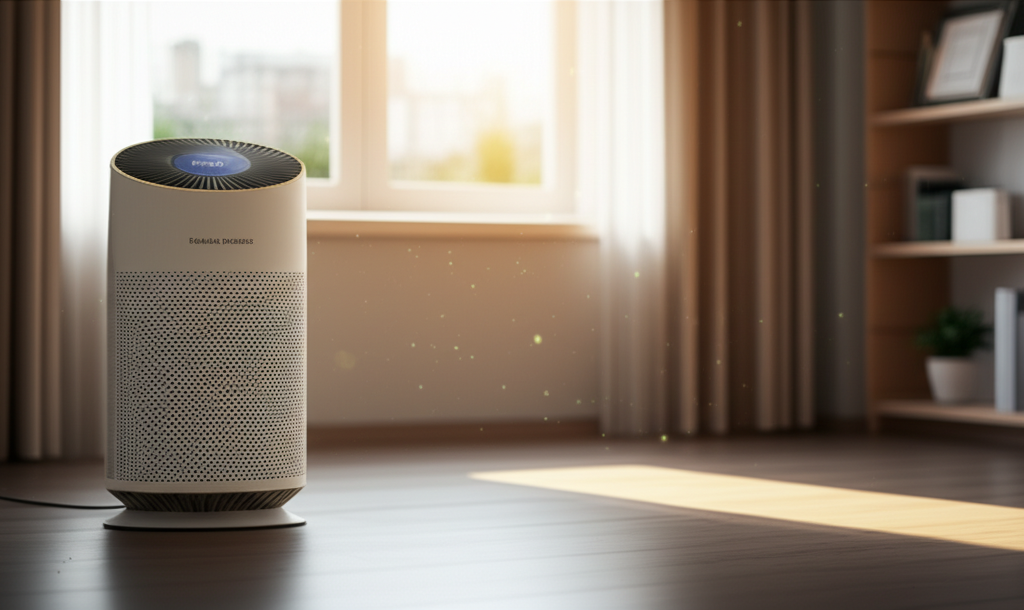
A High-Efficiency Particulate Air (HEPA) filter is non-negotiable for anyone suffering from allergic rhinitis. True HEPA filters are certified to capture at least 99.97% of airborne particles as small as 0.3 microns. This includes common allergens like pollen, dust mite debris, pet dander, and mold spores, which are the primary triggers for your symptoms.
Activated Carbon Filters for Odor and VOCs
Beyond particulate matter, many air purifiers include activated carbon filters. These are crucial for adsorbing odors, gases, and Volatile Organic Compounds (VOCs) that can exacerbate respiratory issues or simply make your home smell unpleasant. For those with multiple sensitivities, this layer adds significant value to the purification process.
CADR Ratings: Measuring Cleaning Power
The Clean Air Delivery Rate (CADR) indicates how quickly an air purifier can clean a room of specific pollutants like smoke, dust, and pollen. Higher CADR ratings mean faster and more effective air cleaning. It’s essential to match the CADR rating to the size of the room you intend to use the purifier in for optimal performance.
Room Size Coverage: Finding the Right Fit
Air purifiers are rated for specific room sizes, usually measured in square feet. It’s vital to choose a unit that is appropriately sized for your bedroom, living room, or any area where you spend significant time. Oversizing is generally better than undersizing, as it allows the unit to work less intensely and more efficiently.
Noise Levels: Ensuring Peaceful Sleep and Relaxation
For allergy sufferers, especially those using purifiers in their bedrooms, noise level is a critical consideration. Look for models with low decibel ratings, particularly on their lower settings, which are ideal for overnight use. Many units offer a “sleep mode” that dims lights and reduces fan speed for quieter operation.
Smart Features and Connectivity: Convenience and Control
Modern air purifiers often come with smart features like app control, scheduling, and air quality sensors. These allow you to monitor your home’s air quality remotely, adjust settings, and automate purification cycles, providing a seamless and convenient experience. These features can be particularly helpful for managing symptoms proactively.
Top Air Purifier Recommendations for Allergic Rhinitis
Based on expert reviews and user feedback, here are some of the top air purifiers that excel in tackling allergens and providing relief for allergic rhinitis. Each offers a robust combination of filtration, performance, and user-friendly features.
Coway Airmega 200M: A Powerful All-Rounder
The Coway Airmega 200M is frequently cited as a top performer due to its exceptional HEPA filtration and effective coverage for medium to large rooms. Its real-time air quality monitoring and automatic mode adjust fan speed based on detected pollution levels, ensuring continuous allergen removal. Its durable design and quiet operation make it a favorite for bedrooms.
Blueair Classic 480i: Superior Performance with Smart Technology
Blueair’s HEPASilent™ technology combines electrostatic and mechanical filtration for superior particle capture. The Classic 480i is ideal for larger spaces and boasts impressive energy efficiency. Its integrated air quality sensor and Wi-Fi connectivity allow for remote control and monitoring via the Blueair app, providing smart allergen management.
Levoit Core 300S: Compact Powerhouse for Smaller Spaces
For smaller rooms or dormitories, the Levoit Core 300S is an excellent choice. It features a 3-stage filtration system, including a True HEPA filter, and offers quiet operation with a low noise level on its lowest setting. Its compact size and modern design make it a discreet yet effective solution for personal spaces.
Winix 5500-2: Advanced Filtration and Odor Control
The Winix 5500-2 is a popular choice for its comprehensive filtration, which includes a True HEPA filter, an activated carbon filter, and PlasmaWave™ technology. PlasmaWave™ is an optional feature that creates hydroxyls to neutralize airborne viruses, bacteria, and odors. It’s particularly effective in homes with pets or strong odors.
Honeywell HPA300: Reliable and Robust for Larger Areas
The Honeywell HPA300 is a workhorse designed for larger rooms, capable of circulating and filtering air multiple times an hour. It features a highly effective HEPA filter and an activated carbon pre-filter to capture larger particles and odors. Its simple, intuitive controls make it easy to operate, and it offers robust performance for its price point.
Understanding Filter Replacement and Maintenance
To ensure your air purifier continues to provide effective relief for allergic rhinitis, regular maintenance and timely filter replacement are crucial. Neglecting this can significantly reduce the unit’s performance and even lead to the re-release of trapped allergens.
When to Replace Your HEPA and Carbon Filters
HEPA filters typically need replacement every 6 to 12 months, depending on usage and the level of allergens in your environment. Activated carbon filters may require replacement more frequently, often every 3 to 6 months, as they become saturated with odors and gases. Always consult your air purifier’s manual for specific recommendations.
Cleaning Your Pre-Filters and Unit
Most air purifiers have washable pre-filters that capture larger particles like hair and lint. Cleaning these pre-filters every 2-4 weeks can extend the life of your main HEPA filter and improve overall efficiency. Gently vacuuming or washing them with mild soap and water is usually sufficient.
How to Maximize the Effectiveness of Your Air Purifier
Simply purchasing a high-quality air purifier is only the first step. Strategic placement and consistent use are key to maximizing its benefits for your allergic rhinitis symptoms.
Strategic Placement in Your Home
Place your air purifier in the room where you spend the most time, typically your bedroom or living area. Ensure there is adequate space around the unit for unobstructed air intake and exhaust. Avoid placing it in corners or directly against walls, as this can impede airflow.
Running Your Air Purifier Consistently
For continuous relief from allergens, it’s best to run your air purifier 24/7, especially during peak allergy seasons. Using the automatic mode or a consistent fan setting ensures that allergens are constantly being removed from the air, preventing them from accumulating and triggering your symptoms.
Using Your Air Purifier During High Allergen Periods
During times of high pollen counts or when you know allergens are prevalent (e.g., after opening windows on a windy day, during pet shedding seasons), increasing the fan speed or ensuring your purifier is running on its highest setting can provide immediate relief. This proactive approach can significantly minimize symptom flare-ups.
Air Purifiers vs. Other Allergy Relief Methods
While air purifiers are a powerful tool, they work best as part of a comprehensive allergy management strategy. Understanding how they complement other methods can lead to more holistic relief.
Complementing Other Allergy Treatments
An air purifier reduces the allergen load in your home, making other treatments like medication or nasal sprays more effective. By minimizing exposure to triggers, your body may have a reduced inflammatory response, allowing other therapies to work more efficiently.
When to Consult a Doctor
If your allergic rhinitis symptoms are severe, persistent, or significantly impacting your quality of life despite using an air purifier and other remedies, it’s essential to consult an allergist or healthcare professional. They can help identify specific triggers and recommend a personalized treatment plan. You can find valuable information on managing allergies from the American Academy of Allergy, Asthma & Immunology.
Frequently Asked Questions About Air Purifiers for Allergic Rhinitis
What type of filter is best for allergies?
A True HEPA filter is the most effective type of filter for allergies, as it captures at least 99.97% of airborne particles down to 0.3 microns, including pollen, dust mites, and pet dander.
How large of an air purifier do I need?
You need an air purifier rated for the square footage of the room you intend to use it in. It’s often better to choose a unit rated for a slightly larger room than your actual space for optimal performance.
Can an air purifier cure allergic rhinitis?
No, an air purifier cannot cure allergic rhinitis, but it can significantly reduce symptoms by removing allergens from the air, providing substantial relief and improving indoor air quality.
How often should I replace the filters?
HEPA filters typically last 6-12 months, while activated carbon filters may need replacement every 3-6 months, depending on usage and air quality. Always check your manufacturer’s recommendations.
Is it okay to run an air purifier all day?
Yes, it is generally recommended to run an air purifier continuously, especially during allergy season, to maintain consistently clean air and minimize allergen exposure.
Conclusion: Breathe Easier with the Right Air Purifier
Choosing the best air purifier for allergic rhinitis is a significant step towards reclaiming comfort in your home. By prioritizing HEPA filtration, appropriate room coverage, and essential maintenance, you can effectively combat airborne allergens and significantly reduce the impact of your symptoms. Investing in a quality air purifier is investing in your health and well-being, paving the way for a life with fewer sneezes and more peaceful breaths. Make an informed choice today and experience the proven relief you deserve.
