
Automatic Pool Cleaner Vacuum: Essential, Effortless Cleaning

Automatic Pool Cleaner Vacuum: Essential, Effortless Cleaning for a Pristine Pool
Keep your pool sparkling clean with an automatic pool cleaner vacuum. This essential device automates the tedious task of cleaning, saving you time and effort. Enjoy more relaxation and less maintenance with this effortless solution for a pristine swimming experience.
Swimming pools are a fantastic way to relax and have fun. But keeping them clean can be a big chore. Leaves, dirt, and debris can quickly make your pool look messy. This is where an automatic pool cleaner vacuum becomes a true lifesaver. It takes the hard work out of pool maintenance. I know how frustrating it is to spend hours scrubbing and vacuuming. That’s why I’m here to guide you through everything you need to know about these amazing machines.
Why an Automatic Pool Cleaner Vacuum is a Must-Have
An automatic pool cleaner vacuum is more than just a convenience; it’s a smart investment for any pool owner. These devices significantly reduce the manual labor required to keep your pool clean and inviting. Imagine spending less time cleaning and more time enjoying your pool. This is the promise of an automatic pool cleaner vacuum.
The Problem with Manual Pool Cleaning
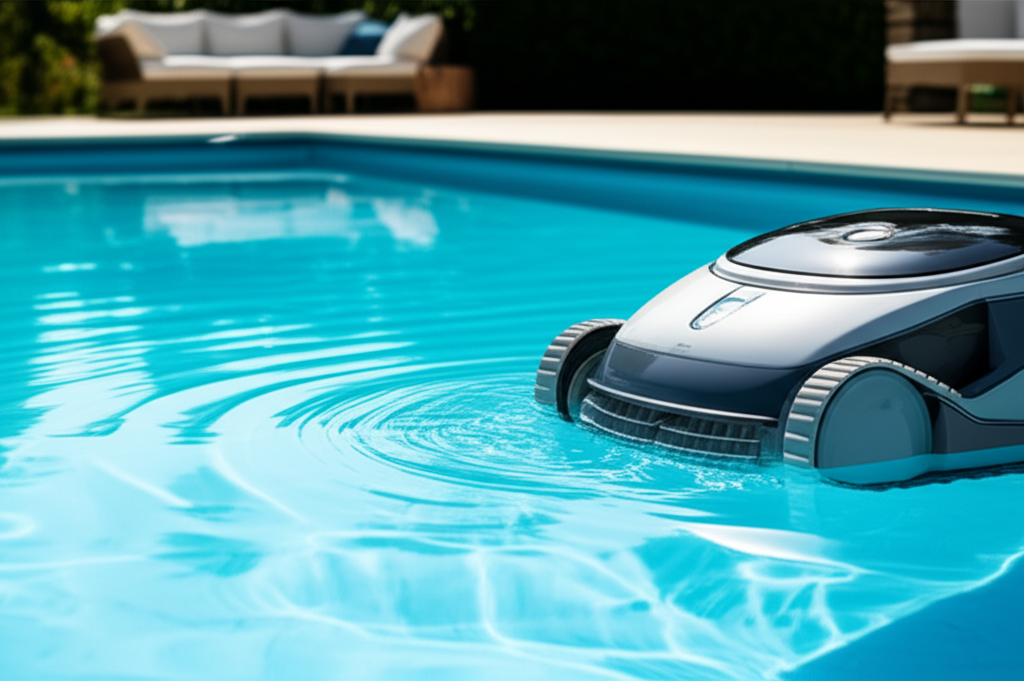
Manually cleaning a pool is time-consuming and physically demanding. You have to brush the walls, scrub the floor, and often drag a heavy vacuum hose. This takes away precious time you could be spending relaxing or with family. It’s a recurring task that often feels like a never-ending battle against dirt and debris.
How Automatic Pool Cleaners Work
Automatic pool cleaner vacuums work by connecting to your pool’s filtration system or having their own. They move around the pool floor, and some even climb walls, sucking up debris into a filter bag or the pool’s main filter. This automated process ensures consistent cleaning without your intervention. They use smart navigation or simple random patterns to cover the entire pool surface.
Types of Automatic Pool Cleaners
There are several types of automatic pool cleaner vacuums, each with its own way of cleaning. Understanding these differences helps you choose the best fit for your pool and needs. Each type offers a different level of automation and cleaning power.
Suction-Side Pool Cleaners
These are the most basic and often the most affordable automatic pool cleaner vacuums. They attach to your skimmer and use the pool pump’s suction to move around. Debris is collected in the skimmer basket or a separate filter bag. They are simple to set up but can sometimes clog the skimmer.
Pressure-Side Pool Cleaners
Pressure-side cleaners use the return pressure from your pool’s pump to move. They often have their own debris bag. These cleaners typically don’t clog the skimmer and can be more efficient at picking up larger debris. They usually require a dedicated return line or a booster pump.
Robotic Pool Cleaners
Robotic automatic pool cleaner vacuums are the most advanced option. They are self-contained units with their own motor, filter, and sometimes even a programmable timer. They plug into a GFCI outlet and do not rely on your pool pump. Robotic cleaners offer the most thorough cleaning, often scrubbing floors and walls. They are the top choice for effortless, deep cleaning.
Key Features to Look For in an Automatic Pool Cleaner Vacuum
When choosing an automatic pool cleaner vacuum, several features can make a big difference. Think about your pool type, size, and the kind of debris you usually deal with. These features ensure you get the most effective and convenient cleaning solution.
Cleaning Path and Coverage
Some automatic pool cleaner vacuums are designed to clean only the pool floor. Others can climb walls and even clean the waterline. For a truly effortless clean, consider one that can reach all surfaces. This ensures no spot is missed.
Filtration System
Look at how the automatic pool cleaner vacuum collects debris. Some use a fine mesh bag, while others filter through your pool’s main system. Robotic cleaners often have their own internal filters that are easy to clean. A good filtration system prevents clogs and keeps your water clear.
Ease of Use and Maintenance
An automatic pool cleaner vacuum should be easy to set up and maintain. Consider how simple it is to clean the filter or debris bag. Robotic models often require less frequent maintenance than suction or pressure cleaners. User-friendliness is key to effortless operation.
Cord Length and Swivel
For robotic automatic pool cleaner vacuums, the cord length is important. Ensure it’s long enough to reach all corners of your pool. A swivel cord prevents tangling, which is a common annoyance. This feature ensures the cleaner can move freely.
The Benefits of Using an Automatic Pool Cleaner Vacuum
The advantages of an automatic pool cleaner vacuum extend beyond just saving time. They contribute to a healthier swimming environment and can even save you money in the long run. The benefits make it an indispensable tool for pool owners.
Time Savings
This is perhaps the biggest benefit of an automatic pool cleaner vacuum. Instead of spending hours cleaning each week, you can let the robot do the work. This frees up your weekends for more enjoyable activities. It truly transforms pool ownership from a chore into a pleasure.
Improved Water Quality
Consistent cleaning means cleaner water. An automatic pool cleaner vacuum removes debris before it can break down and affect water chemistry. This can lead to fewer chemicals needed and clearer, healthier water. It helps maintain optimal water balance.
Reduced Wear on Pool Equipment
By collecting debris, an automatic pool cleaner vacuum reduces the strain on your pool’s filtration system. This can extend the life of your pump and filter. Less debris means your main filter doesn’t have to work as hard. This saves on potential repair costs.
Enhanced Pool Appearance
A clean pool is always more inviting. An automatic pool cleaner vacuum keeps your pool looking its best, free from unsightly leaves and dirt. This makes your backyard a more beautiful and enjoyable space. It enhances your home’s curb appeal.
Choosing the Right Automatic Pool Cleaner Vacuum for Your Needs
Selecting the perfect automatic pool cleaner vacuum depends on your specific pool setup and budget. I’ve found that considering a few key factors can narrow down your choices effectively. This ensures you invest in a cleaner that truly meets your expectations.
Pool Size and Shape
Larger or unusually shaped pools might require more powerful or maneuverable automatic pool cleaner vacuums. Some cleaners are better suited for in-ground pools, while others work well for above-ground models. Always check the manufacturer’s recommendations for pool compatibility. This prevents buying a unit that won’t perform optimally.
Type of Debris
If you have many trees around your pool, you’ll likely deal with lots of leaves and small twigs. In this case, a robust automatic pool cleaner vacuum with a large debris capacity is essential. For smaller particles, a finer filtration system is more important. Match the cleaner’s capabilities to the debris you encounter.
Budget Considerations
Automatic pool cleaner vacuums range in price from a few hundred to over a thousand dollars. While robotic cleaners are often the most expensive, their performance and convenience can justify the cost. Consider the long-term benefits and durability when setting your budget. A slightly higher upfront cost can mean lower maintenance and better results.
Top-Rated Automatic Pool Cleaner Vacuums on the Market
Based on user reviews and expert testing, some automatic pool cleaner vacuums consistently stand out. These models offer excellent performance, durability, and ease of use. I recommend looking into these well-regarded options when you’re ready to buy.
Here’s a comparison of popular types:
| Cleaner Type | Typical Price Range | Best For | Key Features |
| :—————— | :—————— | :————————————– | :———————————————— |
| Suction-Side | $200 – $500 | Small to medium pools, budget-conscious | Simple operation, uses pool pump suction |
| Pressure-Side | $400 – $800 | Larger pools, leaf removal | Independent debris bag, good for larger debris |
| Robotic Pool Cleaner | $700 – $1500+ | All pool types, deep cleaning, automation | Self-contained, scrubs floors/walls, energy efficient |
Note: Prices are approximate and can vary based on retailer and model.
Installation and Setup of Your Automatic Pool Cleaner Vacuum
Setting up your new automatic pool cleaner vacuum is usually straightforward. Most units come with clear instructions. Following these steps carefully ensures your cleaner operates efficiently from the start. I always recommend reading the manual thoroughly before beginning.
For Robotic Cleaners
Robotic automatic pool cleaner vacuums are the easiest to set up. You simply plug the power supply into a GFCI outlet, connect the cleaner’s cord, and place the unit in the pool. The cleaner will then begin its cycle. Some models allow for remote control or scheduling via an app.
For Suction and Pressure Cleaners
These automatic pool cleaner vacuums connect to your pool’s skimmer or a dedicated return line. You’ll need to attach the hose and ensure a proper seal. For pressure cleaners, you might need to install a booster pump. Proper connection is crucial for optimal suction or pressure.
Maintenance Tips for Longevity
To get the most out of your automatic pool cleaner vacuum, regular maintenance is key. This ensures it runs smoothly and effectively for years to come. Simple care can prevent costly repairs and keep your cleaner working like new. Treating your cleaner well is like treating your pool right.
Cleaning the Filter or Debris Bag
After each use, or as recommended by the manufacturer, empty and clean the filter bag or canister. This is crucial for maintaining suction power and preventing the cleaner from getting overloaded. Rinse it thoroughly to remove all debris. A clean filter means a cleaner pool.
Checking for Wear and Tear
Periodically inspect the cleaner’s brushes, tracks, or wheels for signs of wear. Check the power cord for any damage. Replacing worn parts promptly can prevent more significant issues. This proactive approach saves you hassle down the line.
Storing Your Cleaner
When not in use, store your automatic pool cleaner vacuum in a cool, dry place, away from direct sunlight. This protects it from extreme temperatures and UV damage. Proper storage extends its lifespan significantly. Keep it safe when it’s not working for you.
Troubleshooting Common Issues with Automatic Pool Cleaners
Even the best automatic pool cleaner vacuums can sometimes encounter problems. Most issues are minor and can be resolved with a few simple steps. Knowing how to troubleshoot saves you time and the need for a service call. I’ve found that many problems have straightforward solutions.
Cleaner Not Moving
If your automatic pool cleaner vacuum isn’t moving, check the power supply and connections. For suction cleaners, ensure the hose isn’t blocked or kinked. For robotic cleaners, check if the impeller is clear of debris. A simple obstruction is often the culprit.
Poor Cleaning Performance
If the cleaner isn’t picking up debris effectively, the filter might be full. Empty and clean it. Also, ensure the cleaner is properly sized for your pool. An undersized or overloaded cleaner will struggle to keep up. Check for any leaks in the hose for suction cleaners.
Cleaner Getting Stuck
Sometimes automatic pool cleaner vacuums can get stuck on drains or ladders. Many robotic cleaners have anti-stuck features. For other types, you might need to adjust the hose length or weight. Observing the cleaner’s pattern can help identify recurring sticking points.
The Future of Pool Cleaning Technology
The world of automatic pool cleaner vacuums is constantly advancing. We’re seeing smarter navigation systems, more energy-efficient designs, and even app-controlled features. The future promises even more effortless and effective pool maintenance. These innovations make pool ownership easier than ever before.
The integration of AI in automatic pool cleaner vacuums is also on the horizon. This could lead to cleaners that learn your pool’s layout and adapt their cleaning patterns for maximum efficiency. Imagine a cleaner that knows the best route to tackle debris. This technology aims to provide a truly hands-off experience.
Conclusion: Enjoy a Pristine Pool with Minimal Effort
An automatic pool cleaner vacuum is an essential tool for any pool owner seeking effortless maintenance. It saves you valuable time and effort, ensuring your pool is always clean and inviting. From basic suction models to advanced robotic cleaners, there’s an option to suit every need and budget. Investing in an automatic pool cleaner vacuum means investing in more relaxation and less work. Make the smart choice today and enjoy a consistently beautiful pool.
Frequently Asked Questions About Automatic Pool Cleaner Vacuums
What is an automatic pool cleaner vacuum?
An automatic pool cleaner vacuum is a device designed to clean your swimming pool automatically. It moves around the pool, vacuuming up debris like leaves, dirt, and sand without manual intervention.
How often should I run my automatic pool cleaner vacuum?
You should run your automatic pool cleaner vacuum as often as needed to keep your pool clean. For most pools, running it 2-3 times a week is sufficient. If you have many trees, you might need to run it daily.
Do automatic pool cleaner vacuums work on all pool surfaces?
Most automatic pool cleaner vacuums work on common pool surfaces like vinyl, plaster, and fiberglass. However, always check the product specifications to ensure compatibility with your specific pool surface.
Are robotic pool cleaners worth the cost?
Yes, robotic automatic pool cleaner vacuums are often worth the higher cost due to their superior cleaning performance, energy efficiency, and ease of use. They offer a truly hands-off cleaning experience.
How long do automatic pool cleaner vacuums last?
With proper maintenance, an automatic pool cleaner vacuum can last anywhere from 3 to 7 years. Robotic cleaners, due to their robust build, often have a longer lifespan.
Can an automatic pool cleaner vacuum clean my pool walls?
Some automatic pool cleaner vacuums, particularly robotic models, are designed to climb walls and clean the waterline. Suction and pressure cleaners typically only clean the pool floor.
What maintenance do automatic pool cleaner vacuums require?
Maintenance usually involves cleaning the debris bag or filter after each use. You should also periodically check for wear and tear on the unit and its components.

