
Are Philips Air Purifier Good? Essential Health

Yes, Philips air purifiers are generally considered good for essential health, offering effective air purification with advanced features and a strong reputation for quality and innovation in home air care.
Are Philips air purifiers good? This is a question many of us ask when looking to improve our home’s air quality. With so many options available, it’s natural to seek reliable information. I understand the concern about breathing cleaner air, especially with allergies or respiratory sensitivities. This guide will delve into what makes Philips air purifiers stand out, helping you make an informed decision for your family’s well-being.
Philips Air Purifiers: A Deep Dive into Performance
Philips air purifiers are designed to tackle a wide range of airborne pollutants, from dust and pet dander to allergens and even microscopic particles like viruses and bacteria. Their multi-stage filtration systems are a key reason for their effectiveness.
Key Takeaway: Philips air purifiers utilize advanced filtration to capture a broad spectrum of indoor air pollutants.
Understanding Philips’ Filtration Technology
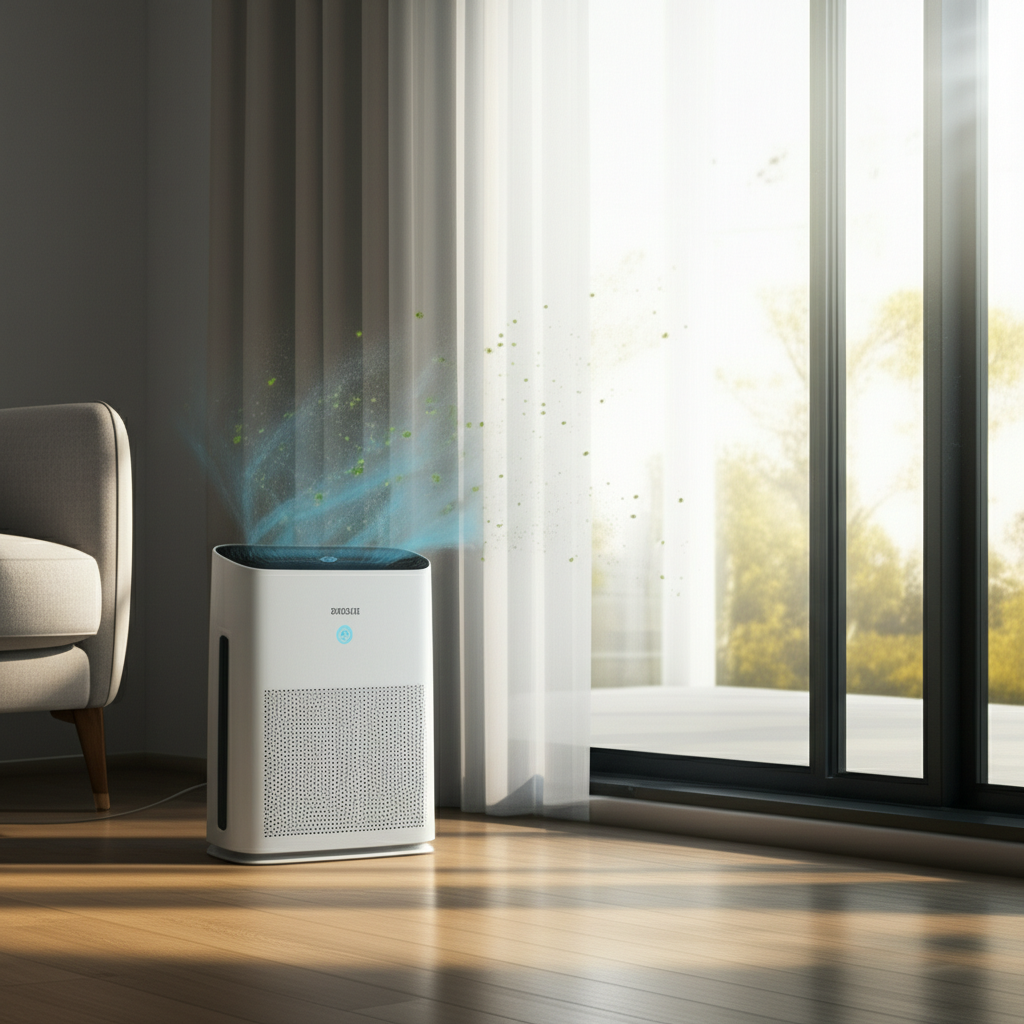
At the heart of every Philips air purifier is its sophisticated filtration system, typically comprising a pre-filter, an activated carbon filter, and a HEPA (High-Efficiency Particulate Air) filter. This layered approach ensures comprehensive air cleaning.
Key Takeaway: The combination of pre-filter, activated carbon, and HEPA filters provides robust protection against common air contaminants.
The Role of the Pre-Filter
The pre-filter is the first line of defense, capturing larger particles like dust, hair, and lint. This protects the subsequent filters from premature clogging, extending their lifespan and maintaining optimal performance.
Key Takeaway: The pre-filter effectively removes larger airborne debris, safeguarding the more sensitive filters.
Activated Carbon for Odors and Gases
The activated carbon filter is crucial for adsorbing volatile organic compounds (VOCs), gases, and odors from cooking, pets, and household chemicals. It chemically binds these pollutants, preventing them from recirculating in your home.
Key Takeaway: Activated carbon filters are essential for neutralizing unpleasant smells and harmful gases.
HEPA Filtration: The Allergen and Particle Specialist
Philips air purifiers often feature True HEPA filters, which are certified to capture at least 99.97% of airborne particles as small as 0.3 microns. This includes common allergens like pollen, dust mites, mold spores, and even some bacteria and viruses.
Key Takeaway: True HEPA filters are highly effective at trapping microscopic allergens and fine particulate matter.
Are Philips Air Purifiers Good for Allergies?
For individuals suffering from allergies, Philips air purifiers can be a game-changer. By removing common allergens from the air, they can significantly reduce symptoms like sneezing, itchy eyes, and nasal congestion, promoting a more comfortable living environment.
Key Takeaway: Philips air purifiers excel at removing allergens, offering relief to allergy sufferers.
Philips Air Purifier Features for Allergy Relief
Many Philips models include specialized modes or sensors that detect allergen levels, automatically adjusting fan speed to combat them. Features like VitaShield IPS technology are specifically designed to capture ultra-fine particles that trigger allergic reactions.
Key Takeaway: Smart features and advanced technologies in Philips purifiers enhance their effectiveness against allergens.
Philips Air Purifier Performance and CADR Ratings
When evaluating an air purifier, the Clean Air Delivery Rate (CADR) is a critical metric. It indicates how quickly the unit can clean a room of specific pollutants like smoke, dust, and pollen. Philips models generally boast impressive CADR ratings, signifying their efficiency.
Key Takeaway: High CADR ratings on Philips air purifiers confirm their rapid and effective air cleaning capabilities.
Understanding CADR and Room Size
A higher CADR means the purifier can clean a larger volume of air more efficiently. Philips provides CADR information for their units, allowing you to match the purifier’s capacity to your room size for optimal performance.
Key Takeaway: Matching the CADR of a Philips air purifier to your room size ensures effective air purification.
Smart Features and Connectivity
Modern Philips air purifiers often come equipped with smart features, including app connectivity. This allows for remote control, real-time air quality monitoring, and personalized settings, adding convenience and enhancing the user experience.
Key Takeaway: Smart connectivity in Philips air purifiers offers convenient control and detailed air quality insights.
The Philips Air+ App
The Philips Air+ app provides a user-friendly interface to manage your purifier. You can check filter status, adjust settings, and receive alerts about indoor and outdoor air quality, empowering you to maintain a healthy home environment.
Key Takeaway: The Philips Air+ app enhances control and provides valuable air quality data for better home health management.
Philips Air Purifier Models and Their Strengths
Philips offers a diverse range of air purifiers, from compact units for bedrooms to powerful models for larger living spaces. Each series is designed with specific needs in mind, ensuring there’s a Philips purifier for almost every household.
Key Takeaway: Philips provides a variety of models to suit different room sizes and air purification needs.
Popular Philips Air Purifier Series
Series like the 1000, 2000, and 3000 are well-regarded. For instance, the 2000i series often features advanced sensors and app connectivity, while the 1000 series offers a more budget-friendly yet effective solution for smaller spaces.
Key Takeaway: Different Philips series cater to varying budgets and performance requirements, ensuring a suitable option for most users.
Philips Air Purifier Maintenance and Filter Replacement
Like any appliance, Philips air purifiers require maintenance to function optimally. This primarily involves cleaning the pre-filter and replacing the activated carbon and HEPA filters at recommended intervals.
Key Takeaway: Regular maintenance, including filter replacement, is crucial for sustained performance of Philips air purifiers.
Filter Lifespan and Replacement Costs
Filter lifespans vary depending on usage and air quality, but typically range from 6 months to 2 years. While filter replacement is an ongoing cost, it’s essential for maintaining the purifier’s effectiveness. Philips often provides clear indicators when filters need attention.
Key Takeaway: Factor in filter replacement costs and follow manufacturer guidelines for optimal purifier function.
Are Philips Air Purifiers Good Value for Money?
Considering their robust performance, advanced features, and the reputable brand name, Philips air purifiers generally offer good value. They are an investment in your health and well-being, providing tangible benefits for indoor air quality.
Key Takeaway: Philips air purifiers represent a worthwhile investment due to their performance and health benefits.
Comparing Philips to Competitors
When compared to other leading brands like Dyson, Coway, and Blueair, Philips often stands out for its balanced approach to performance, features, and price. While some competitors might offer niche features, Philips provides a consistently strong all-around experience.
Key Takeaway: Philips offers a competitive edge in the air purifier market through a blend of performance, features, and value.
User Reviews and Expert Opinions
User reviews for Philips air purifiers are largely positive, with many praising their quiet operation, effectiveness in reducing allergens, and ease of use. Experts often highlight their reliable filtration technology and smart features.
Key Takeaway: Positive user feedback and expert endorsements confirm the efficacy and reliability of Philips air purifiers.
What Users Say About Philips Air Purifiers
Many users report significant improvements in sleep quality, reduced allergy symptoms, and a fresher-smelling home after using Philips air purifiers. The intuitive controls and quiet operation are frequently mentioned as highlights.
Key Takeaway: Users frequently report tangible health benefits and improved home comfort with Philips air purifiers.
Are Philips Air Purifiers Good for Specific Health Concerns?
Philips air purifiers are particularly beneficial for individuals with asthma, allergies, or other respiratory sensitivities. Their ability to remove fine particles, allergens, and VOCs can create a healthier indoor environment, easing symptoms and improving overall respiratory health.
Key Takeaway: Philips air purifiers are highly effective in mitigating symptoms for individuals with respiratory health conditions.
Philips and Asthma Management
By consistently removing airborne irritants like dust, pollen, and pet dander, Philips air purifiers can play a supportive role in asthma management. Cleaner air reduces the triggers that can lead to asthma attacks, promoting better breathing.
Key Takeaway: Philips air purifiers contribute to better asthma management by reducing exposure to airborne triggers.
Frequently Asked Questions (FAQ)
Are Philips air purifiers energy efficient?
Yes, many Philips air purifiers are designed with energy efficiency in mind, often featuring low-wattage motors and eco-modes to minimize power consumption. Always check the product specifications for detailed energy usage information.
How often should I replace the filters in a Philips air purifier?
Filter replacement frequency depends on the model and usage, but typically HEPA and activated carbon filters need replacement every 6 to 12 months. The pre-filter should be cleaned regularly. Your Philips air purifier will usually indicate when filters need attention.
Can Philips air purifiers remove odors from pets?
Absolutely. The activated carbon filter in Philips air purifiers is highly effective at adsorbing pet odors and other household smells, leaving your home smelling fresher.
Are Philips air purifiers noisy?
Philips air purifiers are generally designed for quiet operation, especially on lower fan speeds. Many models feature a sleep mode that further reduces noise levels for undisturbed rest.
Do Philips air purifiers kill viruses and bacteria?
While HEPA filters capture a significant percentage of airborne viruses and bacteria, they don’t actively kill them. However, by removing them from the air, they reduce the risk of transmission within your home.
Which Philips air purifier is best for a large room?
For larger rooms, consider models from Philips’ higher series, such as the 2000i or 3000i series, which typically have higher CADR ratings and are designed to cover larger square footage effectively.
Conclusion: A Reliable Choice for Healthier Air
So, are Philips air purifiers good? Based on their advanced multi-stage filtration, effective allergen and pollutant removal, smart features, and positive user feedback, the answer is a resounding yes. They are a reliable and valuable investment for anyone looking to improve their indoor air quality and support essential health. By choosing a Philips air purifier, you’re opting for a product designed with your well-being in mind, offering peace of mind and a breath of fresher air.
