Are Miko Air Purifiers Good? Essential Clean Air

Miko air purifiers are generally considered good for essential clean air, offering effective filtration for common pollutants in a user-friendly package. They balance performance with affordability, making them a solid choice for many households seeking improved indoor air quality.
Are Miko Air Purifiers Good? Essential Clean Air
Breathing clean air at home is more than just a preference; it’s a cornerstone of our well-being. Yet, many of us grapple with invisible airborne particles like dust, pollen, pet dander, and even odors that can impact our health and comfort. If you’re exploring options to improve your indoor environment, you might be wondering, “Are Miko air purifiers good?” This guide will delve into what makes Miko a contender in the air purification market, helping you make an informed decision for your essential clean air needs. We’ll explore their features, benefits, and where they stand in the competitive landscape.
Understanding the Need for Air Purification
Indoor air can be significantly more polluted than outdoor air, often by a factor of two to five times. This is due to a variety of sources, including cooking, cleaning products, furniture off-gassing, and the simple presence of people and pets. Addressing these pollutants is crucial for respiratory health, allergy management, and overall comfort.
Common Indoor Air Pollutants
Common culprits affecting indoor air quality include particulate matter like dust and pollen, volatile organic compounds (VOCs) from household products, and biological contaminants such as mold spores and bacteria. These can trigger allergies, asthma, and other respiratory issues.
The Role of Air Purifiers
Air purifiers work by drawing in room air, passing it through a series of filters, and releasing cleaner air back into the space. This process effectively captures many of the airborne particles that can degrade indoor air quality and impact health.
What Makes Miko Air Purifiers Stand Out?
Miko air purifiers aim to provide effective air cleaning solutions that are accessible and easy to use. They often focus on a multi-stage filtration system designed to tackle a broad spectrum of airborne contaminants. Their designs are typically modern and compact, fitting seamlessly into various home decors.
Miko’s Filtration Technology
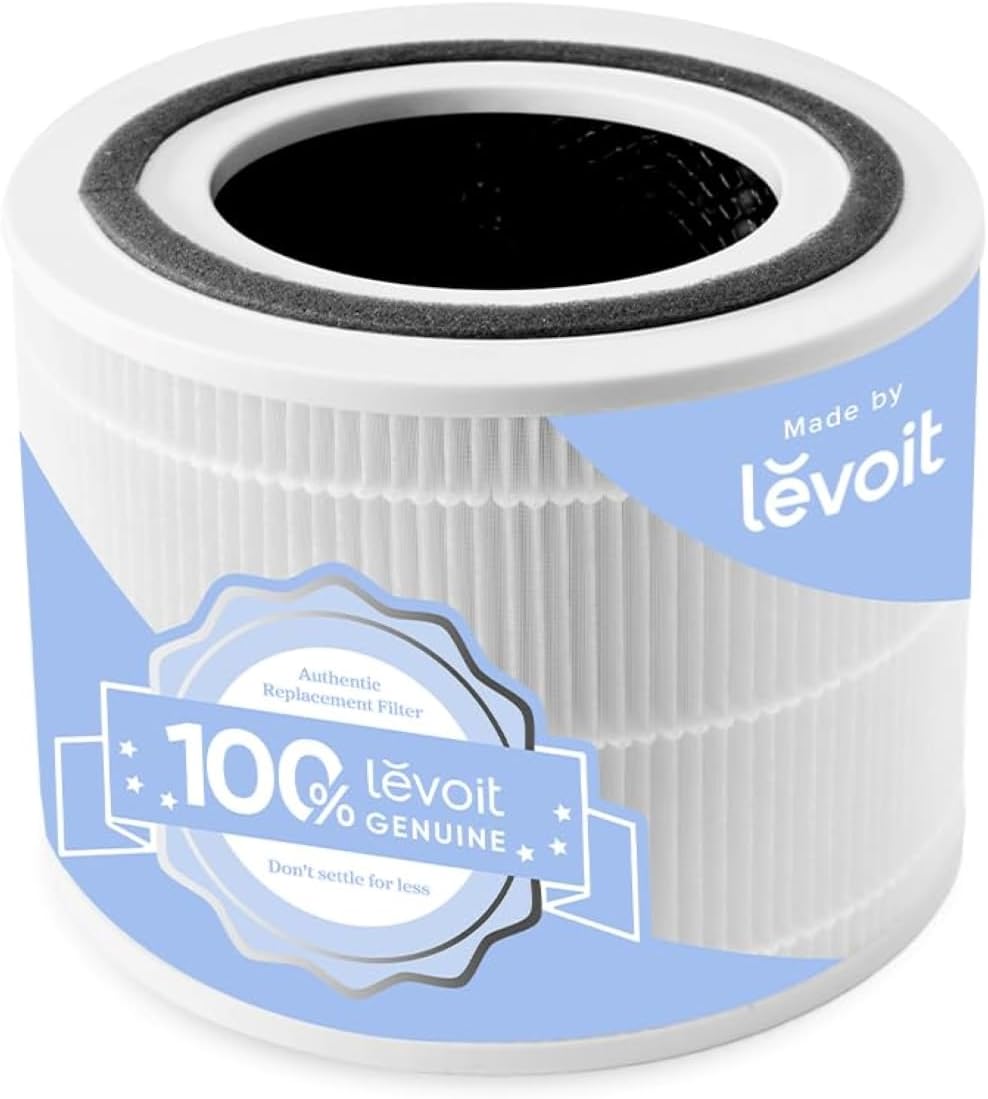
Most Miko models feature a three-stage filtration system. This typically includes a pre-filter to capture larger particles, an activated carbon filter to absorb odors and VOCs, and a High-Efficiency Particulate Air (HEPA) filter, which is crucial for trapping 99.97% of airborne particles as small as 0.3 microns. This comprehensive approach is key to answering, “Are Miko air purifiers good?”
Design and User Experience
Miko often emphasizes user-friendly designs with simple controls and quiet operation. Many models offer features like multiple fan speeds, sleep modes, and filter replacement indicators, enhancing the overall user experience. This thoughtful design makes them a practical addition to any room.
Evaluating Miko Air Purifier Performance
When considering if Miko air purifiers are good, performance is paramount. Their effectiveness is largely determined by their filtration capabilities and their ability to adequately clean the air in a given space, often measured by CADR (Clean Air Delivery Rate).
HEPA Filtration: The Gold Standard
The inclusion of a true HEPA filter in Miko units is a significant indicator of their effectiveness. A true HEPA filter is certified to remove a very high percentage of fine particles, which is essential for allergy and asthma sufferers.
CADR Ratings and Room Coverage
The Clean Air Delivery Rate (CADR) indicates how quickly an air purifier can clean a room of specific pollutants like smoke, dust, and pollen. Miko purifiers usually come with recommended room sizes, ensuring you select a unit appropriate for your space. Checking the CADR for smoke, dust, and pollen will give you a clear picture of its performance.
Key Features to Consider in Miko Models
Miko offers a range of models, each with specific features designed to meet different needs. Understanding these features will help you determine if Miko air purifiers are good for your unique situation.
Pre-Filter Effectiveness
The pre-filter plays a vital role in extending the life of the HEPA filter by capturing larger debris like pet hair and visible dust. This is an often-overlooked but critical component of an effective air purification system.
Activated Carbon Filters for Odors and Gases
Beyond particles, many Miko models include activated carbon filters. These are excellent at adsorbing common household odors from cooking, pets, and smoke, as well as certain volatile organic compounds (VOCs).
Noise Levels and Sleep Modes
For bedrooms or quiet living spaces, noise levels are a significant consideration. Miko purifiers are often designed with relatively quiet operation, and many include a sleep mode that dims lights and reduces fan speed for undisturbed rest.
Smart Features and Connectivity
Some advanced Miko models may offer smart features like app control, voice assistant compatibility, and air quality sensors that automatically adjust performance. These add convenience and allow for remote monitoring and control.
Are Miko Air Purifiers Good for Allergies and Asthma?
For individuals suffering from allergies or asthma, an air purifier can be a game-changer. The effectiveness of Miko air purifiers in these scenarios hinges on their ability to capture microscopic allergens and irritants.
Capturing Allergenic Particles
Miko’s HEPA filters are designed to trap common allergens such as pollen, dust mites, pet dander, and mold spores. By removing these from the air, Miko purifiers can significantly reduce allergy symptoms and improve breathing comfort.
Reducing Asthma Triggers
Asthma can be exacerbated by airborne irritants. Miko air purifiers help by filtering out fine particulate matter and other triggers, creating a cleaner environment that may lead to fewer asthma attacks and improved respiratory health.
Comparing Miko to Other Air Purifier Brands
The air purifier market is competitive, with many brands offering similar technologies. Understanding how Miko stacks up against competitors like Coway, Blueair, or Levoit can provide further insight into whether Miko air purifiers are good.
Price Point and Value
Miko often positions itself as a brand offering good value, with competitive pricing compared to some higher-end brands. This makes them an attractive option for budget-conscious consumers seeking effective air purification.
Feature Comparison Table
| Feature | Miko Air Purifier (Typical) | Competitor A (Example) | Competitor B (Example) |
| :—————- | :————————– | :——————— | :——————— |
| Filtration | 3-Stage (Pre, Carbon, HEPA) | 3-Stage (Pre, Carbon, HEPA) | 4-Stage (HEPA, Carbon, UV, Ionizer) |
| CADR | Moderate to High | Varies | Varies |
| Noise Level | Low to Moderate | Varies | Varies |
| Smart Features | Basic to Advanced | Basic to Advanced | Basic to Advanced |
| Price Range | Affordable to Mid-Range | Mid-Range to Premium | Mid-Range to Premium |
This table highlights that while Miko provides essential features, competitors might offer more advanced or specialized technologies at different price points.
Where Do Miko Air Purifiers Excel?
Miko air purifiers generally excel in providing essential clean air for everyday use. They are particularly strong in their user-friendliness and affordability, making them a solid choice for many households.
Everyday Air Quality Improvement
For homes looking to reduce general dust, pet dander, and common household odors, Miko purifiers offer a straightforward and effective solution. They are well-suited for bedrooms, living rooms, and home offices.
Budget-Friendly Solutions
If you’re seeking a reliable air purifier without breaking the bank, Miko often presents a compelling option. Their models provide core purification benefits at a more accessible price point.
Potential Drawbacks of Miko Air Purifiers
While Miko air purifiers are good for many, it’s important to acknowledge potential limitations. Understanding these can help manage expectations and ensure the right fit for your needs.
Advanced Features May Be Limited
Compared to premium brands, some Miko models might lack the most advanced features, such as extensive smart connectivity, very high CADR ratings for extremely large spaces, or specialized purification technologies like UV-C light or ionizers.
Filter Replacement Costs
Like all air purifiers, Miko models require regular filter replacements. While the initial cost of the unit might be affordable, the ongoing expense of replacement filters should be factored into the overall cost of ownership.
Maintaining Your Miko Air Purifier for Optimal Performance
To ensure your Miko air purifier continues to provide essential clean air, proper maintenance is key. This involves regular cleaning and timely filter replacements.
Cleaning the Pre-Filter
The pre-filter should be cleaned regularly, typically every 2-4 weeks, depending on usage and the environment. This can usually be done by vacuuming it or rinsing it under water.
Replacing HEPA and Carbon Filters
HEPA and activated carbon filters are not washable and need to be replaced according to the manufacturer’s recommendations, usually every 6-12 months. This ensures the purifier maintains its efficiency in capturing pollutants and odors. Always check your specific model’s manual for precise instructions.
Frequently Asked Questions About Miko Air Purifiers
What is the average lifespan of a Miko air purifier?
The lifespan of a Miko air purifier can vary depending on the model and how well it’s maintained, but many are designed to last for several years with proper care and filter replacements.
How often should I replace the filters in my Miko air purifier?
Typically, HEPA filters need replacement every 6-12 months, while activated carbon filters may need replacing around the same time or slightly more often, depending on usage and environmental factors.
Are Miko air purifiers noisy?
Miko air purifiers are generally designed for quiet operation, especially on lower fan settings and in sleep mode. However, noise levels can increase on higher settings, which is typical for most air purifiers.
Can Miko air purifiers remove smoke odors?
Yes, Miko air purifiers with activated carbon filters are effective at absorbing and removing common household odors, including smoke odors.
Are Miko air purifiers good for pets?
Yes, Miko air purifiers are good for pet owners as their HEPA filters capture pet dander and fur, while activated carbon filters help to reduce pet odors.
Conclusion: Are Miko Air Purifiers Good?
In conclusion, the question, “Are Miko air purifiers good?” is best answered by understanding their strengths and intended use. Miko air purifiers are a commendable choice for individuals seeking essential clean air solutions that are effective, user-friendly, and budget-conscious. They offer robust multi-stage filtration, including true HEPA, which is vital for tackling common allergens and pollutants. While they may not boast every high-end feature found in premium brands, their performance for everyday air quality improvement, allergy relief, and odor reduction makes them a solid investment for many homes. By considering your specific needs and maintaining the unit properly, a Miko air purifier can significantly contribute to a healthier and more comfortable living environment.