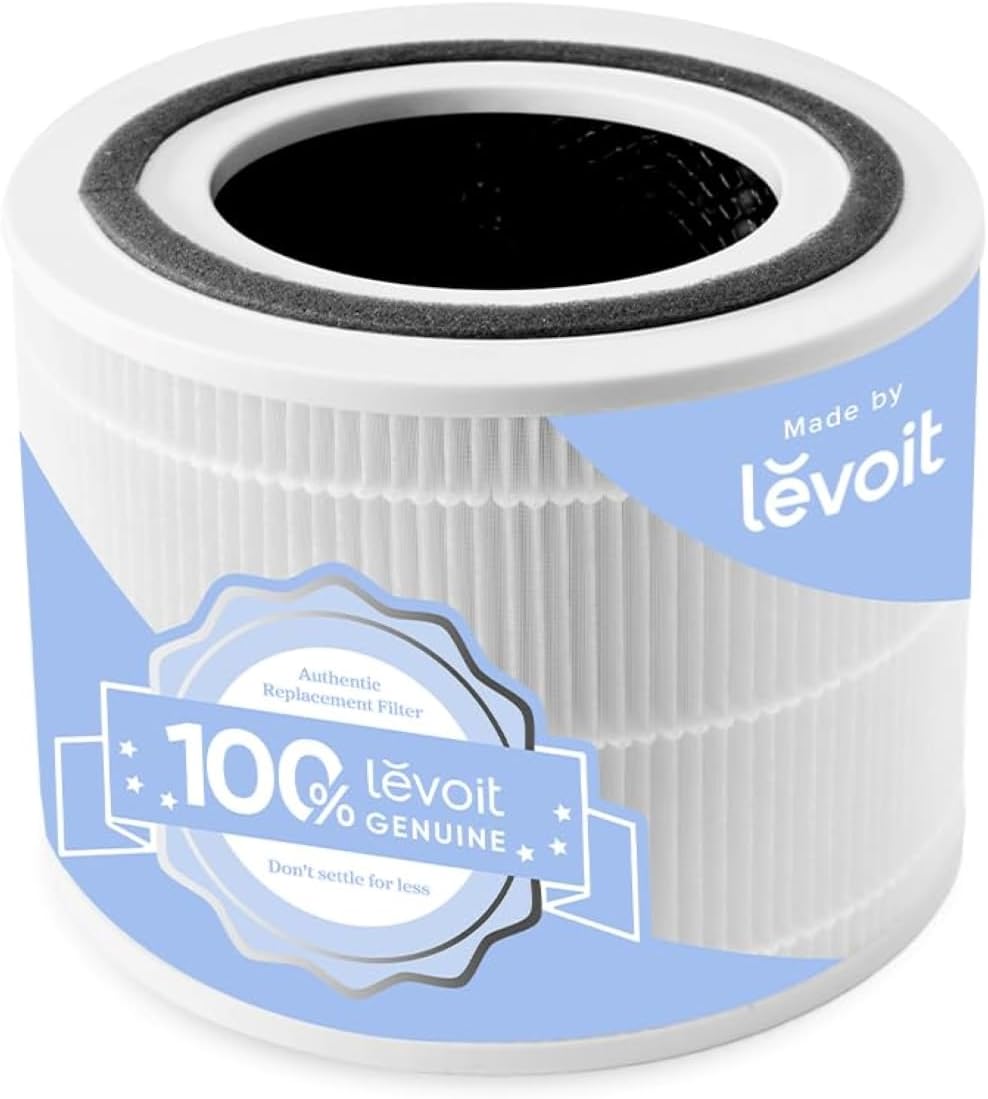
Are Air Purifiers HSA Eligible? Your Essential Guide

Yes, air purifiers can be HSA eligible if they are prescribed by a doctor for a specific medical condition. This guide explains the requirements and how to determine eligibility for your air purifier purchase.
Are Air Purifiers HSA Eligible? Your Essential Guide
Navigating the world of Health Savings Accounts (HSAs) can sometimes feel like deciphering a secret code. Many people wonder if everyday wellness items, like air purifiers, can be covered. This is a common question, especially for those seeking relief from allergies or respiratory issues. You’re in the right place to get clear answers and understand the specific conditions under which an air purifier might be considered a qualified medical expense. We’ll break down the eligibility requirements step-by-step.
Understanding HSA Eligibility for Medical Devices
HSA funds are designed for qualified medical expenses. For an item to be HSA eligible, it generally needs to be prescribed by a physician to treat a specific medical condition. This distinction is crucial when considering devices like air purifiers, which can offer health benefits but aren’t always automatically covered. The IRS sets the guidelines for what qualifies, and it’s important to adhere to these rules to avoid any issues with your HSA.
The IRS defines qualified medical expenses broadly, but the key is the medical necessity. This means the item must be used to diagnose, cure, mitigate, treat, or prevent disease. For air purifiers, this often hinges on a doctor’s recommendation and a diagnosed health condition.
The Doctor’s Prescription: Your Key to HSA Eligibility
A prescription from a licensed healthcare provider is the most significant factor in determining if an air purifier is HSA eligible. This prescription needs to state that the air purifier is medically necessary for treating a specific health condition. Without this doctor’s note, the IRS may not consider the purchase a qualified medical expense.
The prescription should clearly outline the patient’s condition and explain how the air purifier will help alleviate symptoms or manage the illness. This documentation serves as proof of medical necessity. It’s wise to keep this prescription on file, along with your purchase receipt, for your records.
Common Medical Conditions That May Warrant an Air Purifier Prescription
Several health conditions can lead a doctor to prescribe an air purifier. These often involve respiratory sensitivities, allergies, or conditions exacerbated by poor indoor air quality. Knowing these conditions can help you understand if an air purifier might be a viable HSA-eligible expense for you.
Asthma: Poor air quality, including allergens and irritants, can trigger asthma attacks. An air purifier can help reduce these triggers.
Allergies: Dust mites, pollen, pet dander, and mold spores are common allergens. Air purifiers capture these airborne particles, offering relief.
Chronic Obstructive Pulmonary Disease (COPD): Individuals with COPD may benefit from cleaner air to reduce lung irritation and improve breathing.
Other Respiratory Illnesses: Conditions like bronchitis or even general sensitivities to smoke or strong odors can be reasons for a doctor’s recommendation.
These conditions mean the air purifier is not just a general wellness product but a therapeutic tool. It’s about managing a diagnosed illness and improving health outcomes.
What Makes an Air Purifier “Medically Necessary”?
“Medically necessary” means that a service or supply is needed to diagnose, treat, cure, or prevent a disease or injury. For an air purifier, this requires a direct link between the device and the improvement of a patient’s specific health condition. It’s not about general air freshness but about targeted symptom relief or management.
Your doctor must provide a clear rationale for why an air purifier is essential for your health. This rationale should detail how airborne contaminants contribute to your illness and how the purifier will mitigate those contributing factors. The effectiveness of the purifier in addressing the specific condition is key.
Gathering the Necessary Documentation for HSA Reimbursement
To successfully use your HSA funds for an air purifier, proper documentation is essential. This ensures you can provide proof of eligibility if audited by the IRS or if your HSA administrator requests it. Having everything in order beforehand simplifies the reimbursement process.
Here’s what you’ll typically need:
Doctor’s Prescription: A dated and signed prescription clearly stating the medical condition and the necessity of the air purifier.
Itemized Receipt: A detailed receipt from the retailer showing the product name, date of purchase, and cost.
Explanation of Benefits (EOB) from Insurance (if applicable): Sometimes, if an insurance company has reviewed and denied coverage for the air purifier, their EOB can serve as additional proof of medical necessity.
Keep these documents in a secure place. Many HSA administrators allow you to upload these documents directly through their online portal or mobile app.
Types of Air Purifiers and Their Potential HSA Eligibility
While the prescription is paramount, the type of air purifier might also play a role in how it’s perceived. Generally, devices designed for medical purposes are more likely to be approved. This often includes purifiers with specific filtration technologies that target allergens and irritants relevant to a diagnosed condition.
HEPA Filters: High-Efficiency Particulate Air (HEPA) filters are standard for capturing small particles like dust, pollen, and pet dander.
Activated Carbon Filters: These are effective at removing odors, gases, and volatile organic compounds (VOCs).
Medical-Grade Purifiers: Some units are specifically marketed as medical-grade and designed for environments where air purity is critical.
The focus should always be on the medical necessity documented by your doctor, rather than the specific brand or model, though some high-end medical-grade units might have more straightforward approval pathways.
Navigating the IRS Guidelines: What to Watch For
The IRS publication 502, Medical and Dental Expenses, is the definitive source for what constitutes a qualified medical expense. While it doesn’t specifically list every single item, it provides the framework. Air purifiers generally fall under the category of equipment that helps alleviate a medical condition.
It’s important to note that general home improvements or items that primarily offer convenience or comfort are not eligible. The air purifier must be directly linked to treating a diagnosed illness. If you’re unsure, it’s always best to consult with your HSA administrator or a tax professional.
How to Purchase an HSA-Eligible Air Purifier
Once you have a prescription, purchasing an HSA-eligible air purifier is straightforward. You can typically buy it from a medical supply store, a reputable online retailer, or even directly from the manufacturer. The key is ensuring you obtain the correct documentation at the time of purchase.
When ordering online, look for retailers that provide detailed receipts and information that can be used for HSA claims. Some retailers may even have specific sections or guidance for HSA/FSA purchases. Always confirm the product details and ensure it aligns with your doctor’s recommendation.
Potential Challenges and How to Overcome Them
One common challenge is that some HSA administrators might be unfamiliar with air purifiers as eligible expenses. This is where your doctor’s prescription and clear documentation become your strongest allies. Be prepared to explain the medical necessity and provide all required paperwork.
Another potential issue is if the air purifier is seen as having a dual purpose – both medical and general household use. In such cases, the IRS requires that the medical portion of the expense be clearly identifiable. However, for a prescribed air purifier, the primary function is therapeutic.
Frequently Asked Questions About Air Purifiers and HSAs
Can I use my HSA for any air purifier?

No, you generally cannot use your HSA for any air purifier. It must be prescribed by a doctor for a specific medical condition and deemed medically necessary.
What if I have allergies? Is my air purifier HSA eligible?
If your doctor prescribes an air purifier specifically to treat your diagnosed allergies and provides documentation stating it’s medically necessary for symptom relief, it can be HSA eligible.
Do I need a prescription from a specialist or can my primary doctor prescribe it?
A prescription from any licensed healthcare provider, including your primary care physician or a specialist, can be sufficient, provided it clearly states the medical necessity.
What if my air purifier also removes odors? Does that make it ineligible?
The primary function of the air purifier for your diagnosed condition is what matters. If its main purpose, as prescribed by your doctor, is to treat a respiratory condition by removing allergens and irritants, the odor removal benefit is secondary and usually doesn’t affect eligibility.
How long should I keep my documentation for HSA purchases?
It’s advisable to keep all documentation related to HSA purchases for at least three years, which is the typical statute of limitations for IRS audits.
What if my HSA administrator denies my claim for an air purifier?
If your claim is denied, review the reason for denial. You may need to provide additional documentation from your doctor or clarify the medical necessity. Consulting with your HSA administrator or a tax professional can help resolve the issue.
Conclusion
Ultimately, whether air purifiers are HSA eligible hinges on a crucial factor: medical necessity, as documented by a physician’s prescription. If you suffer from a diagnosed respiratory condition, allergies, or other ailments exacerbated by indoor air quality, and your doctor recommends an air purifier as a treatment, you are likely on the path to HSA eligibility. Always ensure you obtain a detailed prescription and keep thorough records of your purchase. This diligence will allow you to confidently use your HSA funds to invest in your respiratory health and well-being.