Are Air Scrubbers Worth It? Essential Health Benefits

Are air scrubbers worth it? Yes, especially for those with respiratory issues or concerns about indoor air quality, as they significantly reduce airborne pollutants, allergens, and pathogens, leading to a healthier living environment.
Are Air Scrubbers Worth It? Unveiling the Essential Health Benefits for Your Home
Are air scrubbers worth it for your home? This is a question many homeowners grapple with, especially with growing concerns about indoor air quality and its impact on our health. You might be noticing more dust, experiencing increased allergy symptoms, or simply wanting to create a cleaner, safer sanctuary for your family. It’s understandable to feel overwhelmed by the options and unsure if an air scrubber is a worthwhile investment. I’m here to guide you through the essential health benefits and help you make an informed decision.
What Exactly is an Air Scrubber?
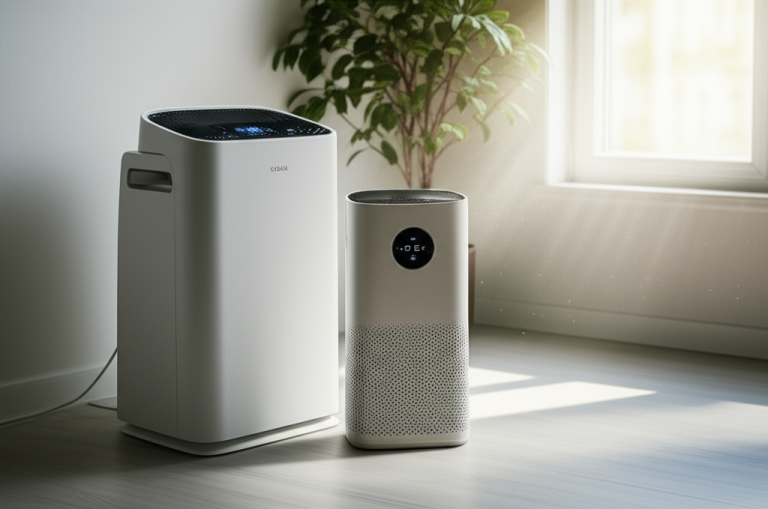
An air scrubber is a powerful air purification device designed to remove a wide range of contaminants from indoor air. Unlike standard air purifiers that often rely on passive filtration, air scrubbers actively clean the air using advanced technologies. They are particularly effective at tackling airborne particles, volatile organic compounds (VOCs), and even microscopic organisms that can affect your well-being.
How Do Air Scrubbers Work to Improve Your Health?
Air scrubbers work by drawing in contaminated air, passing it through a multi-stage filtration system, and then releasing cleaner air back into the environment. Many models utilize HEPA filters to capture tiny particles, while activated carbon filters adsorb odors and gases. Some advanced units also incorporate UV-C light or ionization to neutralize airborne pathogens like bacteria and viruses.
The Critical Role of HEPA Filtration

High-Efficiency Particulate Air (HEPA) filters are the backbone of most effective air purifiers and air scrubbers. These filters are engineered to capture at least 99.97% of airborne particles as small as 0.3 microns. This includes common allergens like pollen, pet dander, dust mites, and mold spores, which are major triggers for respiratory issues.
Beyond Particles: Tackling Gases and Odors
While HEPA filters excel at capturing solid particles, many air scrubbers go a step further by incorporating activated carbon filters. These filters are porous and have a large surface area, allowing them to effectively adsorb gases, chemicals, and volatile organic compounds (VOCs) released from household products, paints, and cleaning supplies. This leads to a significant reduction in unpleasant odors and potentially harmful airborne chemicals.
Neutralizing Microscopic Threats
Some advanced air scrubbers employ technologies like UV-C light or bipolar ionization to neutralize microscopic threats. UV-C light can damage the DNA of bacteria, viruses, and mold spores, rendering them inactive. Bipolar ionization releases positive and negative ions that attach to airborne contaminants, causing them to clump together and fall out of the air or become easier for filters to capture.
Essential Health Benefits of Using an Air Scrubber
The primary reason homeowners invest in air scrubbers is for the tangible health benefits they provide. By diligently removing pollutants, these devices can create a significantly healthier living environment for everyone in your household.
Alleviating Allergy and Asthma Symptoms
For individuals suffering from allergies or asthma, indoor air quality is paramount. Air scrubbers can drastically reduce the presence of common allergens such as dust, pollen, pet dander, and mold spores. This reduction in triggers can lead to fewer sneezing fits, less congestion, reduced coughing, and a generally more comfortable breathing experience.
Reducing Airborne Irritants
Beyond allergens, air scrubbers help remove other airborne irritants like smoke particles, dust mites, and even fine particulate matter from cooking or pollution. By clearing these irritants from the air you breathe, you can experience a noticeable improvement in respiratory comfort.
Creating a Safer Environment for Children and the Elderly
Children and the elderly often have more sensitive respiratory systems. Ensuring clean indoor air is crucial for their health and well-being. Air scrubbers contribute to a safer environment by minimizing exposure to harmful airborne contaminants that could exacerbate existing health conditions or lead to new ones.
Combating the Spread of Airborne Illnesses
In shared living spaces, airborne viruses and bacteria can spread rapidly. While no device can guarantee complete elimination, air scrubbers can significantly reduce the concentration of these pathogens in the air. This is particularly relevant during cold and flu seasons or for households with individuals who are immunocompromised.
Minimizing Viral and Bacterial Load
By capturing and/or neutralizing airborne microorganisms, air scrubbers help lower the overall viral and bacterial load in your home. This can contribute to a reduction in the frequency and severity of airborne illnesses circulating within the household.
Supporting Post-Illness Recovery
For those recovering from respiratory infections, clean air is essential for healing. An air scrubber can provide a more comfortable and less irritating environment, aiding in a faster and smoother recovery process.
Improving Sleep Quality
Breathing clean air throughout the night can lead to more restful sleep. When your airways are clear and free from irritants, you’re less likely to experience coughing, wheezing, or congestion that can disrupt your sleep cycle. Better sleep translates to improved energy levels, mood, and overall health.
Reducing Nighttime Respiratory Disturbances
If allergies or asthma cause you to wake up coughing or feeling breathless, an air scrubber can help mitigate these issues. By continuously cleaning the air, it provides a more conducive environment for uninterrupted sleep.
Eliminating Unpleasant Odors
Beyond health concerns, air scrubbers can significantly improve the overall ambiance of your home by eliminating lingering odors. This includes common household smells like pet odors, cooking smells, smoke, and even musty dampness.
Neutralizing Persistent Smells
Activated carbon filters are particularly effective at trapping odor-causing molecules. This means your home can smell fresher and cleaner, creating a more pleasant living space for both residents and guests.
Protecting Against Environmental Pollutants
Even if you live in an area with generally good outdoor air quality, indoor environments can accumulate pollutants. Air scrubbers help combat this by removing particles that may enter from outside or are generated within the home, such as VOCs from furniture or cleaning products.
Key Features to Look for in an Air Scrubber
When considering if air scrubbers are worth it, understanding their features will help you choose the right one. Not all air scrubbers are created equal, and certain features contribute more significantly to their effectiveness and your health.
Filtration Technology
Prioritize air scrubbers with a multi-stage filtration system, including a true HEPA filter and an activated carbon filter. Look for CADR (Clean Air Delivery Rate) ratings to understand how quickly the unit can purify a room of a specific size.
Coverage Area and Room Size
Ensure the air scrubber you choose is appropriately sized for the room you intend to use it in. A unit that is too small will struggle to effectively clean the air, while an oversized unit might be unnecessarily noisy or energy-intensive.
Noise Level
Air scrubbers can produce noise, especially on higher settings. Check the decibel (dB) ratings to find a unit that operates at a comfortable noise level for your living space, particularly for bedrooms.
Energy Efficiency
Consider the energy consumption of the air scrubber, especially if you plan to run it continuously. Look for Energy Star certified models or those with low wattage to minimize your electricity bill.
Maintenance and Filter Replacement
Factor in the cost and frequency of filter replacement. HEPA and carbon filters need to be replaced periodically to maintain optimal performance, so research these costs beforehand.
Are Air Scrubbers Worth It? A Comparative Look
To fully answer “are air scrubbers worth it,” it’s helpful to compare them with other air quality solutions.
| Feature | Air Scrubber | Standard Air Purifier | Plants |
| :————— | :———————————————- | :—————————————— | :——————————————- |
| Primary Function | Active air cleaning, broad contaminant removal | Passive air filtration | Aesthetic, minor air quality improvement |
| Effectiveness | High for particles, gases, odors, pathogens | Moderate for particles, some gases/odors | Minimal for airborne pollutants |
| Technology | HEPA, Carbon, UV-C, Ionization (varies) | HEPA, Carbon (typically) | Photosynthesis |
| Cost | Moderate to High | Low to Moderate | Low to Moderate (initial purchase) |
| Maintenance | Filter replacement, occasional cleaning | Filter replacement | Watering, occasional repotting |
| Health Impact| Significant improvement for respiratory health | Noticeable improvement for allergies | Very limited impact on airborne contaminants |
While plants can add a touch of nature and have some minor air-purifying qualities, they are not a substitute for a dedicated air cleaning device like an air scrubber when serious air quality concerns exist. Standard air purifiers are a good starting point, but air scrubbers often offer more comprehensive solutions.
Potential Downsides and Considerations
While the health benefits are substantial, it’s important to be aware of potential downsides.
Cost of Purchase and Maintenance
Air scrubbers can represent a significant upfront investment, and the ongoing cost of replacement filters should also be factored in. It’s crucial to weigh these costs against the potential health improvements and the long-term benefits of cleaner air.
Noise Levels
As mentioned, some air scrubbers can be noisy, especially on higher fan speeds. This might be a concern for light sleepers or those sensitive to background noise. Many models offer quieter “sleep” modes.
Ozone Production (for some models)
Certain types of air purifiers, particularly those using ionization or electrostatic precipitation, can produce small amounts of ozone as a byproduct. While generally considered safe at low levels, individuals with extreme respiratory sensitivities might want to opt for ozone-free technologies like HEPA and activated carbon filtration. Always check the product specifications.
When is an Air Scrubber Most Beneficial?
The question “are air scrubbers worth it” becomes a resounding yes in specific circumstances.
Individuals with Allergies or Asthma: If you or family members suffer from seasonal or perennial allergies, or asthma, an air scrubber can provide significant relief.
Homes with Pets: Pet dander is a common allergen and can contribute to poor indoor air quality. Air scrubbers are excellent at capturing this fine dander.
New Homeowners or After Renovations: New furniture, carpets, and building materials can off-gas VOCs. Air scrubbers help remove these chemicals.
Urban Dwellers: Homes in areas with high outdoor pollution can benefit from air scrubbers to remove infiltrating particles.
Smokers’ Homes: Air scrubbers with robust carbon filters are essential for removing smoke odors and particles.
Families with Young Children or Elderly Individuals: Protecting vulnerable populations from airborne irritants is a priority.
The Verdict: Are Air Scrubbers Worth It for You?
Ultimately, whether air scrubbers are worth it depends on your individual needs and priorities regarding health and home environment. For many, the peace of mind and tangible health benefits—reduced allergy symptoms, fewer respiratory issues, cleaner-smelling air, and a lower risk of airborne illness transmission—make them a highly valuable investment. When you consider the long-term impact on your family’s well-being, the cost often becomes secondary to the improved quality of life.
Frequently Asked Questions About Air Scrubbers
Do air scrubbers actually clean the air?
Yes, air scrubbers are specifically designed to clean indoor air by removing a wide range of pollutants, including particles, gases, odors, and even some microorganisms, through advanced filtration and purification technologies.
Are air scrubbers noisy?
Noise levels vary by model. Many air scrubbers have multiple fan speeds, including a quieter “sleep” mode, making them suitable for bedrooms. It’s advisable to check the decibel ratings before purchasing.
How often do I need to replace the filters?
Filter replacement frequency depends on the model and the air quality in your home. Typically, HEPA filters need replacement every 6-12 months, and carbon filters may need replacement every 3-6 months, but always refer to the manufacturer’s recommendations.
Can an air scrubber eliminate all viruses and bacteria?
While air scrubbers significantly reduce the concentration of airborne viruses and bacteria, they cannot guarantee complete elimination. They play a crucial role in minimizing the spread of airborne pathogens.
Are air scrubbers safe for pets?
Yes, air scrubbers are generally safe for pets. In fact, they are highly beneficial for households with pets as they effectively capture pet dander and reduce associated allergens.
What’s the difference between an air purifier and an air scrubber?
While often used interchangeably, “air scrubber” sometimes implies a more powerful or industrial-grade unit, often used for post-disaster cleanup. In a residential context, a high-quality air purifier with advanced features like HEPA and carbon filtration functions much like what people refer to as an air scrubber for home health benefits.
Conclusion
In conclusion, when weighing the question “are air scrubbers worth it,” the answer leans heavily towards a beneficial investment for anyone concerned about indoor air quality and its direct impact on health. From alleviating allergy and asthma symptoms to combating airborne illnesses and eliminating unpleasant odors, the health benefits are substantial and far-reaching. By understanding how these devices work and choosing one that fits your specific needs, you can significantly enhance the air you breathe daily, creating a healthier and more comfortable home environment for yourself and your loved ones.